



You have probably started noticing it — more hair in the shower drain, a widening part, or a hairline that seems to be retreating a little more each month. Hair loss is incredibly common, but that does not make it any less distressing. The good news? The world of hair restoration has come a long way, and one of the most talked-about breakthroughs right now is exosome therapy. If you have been searching for answers about what exosomes are, how exosomes treatment works, and whether it is right for you — you are in exactly the right place.
Let us start with the exosomes meaning in plain language. Exosomes are tiny vesicles — think of them as microscopic bubbles — that your cells produce naturally. They are part of how your body's cells talk to each other. When a cell wants to send a message to another cell (perhaps telling it to repair itself, grow, or reduce inflammation), it packages that message into an exosome and releases it into the surrounding fluid.
These nano-sized messengers carry proteins, growth factors, and genetic material called RNA. Scientists have spent years studying them, and the medical world is now using their regenerative power in treatments for everything from joint repair to skincare — and, most relevantly for you, hair restoration. In a clinical setting, exosomes used for hair treatments are typically derived from stem cells, giving them an especially potent regenerative profile.
People are turning to exosomes for hair loss for a very simple reason: conventional treatments often fall short. Minoxidil works for some, but it requires lifelong daily use and does not work for everyone. Finasteride comes with the risk of hormonal side effects. Hair transplant surgery is expensive, invasive, and not always suitable for diffuse thinning. Exosomes hair treatment sits in an exciting middle ground — it is biologically sophisticated, minimally invasive, and works with your body rather than against it.
When delivered to the scalp, stem cell-derived exosomes flood the hair follicles with regenerative signals. They stimulate the growth phase of the hair cycle, reduce the inflammation that can cause follicle miniaturisation, and improve blood supply to follicles — all of which translate to thicker, stronger hair over time. Exosomes for hair growth essentially wake up dormant follicles and give them the biological tools they need to function at their best again.
Walking into a clinic for exosomes treatment can feel nerve-wracking if you do not know what to expect. Here is a straightforward walkthrough of what the process typically looks like. First, your practitioner will assess your scalp and hair loss pattern to confirm that exosome therapy is appropriate for you. They will review your medical history and may take photographs to track your progress over time.
On the day of treatment, the scalp is cleaned and a topical numbing cream is applied to minimise discomfort. The exosome solution is then delivered in one of two main ways: via exosomes injection (using fine needles to inject directly into targeted areas of the scalp) or through microneedling with exosomes. During microneedling with exosomes, a device with tiny needles creates micro-channels across the scalp. The exosome solution is applied over these channels, allowing it to penetrate deeply into the skin and reach the follicles more effectively. The micro-injuries created by the needles also stimulate collagen production and activate the scalp's natural healing response — effectively doubling down on regeneration.
The entire appointment typically takes between 45 minutes and 90 minutes. You may notice some redness and mild scalp tenderness afterward, but most people return to their normal activities the same day or the following morning. Most treatment plans involve two to four sessions spaced several weeks apart, with visible improvements often appearing within two to four months.
One of the first questions most people ask is: what is the exosome hair therapy cost? It is a fair question, and the honest answer is that it varies. Factors that affect the price include the clinic's location and reputation, the quality of the exosome product being used (pharmaceutical-grade stem cell-derived exosomes cost more than lower-tier alternatives), and whether you are having injections, microneedling with exosomes, or a combination approach.
In India, Most clinics offer packages that bundle multiple sessions at a reduced per-session rate. While exosome therapy is not cheap, many patients consider it a worthwhile investment compared to the ongoing cost of topical treatments or the larger upfront cost of a hair transplant. It is also worth noting that results can be long-lasting, particularly when combined with a maintenance regimen and healthy lifestyle habits.
Exosomes hair treatment works best when follicles are still present but weakened or dormant. This makes it especially effective for: early to mid-stage androgenetic alopecia in both men and women, postpartum hair loss and stress-related shedding, alopecia areata in mild to moderate cases, hair thinning associated with nutritional deficiencies or hormonal imbalances, and scalp inflammation-related hair loss. If you have been completely bald in an area for many years, exosome therapy alone may not be sufficient, as follicles that have long since closed cannot be regenerated without transplant. However, combining exosome therapy with a hair transplant can significantly improve graft success rates and speed up recovery.
You may be weighing up exosomes treatment against other options you have heard about. Here is a quick honest comparison. PRP (Platelet-Rich Plasma) therapy has been popular for years and uses growth factors from your own blood — but results vary significantly because the quality depends on each patient's individual blood composition. Exosomes, by contrast, are standardised and consistently potent, and they carry a much wider array of regenerative signals than PRP.
Minoxidil (Rogaine) is accessible and affordable but only works as long as you keep using it. Once stopped, any regrowth is lost. Finasteride is effective for male-pattern baldness but carries potential hormonal side effects and is not suitable for women of childbearing age. Exosome therapy offers a more targeted biological approach with a strong safety profile and no long-term dependency — making it increasingly attractive to patients and practitioners alike.
One of the biggest advantages of exosome therapy is how well it works in combination with other treatments. Many clinicians are using exosomes as a powerful adjunct alongside hair transplant surgery (to improve healing and graft uptake), low-level laser therapy (LLLT) to further stimulate follicle activity, topical growth factor serums applied between clinic sessions, and nutritional supplementation protocols tailored to hair health.
This integrative approach — combining exosomes hair treatment with complementary therapies — tends to produce the most impressive, lasting results. Your practitioner can build a bespoke protocol based on the severity and pattern of your hair loss.
Hair loss does not have to be permanent, and you do not have to accept it. With exosome therapy now available at specialist clinics, there has never been a more exciting time to explore what regenerative medicine can do for your hair. Whether you opt for targeted exosomes injection into areas of concern or the comprehensive coverage offered by microneedling with exosomes, you are tapping into one of the most advanced and scientifically grounded hair restoration treatments available today.
The key is to act before hair loss progresses too far — the earlier follicles receive regenerative support, the better the outcome. Book a consultation with a qualified trichologist or hair restoration specialist, ask about exosome hair therapy cost in your area, and take the first step toward reclaiming your confidence and your hair.
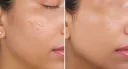
Open pores are the bane of many skincare routines — stubborn, highly visible, and seemingly impossible to treat. But here is the truth: with the right open pores solution and consistent care, you can dramatically reduce their appearance and achieve smoother, healthier-looking skin. Whether you are dealing with open pores on nose, forehead, or cheeks, this guide covers everything — from the underlying reason for open pores to the most effective open pores treatment strategies available in 2025.
Your skin has thousands of pores — tiny openings that allow oil and sweat to reach the surface. When these openings appear larger than usual, they are referred to as open pores. Open pores skin has a rough, uneven texture and can look dull even when well-moisturised. While open pores on face are most common in people with oily or combination skin, they can affect all skin types, especially with age. Understanding what causes open pores is essential to choosing the right treatment for open pores on face.
There is rarely a single reason for open pores on face — multiple factors typically work together. The most common causes of open pores include:
Oily skin is one of the top causes of open pores. When the sebaceous glands produce more oil than necessary, the excess sebum widens the pore opening to allow flow. This is especially visible on the nose, chin, and forehead — the classic T-zone. Open pores on nose are almost universally linked to high oil production in this area.
Your genes largely dictate your skin type and pore size. Hereditary pore size is one of the most common reasons for open pores that people often overlook. If large pores run in your family, you may need more intensive and consistent open pores treatment to manage their appearance.
Collagen and elastin fibres form a framework that supports the skin and keeps pores looking tight and small. After the age of 25, collagen production naturally declines. As the skin loses its structural support, pores begin to look more open and enlarged. This age-related change is a major reason for open pores in adults and is why anti-ageing and collagen-boosting treatments are among the most recommended open pores solutions.
UV rays are one of the most destructive forces your skin faces daily. Prolonged exposure damages collagen, thickens the stratum corneum (the outer skin layer), and contributes to pore enlargement. This is a significant cause of open pores in people who spend a lot of time outdoors without sun protection. Pollution also plays a role, depositing particulate matter inside pores and causing them to widen over time.
Irregular cleansing, not removing makeup, and skipping exfoliation are common reasons for open pores worsening over time. Dead skin cells and sebum accumulate inside pores, physically stretching them. This is particularly problematic around open pores on nose and chin where blackhead formation is most common.
When wondering how to get rid of open pores, the answer lies in a structured, daily skincare routine. Here is a step-by-step approach on how to treat open pores on face at home:
Start and end your day with a gentle foaming or gel cleanser suited to your skin type. For oily or acne-prone skin — the most common open pores skin type — look for cleansers containing salicylic acid, which penetrates into pores to dissolve oil. Thorough cleansing is the foundation of any open pores solution.
After cleansing, use a toner containing niacinamide, witch hazel, or glycolic acid. These ingredients tighten the appearance of open pores, reduce oil production, and exfoliate gently. Niacinamide in particular is backed by clinical research as an effective treatment for open pores on face with regular use.
Incorporate a salicylic acid (BHA) serum or exfoliant 2–3 times per week. BHAs are oil-soluble, meaning they penetrate deep into pores to clear out the debris that causes pore enlargement. This is one of the most direct answers to how to get rid of open pores on face at home.
Retinol remains one of the gold-standard ingredients in any open pores treatment plan. It increases skin cell turnover, reduces sebum production, and stimulates collagen — making it highly effective for open pores on face and neck. Use it at night, starting with a low concentration (0.025% to 0.05%) and building up slowly.
Many people with open pores skin skip moisturiser fearing it will clog pores further — but this is a mistake. Dehydrated skin over-produces oil, making pores look worse. Use a lightweight, oil-free, non-comedogenic moisturiser. Follow up every morning with a broad-spectrum SPF 30 or higher — this is one of the most important steps in how to prevent open pores from worsening over time.
For deeper, more lasting results, professional treatments offer significant improvements. Here are the best treatment for open pores options available at skin clinics:
The carbon laser peel is one of the most popular open pores treatments in Asia. A layer of liquid carbon is applied to the face, which penetrates deep into the pores. A laser is then passed over the skin, vaporising the carbon along with oil, dead cells, and impurities inside the pores. The result is a dramatic reduction in open pores on face, clearer skin, and a brighter complexion — often in just one session.
Radiofrequency microneedling delivers heat energy deep into the dermis to stimulate collagen production. This is considered one of the best treatment for open pores options for addressing both pore size and skin laxity simultaneously. Multiple sessions are typically recommended for optimal open pores solution.
For severe open pores skin with significant texture issues, fractional CO2 laser resurfacing removes the damaged outer layer and prompts deep collagen remodelling. It is particularly effective as a treatment for open pores on face when combined with sun damage repair.
Stronger versions of the at-home exfoliants mentioned above, professional chemical peels use higher concentrations of AHAs and BHAs to deliver more noticeable results. A series of peels over several weeks can significantly minimise open pores on nose, cheeks, and forehead.
Knowing how to prevent open pores from appearing or worsening is just as important as treating them. Build these habits into your daily life for long-term results:
Open pores are not a flaw — they are a feature of living, breathing skin. But if they affect your confidence or skin texture, know that there are effective, science-backed options to address them. From the root causes of open pores to the full spectrum of treatment for open pores on face — both at home and in-clinic — you now have the knowledge to build a skincare plan that works for your unique skin. Whether your goal is to minimise open pores on nose, reduce open pores skin texture across your cheeks, or simply understand the reason for open pores so you can prevent them from worsening, consistency is key. Start with the basics, stay sun-safe, and consult a dermatologist if you want to explore the best treatment for open pores for your skin type. Clear, refined, healthy skin is absolutely achievable.
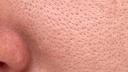
Open pores in face skin are the tiny openings of hair follicles that house sebaceous (oil) glands. When these pores become clogged with sebum, dead skin cells, or debris, their walls stretch, making them appear larger and more visible. Pores do not literally "open" or "close" — but their appearance can absolutely be minimised with the right approach to open pores treatment.
Several factors contribute to enlarged pores: excess sebum production, loss of skin elasticity with age, sun damage, genetics, and certain comedogenic skincare products. People with oily or combination skin in humid climates — particularly across South India — often notice more prominent open pores on the face due to heat-induced increased oil secretion.
Pores are a natural and necessary part of healthy skin — they allow oil to reach the surface and keep your skin moisturised. The goal of open pores solution is not to eliminate them but to minimise their visibility and keep them clear.
When it comes to choosing the best treatment for open pores, there is no single universal answer. The ideal approach depends on your skin type, lifestyle, budget, and the severity of the concern. Most dermatologists recommend a layered strategy — combining consistent home care with periodic professional treatments for the most enduring open pores solution.
Topical Treatments
Retinoids, niacinamide, AHAs/BHAs. Consistent daily use for mild-to-moderate open pores on face.
Chemical Peels
Glycolic or salicylic acid peels exfoliate deeply, unclog pores, and stimulate collagen to tighten skin.
Microneedling
Fine needles create micro-injuries that trigger collagen remodelling, tightening pore walls over time.
Laser Treatment
The gold-standard face open pores treatment for long-lasting results on all skin types.
Hydrafacial
Deep-cleansing suction combined with hydration serums — excellent for mild open pores treatment near you.
PRP Therapy
Platelet-rich plasma injections improve skin texture and stimulate natural regeneration.
Among all professional interventions, laser treatment for pores has emerged as the most effective and long-lasting option. Open pores laser treatment works by delivering precise wavelengths of light energy deep into the dermis, stimulating collagen and elastin production, tightening pore walls, and in some cases ablating the top layer of damaged skin to reveal a fresher, smoother surface beneath.
Fractional CO2 Laser: This is the most powerful form of open pores laser treatment and delivers dramatic results. The laser creates microscopic columns of treated tissue, triggering robust collagen remodelling. Patients typically see significant improvement in open pores on the face after 1–3 sessions. Downtime is 3–7 days with redness and mild peeling.
Nd:YAG Laser: A popular choice for darker skin tones, including Indian skin. The Nd:YAG delivers energy deeper without affecting surface pigmentation, making it a safer face open pores treatment for those prone to post-inflammatory hyperpigmentation.
Fractional Erbium Laser: Gentler than CO2 but still highly effective. Shorter downtime (2–4 days) with excellent results for mild to moderate open pores. Often recommended as a first-line laser treatment for pores for busy patients.
Q-Switch Laser: Primarily used for pigmentation but has a secondary benefit of tightening enlarged pores by stimulating collagen at the dermal level.
Combine laser treatment for open pores with a professionally prescribed home-care regimen (retinoids + SPF) for best results. Patients who skip sun protection often see recurrence of enlarged open pores on face within 6–12 months post-treatment.
One of the most frequently asked questions when patients research open pores treatment near them is the cost. Open pores treatment cost varies based on the type of laser used, the clinic's location, the number of sessions, and whether combination therapies are employed. Below is a general guide to open pores laser treatment price across Indian cities:Open pores treatment cost is best discussed during an in-person consultation where your dermatologist can assess your skin, recommend the most appropriate protocol, and provide an accurate estimate tailored to your needs.
While professional open pores treatment delivers the most measurable improvement, a consistent home routine is essential for maintenance. The following ingredients are clinically supported as an open pores solution when used regularly:
Niacinamide (Vitamin B3): A well-tolerated, evidence-backed ingredient that regulates sebum, strengthens the skin barrier, and visibly minimises open pores on the face. Use a 5–10% serum twice daily.
Retinoids: Retinol and prescription tretinoin remain the most studied active ingredients for open pores treatment. They accelerate cell turnover, prevent pore-clogging, and stimulate collagen — all contributing to a long-term open pores solution.
Salicylic Acid (BHA): An oil-soluble exfoliant that penetrates inside the pore, dissolving sebum and dead cells. A 1–2% salicylic acid toner used 2–3 times a week is an excellent treatment for open pores between professional sessions.
Clay Masks: Kaolin or bentonite clay masks absorb excess sebum and temporarily tighten the appearance of open pores on the face. Use 1–2 times weekly.
Is laser treatment for open pores permanent?
Open pores laser treatment produces long-lasting results — often 2–5 years — but not technically permanent. Ongoing sun exposure, ageing, and hormonal changes can cause gradual recurrence. Maintenance sessions every 12–18 months and daily SPF use are recommended to preserve results.
Is laser treatment safe for Indian skin tones?
Yes, with the right laser and an experienced dermatologist. Nd:YAG and certain fractional lasers are specifically suited to darker Fitzpatrick skin types. Always seek a board-certified dermatologist with experience in treating Indian skin for any face open pores treatment.
How do I find the best open pores treatment near me?
Search for NABH-accredited or ISO-certified skin clinics with certified dermatologists. Check before-and-after photos, read patient reviews, and always book an initial consultation before committing to a course of open pores laser treatment.
What is the downtime after open pores laser treatment?
Downtime varies by laser type. Ablative CO2 laser may require 5–7 days of redness and flaking. Non-ablative and fractional laser treatment for pores typically involves 1–3 days of mild redness with minimal disruption to daily life.
For More Details : https://www.vcareskinclinic.com/open-pores.php
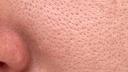
Open pores are the bane of many skincare routines — stubborn, highly visible, and seemingly impossible to treat. But here is the truth: with the right open pores solution and consistent care, you can dramatically reduce their appearance and achieve smoother, healthier-looking skin. Whether you are dealing with open pores on nose, forehead, or cheeks, this guide covers everything — from the underlying reason for open pores to the most effective open pores treatment strategies available in 2025.
Your skin has thousands of pores — tiny openings that allow oil and sweat to reach the surface. When these openings appear larger than usual, they are referred to as open pores. Open pores skin has a rough, uneven texture and can look dull even when well-moisturised. While open pores on face are most common in people with oily or combination skin, they can affect all skin types, especially with age. Understanding what causes open pores is essential to choosing the right treatment for open pores on face.
There is rarely a single reason for open pores on face — multiple factors typically work together. The most common causes of open pores include:
Oily skin is one of the top causes of open pores. When the sebaceous glands produce more oil than necessary, the excess sebum widens the pore opening to allow flow. This is especially visible on the nose, chin, and forehead — the classic T-zone. Open pores on nose are almost universally linked to high oil production in this area.
Your genes largely dictate your skin type and pore size. Hereditary pore size is one of the most common reasons for open pores that people often overlook. If large pores run in your family, you may need more intensive and consistent open pores treatment to manage their appearance.
Collagen and elastin fibres form a framework that supports the skin and keeps pores looking tight and small. After the age of 25, collagen production naturally declines. As the skin loses its structural support, pores begin to look more open and enlarged. This age-related change is a major reason for open pores in adults and is why anti-ageing and collagen-boosting treatments are among the most recommended open pores solutions.
UV rays are one of the most destructive forces your skin faces daily. Prolonged exposure damages collagen, thickens the stratum corneum (the outer skin layer), and contributes to pore enlargement. This is a significant cause of open pores in people who spend a lot of time outdoors without sun protection. Pollution also plays a role, depositing particulate matter inside pores and causing them to widen over time.
Irregular cleansing, not removing makeup, and skipping exfoliation are common reasons for open pores worsening over time. Dead skin cells and sebum accumulate inside pores, physically stretching them. This is particularly problematic around open pores on nose and chin where blackhead formation is most common.
When wondering how to get rid of open pores, the answer lies in a structured, daily skincare routine. Here is a step-by-step approach on how to treat open pores on face at home:
Start and end your day with a gentle foaming or gel cleanser suited to your skin type. For oily or acne-prone skin — the most common open pores skin type — look for cleansers containing salicylic acid, which penetrates into pores to dissolve oil. Thorough cleansing is the foundation of any open pores solution.
After cleansing, use a toner containing niacinamide, witch hazel, or glycolic acid. These ingredients tighten the appearance of open pores, reduce oil production, and exfoliate gently. Niacinamide in particular is backed by clinical research as an effective treatment for open pores on face with regular use.
Incorporate a salicylic acid (BHA) serum or exfoliant 2–3 times per week. BHAs are oil-soluble, meaning they penetrate deep into pores to clear out the debris that causes pore enlargement. This is one of the most direct answers to how to get rid of open pores on face at home.
Retinol remains one of the gold-standard ingredients in any open pores treatment plan. It increases skin cell turnover, reduces sebum production, and stimulates collagen — making it highly effective for open pores on face and neck. Use it at night, starting with a low concentration (0.025% to 0.05%) and building up slowly.
Many people with open pores skin skip moisturiser fearing it will clog pores further — but this is a mistake. Dehydrated skin over-produces oil, making pores look worse. Use a lightweight, oil-free, non-comedogenic moisturiser. Follow up every morning with a broad-spectrum SPF 30 or higher — this is one of the most important steps in how to prevent open pores from worsening over time.
For deeper, more lasting results, professional treatments offer significant improvements. Here are the best treatment for open pores options available at skin clinics:
The carbon laser peel is one of the most popular open pores treatments in Asia. A layer of liquid carbon is applied to the face, which penetrates deep into the pores. A laser is then passed over the skin, vaporising the carbon along with oil, dead cells, and impurities inside the pores. The result is a dramatic reduction in open pores on face, clearer skin, and a brighter complexion — often in just one session.
Radiofrequency microneedling delivers heat energy deep into the dermis to stimulate collagen production. This is considered one of the best treatment for open pores options for addressing both pore size and skin laxity simultaneously. Multiple sessions are typically recommended for optimal open pores solution.
For severe open pores skin with significant texture issues, fractional CO2 laser resurfacing removes the damaged outer layer and prompts deep collagen remodelling. It is particularly effective as a treatment for open pores on face when combined with sun damage repair.
Stronger versions of the at-home exfoliants mentioned above, professional chemical peels use higher concentrations of AHAs and BHAs to deliver more noticeable results. A series of peels over several weeks can significantly minimise open pores on nose, cheeks, and forehead.
Knowing how to prevent open pores from appearing or worsening is just as important as treating them. Build these habits into your daily life for long-term results:
Open pores are not a flaw — they are a feature of living, breathing skin. But if they affect your confidence or skin texture, know that there are effective, science-backed options to address them. From the root causes of open pores to the full spectrum of treatment for open pores on face — both at home and in-clinic — you now have the knowledge to build a skincare plan that works for your unique skin. Whether your goal is to minimise open pores on nose, reduce open pores skin texture across your cheeks, or simply understand the reason for open pores so you can prevent them from worsening, consistency is key. Start with the basics, stay sun-safe, and consult a dermatologist if you want to explore the best treatment for open pores for your skin type. Clear, refined, healthy skin is absolutely achievable.
For More Details : https://www.vcareskinclinic.com/open-pores.php
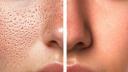
If you have ever looked closely in the mirror and noticed tiny dots scattered across your nose, cheeks, or forehead, you are not alone. Open pores are one of the most common skin concerns people face worldwide — and one of the most misunderstood. While they cannot be permanently erased, understanding the causes of open pores and the right open pores treatment can dramatically improve the appearance of your skin. This guide walks you through everything you need to know about open pores on face, from the reason for open pores to the best treatment for open pores available today.
Pores are tiny openings in your skin that house hair follicles and sebaceous (oil) glands. They are essential for skin health — they allow sebum (natural oil) to reach the skin surface, keeping it moisturised and protected. Open pores refer to pores that appear enlarged or clearly visible to the naked eye. Open pores skin looks rough-textured, uneven, and sometimes dull. They are most commonly seen on the nose, cheeks, chin, and forehead — areas with the highest concentration of oil glands.
Understanding the reason for open pores on face is the first step toward treating them effectively. Several factors contribute to visible open pores:
One of the primary causes of open pores is excess oil production. When sebaceous glands produce more oil than the skin needs, pores stretch to accommodate the sebum, making them appear larger. This is why people with oily or combination skin are more prone to visible open pores skin.
Genetics play a significant role in pore size. If your parents have large, visible open pores, you are more likely to have them too. Unfortunately, genetically determined pore size is harder to change — but proper skincare can still minimise their appearance significantly.
As we age, our skin loses collagen and elastin — the proteins that keep skin firm and tight. Without this support structure, the skin around pores begins to sag, making them appear stretched and more open. This is a major reason for open pores in people over 30, even if they did not previously struggle with them.
Prolonged sun exposure breaks down collagen and thickens the outer layer of skin, which can cause debris to collect around pores and make them appear larger. Sun damage is an often-overlooked cause of open pores on nose and cheeks.
When pores become clogged with dead skin cells, oil, and environmental pollutants, they physically stretch. Blackheads — which are oxidised plugs of oil and debris — are a visible sign of clogged, open pores on nose and chin. Without regular cleansing and exfoliation, this build-up makes pores look even more pronounced.
When it comes to the best treatment for open pores, a combination of professional procedures and consistent at-home care yields the best results. Here is a breakdown of the most effective treatment for open pores on face:
Chemical peels use acids such as glycolic acid, salicylic acid, or lactic acid to exfoliate the skin, unclog pores, and stimulate collagen production. They are one of the most recommended open pores treatment options by dermatologists for oily and acne-prone skin types. A series of peels can visibly reduce open pores on face within a few weeks.
Microneedling uses tiny needles to create micro-channels in the skin, triggering the body's natural collagen production. This collagen tightens the skin around pores, making them appear smaller. It is one of the most effective treatments for open pores that also improves overall skin texture, tone, and firmness.
Fractional laser treatments like CO2 laser or Fraxel target the deeper layers of skin to stimulate collagen and resurface the skin. This is considered the best treatment for open pores on nose and cheeks for those with significant sun damage or ageing-related pore enlargement. Results are long-lasting but typically require downtime.
HydraFacial and similar deep-cleansing facials use suction, exfoliation, and hydrating serums to remove debris from pores and improve skin hydration. These are gentle yet effective open pores solution options, particularly suited for sensitive skin or those new to professional skincare.
Knowing how to treat open pores on face does not always require a trip to the dermatologist. A consistent skincare routine using the right ingredients can significantly reduce open pores skin visibility:
Use a gentle, non-comedogenic cleanser morning and night to remove oil, dirt, and makeup that can clog and stretch pores. Double cleansing in the evening is especially effective for those who wear SPF or makeup.
Exfoliation is a cornerstone of any effective open pores solution. Use a BHA (salicylic acid) exfoliant 2–3 times per week to dissolve the oil and dead skin cells inside pores. Salicylic acid is oil-soluble, making it ideal for open pores on nose where sebum build-up is heaviest.
Retinol is widely regarded as one of the best ingredients to know how to get rid of open pores over time. It increases cell turnover, boosts collagen production, and reduces oil production — directly addressing the reason for open pores at a cellular level. Start with a low concentration and use it at night.
Niacinamide (Vitamin B3) regulates oil production and has been clinically shown to reduce the appearance of open pores skin. It also reduces inflammation and hyperpigmentation, making it an excellent all-round serum for open pores treatment.
Sunscreen is essential if you want to know how to prevent open pores from worsening. UV damage breaks down collagen and deepens the appearance of pores over time. Use a broad-spectrum SPF 30 or higher every day, even on cloudy days.
Prevention is always better than cure. Here is how to prevent open pores from becoming more visible:
Open pores are a common, natural, and manageable skin concern. While you cannot physically close a pore permanently — they are anatomical structures your skin needs — you absolutely can minimise their appearance with the right open pores treatment. From understanding the causes of open pores to choosing the best treatment for open pores based on your skin type, the path to smoother, more refined open pores skin is well within reach. Whether you opt for professional treatments like laser resurfacing and microneedling or build a consistent at-home routine with salicylic acid, retinol, and SPF, knowing how to get rid of open pores on face starts with informed, consistent effort. Take the first step today — your skin will thank you.
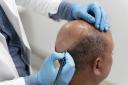
Three years ago, I sat in front of my bathroom mirror, frustrated and embarrassed. My hairline had been quietly creeping backward for nearly a decade, and no shampoo, supplement, or styling trick could hide it anymore. That was the day I typed "hair transplant near me" into Google for the first time.
What followed was months of research, dozens of consultations, and eventually — a procedure that genuinely changed my life. Today, I want to share everything I learned: what a hair transplant is, the real hair transplant cost, side effects no one warns you about, and what the before and after truly looks like beyond the polished clinic photos.
Before diving into my personal experience, let's answer the basics — what is hair transplant surgery, and how does it actually work?
A hair transplant is a minimally invasive surgical procedure in which healthy hair follicles are harvested from a "donor zone" — typically the back or sides of your scalp — and transplanted into areas experiencing thinning or baldness. Because these donor follicles are genetically programmed to resist hair loss hormones, they continue to grow after being relocated.
Two main techniques dominate the industry today:
FUE (Follicular Unit Extraction): The gold standard for most patients today. Individual follicles are removed one by one using a micro-punch tool and implanted into the recipient area. There's minimal scarring and recovery is quicker. This is what I had done.
FUT (Follicular Unit Transplantation): A strip of scalp is surgically removed from the donor area, dissected into individual grafts, then implanted. It allows more grafts in a single session but leaves a linear scar.
Your surgeon at the hair transplantation clinic will recommend the best technique based on your specific hair loss pattern, donor hair density, and lifestyle.
Before I committed, my biggest fear was: is hair transplant safe?
After extensive research and consultations with three different specialists, I felt confident that yes — hair transplant is safe when performed by a qualified, experienced surgeon at a reputable clinic. It's performed under local anesthesia, and you're awake throughout the process. There's no general anesthesia involved, which significantly reduces risk.
That said, "safe" doesn't mean risk-free. I want to be honest: there are potential hair transplant side effects, and you should know what they are before you go in.
What I experienced personally:
In the first 48 hours, I had noticeable swelling across my forehead. By day 3, it had mostly subsided, but it looked worse than I expected. I also developed small crusts around the transplanted follicles, which is completely normal but a little alarming at first.
Then came the dreaded shock loss — around week 3, the newly transplanted hair started falling out. My heart sank. But this is a well-documented and totally normal part of the process. The follicles are simply going dormant before entering a new growth phase.
Other side effects I experienced:
What I did NOT experience: infection, keloid scarring, or unnatural-looking placement — all risks that are largely mitigated by choosing a skilled surgeon.
The question I get asked most when people find out I had the procedure: is hair transplant permanent?
Short answer: yes. The transplanted hair follicles are taken from areas of the scalp that are genetically resistant to DHT — the hormone responsible for male (and female) pattern baldness. Once relocated, they retain their original genetic blueprint and continue producing hair for life.
But here's the important nuance: a hair transplant doesn't freeze your hairline forever. The native, non-transplanted hair around and behind your transplant can still thin over time. This is why many surgeons recommend supporting treatments like minoxidil or finasteride to maintain native hair density and protect your long-term results.
My transplanted hair? Still growing strong three years later. No signs of thinning. Worth every penny.
Let's talk money — because hair transplant cost is often the first thing people want to know, and it's also the area with the most misleading information online.
Here's what I learned:
Cost varies enormously by location. simply based on the clinic's country and city. The cheapest quote came from a clinic offering "hair transplant tourism" packages in Turkey, including flights and hotel. The most expensive was from a boutique clinic in a major US city.
Technique matters. FUE costs more than FUT because it's more labor-intensive and time-consuming. The precision required for each individual extraction commands a premium.
Red flag: suspiciously low prices. If a clinic is offering prices far below market rate, ask why. Inexperienced surgeons, poor hygiene standards, or subpar follow-up care are often the hidden costs. A botched transplant is far more expensive to fix than doing it right the first time.
Forget the dramatic transformation photos that show a full, thick head of hair just months after surgery. Here's the real before and after timeline:
Weeks 1–2: Healing phase. Scabbing, mild swelling, redness. You'll want to stay home.
Weeks 3–6: Shock loss phase. Transplanted hair falls out. Emotionally challenging, but completely normal.
Months 3–4: Tiny new hairs begin to emerge. Barely visible, but deeply exciting.
Months 5–7: Growth accelerates. Fine hairs start to thicken. You begin to see the shape of your new hairline.
Months 9–12: Major improvement visible. Friends start noticing. Confidence starts climbing.
Month 12–18: Full results. Dense, natural-looking hair. The transformation is complete.
My personal before and after? At month 14, a colleague who hadn't seen me in two years told me I looked "younger and more energetic." I didn't tell him why. I just smiled.
If you've been searching for "hair transplant near me" and feeling overwhelmed, here's how to filter through the noise:
Hair transplant treatment changed my life — and it could change yours too. It's safe, it's permanent, and when done well, the results are nothing short of extraordinary. Yes, the hair transplant cost is significant, and yes, there are side effects to manage. But for the right candidate, the investment in yourself pays dividends every single day.
Do your research. Find a trusted hair transplantation clinic. Ask the hard questions. And if you're on the fence — know that the version of you on the other side of recovery will be grateful you took the leap.
Your hair. Your confidence. Your decision.

Laser hair removal treatment is a modern method for reducing unwanted hair safely. It uses focused light energy to target hair follicles. As a result, hair growth becomes slower and thinner over time. Many people choose this procedure because it offers smoother skin with minimal discomfort.
Today, laser hair removal is popular for both men and women. Moreover, it works effectively on several body areas. Common treatment zones include the face, legs, underarms, arms, chest, and bikini line. Since sessions are quick, many people fit them easily into busy schedules.
Traditional methods like shaving and waxing take time. In contrast, laser hair removal delivers long-lasting results. Therefore, many people prefer it for convenience and comfort.
Additionally, repeated shaving can cause skin irritation and ingrown hair. However, laser treatment reduces those issues significantly. Because of this, people often experience smoother and healthier-looking skin.
Another major advantage is precision. The laser targets unwanted hair without damaging nearby skin. Consequently, the treatment becomes both safe and efficient.
Many people ask, “Is laser hair removal permanent?” The answer depends on individual hair growth patterns. Generally, the treatment offers long-term hair reduction rather than complete permanent removal.
After several sessions, most hair becomes lighter and finer. Furthermore, some follicles stop producing hair completely. Maintenance sessions may still be necessary occasionally. Nevertheless, results often last for months or years.
Hormonal changes can also affect regrowth. Even so, treated hair usually remains softer and less noticeable.
Full body laser hair removal is an ideal option for people seeking complete grooming convenience. It treats multiple body areas in one plan. As a result, clients enjoy smooth skin from head to toe.
This treatment commonly includes the legs, arms, underarms, bikini area, back, and face. Since large areas are covered, clients save time in daily grooming routines.
Moreover, full body laser hair removal reduces the need for waxing appointments. Therefore, it becomes a cost-effective long-term solution.
People also appreciate the confidence boost that comes with consistently smooth skin. Consequently, many choose this treatment before vacations, weddings, or special occasions.
Upper lip laser hair removal is highly effective for reducing facial hair growth. Many women struggle with upper lip hair because of hormonal changes or genetics. Thankfully, laser technology provides a gentle and lasting solution.
The treatment session is short and usually takes only a few minutes. Additionally, discomfort remains minimal for most clients. Over several sessions, the hair becomes thinner and less visible.
Unlike threading or waxing, laser treatment does not repeatedly irritate the skin. Therefore, redness and bumps are often reduced significantly.
Laser hair removal cost varies depending on several factors. Treatment area size plays a major role. Smaller areas like the upper lip usually cost less. Meanwhile, larger areas require more sessions and higher pricing.
Clinic expertise also affects the total cost. Advanced equipment and experienced professionals often provide better safety and results. Consequently, investing in quality treatment becomes important.
The number of required sessions also changes pricing. Most people need six to eight sessions for ideal outcomes. However, hair thickness and skin type influence individual treatment plans.
Although the initial expense may seem high, laser hair removal saves money over time. Since waxing and shaving products require constant spending, laser treatment becomes economical eventually.
Searching for “laser hair removal near me” helps people discover nearby clinics quickly. However, choosing the right clinic requires careful research.
Always check clinic experience, technology, and customer reviews before booking. In addition, qualified specialists improve treatment safety and comfort. Therefore, selecting a trusted clinic is essential.
Many people also search for “laser hair removal clinic near me” to compare services and pricing. This approach helps clients find reliable professionals in their area.
Consultations are equally important. During the consultation, specialists evaluate skin type and hair texture. As a result, they create a personalized treatment plan for better results.
Before starting treatment, the targeted area gets cleaned carefully. Then, the specialist adjusts the laser according to skin and hair type. Protective eyewear is also provided for safety.
During the session, the laser emits pulses of light into hair follicles. Patients often describe the sensation as a mild snapping feeling. However, advanced cooling systems reduce discomfort significantly.
After treatment, slight redness may appear temporarily. Fortunately, it usually disappears within a few hours. Clients should avoid direct sunlight after sessions. Additionally, sunscreen protects treated skin effectively.
Professional clinics use advanced laser systems designed for safe and effective results. Therefore, choosing a trusted laser hair removal service near me improves the overall experience.
Certified specialists understand different skin tones and hair textures. Consequently, they adjust settings carefully to avoid complications. Professional clinics also maintain hygiene and safety standards consistently.
Furthermore, proper guidance before and after treatment improves recovery and results. This professional support helps clients achieve smoother skin with confidence.
Laser hair removal suits both men and women. It works well for people tired of frequent shaving or painful waxing. Additionally, athletes and professionals often prefer it for convenience.
People with sensitive skin also benefit greatly. Since laser treatment reduces razor burns and ingrown hairs, skin appears healthier over time.
Modern laser systems now treat various skin tones safely. Therefore, more people can enjoy effective hair reduction than ever before.
Laser hair removal treatment offers a convenient way to achieve smoother skin with long-lasting results. It reduces unwanted hair effectively while improving comfort and confidence.
Whether choosing upper lip laser hair removal or full body laser hair removal, professional care matters greatly. Moreover, selecting a trusted laser hair removal clinic near me ensures safe treatment and better outcomes.
Although multiple sessions are necessary, the results make the investment worthwhile. With proper care and expert guidance, laser hair removal can transform daily grooming routines completely.

PRP hair treatment is a modern solution for thinning hair and baldness. It uses platelet-rich plasma from your blood. Doctors extract plasma and inject it into the scalp. As a result, hair follicles receive growth factors that improve hair strength and density.
Today, many people choose PRP for hair loss because it is safe and non-surgical. Moreover, the treatment supports natural hair regrowth without major downtime.
PRP treatment for hair loss follows a simple procedure. First, specialists collect a small blood sample. Then, they separate platelet-rich plasma using advanced equipment. Finally, they inject the plasma into targeted scalp areas.
This process stimulates weak follicles. Consequently, hair becomes thicker and healthier. Furthermore, PRP treatment for hair growth improves blood circulation in the scalp.
Most sessions take less than one hour. Therefore, patients can return to daily activities quickly.
PRP for hair loss delivers natural-looking results. Unlike surgical procedures, this treatment does not involve cuts or stitches. Additionally, recovery time remains minimal.
Many men and women prefer PRP therapy for hair loss because it reduces excessive shedding. At the same time, it supports stronger hair growth.
Another major advantage is safety. Since the treatment uses your blood, allergic reactions rarely occur. Therefore, PRP hair treatment continues gaining popularity worldwide.
The benefits of PRP for hair attract people experiencing early hair thinning. This treatment improves overall scalp health and boosts follicle activity.
Additionally, PRP for hair growth works well for both men and women. Therefore, many patients notice visible improvements after several sessions.
PRP hair treatment suits individuals with mild to moderate hair loss. It also benefits people with thinning hair and receding hairlines.
However, early treatment often provides better results. Therefore, consulting a hair specialist quickly is important.
PRP treatment for hair growth is suitable for:
Furthermore, specialists may combine PRP therapy for hair loss with other treatments for enhanced outcomes.
PRP for hair growth improves hair texture and density gradually. Most patients notice reduced hair fall after initial sessions. Then, new hair growth appears within a few months.
Visible improvements depend on scalp condition and hair health. Nevertheless, regular maintenance sessions provide long-lasting results.
Additionally, healthy lifestyle habits improve treatment success. Therefore, balanced nutrition and stress management remain important.
PRP hair treatment cost depends on several factors. Clinics calculate pricing based on session count, technology, and doctor expertise.
Generally, patients require multiple sessions for noticeable results. Therefore, total treatment cost varies for every individual.
Moreover, premium clinics may charge more due to advanced equipment and experienced specialists.
Although prices differ, many people consider PRP a worthwhile investment for hair restoration.
PRP hair treatment cost in Chennai remains affordable compared to many cities. Chennai offers advanced hair clinics with modern PRP technology.
Additionally, many clinics provide customized packages based on scalp condition and hair goals. Therefore, patients receive personalized treatment plans.
PRP hair treatment cost in Chennai usually depends on treatment frequency and clinic reputation. However, most clinics offer consultation sessions before starting treatment.
Choosing experienced specialists is essential because proper technique improves results significantly.
Searching for PRP hair treatment near me helps patients locate nearby hair clinics quickly. However, selecting the right clinic matters more than convenience alone.
Before choosing a clinic, check the following:
Additionally, experienced specialists provide accurate scalp analysis and realistic expectations. Therefore, research always helps before beginning treatment.
PRP therapy for hair loss differs from surgical procedures because it stimulates natural growth. Unlike hair transplantation, PRP requires no surgery.
Additionally, PRP treatment for hair growth works well with medications and laser therapies. Therefore, specialists often combine treatments for improved outcomes.
Compared to temporary cosmetic products, PRP targets the root cause of hair thinning. Consequently, many patients prefer this long-term solution.
Most patients require three to six sessions initially. However, treatment frequency depends on hair condition and individual goals.
Doctors usually recommend monthly sessions during the first phase. Then, maintenance sessions continue every few months.
Consistency remains important because regular PRP therapy for hair loss maintains stronger follicles and better growth.
Following proper aftercare improves recovery and treatment success. Therefore, specialists recommend simple precautions after each session.
Additionally, protecting the scalp supports faster healing and stronger hair growth.
PRP treatment for hair growth offers a safe and effective approach for people facing hair thinning. It enhances natural follicle function without surgery.
Furthermore, PRP for hair growth supports healthier and thicker strands over time. Since the procedure uses natural plasma, recovery remains comfortable and simple.
Many individuals choose PRP hair treatment because it improves confidence along with appearance. Therefore, it remains one of the most preferred hair restoration treatments today.
PRP hair treatment continues transforming hair restoration with natural and effective results. It reduces hair fall while improving thickness and scalp health.
Additionally, PRP treatment for hair loss works well for men and women experiencing early thinning. With proper sessions and expert care, patients often notice healthier hair growth.
If you are considering PRP for hair loss, choosing experienced specialists is essential. Moreover, understanding PRP hair treatment cost and treatment expectations helps achieve better results.
