


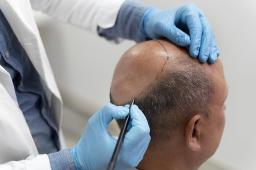
Three years ago, I sat in front of my bathroom mirror, frustrated and embarrassed. My hairline had been quietly creeping backward for nearly a decade, and no shampoo, supplement, or styling trick could hide it anymore. That was the day I typed "hair transplant near me" into Google for the first time.
What followed was months of research, dozens of consultations, and eventually — a procedure that genuinely changed my life. Today, I want to share everything I learned: what a hair transplant is, the real hair transplant cost, side effects no one warns you about, and what the before and after truly looks like beyond the polished clinic photos.
Before diving into my personal experience, let's answer the basics — what is hair transplant surgery, and how does it actually work?
A hair transplant is a minimally invasive surgical procedure in which healthy hair follicles are harvested from a "donor zone" — typically the back or sides of your scalp — and transplanted into areas experiencing thinning or baldness. Because these donor follicles are genetically programmed to resist hair loss hormones, they continue to grow after being relocated.
Two main techniques dominate the industry today:
FUE (Follicular Unit Extraction): The gold standard for most patients today. Individual follicles are removed one by one using a micro-punch tool and implanted into the recipient area. There's minimal scarring and recovery is quicker. This is what I had done.
FUT (Follicular Unit Transplantation): A strip of scalp is surgically removed from the donor area, dissected into individual grafts, then implanted. It allows more grafts in a single session but leaves a linear scar.
Your surgeon at the hair transplantation clinic will recommend the best technique based on your specific hair loss pattern, donor hair density, and lifestyle.
Before I committed, my biggest fear was: is hair transplant safe?
After extensive research and consultations with three different specialists, I felt confident that yes — hair transplant is safe when performed by a qualified, experienced surgeon at a reputable clinic. It's performed under local anesthesia, and you're awake throughout the process. There's no general anesthesia involved, which significantly reduces risk.
That said, "safe" doesn't mean risk-free. I want to be honest: there are potential hair transplant side effects, and you should know what they are before you go in.
What I experienced personally:
In the first 48 hours, I had noticeable swelling across my forehead. By day 3, it had mostly subsided, but it looked worse than I expected. I also developed small crusts around the transplanted follicles, which is completely normal but a little alarming at first.
Then came the dreaded shock loss — around week 3, the newly transplanted hair started falling out. My heart sank. But this is a well-documented and totally normal part of the process. The follicles are simply going dormant before entering a new growth phase.
Other side effects I experienced:
What I did NOT experience: infection, keloid scarring, or unnatural-looking placement — all risks that are largely mitigated by choosing a skilled surgeon.
The question I get asked most when people find out I had the procedure: is hair transplant permanent?
Short answer: yes. The transplanted hair follicles are taken from areas of the scalp that are genetically resistant to DHT — the hormone responsible for male (and female) pattern baldness. Once relocated, they retain their original genetic blueprint and continue producing hair for life.
But here's the important nuance: a hair transplant doesn't freeze your hairline forever. The native, non-transplanted hair around and behind your transplant can still thin over time. This is why many surgeons recommend supporting treatments like minoxidil or finasteride to maintain native hair density and protect your long-term results.
My transplanted hair? Still growing strong three years later. No signs of thinning. Worth every penny.
Let's talk money — because hair transplant cost is often the first thing people want to know, and it's also the area with the most misleading information online.
Here's what I learned:
Cost varies enormously by location. simply based on the clinic's country and city. The cheapest quote came from a clinic offering "hair transplant tourism" packages in Turkey, including flights and hotel. The most expensive was from a boutique clinic in a major US city.
Technique matters. FUE costs more than FUT because it's more labor-intensive and time-consuming. The precision required for each individual extraction commands a premium.
Red flag: suspiciously low prices. If a clinic is offering prices far below market rate, ask why. Inexperienced surgeons, poor hygiene standards, or subpar follow-up care are often the hidden costs. A botched transplant is far more expensive to fix than doing it right the first time.
Forget the dramatic transformation photos that show a full, thick head of hair just months after surgery. Here's the real before and after timeline:
Weeks 1–2: Healing phase. Scabbing, mild swelling, redness. You'll want to stay home.
Weeks 3–6: Shock loss phase. Transplanted hair falls out. Emotionally challenging, but completely normal.
Months 3–4: Tiny new hairs begin to emerge. Barely visible, but deeply exciting.
Months 5–7: Growth accelerates. Fine hairs start to thicken. You begin to see the shape of your new hairline.
Months 9–12: Major improvement visible. Friends start noticing. Confidence starts climbing.
Month 12–18: Full results. Dense, natural-looking hair. The transformation is complete.
My personal before and after? At month 14, a colleague who hadn't seen me in two years told me I looked "younger and more energetic." I didn't tell him why. I just smiled.
If you've been searching for "hair transplant near me" and feeling overwhelmed, here's how to filter through the noise:
Hair transplant treatment changed my life — and it could change yours too. It's safe, it's permanent, and when done well, the results are nothing short of extraordinary. Yes, the hair transplant cost is significant, and yes, there are side effects to manage. But for the right candidate, the investment in yourself pays dividends every single day.
Do your research. Find a trusted hair transplantation clinic. Ask the hard questions. And if you're on the fence — know that the version of you on the other side of recovery will be grateful you took the leap.
Your hair. Your confidence. Your decision.
| No comments yet. Be the first. |

