


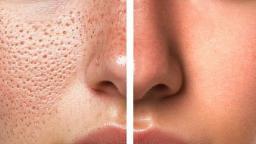
If you have ever looked closely in the mirror and noticed tiny dots scattered across your nose, cheeks, or forehead, you are not alone. Open pores are one of the most common skin concerns people face worldwide — and one of the most misunderstood. While they cannot be permanently erased, understanding the causes of open pores and the right open pores treatment can dramatically improve the appearance of your skin. This guide walks you through everything you need to know about open pores on face, from the reason for open pores to the best treatment for open pores available today.
Pores are tiny openings in your skin that house hair follicles and sebaceous (oil) glands. They are essential for skin health — they allow sebum (natural oil) to reach the skin surface, keeping it moisturised and protected. Open pores refer to pores that appear enlarged or clearly visible to the naked eye. Open pores skin looks rough-textured, uneven, and sometimes dull. They are most commonly seen on the nose, cheeks, chin, and forehead — areas with the highest concentration of oil glands.
Understanding the reason for open pores on face is the first step toward treating them effectively. Several factors contribute to visible open pores:
One of the primary causes of open pores is excess oil production. When sebaceous glands produce more oil than the skin needs, pores stretch to accommodate the sebum, making them appear larger. This is why people with oily or combination skin are more prone to visible open pores skin.
Genetics play a significant role in pore size. If your parents have large, visible open pores, you are more likely to have them too. Unfortunately, genetically determined pore size is harder to change — but proper skincare can still minimise their appearance significantly.
As we age, our skin loses collagen and elastin — the proteins that keep skin firm and tight. Without this support structure, the skin around pores begins to sag, making them appear stretched and more open. This is a major reason for open pores in people over 30, even if they did not previously struggle with them.
Prolonged sun exposure breaks down collagen and thickens the outer layer of skin, which can cause debris to collect around pores and make them appear larger. Sun damage is an often-overlooked cause of open pores on nose and cheeks.
When pores become clogged with dead skin cells, oil, and environmental pollutants, they physically stretch. Blackheads — which are oxidised plugs of oil and debris — are a visible sign of clogged, open pores on nose and chin. Without regular cleansing and exfoliation, this build-up makes pores look even more pronounced.
When it comes to the best treatment for open pores, a combination of professional procedures and consistent at-home care yields the best results. Here is a breakdown of the most effective treatment for open pores on face:
Chemical peels use acids such as glycolic acid, salicylic acid, or lactic acid to exfoliate the skin, unclog pores, and stimulate collagen production. They are one of the most recommended open pores treatment options by dermatologists for oily and acne-prone skin types. A series of peels can visibly reduce open pores on face within a few weeks.
Microneedling uses tiny needles to create micro-channels in the skin, triggering the body's natural collagen production. This collagen tightens the skin around pores, making them appear smaller. It is one of the most effective treatments for open pores that also improves overall skin texture, tone, and firmness.
Fractional laser treatments like CO2 laser or Fraxel target the deeper layers of skin to stimulate collagen and resurface the skin. This is considered the best treatment for open pores on nose and cheeks for those with significant sun damage or ageing-related pore enlargement. Results are long-lasting but typically require downtime.
HydraFacial and similar deep-cleansing facials use suction, exfoliation, and hydrating serums to remove debris from pores and improve skin hydration. These are gentle yet effective open pores solution options, particularly suited for sensitive skin or those new to professional skincare.
Knowing how to treat open pores on face does not always require a trip to the dermatologist. A consistent skincare routine using the right ingredients can significantly reduce open pores skin visibility:
Use a gentle, non-comedogenic cleanser morning and night to remove oil, dirt, and makeup that can clog and stretch pores. Double cleansing in the evening is especially effective for those who wear SPF or makeup.
Exfoliation is a cornerstone of any effective open pores solution. Use a BHA (salicylic acid) exfoliant 2–3 times per week to dissolve the oil and dead skin cells inside pores. Salicylic acid is oil-soluble, making it ideal for open pores on nose where sebum build-up is heaviest.
Retinol is widely regarded as one of the best ingredients to know how to get rid of open pores over time. It increases cell turnover, boosts collagen production, and reduces oil production — directly addressing the reason for open pores at a cellular level. Start with a low concentration and use it at night.
Niacinamide (Vitamin B3) regulates oil production and has been clinically shown to reduce the appearance of open pores skin. It also reduces inflammation and hyperpigmentation, making it an excellent all-round serum for open pores treatment.
Sunscreen is essential if you want to know how to prevent open pores from worsening. UV damage breaks down collagen and deepens the appearance of pores over time. Use a broad-spectrum SPF 30 or higher every day, even on cloudy days.
Prevention is always better than cure. Here is how to prevent open pores from becoming more visible:
Open pores are a common, natural, and manageable skin concern. While you cannot physically close a pore permanently — they are anatomical structures your skin needs — you absolutely can minimise their appearance with the right open pores treatment. From understanding the causes of open pores to choosing the best treatment for open pores based on your skin type, the path to smoother, more refined open pores skin is well within reach. Whether you opt for professional treatments like laser resurfacing and microneedling or build a consistent at-home routine with salicylic acid, retinol, and SPF, knowing how to get rid of open pores on face starts with informed, consistent effort. Take the first step today — your skin will thank you.
| No comments yet. Be the first. |

