


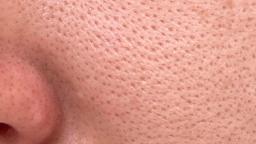
Open pores are the bane of many skincare routines — stubborn, highly visible, and seemingly impossible to treat. But here is the truth: with the right open pores solution and consistent care, you can dramatically reduce their appearance and achieve smoother, healthier-looking skin. Whether you are dealing with open pores on nose, forehead, or cheeks, this guide covers everything — from the underlying reason for open pores to the most effective open pores treatment strategies available in 2025.
Your skin has thousands of pores — tiny openings that allow oil and sweat to reach the surface. When these openings appear larger than usual, they are referred to as open pores. Open pores skin has a rough, uneven texture and can look dull even when well-moisturised. While open pores on face are most common in people with oily or combination skin, they can affect all skin types, especially with age. Understanding what causes open pores is essential to choosing the right treatment for open pores on face.
There is rarely a single reason for open pores on face — multiple factors typically work together. The most common causes of open pores include:
Oily skin is one of the top causes of open pores. When the sebaceous glands produce more oil than necessary, the excess sebum widens the pore opening to allow flow. This is especially visible on the nose, chin, and forehead — the classic T-zone. Open pores on nose are almost universally linked to high oil production in this area.
Your genes largely dictate your skin type and pore size. Hereditary pore size is one of the most common reasons for open pores that people often overlook. If large pores run in your family, you may need more intensive and consistent open pores treatment to manage their appearance.
Collagen and elastin fibres form a framework that supports the skin and keeps pores looking tight and small. After the age of 25, collagen production naturally declines. As the skin loses its structural support, pores begin to look more open and enlarged. This age-related change is a major reason for open pores in adults and is why anti-ageing and collagen-boosting treatments are among the most recommended open pores solutions.
UV rays are one of the most destructive forces your skin faces daily. Prolonged exposure damages collagen, thickens the stratum corneum (the outer skin layer), and contributes to pore enlargement. This is a significant cause of open pores in people who spend a lot of time outdoors without sun protection. Pollution also plays a role, depositing particulate matter inside pores and causing them to widen over time.
Irregular cleansing, not removing makeup, and skipping exfoliation are common reasons for open pores worsening over time. Dead skin cells and sebum accumulate inside pores, physically stretching them. This is particularly problematic around open pores on nose and chin where blackhead formation is most common.
When wondering how to get rid of open pores, the answer lies in a structured, daily skincare routine. Here is a step-by-step approach on how to treat open pores on face at home:
Start and end your day with a gentle foaming or gel cleanser suited to your skin type. For oily or acne-prone skin — the most common open pores skin type — look for cleansers containing salicylic acid, which penetrates into pores to dissolve oil. Thorough cleansing is the foundation of any open pores solution.
After cleansing, use a toner containing niacinamide, witch hazel, or glycolic acid. These ingredients tighten the appearance of open pores, reduce oil production, and exfoliate gently. Niacinamide in particular is backed by clinical research as an effective treatment for open pores on face with regular use.
Incorporate a salicylic acid (BHA) serum or exfoliant 2–3 times per week. BHAs are oil-soluble, meaning they penetrate deep into pores to clear out the debris that causes pore enlargement. This is one of the most direct answers to how to get rid of open pores on face at home.
Retinol remains one of the gold-standard ingredients in any open pores treatment plan. It increases skin cell turnover, reduces sebum production, and stimulates collagen — making it highly effective for open pores on face and neck. Use it at night, starting with a low concentration (0.025% to 0.05%) and building up slowly.
Many people with open pores skin skip moisturiser fearing it will clog pores further — but this is a mistake. Dehydrated skin over-produces oil, making pores look worse. Use a lightweight, oil-free, non-comedogenic moisturiser. Follow up every morning with a broad-spectrum SPF 30 or higher — this is one of the most important steps in how to prevent open pores from worsening over time.
For deeper, more lasting results, professional treatments offer significant improvements. Here are the best treatment for open pores options available at skin clinics:
The carbon laser peel is one of the most popular open pores treatments in Asia. A layer of liquid carbon is applied to the face, which penetrates deep into the pores. A laser is then passed over the skin, vaporising the carbon along with oil, dead cells, and impurities inside the pores. The result is a dramatic reduction in open pores on face, clearer skin, and a brighter complexion — often in just one session.
Radiofrequency microneedling delivers heat energy deep into the dermis to stimulate collagen production. This is considered one of the best treatment for open pores options for addressing both pore size and skin laxity simultaneously. Multiple sessions are typically recommended for optimal open pores solution.
For severe open pores skin with significant texture issues, fractional CO2 laser resurfacing removes the damaged outer layer and prompts deep collagen remodelling. It is particularly effective as a treatment for open pores on face when combined with sun damage repair.
Stronger versions of the at-home exfoliants mentioned above, professional chemical peels use higher concentrations of AHAs and BHAs to deliver more noticeable results. A series of peels over several weeks can significantly minimise open pores on nose, cheeks, and forehead.
Knowing how to prevent open pores from appearing or worsening is just as important as treating them. Build these habits into your daily life for long-term results:
Open pores are not a flaw — they are a feature of living, breathing skin. But if they affect your confidence or skin texture, know that there are effective, science-backed options to address them. From the root causes of open pores to the full spectrum of treatment for open pores on face — both at home and in-clinic — you now have the knowledge to build a skincare plan that works for your unique skin. Whether your goal is to minimise open pores on nose, reduce open pores skin texture across your cheeks, or simply understand the reason for open pores so you can prevent them from worsening, consistency is key. Start with the basics, stay sun-safe, and consult a dermatologist if you want to explore the best treatment for open pores for your skin type. Clear, refined, healthy skin is absolutely achievable.
For More Details : https://www.vcareskinclinic.com/open-pores.php
| No comments yet. Be the first. |

