


A hazardous gas leak at a large chemical processing facility forces operators to isolate critical control rooms while emergency response teams secure the affected area. Within seconds, protected ventilation systems activate, maintaining clean air and positive pressure inside occupied spaces. The facility continues operating safely because its air protection infrastructure was engineered to perform under extreme conditions. Similar situations across defence, energy, manufacturing, and public infrastructure have made advanced contamination control a growing priority worldwide.
A CBRN Filtration System has become an essential component of modern safety engineering for facilities exposed to nuclear, biological, and chemical risks. Originally associated with military installations and government shelters, these systems are now widely adopted across industrial sectors where uninterrupted operations and personnel safety are equally important. Their ability to maintain clean indoor air during hazardous events makes them a critical investment for resilient infrastructure.
A CBRN Filtration System is designed to remove radioactive particles, biological contaminants, toxic industrial chemicals, and hazardous gases from incoming air while maintaining a protected indoor environment. Unlike conventional HVAC systems, it combines advanced filtration, controlled airflow, environmental monitoring, and positive pressure operation to prevent contaminated air from entering occupied spaces.
As industrial facilities become more automated and interconnected, the consequences of airborne contamination extend beyond worker safety. Downtime, equipment damage, regulatory violations, and operational disruptions can all result from inadequate air protection.
For a technical understanding of how these systems integrate multi-stage filtration with contamination control engineering, this overview of CBRN Filtration System explains the principles behind modern protection solutions.
The effectiveness of a CBRN system depends on combining multiple filtration technologies rather than relying on a single filter.
A typical filtration sequence includes:
This layered approach provides reliable protection against a broad spectrum of airborne hazards.
The need for engineered contamination control has expanded well beyond military infrastructure.
Today, CBRN filtration technology supports:
Each environment presents unique operational risks, but all require dependable protection against airborne contamination.
Modern systems incorporate several advanced features that contribute to both emergency preparedness and everyday operational reliability.
Key capabilities include:
These engineering features help maintain safe indoor conditions even during extended contamination events.
Selecting the right filtration system requires a comprehensive engineering evaluation rather than a comparison of technical brochures.
Important considerations include:
Although searches for NBC air filtration system price or Nbc filtration system in Faridabad price are common during procurement, long-term operational value depends on system performance, reliability, and maintainability rather than initial acquisition cost.
Filtration media alone cannot guarantee protection.
Proper airflow distribution ensures that filtered air reaches every occupied space while maintaining positive pressure throughout the facility. Engineers carefully balance airflow rates, pressure differentials, occupancy levels, and structural leakage characteristics to create an effective contamination barrier.
Without this engineering approach, even high-quality filters may not provide the expected level of protection.
Manufacturer expertise plays a significant role in overall system reliability.
When evaluating the Top CBRN filtration system manufacturers in India or the Top NBC filtration system manufacturers in India, organizations should assess technical capability alongside manufacturing quality.
Key evaluation criteria include:
Experienced manufacturers are generally better equipped to deliver systems tailored to complex industrial environments.
Several avoidable mistakes can reduce the effectiveness of a filtration system.
These include:
Avoiding these issues helps ensure long-term reliability and consistent operational performance.
The growing adoption of CBRN Filtration System technology across industries reflects an increasing focus on infrastructure resilience, workforce protection, and operational continuity. Modern facilities face a wide range of airborne hazards, making engineered contamination control an essential element of risk management rather than a specialized defence capability.
Whether protecting an NBC filter for bunker, a petrochemical complex, a nuclear power station, or a critical manufacturing facility, the success of a filtration system depends on sound engineering, validated performance, regulatory compliance, and disciplined maintenance. By investing in high-quality design, experienced manufacturers, and long-term operational planning, organizations can strengthen emergency preparedness while ensuring safe, reliable environments for people and mission-critical operations.

A coastal airbase planner watches budget estimates roll in: two door options for a new transport hangar — a heavy vertical-lift system with blast-resistant reinforcement, or a simpler sliding system with modest automation. The cost differential isn’t just metal and motors; it reflects structural reinforcement, finishes for the marine environment, and lifecycle maintenance. For facilities managers and procurement teams, understanding what influences hangar door cost is essential to avoid shortfalls and ensure long-term performance.
A correctly specified hangar door matters because it’s one of the most capital-intensive components of any aircraft facility. Beyond initial purchase price, door selection drives foundation and header design, operational safety, and maintenance budgets. This article breaks down cost drivers and practical considerations so decision-makers can budget realistically and evaluate suppliers.
Hangar doors create the building’s primary access while resisting wind, weather, and operational loads. Common systems include sliding, vertical lift, bi-fold, and folding-panel doors. Mechanisms vary: tracks and rollers for sliding doors, counterweights or hydraulic actuators for vertical lifts, and synchronized drives for bi-folds. Costs reflect mechanical complexity, size, and required performance specifications.
Operational advantages that justify higher cost
Investing in higher-grade automation and robust design yields predictable cycle times and lower downtime. Energy-efficient insulated doors reduce HVAC loads in climate-controlled MROs. Blast-resistant or fire-rated doors protect critical assets and may be mandatory for defence projects.
Aircraft hangars for light general aviation have lower unit costs than military airbases or aerospace manufacturing plants that require blast protection, rapid opening profiles, and integration with security systems. Helicopter hangars may need taller clearances or sliding configurations that affect price. MRO facilities often prioritise automation and diagnostics, increasing initial investment but reducing long-term labor costs.
For project teams needing detailed technical options and certified performance data, review specialist manufacturer resources such as the technical pages on Hangar door solutions to compare integration and protective features against your specifications.
Hangar door cost extends far beyond the unit price. Dimensions, structural reinforcement, environmental ratings, automation, and certification are primary cost drivers. Evaluate suppliers on engineering capability, installation services, and lifecycle support to ensure the chosen door protects aircraft, maintains uptime, and minimises total cost of ownership. Making informed procurement decisions early prevents costly retrofits and secures long-term facility performance.
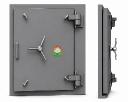
Blast resistant doors in India's critical infrastructure — from DRDO facilities to AIIMS Jammu to DLF commercial towers — used to mean industrial steel vaults that clashed with interior design. Today, facility managers and procurement teams can specify doors that protect against 0.5–26 bar overpressure while matching wood finishes, modern aesthetics, or corporate branding. This article explains what customization options exist, where engineering limits kick in, and how Indian buyers can balance safety with design intent without compromising STANAG 2280 certification.
A blast door accepts custom finishes (wood veneer, powder coating, stainless steel cladding) while maintaining blast rating, provided the core steel plate (8–25mm thick) and I-beam reinforcement stay unchanged. Customization adds ₹3,000–₹8,000/sqm and 2–4 weeks to lead time, with SS316 cladding lasting 30+ years in coastal conditions.
Blast resistant doors absorb explosive pressure through a reinforced steel core: solid homogeneous plates (8–25mm) with internal I-beam stiffeners engineered for 0.5–26 bar peak reflected overpressure. Custom finishes are non-structural cladding applied to the steel surface, separated from the load-bearing system by adhesive bonding layers.
The engineering breakdown works like this:
Sigma Power Tech Blast Door systems separate structural and aesthetic layers, allowing finish changes without re-certification. However, added weight beyond 200kg per leaf requires hinge re-rating for 50,000+ cycle performance.
Technical Note: For coastal facilities (Mumbai, Chennai, Vizag), specify SS316 cladding over wood veneer. Salt spray degrades wood within 3–5 years, while SS316 maintains appearance for 20–30 years with minimal maintenance.
Different sectors in India prioritize aesthetics differently. Defence installations and PSU refineries (Indian Oil, BPCL, NTPC) focus on raw performance — appearance is secondary. However, commercial complexes (DLF, Lulu Mall), hospitals (AIIMS), and VIP residences in Mumbai/Delhi/Bangalore require security blended with interior design.
NBC 2016 smart building mandates push for architectural integration in commercial and residential projects. A 2.5m × 2.5m blast proof door at 10 bar rating can accept wood veneer, high-pressure laminate, or powder-coated cladding without reducing blast resistance, provided added weight stays within hinge capacity. A blast proof door manufacturers in India supplier like Sigma Power Tech offers double-leaf configurations with concealed hinges matching surrounding architecture.
Custom finishes add ₹3,000–₹8,000/sqm to blast door price. Wood veneer adds ₹4,000–₹6,000/sqm, powder coating adds ₹2,000–₹4,000/sqm, and SS316 cladding adds ₹6,000–₹8,000/sqm. Lead time extends from 6–10 weeks (standard) to 8–14 weeks (customized).
Facility managers and EPC contractors frequently make specification errors that compromise long-term performance or void certification:
Mistake 1: Choosing finishes that exceed weight limits
Vinyl wraps, thick stone cladding (10mm+), or heavy tiles add 50–80kg beyond hinge capacity. Hinges fail after 3–5 years in high-traffic facilities, causing misalignment and blast rating voidance. Only finishes under 5mm thickness and 40kg weight are safe without structural re-engineering.
Mistake 2: Ignoring fire rating compatibility with veneer
Blast doors often double as FD60/FD120 fire-rated doors per NBC 2016. Wood veneer must be fire-treated (IS 9664 compliance) to maintain fire rating. Untreated veneer reduces fire resistance from 120 minutes to 30–45 minutes, violating IS 9664 and NBC 2016 Part 4.
Mistake 3: Rushing curing and acclimatization timelines
Powder coating requires 24–48 hours curing at 180°C. Wood veneer needs 5–7 days acclimatization to Indian humidity (70–90% RH). Rushing causes bubbles, peeling, or delamination within 6–12 months, requiring ₹15,000–₹40,000 repairs.
For a deeper technical overview of blast resistant doors, including relevant engineering specifications and standards, review the Blast resistant doors resource from Sigma Power Tech.
FAQ
Q: What is a blast resistant door and can it be customized for decor?
A: A blast resistant door is a reinforced steel barrier engineered to withstand explosive pressure waves from 0.5–26 bar overpressure, using solid homogeneous steel plates with I-beam reinforcement. Yes, it accepts wood veneer, powder coating, or stainless steel cladding while maintaining STANAG 2280 certification, provided core steel thickness (8–25mm) stays unchanged and added weight remains under 200kg per leaf.
Q: What standards apply to customized blast doors in India?
A: Customized blast doors must meet STANAG 2280 (NATO) for blast certification, NBC 2016 Part 4 for fire safety, and IS 9664 for fire-treated wood veneer. Fire-treated veneer is mandatory to maintain FD120 rating. For coastal facilities, ASTM A775 epoxy coating or SS316 cladding ensures 20+ year corrosion resistance.
Q: How much does custom finishing add to blast door price and delivery time?
A: Custom finishes add ₹3,000–₹8,000/sqm to blast door price and 2–4 weeks to lead time. Wood veneer adds ₹4,000–₹6,000/sqm (2–3 weeks), powder coating adds ₹2,000–₹4,000/sqm (1 week), SS316 cladding adds ₹6,000–₹8,000/sqm (3–4 weeks). Total delivery is 8–14 weeks for customized vs. 6–10 weeks for standard doors.
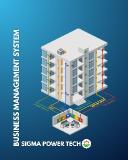
Ever wondered what makes a smart building tick? A Building Management System is the behind-the-scenes hero, coordinating everything from air flow to lighting. In this post, we'll unpack the key components of a Building Management System, showing how they team up to keep offices efficient and comfortable—perfect for busy setups in places like Delhi.
Building managers often scratch their heads over uneven temperatures or surprise energy spikes. A Building Management System solves that by linking its parts into one smooth operation. Knowing these pieces helps you pick the right setup and spot value from a solid BMS company.
Studies from building experts highlight that offices with a full BMS system see energy savings of 20-30%. It's not magic—it's these components working hand in hand as a reliable BMS building maintenance system. Let's dive in.
Sensors are the starting point in any Building Management System. These small devices dot your building, watching temperature, humidity, motion, and even light levels. When a meeting room fills up, occupancy sensors notice and signal the rest of the BMS system to adjust cooling or lights.
In commercial spaces, they're lifesavers. No more guessing if a hallway's empty—the Building Management System knows and acts. A good BMS company like Sigma Power Tech picks durable sensors built for India's dusty, humid conditions, ensuring they last.
One report notes sensors alone can cut lighting waste by 15% in offices. Simple yet powerful.
Next up are controllers, the brains of your Building Management System. They grab data from sensors and crunch it against your rules—like "keep lobbies at 23°C during business hours." Then, they send orders to fans, valves, or switches.
Think of them as traffic cops in a BMS system, directing flow without jams. In larger buildings, multiple controllers handle zones, making the whole BMS building maintenance system flexible. Sigma Power Tech customizes these for seamless fits, avoiding common setup headaches.
Industry data shows controllers boost response times by 40%, keeping everything steady.
No Building Management System shines without software. This is the user-friendly hub—a screen or app—where you see real-time stats, set schedules, and get alerts. Spot a power hog in the basement? Tweak it from your desk.
Modern BMS systems often go cloud-based, letting remote checks for multi-site owners. As part of a BMS building maintenance system, it logs trends, helping predict busy seasons. Clients tell us this visibility alone drops surprise costs by 25%.
A trusted BMS company ensures intuitive interfaces—no steep learning curves.
Sensors sense, controllers decide—actuators do the work in a Building Management System. These are motors, dampers, and relays that physically change things: opening vents, dimming bulbs, or locking doors.
In daily use, they keep comfort spot-on. Hot day? Actuators ramp up AC precisely. This precision in a BMS system prevents overkill, saving energy noted at 30% in user studies.
Sigma Power Tech integrates these reliably, so your Building Management System feels effortless.
What glues everything? Networks. In a Building Management System, wires or wireless links carry data between sensors, controllers, and software. Protocols like BACnet keep it all talking the same language.
For big commercial buildings, robust networks mean no blind spots. Downtime drops as the BMS building maintenance system stays connected. One survey found networked setups reduce faults by 35%.
Top BMS companies future-proof these for easy expansions, like adding EV chargers later.
People forget this, but the interface—keyboards, touch panels, apps—is vital in a Building Management System. It lets staff override autos, like boosting heat for a late event.
User-friendly designs mean quick training. In India’s fast offices, this keeps teams productive. As a BMS system feature, mobile access shines for on-the-go managers.
Reports show intuitive interfaces cut errors by 20%, proving ease matters.
Offices battle waste, discomfort, and breakdowns. A full Building Management System fixes them:
Delhi clients using our setups report 28% savings first year. Real wins from smart parts.
Not all pieces fit every building. A BMS company assesses your space—size, age, needs—then matches components. Scalable? Check. Compatible with old gear? Essential.
Sigma Power Tech stands out, blending global standards with local tweaks. We handle installs with zero downtime, backing it with support.
Payback? Often 2 years, per facility studies.
Keep components sharp with checks. Clean sensors, update software yearly. A BMS system thrives on this, extending life.
As a BMS building maintenance system, built-in diagnostics help. Partner with a BMS company for plans—prevent big fixes.
The key components of a Building Management System—sensors, controllers, software, actuators, networks, and interfaces—create efficiency magic. Your BMS system runs lean, saving cash and stress.
Don't settle for patchwork fixes. As your go-to BMS company, Sigma Power Tech delivers complete Building Management System solutions. Ready to upgrade? Let's chat—your building's potential awaits.