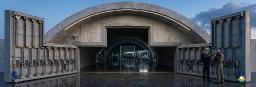
A coastal airbase planner watches budget estimates roll in: two door options for a new transport hangar — a heavy vertical-lift system with blast-resistant reinforcement, or a simpler sliding system with modest automation. The cost differential isn’t just metal and motors; it reflects structural reinforcement, finishes for the marine environment, and lifecycle maintenance. For facilities managers and procurement teams, understanding what influences hangar door cost is essential to avoid shortfalls and ensure long-term performance.
A correctly specified hangar door matters because it’s one of the most capital-intensive components of any aircraft facility. Beyond initial purchase price, door selection drives foundation and header design, operational safety, and maintenance budgets. This article breaks down cost drivers and practical considerations so decision-makers can budget realistically and evaluate suppliers.
What a hangar door is and how it works
Hangar doors create the building’s primary access while resisting wind, weather, and operational loads. Common systems include sliding, vertical lift, bi-fold, and folding-panel doors. Mechanisms vary: tracks and rollers for sliding doors, counterweights or hydraulic actuators for vertical lifts, and synchronized drives for bi-folds. Costs reflect mechanical complexity, size, and required performance specifications.
Key engineering principles affecting cost
- Clear-span and headroom: Larger aircraft require wider and taller doors, increasing material, reinforcement, and drive capacity costs.
- Structural integration: Heavier doors transfer loads to primary structure. Reinforced lintels, foundations, and anchorage add civil work expenses.
- Environmental loadings: Higher wind- and snow-load ratings require stronger panels, stiffer frames, and more robust latching systems.
- Safety and certification: Fire, blast, or seismic requirements add certified components and testing costs.
Cost breakdown (high-level)
- Base hardware: panels, frames, rollers, tracks, and fasteners — varies with size and material grade.
- Drives and controls: electric motors, hydraulic units, PLCs, and safety interlocks; redundancy raises price.
- Structural works: reinforced beams, anchor plates, foundations, and roof interface details.
- Sealing and insulation: weather seals, thermal breaks, and insulated panels for climate control.
- Finishes and corrosion protection: galvanizing, powder coatings, or stainless components for coastal or industrial sites.
- Installation and commissioning: crane hire, skilled labour, alignment, load testing, and programming.
- Testing and certification: wind-load tests, fire/blast certification (if required), and documentation.
- Maintenance provisions: spare parts, service contracts, and remote diagnostic setups.
Operational advantages that justify higher cost
Investing in higher-grade automation and robust design yields predictable cycle times and lower downtime. Energy-efficient insulated doors reduce HVAC loads in climate-controlled MROs. Blast-resistant or fire-rated doors protect critical assets and may be mandatory for defence projects.
Key features that drive value
- Structural strength: higher yield materials and reinforced framing increase capacity but add cost.
- Corrosion resistance: materials and coatings for longevity in corrosive environments.
- Wind-load resistance: certified ratings require stiffer sections and robust latches.
- Durability: heavy-duty rollers, bearings, and guides reduce replacement frequency.
- Weather protection: continuous seals and thresholds protect interiors and aircraft finishes.
- Automation systems: programmable drives, remote control, and diagnostics influence lifecycle efficiency.
- Energy efficiency: insulated panel construction improves operational savings.
- Low maintenance: modular components and accessible designs lower service costs.
- Large clear-span access: eliminates interior columns but increases door engineering complexity.
- Security performance: hardened locks and monitoring add to upfront cost.
Applications and their cost implications
Aircraft hangars for light general aviation have lower unit costs than military airbases or aerospace manufacturing plants that require blast protection, rapid opening profiles, and integration with security systems. Helicopter hangars may need taller clearances or sliding configurations that affect price. MRO facilities often prioritise automation and diagnostics, increasing initial investment but reducing long-term labor costs.
Cost-influencing project factors
- Door dimensions and tolerances
- Material selection and finish
- Customization (blast-proofing, special seals)
- Automation complexity and redundancy
- Local wind, snow, and seismic requirements
- Installation difficulty and site access
- Manufacturing precision and quality control
- Warranty, spare parts, and service agreements
Buyer’s guide: selecting suppliers and estimating total cost
- Industry experience: prefer suppliers with aviation and defence project references.
- Engineering capability: verify structural and mechanical design expertise.
- Manufacturing standards: look for quality certifications and material traceability.
- Compliance: request wind, fire, and blast ratings where relevant.
- Installation services: turnkey contractors reduce interface risk.
- Technical support: ask about commissioning, training, and remote diagnostics.
- Maintenance support: evaluate spare-parts availability and service SLAs.
- Long-term reliability: get lifecycle cost estimates rather than lowest capital price.
Common mistakes to avoid
- Buying solely on initial price without accounting for civil modifications.
- Ignoring local environmental exposure and corrosion factors.
- Selecting a door type without checking taxiway geometry or aircraft mix.
- Under-provisioning automation and safety redundancies.
- Failing to budget for commissioning tests and spare parts.
For project teams needing detailed technical options and certified performance data, review specialist manufacturer resources such as the technical pages on Hangar door solutions to compare integration and protective features against your specifications.
Conclusion
Hangar door cost extends far beyond the unit price. Dimensions, structural reinforcement, environmental ratings, automation, and certification are primary cost drivers. Evaluate suppliers on engineering capability, installation services, and lifecycle support to ensure the chosen door protects aircraft, maintains uptime, and minimises total cost of ownership. Making informed procurement decisions early prevents costly retrofits and secures long-term facility performance.