


A hazardous gas leak at a large chemical processing facility forces operators to isolate critical control rooms while emergency response teams secure the affected area. Within seconds, protected ventilation systems activate, maintaining clean air and positive pressure inside occupied spaces. The facility continues operating safely because its air protection infrastructure was engineered to perform under extreme conditions. Similar situations across defence, energy, manufacturing, and public infrastructure have made advanced contamination control a growing priority worldwide.
A CBRN Filtration System has become an essential component of modern safety engineering for facilities exposed to nuclear, biological, and chemical risks. Originally associated with military installations and government shelters, these systems are now widely adopted across industrial sectors where uninterrupted operations and personnel safety are equally important. Their ability to maintain clean indoor air during hazardous events makes them a critical investment for resilient infrastructure.
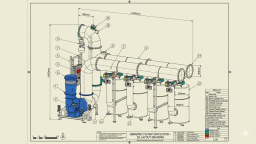
A CBRN Filtration System is designed to remove radioactive particles, biological contaminants, toxic industrial chemicals, and hazardous gases from incoming air while maintaining a protected indoor environment. Unlike conventional HVAC systems, it combines advanced filtration, controlled airflow, environmental monitoring, and positive pressure operation to prevent contaminated air from entering occupied spaces.
As industrial facilities become more automated and interconnected, the consequences of airborne contamination extend beyond worker safety. Downtime, equipment damage, regulatory violations, and operational disruptions can all result from inadequate air protection.
For a technical understanding of how these systems integrate multi-stage filtration with contamination control engineering, this overview of CBRN Filtration System explains the principles behind modern protection solutions.
The effectiveness of a CBRN system depends on combining multiple filtration technologies rather than relying on a single filter.
A typical filtration sequence includes:
This layered approach provides reliable protection against a broad spectrum of airborne hazards.
The need for engineered contamination control has expanded well beyond military infrastructure.
Today, CBRN filtration technology supports:
Each environment presents unique operational risks, but all require dependable protection against airborne contamination.
Modern systems incorporate several advanced features that contribute to both emergency preparedness and everyday operational reliability.
Key capabilities include:
These engineering features help maintain safe indoor conditions even during extended contamination events.
Selecting the right filtration system requires a comprehensive engineering evaluation rather than a comparison of technical brochures.
Important considerations include:
Although searches for NBC air filtration system price or Nbc filtration system in Faridabad price are common during procurement, long-term operational value depends on system performance, reliability, and maintainability rather than initial acquisition cost.
Filtration media alone cannot guarantee protection.
Proper airflow distribution ensures that filtered air reaches every occupied space while maintaining positive pressure throughout the facility. Engineers carefully balance airflow rates, pressure differentials, occupancy levels, and structural leakage characteristics to create an effective contamination barrier.
Without this engineering approach, even high-quality filters may not provide the expected level of protection.
Manufacturer expertise plays a significant role in overall system reliability.
When evaluating the Top CBRN filtration system manufacturers in India or the Top NBC filtration system manufacturers in India, organizations should assess technical capability alongside manufacturing quality.
Key evaluation criteria include:
Experienced manufacturers are generally better equipped to deliver systems tailored to complex industrial environments.
Several avoidable mistakes can reduce the effectiveness of a filtration system.
These include:
Avoiding these issues helps ensure long-term reliability and consistent operational performance.
The growing adoption of CBRN Filtration System technology across industries reflects an increasing focus on infrastructure resilience, workforce protection, and operational continuity. Modern facilities face a wide range of airborne hazards, making engineered contamination control an essential element of risk management rather than a specialized defence capability.
Whether protecting an NBC filter for bunker, a petrochemical complex, a nuclear power station, or a critical manufacturing facility, the success of a filtration system depends on sound engineering, validated performance, regulatory compliance, and disciplined maintenance. By investing in high-quality design, experienced manufacturers, and long-term operational planning, organizations can strengthen emergency preparedness while ensuring safe, reliable environments for people and mission-critical operations.
| No comments yet. Be the first. |
