
Effluent Treatment Plants (ETPs) play a critical role in managing industrial wastewater before it is discharged or reused. These plants handle a wide range of corrosive, chemically aggressive, and contaminated fluids, making the selection of piping materials a vital engineering decision. Among various piping solutions available today, industrial UPVC pipe fittings have emerged as a reliable and cost-effective choice for effluent treatment systems.
This blog explores why UPVC pipe fittings are widely preferred in effluent treatment plants, their advantages over conventional materials, and how they contribute to safe, efficient, and long-term plant operations.
Effluent treatment plants are exposed to harsh operating conditions, including:
Traditional metal fittings often fail in such environments due to corrosion, scaling, leakage, and frequent maintenance requirements. This has driven industries to adopt UPVC (Unplasticized Polyvinyl Chloride) pipe fittings as a corrosion-resistant alternative.
UPVC pipe fittings are rigid thermoplastic components used to connect, redirect, or control fluid flow in piping systems. Unlike metal fittings, UPVC does not corrode, rust, or react with most industrial chemicals.
Common UPVC fittings used in ETPs include:
These fittings are designed to ensure leak-free joints, smooth flow, and long-term reliability.
Effluent streams often contain a mix of acids, alkalis, salts, and chemical residues. UPVC pipe fittings offer outstanding resistance to these substances, preventing corrosion-related failures common in metal systems.
This makes UPVC fittings suitable for both primary treatment and secondary treatment pipelines.
UPVC fittings are compatible with a wide range of chemicals used in effluent treatment, including:
Their chemical inertness ensures consistent performance without material degradation.
Leakage in effluent treatment systems can lead to environmental hazards and operational inefficiencies. UPVC pipe fittings are precision-molded to ensure:
This reliability is critical for continuous plant operation.
UPVC fittings are significantly lighter than metal fittings, offering several benefits:
This is especially advantageous for large-scale ETP installations and retrofit projects.
The smooth bore of UPVC fittings minimizes friction losses and prevents the buildup of sludge and deposits. This helps in:
Since UPVC does not rust or scale, maintenance requirements are minimal. Benefits include:
For ETP operators, this translates into lower operating costs over the system’s lifecycle.
Compared to stainless steel or special alloy fittings, UPVC pipe fittings offer:
This makes UPVC an economically attractive option for both new ETP projects and system upgrades.
UPVC fittings are used across various sections of an effluent treatment plant, including:
Their versatility allows them to support multiple treatment stages efficiently.
|
Parameter |
UPVC Pipe Fittings |
Metal Fittings |
|
Corrosion Resistance |
Excellent |
Poor to Moderate |
|
Weight |
Lightweight |
Heavy |
|
Maintenance |
Low |
High |
|
Chemical Compatibility |
High |
Limited |
|
Service Life |
Long |
Shorter |
|
Lifecycle Cost |
Low |
High |
This comparison clearly highlights why UPVC pipe fittings are preferred in effluent treatment applications.
Compliance with Industrial Standards
Industrial UPVC pipe fittings are manufactured in accordance with international quality and performance standards, ensuring reliability in demanding applications. This makes them suitable for:
At Petron Thermoplast, we offer a comprehensive range of industrial UPVC pipe fittings engineered for effluent treatment applications. Our fittings are designed to deliver:
We support EPC contractors, OEMs, and industrial operators with dependable piping solutions.
By choosing UPVC pipe fittings, effluent treatment plants benefit from:
These advantages align with modern environmental compliance and sustainability goals.
Effluent treatment plants require piping systems that can withstand harsh chemicals, continuous operation, and demanding environmental conditions. Industrial UPVC pipe fittings by Petron Thermoplast offer an ideal combination of corrosion resistance, cost efficiency, ease of installation, and long service life. For industries looking to build or upgrade reliable effluent treatment systems, UPVC pipe fittings provide a safe, economical, and future-ready solution.

Chemical pipeline systems operate under some of the most demanding conditions in modern industry. They handle aggressive acids, alkalis, solvents, and high-purity fluids while running continuously under pressure and temperature variations. In such environments, backflow prevention is critical to ensure safety, process stability, and equipment protection. This is where PVDF Non Return Valves have become a trusted solution for chemical pipeline systems worldwide.
Known for their exceptional chemical resistance, long service life, and reliable sealing performance, PVDF non return valves are specifically engineered to meet the challenges of corrosive and high-purity chemical applications. In this blog, we explore why PVDF NRVs are the preferred choice for chemical pipelines and how choosing the right supplier ensures long-term operational reliability.
A non return valve, also known as a check valve, allows fluid to flow in one direction while automatically preventing reverse flow. In chemical pipelines, this function is essential to avoid contamination, pressure surges, equipment damage, and safety hazards.
PVDF (Polyvinylidene Fluoride) is a high-performance fluoropolymer widely used in chemical processing due to its outstanding resistance to corrosive media. When used in non return valves, PVDF delivers a combination of mechanical strength, chemical inertness, and thermal stability that few other materials can match.
PVDF non return valves are available in various designs such as wafer type, ball check, swing check, and spring-loaded configurations, allowing them to be integrated into diverse chemical pipeline layouts.
Chemical pipelines face challenges that standard valve materials often cannot handle over long periods. These challenges include continuous exposure to aggressive chemicals, elevated temperatures, pressure fluctuations, and strict safety requirements.
PVDF non return valves are designed specifically to meet these requirements, making them a trusted component in critical chemical systems.
The most important reason PVDF non return valves are trusted in chemical pipelines is their exceptional chemical resistance. PVDF is resistant to a wide range of aggressive chemicals, including:
Unlike metal valves that corrode or elastomer-lined valves that degrade over time, PVDF maintains its chemical integrity. This prevents internal erosion, leakage, and contamination, ensuring safe and consistent operation in chemical environments.
In chemical processing plants, reverse flow can cause serious problems such as chemical mixing, equipment damage, and safety incidents. PVDF non return valves provide automatic and reliable backflow prevention without the need for manual intervention.
Their precision-engineered internal components ensure:
This reliability is crucial in dosing lines, transfer pipelines, and process circulation systems where precise flow control is essential.
Chemical pipelines often operate at elevated temperatures, especially in reaction processes, heated transfer lines, and cleaning cycles. PVDF non return valves typically offer operating temperature capabilities up to 120°C, depending on design and pressure ratings.
This thermal stability ensures:
As a result, PVDF NRVs maintain performance even in chemical systems exposed to fluctuating temperatures.
Despite being a thermoplastic material, PVDF exhibits high mechanical strength. PVDF non return valves are capable of handling industrial pressure ratings commonly required in chemical pipelines.
Their robust construction provides:
This makes them suitable for both low-pressure dosing systems and higher-pressure chemical transfer pipelines.
Leakage in chemical pipelines can lead to environmental hazards, safety risks, and costly downtime. PVDF non return valves are designed with precision sealing surfaces and high-quality elastomers, ensuring tight shut-off performance.
Key sealing advantages include:
This leak-free operation supports compliance with environmental and safety regulations in chemical plants.
Compared to metal check valves, PVDF non return valves are lightweight, which simplifies installation and maintenance. This offers significant advantages in large-scale chemical plants and EPC projects.
Installation benefits include:
For complex chemical pipeline networks, these benefits contribute to overall project efficiency and cost savings.
Chemical pipeline systems are designed for continuous operation with minimal shutdowns. PVDF non return valves are virtually maintenance-free due to their corrosion-resistant nature.
They do not suffer from:
As a result, PVDF NRVs deliver a long service life, reducing the need for frequent replacements and lowering total lifecycle costs.
PVDF non return valves are widely used across chemical and process industries, including:
Chemical Manufacturing Plants
Used in acid, alkali, and solvent transfer lines to prevent reverse flow and contamination.
Water & Wastewater Treatment
Ideal for chemical dosing systems, chlorination lines, and treatment processes.
Pharmaceutical & Specialty Chemicals
Ensures purity and prevents cross-contamination in sensitive processes.
Power Plants
Used in chemical injection and auxiliary systems exposed to corrosive media.
Semiconductor & Electronics Industry
Preferred for high-purity chemical handling and clean process pipelines.
To meet diverse chemical pipeline requirements, PVDF non return valves are available in multiple designs:
Each design offers specific advantages depending on flow characteristics, installation space, and pressure conditions.
The performance of PVDF non return valves depends heavily on material quality, manufacturing precision, and testing standards. A reliable supplier ensures:
Choosing a trusted supplier is essential for ensuring long-term reliability in chemical pipeline systems.
Petron Thermoplast is a trusted supplier of industrial PVDF non return valves, offering solutions engineered for chemical pipeline systems.
Key Advantages of Petron Thermoplast:
With a strong focus on performance and reliability, Petron Thermoplast supports chemical industries with valves designed for safe and continuous operation.
Chemical pipeline systems require components that deliver absolute reliability, chemical resistance, and long-term durability. PVDF non return valves have earned their reputation as a trusted solution by consistently performing under harsh chemical conditions.
Their ability to prevent backflow, resist aggressive media, handle temperature and pressure variations, and operate with minimal maintenance makes them indispensable in modern chemical plants. By selecting high-quality PVDF non return valves from a trusted supplier, industries can ensure process safety, operational efficiency, and long-term cost savings. For chemical pipelines where failure is not an option, PVDF non return valves remain the trusted choice for dependable and secure flow control.
In industrial environments where chemicals, water, and aggressive liquids must be stored safely over long periods, the quality and structural integrity of storage tanks are critical. Failures such as leakage, deformation, or corrosion can lead to serious safety risks, environmental damage, and costly downtime. This is why industries increasingly prefer FRP storage tanks—a solution engineered for strength, corrosion resistance, and long-term reliability.
When you buy FRP (Fiber Reinforced Plastic) storage tanks with proven structural integrity, you invest in safety, durability, and operational confidence. Petron Thermoplast supplies industrial-grade FRP storage tanks designed to meet the demanding requirements of chemical plants, water treatment facilities, power projects, and large-scale EPC installations.
FRP storage tanks are composite structures manufactured using high-strength fiberglass reinforcements combined with chemically resistant resin systems. This combination delivers exceptional mechanical strength while maintaining lightweight characteristics.
Unlike traditional metal tanks, FRP tanks do not rust, corrode, or scale. Their structural design allows them to withstand harsh chemicals, outdoor exposure, and continuous industrial operation without compromising safety.
Structural integrity refers to a tank’s ability to maintain its shape, strength, and leak-proof performance throughout its service life. In industrial storage applications, this is essential to:
FRP storage tanks are engineered specifically to address these challenges, making them a trusted solution for critical applications.
FRP tanks are reinforced with fiberglass layers that provide excellent tensile and flexural strength. This reinforcement ensures the tank can handle mechanical stress and large storage volumes without deformation.
The choice of resin plays a major role in tank durability. FRP tanks are manufactured using resins selected based on the stored media, ensuring resistance to acids, alkalis, salts, and industrial chemicals.
Precision manufacturing ensures consistent wall thickness throughout the tank, eliminating weak points and enhancing long-term reliability.
FRP tanks are designed with seamless construction and properly engineered joints, minimizing the risk of leakage during operation.
Corrosion Resistance
Unlike steel or concrete tanks, FRP tanks are immune to corrosion, even in highly aggressive environments.
Lightweight with High Strength
FRP tanks offer a high strength-to-weight ratio, making transportation and installation easier without compromising durability.
Long Service Life
With proper design and material selection, FRP storage tanks can deliver decades of reliable performance.
Low Maintenance
No painting, coating, or anti-corrosion treatment is required, significantly reducing maintenance costs.
Chemical Processing Plants
FRP storage tanks are widely used to store acids, alkalis, solvents, and process chemicals where material compatibility is critical.
Water & Wastewater Treatment
Used for storing raw water, treated water, chemicals, and effluents in municipal and industrial treatment plants.
Power Plants
FRP tanks support chemical dosing, cooling water systems, and auxiliary processes.
Metal Treatment & Pickling Units
Hydrochloric acid and other aggressive chemicals require storage tanks with exceptional corrosion resistance.
Industrial Effluent Treatment Plants
FRP tanks safely handle corrosive effluents without degradation.
Large-scale industrial and EPC projects often require custom-designed FRP storage tanks. Petron Thermoplast offers:
These custom features ensure tanks integrate seamlessly into complex industrial systems.
To ensure proven structural integrity, FRP storage tanks undergo strict quality checks, including:
These measures ensure every tank meets industrial performance expectations.
Even the best FRP tank must be properly designed and installed to perform reliably. Factors such as foundation design, load distribution, and correct handling during installation play a crucial role in long-term performance.
Petron Thermoplast provides technical guidance to ensure tanks are installed correctly and perform as intended.
Investing in FRP storage tanks with proven structural integrity delivers significant long-term benefits:
These advantages make FRP tanks a cost-effective solution for industrial storage needs.
Petron Thermoplast is a trusted supplier of industrial FRP storage tanks, serving domestic and international markets. Our strengths include:
We focus on delivering storage solutions that meet the highest standards of safety and performance.
For EPC contractors and industrial clients, Petron Thermoplast provides end-to-end support:
This comprehensive approach ensures project success from planning to commissioning.
Environmental and Safety Compliance
FRP storage tanks help industries meet environmental and safety regulations by offering secure containment and minimizing leakage risks. Their durability and resistance to chemical attack support sustainable industrial operations.
When storing corrosive or critical industrial liquids, structural integrity is non-negotiable. FRP storage tanks provide the strength, chemical resistance, and reliability required for safe, long-term storage in demanding environments. By choosing to buy FRP storage tanks with proven structural integrity from Petron Thermoplast, industries gain a trusted storage solution backed by engineering expertise, quality manufacturing, and dependable support. Whether for chemical plants, water treatment facilities, or large EPC projects, our FRP tanks deliver performance you can rely on for years to come.

In modern industrial piping systems, dependable shut-off performance is critical for safety, efficiency, and operational continuity. Among various flow control solutions, UPVC butterfly valves have emerged as a preferred choice for industries requiring corrosion resistance, lightweight construction, and cost-effective reliability. Designed to handle aggressive fluids and continuous operations, premium UPVC butterfly valves provide consistent isolation and long service life.
Petron Thermoplast offers premium UPVC butterfly valves engineered to deliver reliable shut-off performance across chemical processing, water treatment, utilities, and industrial applications.
Understanding UPVC Butterfly Valves
A UPVC (Unplasticized Polyvinyl Chloride) butterfly valve is a quarter-turn valve that uses a rotating disc to control or isolate flow. When the disc is aligned with the flow, fluid passes freely; when rotated 90 degrees, the disc creates a tight seal to stop flow completely.
UPVC butterfly valves are especially valued in industrial systems where metal valves may corrode or add unnecessary weight and cost. Their compact design and simple operation make them ideal for both new installations and retrofit projects.
Why Reliable Shut-Off Matters in Industrial Systems?
Reliable shut-off is essential to:
Premium UPVC butterfly valves are designed to provide bubble-tight sealing and smooth operation, even under continuous industrial use.
Key Advantages of Premium UPVC Butterfly Valves
UPVC offers outstanding resistance to acids, alkalis, salts, and chemical solutions, making these valves ideal for chemical plants and water treatment facilities.
Compared to metal valves, UPVC butterfly valves are significantly lighter, reducing handling effort and installation time, especially in large-diameter pipelines.
High-quality elastomeric seals such as EPDM or FKM (Viton) ensure reliable sealing and prevent leakage even after repeated operation.
UPVC valves do not rust or scale, resulting in minimal maintenance and lower lifecycle costs.
UPVC butterfly valves provide excellent performance at a competitive cost, making them ideal for large-scale industrial and EPC projects.
Design Features That Ensure Reliable Shut-Off
Premium UPVC butterfly valves from Petron Thermoplast are engineered with advanced design features:
Types of UPVC Butterfly Valves Available
Lever Operated UPVC Butterfly Valves
Suitable for smaller sizes, lever-operated valves offer quick manual control and ease of operation.
Gear Operated UPVC Butterfly Valves
For larger diameters and higher torque requirements, gear-operated valves provide smooth, controlled operation with minimal effort.
Wafer Type UPVC Butterfly Valves
Compact and lightweight, wafer type valves are ideal for installations with limited space.
Industrial Applications of UPVC Butterfly Valves
Chemical Processing Plants
UPVC butterfly valves are widely used for handling corrosive chemicals, acids, and alkalis while ensuring safe shut-off.
Water & Wastewater Treatment
Their corrosion resistance and long life make them suitable for filtration, dosing, and distribution systems.
Power & Utility Systems
Used in cooling water, chemical dosing, and auxiliary piping systems.
Industrial Effluent Treatment Plants
UPVC butterfly valves provide reliable isolation in aggressive effluent environments.
Mining & Mineral Processing
Ideal for slurry lines and chemical handling applications with non-abrasive media.
Performance Under Continuous Industrial Operations
Premium UPVC butterfly valves are designed for continuous operation, maintaining sealing integrity even after thousands of open-close cycles. The non-metallic construction prevents corrosion-related failures, while the resilient seat absorbs minor misalignments and pressure variations.
This performance reliability makes UPVC butterfly valves suitable for 24/7 industrial processes where downtime is costly.
Compliance with Industrial Standards
UPVC butterfly valves supplied by Petron Thermoplast are manufactured in compliance with DIN, ANSI, and other international standards. This ensures compatibility with global piping systems and acceptance in EPC and export projects.
Quality checks include:
Why Choose Petron Thermoplast for UPVC Butterfly Valves?
Petron Thermoplast is a trusted supplier of industrial thermoplastic valves with proven expertise in serving domestic and international markets. Our strengths include:
Customization Options
To meet specific project requirements, Petron Thermoplast offers customization in:
This flexibility ensures seamless integration into existing piping systems.
Economic and Operational Benefits
By choosing premium UPVC butterfly valves, industries benefit from:
These advantages make UPVC butterfly valves a smart investment for industrial shut-off applications.
Conclusion
Premium UPVC butterfly valves are an essential component in industrial piping systems where reliable shut-off, corrosion resistance, and cost efficiency are critical. Their lightweight design, excellent chemical resistance, and dependable sealing performance make them ideal for a wide range of industrial applications. As a trusted supplier, Petron Thermoplast delivers UPVC butterfly valves engineered for durability, safety, and consistent performance. Whether for chemical processing, water treatment, or EPC projects, our valves provide reliable shut-off solutions you can depend on.
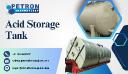
Handling and storing corrosive acids is one of the most critical responsibilities in industrial operations. Acids such as sulfuric acid, hydrochloric acid, nitric acid, and phosphoric acid are widely used across chemical processing, water treatment, metal finishing, fertilizer, and pharmaceutical industries. However, improper storage can result in leaks, environmental damage, equipment corrosion, and serious safety hazards. This is why double walled acid storage tanks have become the preferred solution for enhanced safety, environmental protection, and regulatory compliance.
At Petron Thermoplast, we design and manufacture industrial-grade double walled acid storage tanks engineered to provide maximum containment, long service life, and reliable performance in harsh chemical environments.
What Are Double Walled Acid Storage Tanks?
A double walled acid storage tank consists of two independent containment layers:
The space between the two walls, often referred to as the interstitial space, provides an additional layer of protection. In the event of a leak in the inner tank, the outer wall prevents the acid from escaping into the environment. This design significantly reduces the risk of chemical spills, making double walled tanks ideal for high-risk acid storage applications.
Why Enhanced Safety Is Critical in Acid Storage?
Acids are highly corrosive and can cause severe damage to equipment, infrastructure, and human health. Even a minor leak can lead to:
Double walled acid storage tanks are specifically engineered to minimize these risks and provide peace of mind in demanding industrial environments.
Key Advantages of Double Walled Acid Storage Tanks
The outer wall acts as a built-in containment system, eliminating the need for external bunds or containment pits.
The interstitial space allows for early leak detection, enabling timely corrective action before a spill occurs.
Double containment prevents accidental release of acids into soil, water sources, and surrounding areas.
By reducing the risk of acid exposure, double walled tanks protect operators and maintenance personnel.
Many industrial safety and environmental regulations recommend or mandate secondary containment for hazardous chemicals.
Materials Used in Double Walled Acid Storage Tanks
The performance of a double walled acid storage tank depends heavily on the materials used.
Inner Tank Materials
The inner tank is fabricated using chemically resistant materials such as:
These materials ensure compatibility with aggressive acids and prevent corrosion.
Outer Tank Construction
The outer wall is typically made from FRP or HDPE, providing structural strength, impact resistance, and environmental durability.
At Petron Thermoplast, material selection is based on acid concentration, temperature, and operating conditions.
Applications of Double Walled Acid Storage Tanks
Chemical Processing Plants
Used for safe storage of raw acids, intermediates, and finished chemical products.
Water & Wastewater Treatment Facilities
Ideal for storing chemicals used in pH correction, disinfection, and treatment processes.
Metal Finishing & Pickling Plants
Ensures safe containment of highly corrosive acids used in surface treatment.
Fertilizer & Agrochemical Industries
Suitable for storing sulfuric and phosphoric acids used in fertilizer production.
Pharmaceutical & Specialty Chemical Facilities
Ensures high safety standards for sensitive and regulated operations.
Design Features for Maximum Safety
Leak Detection Systems
Optional sensors can be installed in the interstitial space for real-time monitoring.
Venting & Pressure Control
Proper venting systems prevent pressure build-up inside the tank.
UV & Weather Resistance
Designed for both indoor and outdoor installations.
Custom Nozzles & Manways
Engineered for safe filling, discharge, and inspection operations.
Structural Reinforcement
Designed to withstand hydrostatic pressure, seismic loads, and environmental stress.
Double Walled Tanks vs Single Walled Tanks
|
Feature |
Double Walled Tanks |
Single Walled Tanks |
|
Safety Level |
Very High |
Moderate |
|
Leak Protection |
Excellent |
Limited |
|
Environmental Risk |
Minimal |
Higher |
|
Regulatory Compliance |
Strong |
Limited |
|
Lifecycle Cost |
Lower long-term |
Higher risk |
Export-Grade Double Walled Acid Storage Tanks
Petron Thermoplast manufactures export-quality double walled acid storage tanks designed to meet international safety and quality expectations. Our tanks are supplied to industries across the Middle East, Africa, and global markets.
Each tank is fabricated under strict quality control and inspected for:
Why Choose Petron Thermoplast?
Petron Thermoplast is a trusted name in industrial chemical storage solutions, offering advanced tank designs tailored to client requirements.
Our Key Strengths:
Maintenance & Inspection Benefits
Double walled acid storage tanks simplify maintenance by allowing visual and sensor-based inspection of the interstitial space. This proactive approach reduces unplanned downtime and improves overall plant safety.
Sustainability & Environmental Responsibility
By preventing leaks and minimizing chemical loss, double walled acid storage tanks support environmentally responsible operations. Their long service life also reduces material waste and replacement frequency.
Conclusion
Double walled acid storage tanks for enhanced safety represent the highest standard in chemical containment technology. Their ability to prevent leaks, protect the environment, and ensure regulatory compliance makes them essential for modern industrial operations.
With Petron Thermoplast, industries gain access to expertly engineered double walled acid storage tanks that deliver unmatched safety, reliability, and long-term performance. For critical acid storage applications, double wall construction is not just an option—it is a necessity.
Chemical processing industries operate in some of the most demanding environments, handling aggressive acids, alkalis, solvents, and high-purity chemicals on a daily basis. Safe and reliable storage of these chemicals is critical to operational continuity, worker safety, and environmental protection. PVDF FRP tanks have emerged as one of the most advanced storage solutions for chemical processing and bulk storage applications, offering unmatched corrosion resistance, structural strength, and long service life.
At Petron Thermoplast, we design and manufacture PVDF-lined FRP tanks engineered specifically for harsh chemical environments and large-volume storage requirements. Our tanks are trusted by chemical manufacturers, pharmaceutical plants, and industrial processors across domestic and international markets.
A PVDF FRP tank combines two high-performance materials:
PVDF is a fluoropolymer known for its exceptional chemical resistance, high temperature tolerance, and ultra-low permeability. FRP provides mechanical strength, impact resistance, and structural stability. Together, they form a composite tank system capable of handling the most aggressive chemicals used in modern industry.
This dual-material construction ensures both chemical compatibility and mechanical durability, making PVDF FRP tanks ideal for critical chemical processing and bulk storage applications.
Chemical processing plants operate continuously under extreme conditions. Storage tanks must withstand corrosive media, fluctuating temperatures, and long operational cycles without degradation.
Key Reasons PVDF FRP Tanks Are Preferred
PVDF offers resistance to a wide range of aggressive chemicals, including:
PVDF retains its mechanical and chemical properties at elevated temperatures, making it suitable for hot chemical storage and process applications.
Unlike metal tanks, PVDF FRP tanks do not rust, pit, or degrade, even under prolonged chemical exposure.
PVDF’s low permeability ensures minimal chemical vapor loss and prevents contamination—critical for pharmaceutical and specialty chemical applications.
Bulk chemical storage demands large-capacity tanks with long service life and absolute reliability. PVDF FRP tanks deliver multiple advantages in bulk storage environments.
Long Service Life
PVDF FRP tanks can operate reliably for decades, significantly reducing replacement frequency and lifecycle costs.
Lightweight Compared to Metal Tanks
Despite their strength, PVDF FRP tanks are lighter than steel tanks, simplifying transportation, installation, and foundation requirements.
Customizable Tank Design
PVDF FRP tanks can be fabricated in:
Low Maintenance Requirements
With no corrosion, scaling, or chemical attack, PVDF FRP tanks require minimal maintenance throughout their service life.
Chemical Processing Plants
PVDF FRP tanks are used for raw material storage, intermediate processing tanks, and finished chemical storage.
Bulk Acid & Alkali Storage
Ideal for storing large volumes of sulfuric acid, hydrochloric acid, nitric acid, and caustic solutions.
Pharmaceutical & Fine Chemical Industries
PVDF’s high purity and non-reactive nature make it suitable for pharmaceutical chemicals and intermediates.
Fertilizer & Agrochemical Plants
PVDF FRP tanks withstand aggressive fertilizer chemicals and acidic compounds.
Semiconductor & Electronics Manufacturing
Used for high-purity chemical storage where contamination control is critical.
Effluent & Waste Chemical Handling
Suitable for storing waste acids, spent chemicals, and aggressive effluents before treatment.
PVDF Lining Integrity
The seamless PVDF liner provides complete chemical isolation from the structural FRP layer.
Reinforced FRP Structure
The FRP shell is engineered to handle internal pressure, hydrostatic load, and environmental stress.
Leak-Proof Construction
Advanced fabrication techniques ensure zero leakage and maximum safety.
UV & Weather Resistance
PVDF FRP tanks are suitable for both indoor and outdoor installations.
Optional Safety Enhancements
|
Feature |
PVDF FRP Tanks |
HDPE Tanks |
Metal Tanks |
|
Chemical Resistance |
Excellent |
Good |
Poor |
|
Temperature Resistance |
High |
Moderate |
High |
|
Corrosion Risk |
None |
None |
High |
|
Permeation Resistance |
Excellent |
Moderate |
Poor |
|
Service Life |
Very Long |
Long |
Shorter |
PVDF FRP tanks from Petron Thermoplast are designed and fabricated in accordance with relevant international and industry standards. Each tank undergoes strict quality checks, including:
Petron Thermoplast supplies export-quality PVDF FRP tanks for chemical processing projects worldwide. Our tanks are designed for safe transportation, easy installation, and long-term operation across different climatic and regulatory environments.
We support:
Petron Thermoplast is a trusted manufacturer of PVDF FRP tanks for chemical processing and bulk storage, offering customized, high-performance solutions.
Our Key Strengths:
Sustainability & Environmental Protection
PVDF FRP tanks contribute to safer and more sustainable chemical operations by preventing leaks, minimizing emissions, and reducing chemical loss. Their long lifespan significantly lowers material waste and environmental impact.
PVDF FRP tanks for chemical processing and bulk storage represent the most advanced solution for handling aggressive chemicals safely and efficiently. Their superior chemical resistance, structural strength, and long service life make them indispensable in modern chemical industries.
By choosing Petron Thermoplast, industries gain access to expertly engineered PVDF FRP tanks designed for long-term reliability, safety, and global compliance. For critical chemical storage applications, PVDF FRP tanks are not just an option—they are a necessity.
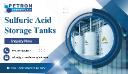
Sulfuric acid is one of the most widely used industrial chemicals, playing a critical role in industries such as chemicals, fertilizers, pharmaceuticals, petroleum refining, metal processing, water treatment, and power generation. Due to its highly corrosive nature, storing sulfuric acid safely requires specially engineered storage solutions. Industrial-grade sulfuric acid storage tanks are designed to ensure maximum safety, long service life, and compliance with stringent industrial standards.
At Petron Thermoplast, we manufacture high-performance sulfuric acid storage tanks engineered to withstand aggressive chemical environments, temperature variations, and continuous industrial use. Our tanks are trusted by industries across India and international markets for their durability, chemical resistance, and safety-focused design.
Sulfuric acid is a highly reactive and corrosive substance. Improper storage can lead to leaks, structural failure, environmental contamination, safety hazards, and costly downtime. Industrial facilities must use storage tanks specifically designed to handle sulfuric acid concentrations safely and efficiently.
An industrial-grade sulfuric acid storage tank must provide:
Selecting the right material is the most important factor in sulfuric acid storage. Petron Thermoplast manufactures sulfuric acid storage tanks using chemically compatible, corrosion-resistant thermoplastic and composite materials.
FRP (Fiber Reinforced Plastic) Tanks
FRP sulfuric acid storage tanks are widely used for medium to high-capacity industrial storage. They offer:
HDPE / PP-Based Linings and Structures
High-Density Polyethylene (HDPE) and Polypropylene (PP) provide excellent resistance to sulfuric acid at various concentrations. These materials are often used as linings or structural components to enhance corrosion resistance.
Petron Thermoplast carefully selects materials based on acid concentration, operating temperature, and application requirements.
Our sulfuric acid storage tanks are designed to resist chemical attack, oxidation, and degradation, ensuring consistent performance even under continuous exposure to corrosive acids.
Industrial-grade tanks are engineered to handle hydrostatic pressure, external loads, and environmental stresses without deformation or failure.
Precision fabrication and quality-controlled manufacturing ensure leak-free containment, protecting personnel, equipment, and the environment.
Petron Thermoplast offers sulfuric acid storage tanks in various capacities, from small process tanks to large industrial storage vessels, customized to project requirements.
With proper installation and maintenance, our tanks deliver decades of reliable service, reducing replacement frequency and total ownership cost.
Designing a sulfuric acid storage tank requires careful evaluation of multiple factors:
Chemical Manufacturing Plants
Sulfuric acid is a key raw material in chemical synthesis and processing. Industrial-grade storage tanks ensure safe handling and uninterrupted production.
Fertilizer Industry
Fertilizer manufacturing relies heavily on sulfuric acid. High-capacity storage tanks are essential for continuous and safe operations.
Metal Processing & Pickling Plants
Sulfuric acid is used for surface treatment, pickling, and cleaning of metals. Corrosion-resistant storage tanks are critical in these environments.
Water Treatment Facilities
Sulfuric acid is used for pH control and chemical dosing. Storage tanks must offer chemical stability and safety compliance.
Oil & Gas and Refinery Applications
Refineries use sulfuric acid in alkylation and process applications. Reliable storage tanks ensure safe chemical management.
Power Plants
Sulfuric acid is used in water treatment and chemical dosing systems within power generation facilities.
Petron Thermoplast manufactures sulfuric acid storage tanks in compliance with relevant industrial and safety standards. Strict quality control processes ensure:
|
Feature |
Thermoplastic / FRP Tanks |
Metal Tanks |
|
Corrosion Resistance |
Excellent |
Poor |
|
Maintenance |
Very Low |
High |
|
Service Life |
Long |
Shorter |
|
Weight |
Lightweight |
Heavy |
|
Cost Efficiency |
High |
Lower over time |
Petron Thermoplast supplies export-grade sulfuric acid storage tanks for global industrial projects. Our tanks are designed for safe international transportation and installation, with proper documentation and packaging.
We support:
Petron Thermoplast is a trusted manufacturer of industrial-grade sulfuric acid storage tanks, offering reliable chemical storage solutions for diverse industries.
Our Key Strengths:
Our sulfuric acid storage tanks contribute to safer and more sustainable industrial operations by minimizing leaks, reducing chemical waste, and offering long service life. Durable tanks reduce the need for frequent replacements, lowering environmental impact and lifecycle costs.
Industrial-grade sulfuric acid storage tanks are essential for safe, efficient, and compliant chemical handling in modern industries. Designed to withstand corrosive environments and demanding operating conditions, these tanks play a vital role in protecting personnel, equipment, and the environment.
With expertly engineered designs, high-quality materials, and a commitment to safety, Petron Thermoplast provides sulfuric acid storage tanks that deliver long-term reliability and value. Whether for chemical plants, fertilizer units, or global industrial projects, Petron Thermoplast is your trusted partner for advanced chemical storage solutions.
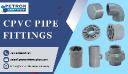
As industrial projects expand across borders, the demand for reliable, high-performance piping systems continues to grow. From chemical plants in the Middle East to water treatment facilities in Africa and pharmaceutical units in Europe, industries require piping solutions that can withstand high temperatures, aggressive chemicals, and demanding operating conditions. Export CPVC pipe fittings have become a preferred choice for global industrial projects due to their exceptional thermal stability, corrosion resistance, and long service life.
CPVC (Chlorinated Polyvinyl Chloride) pipe fittings are engineered to perform in environments where standard PVC or metal fittings fail. With consistent quality, compliance with international standards, and suitability for export markets, CPVC pipe fittings play a critical role in modern industrial infrastructure worldwide.
CPVC pipe fittings are manufactured by chlorinating PVC resin, which significantly enhances its temperature resistance, pressure-handling capacity, and chemical stability. This advanced material is designed to carry hot and cold fluids safely, making it ideal for high-temperature and chemically aggressive applications.
Common CPVC pipe fittings include:
International industrial projects operate under diverse climatic, regulatory, and operational conditions. Export-grade CPVC pipe fittings are specifically manufactured to meet these challenges by offering:
CPVC pipe fittings can handle temperatures up to 93°C (200°F), making them suitable for hot water lines, chemical processing, and industrial heating systems.
CPVC fittings resist acids, alkalis, salts, and industrial chemicals without corroding or degrading. This makes them ideal for chemical plants, refineries, and process industries.
Export-quality CPVC pipe fittings are designed to handle high pressure while maintaining structural integrity, even in continuous operation.
Compared to metal fittings, CPVC fittings are lightweight, reducing transportation costs and simplifying installation at international project sites.
The smooth bore of CPVC fittings minimizes friction loss, prevents scaling, and maintains consistent flow rates over time.
With proper installation, CPVC pipe fittings can provide decades of reliable service, even in harsh industrial environments.
Export CPVC pipe fittings are manufactured in accordance with recognized global standards to ensure acceptance in international markets, including:
CPVC pipe fittings are widely used in chemical transfer lines, dosing systems, and waste handling pipelines due to their chemical compatibility and temperature resistance.
In desalination and water treatment projects, CPVC fittings offer corrosion-free performance in saline and chemically treated water environments.
CPVC pipe fittings are used for utility lines, chemical injection systems, and secondary piping applications where resistance to heat and corrosion is critical.
Global pharmaceutical projects rely on CPVC fittings for water purification systems, chemical handling, and utility pipelines due to their non-reactive and hygienic properties.
Thermal and renewable power plants use CPVC pipe fittings for cooling water, chemical dosing, and auxiliary piping systems.
CPVC fittings are suitable for hot water lines and cleaning systems, offering safe and reliable fluid handling.
|
Feature |
CPVC Pipe Fittings |
Metal Pipe Fittings |
|
Temperature Resistance |
High |
High |
|
Corrosion Resistance |
Excellent |
Limited |
|
Weight |
Lightweight |
Heavy |
|
Installation |
Easy |
Complex |
|
Maintenance |
Minimal |
High |
|
Export Suitability |
Excellent |
Moderate |
Export CPVC pipe fittings are packed with international shipping requirements in mind. Proper labeling, moisture-resistant packaging, palletization, and documentation ensure safe transportation and compliance with customs regulations.
Manufacturers offering export-grade CPVC fittings also provide:
Petron Thermoplast is a trusted manufacturer and exporter of CPVC pipe fittings, serving industrial projects across international markets. With advanced manufacturing infrastructure and stringent quality control systems, Petron Thermoplast delivers products that meet the expectations of global EPC contractors and industrial buyers.
Key Advantages:
Sustainability and Environmental Benefits
CPVC pipe fittings contribute to sustainable industrial development by offering a long service life and reducing the need for frequent replacements. Their lightweight nature reduces transportation-related carbon emissions, making them an environmentally responsible choice for global projects.
With increasing investments in infrastructure, water management, chemical processing, and energy projects worldwide, the demand for export-grade CPVC pipe fittings is expected to rise steadily. Their ability to perform reliably in extreme conditions positions CPVC as a preferred material for future industrial developments.
Export CPVC pipe fittings are an essential component of modern global industrial projects, offering superior temperature resistance, chemical stability, and long-term reliability. Their compliance with international standards and suitability for diverse applications make them a trusted solution for industries worldwide. By partnering with an experienced exporter like Petron Thermoplast, global buyers can ensure high-quality CPVC pipe fittings that deliver consistent performance, reduced maintenance, and excellent value for international industrial projects.