
As industrial projects expand across borders, the demand for reliable, high-performance piping systems continues to grow. From chemical plants in the Middle East to water treatment facilities in Africa and pharmaceutical units in Europe, industries require piping solutions that can withstand high temperatures, aggressive chemicals, and demanding operating conditions. Export CPVC pipe fittings have become a preferred choice for global industrial projects due to their exceptional thermal stability, corrosion resistance, and long service life.
CPVC (Chlorinated Polyvinyl Chloride) pipe fittings are engineered to perform in environments where standard PVC or metal fittings fail. With consistent quality, compliance with international standards, and suitability for export markets, CPVC pipe fittings play a critical role in modern industrial infrastructure worldwide.
CPVC pipe fittings are manufactured by chlorinating PVC resin, which significantly enhances its temperature resistance, pressure-handling capacity, and chemical stability. This advanced material is designed to carry hot and cold fluids safely, making it ideal for high-temperature and chemically aggressive applications.
Common CPVC pipe fittings include:
International industrial projects operate under diverse climatic, regulatory, and operational conditions. Export-grade CPVC pipe fittings are specifically manufactured to meet these challenges by offering:
CPVC pipe fittings can handle temperatures up to 93°C (200°F), making them suitable for hot water lines, chemical processing, and industrial heating systems.
CPVC fittings resist acids, alkalis, salts, and industrial chemicals without corroding or degrading. This makes them ideal for chemical plants, refineries, and process industries.
Export-quality CPVC pipe fittings are designed to handle high pressure while maintaining structural integrity, even in continuous operation.
Compared to metal fittings, CPVC fittings are lightweight, reducing transportation costs and simplifying installation at international project sites.
The smooth bore of CPVC fittings minimizes friction loss, prevents scaling, and maintains consistent flow rates over time.
With proper installation, CPVC pipe fittings can provide decades of reliable service, even in harsh industrial environments.
Export CPVC pipe fittings are manufactured in accordance with recognized global standards to ensure acceptance in international markets, including:
CPVC pipe fittings are widely used in chemical transfer lines, dosing systems, and waste handling pipelines due to their chemical compatibility and temperature resistance.
In desalination and water treatment projects, CPVC fittings offer corrosion-free performance in saline and chemically treated water environments.
CPVC pipe fittings are used for utility lines, chemical injection systems, and secondary piping applications where resistance to heat and corrosion is critical.
Global pharmaceutical projects rely on CPVC fittings for water purification systems, chemical handling, and utility pipelines due to their non-reactive and hygienic properties.
Thermal and renewable power plants use CPVC pipe fittings for cooling water, chemical dosing, and auxiliary piping systems.
CPVC fittings are suitable for hot water lines and cleaning systems, offering safe and reliable fluid handling.
|
Feature |
CPVC Pipe Fittings |
Metal Pipe Fittings |
|
Temperature Resistance |
High |
High |
|
Corrosion Resistance |
Excellent |
Limited |
|
Weight |
Lightweight |
Heavy |
|
Installation |
Easy |
Complex |
|
Maintenance |
Minimal |
High |
|
Export Suitability |
Excellent |
Moderate |
Export CPVC pipe fittings are packed with international shipping requirements in mind. Proper labeling, moisture-resistant packaging, palletization, and documentation ensure safe transportation and compliance with customs regulations.
Manufacturers offering export-grade CPVC fittings also provide:
Petron Thermoplast is a trusted manufacturer and exporter of CPVC pipe fittings, serving industrial projects across international markets. With advanced manufacturing infrastructure and stringent quality control systems, Petron Thermoplast delivers products that meet the expectations of global EPC contractors and industrial buyers.
Key Advantages:
Sustainability and Environmental Benefits
CPVC pipe fittings contribute to sustainable industrial development by offering a long service life and reducing the need for frequent replacements. Their lightweight nature reduces transportation-related carbon emissions, making them an environmentally responsible choice for global projects.
With increasing investments in infrastructure, water management, chemical processing, and energy projects worldwide, the demand for export-grade CPVC pipe fittings is expected to rise steadily. Their ability to perform reliably in extreme conditions positions CPVC as a preferred material for future industrial developments.
Export CPVC pipe fittings are an essential component of modern global industrial projects, offering superior temperature resistance, chemical stability, and long-term reliability. Their compliance with international standards and suitability for diverse applications make them a trusted solution for industries worldwide. By partnering with an experienced exporter like Petron Thermoplast, global buyers can ensure high-quality CPVC pipe fittings that deliver consistent performance, reduced maintenance, and excellent value for international industrial projects.
Industries that handle aggressive chemicals, high-purity fluids, and corrosive media rely heavily on safe, durable, and high-performance piping systems. Whether storing hazardous liquids or transporting them across long process lines, every component used must withstand harsh operating conditions without compromising efficiency or safety. Among the various materials used in industrial piping, PVDF pipe fittings have emerged as one of the most dependable and high-performance options for chemical storage and transport applications.
Known for their exceptional chemical resistance, superior mechanical strength, and broad service temperature range, PVDF (Polyvinylidene Fluoride) pipe fittings are widely used in sectors such as chemical processing, pharmaceuticals, metal treatment, wastewater management, electronics manufacturing, and more. This blog explores the properties, benefits, applications, and advantages of using PVDF pipe fittings in chemical storage and transport systems.
What Makes PVDF Ideal for Chemical Storage and Transport?
PVDF is a high-purity engineering thermoplastic that offers outstanding resistance to a wide range of chemicals, including strong acids, alkalis, halogens, and solvents. Its unique properties make it a top choice for industries that demand reliability, long service life, and safety.
PVDF is resistant to more than 95% of industrial chemicals. It does not degrade, corrode, or weaken when exposed to acids like sulfuric acid, nitric acid, hydrochloric acid, or caustic solutions.
Despite being lightweight, PVDF provides tensile and impact strength that rivals certain metals. This ensures long-term structural integrity even under heavy-duty industrial operations.
It can operate efficiently in temperatures ranging from –40°C to +150°C, making it suitable for both high-temperature chemical lines and chilled fluid systems.
PVDF is naturally resistant to UV rays and outdoor weathering, allowing safe and long-term use in exposed chemical storage facilities.
Its low permeability to gases and liquids reduces contamination risks, making it ideal for high-purity chemical transport lines.
PVDF is self-extinguishing and has one of the lowest smoke generation rates among plastics, adding extra safety in chemical plants.
These properties make PVDF pipe fittings a superior choice wherever highly reactive chemicals and extreme conditions are present.
The Importance of Reliable Pipe Fittings in Chemical Systems
Chemical storage and transport systems often involve handling dangerous materials capable of causing serious damage, including leaks, corrosion, contamination, or system failure. Pipe fittings — elbows, tees, reducers, valves, unions, and couplings — play a crucial role in the system’s integrity.
Using poor-quality or incompatible fittings can lead to:
Key Benefits of PVDF Pipe Fittings for Chemical Transport Applications
PVDF fittings maintain their mechanical properties for decades, even in harsh chemical environments. They do not corrode, rust, scale, or develop stress cracks — common issues with metal and low-quality plastics.
PVDF fittings are often used in applications where fluid purity is essential, such as pharmaceuticals and semiconductor manufacturing. The smooth internal surface eliminates bacterial growth and prevents particle accumulation.
Lightweight and easy to handle, PVDF fittings simplify installation in both new and existing systems. The low maintenance requirement reduces operational costs over time.
With precision molding and smooth inner walls, PVDF fittings reduce friction loss and ensure efficient fluid flow, important for long pipelines or high-pressure systems.
PVDF can be welded using butt fusion, socket fusion, and hot gas welding, creating strong, leak-proof joints essential for hazardous chemical transport.
PVDF piping systems meet international standards such as ASTM, ISO, DIN, and FDA requirements, ensuring global compliance for chemical storage systems.
Applications of PVDF Pipe Fittings in Chemical Storage and Transport
PVDF pipe fittings are indispensable in industries that need secure storage and safe movement of chemicals. Some major application areas include:
✔ Chemical Processing Plants
Used in transfer lines, dosing lines, chemical supply systems, scrubber units, and reactor feed systems.
✔ Acid Storage Tanks and Distribution Lines
PVDF fittings are particularly suited for sulfuric acid, hydrochloric acid, nitric acid, and phosphoric acid storage systems.
✔ Solvent Handling Units
Ideal for lines carrying solvents in paints, coatings, and resin manufacturing.
✔ Water Purification and Treatment
Used in RO plants, ion exchange systems, and desalination units where chemical dosing requires corrosion-free piping.
✔ Pharmaceutical and Biotech Industries
Ensures contamination-free transport of cleaning agents, sanitizing chemicals, and pure water.
✔ Electronics and Semiconductor Processing
Used for ultrapure water (UPW), chemical etching processes, and waste lines.
✔ Metal Finishing and Electroplating Processes
Handles aggressive chemicals in pickling, anodizing, and plating processes.
✔ Industrial Storage Areas
Used in overflow lines, vent piping, drainage systems, and safety pipelines around chemical tanks.
Types of PVDF Pipe Fittings Commonly Used in Chemical Systems
PVDF fittings come in a variety of configurations to accommodate complex and large-scale piping networks:
How PVDF Pipe Fittings Improve Chemical Storage Safety?
Safety is the top priority in any facility handling hazardous chemicals. PVDF fittings contribute to a safer environment through:
✔ Leak-Free Joints
High-quality welding ensures zero leakage, even under high pressure or vacuum.
✔ Resistance to Stress Cracking
PVDF maintains structural stability even when exposed to chemical stress or pressure fluctuations.
✔ Prevention of Contamination
Ideal for systems where chemical purity cannot be compromised.
✔ Fire-Resistant Design
PVDF’s self-extinguishing nature adds a safety layer in chemical warehouses.
✔ Longevity Reduces Risk of Failure
Long service life reduces emergency maintenance and unexpected shutdowns.
Why Industries Prefer PVDF Over Metals and Other Plastics?
Compared to Metals
Compared to PVC/UPVC
Compared to Polypropylene (PP)
Conclusion
PVDF pipe fittings have become a cornerstone of modern chemical storage and transport systems due to their unmatched chemical resistance, high mechanical strength, safety features, and long-term durability. Industries handling corrosive chemicals or high-purity fluids rely on PVDF fittings for leak-free, contamination-free, and reliable performance under extreme conditions. Their adaptability to various global standards and compatibility with advanced welding technologies makes them ideal for both large-scale industrial plants and specialized processing units.
As industries continue to modernize and expand their chemical handling capabilities, PVDF pipe fittings by Petron Thermoplast will remain one of the most trusted solutions ensuring safety, efficiency, and long operational life.
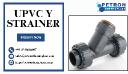
In every industrial piping system, the reliability of fluid flow is directly connected to the quality of filtration. Even the most advanced pipelines can face issues when contaminants, sediment, or solid particles enter the flow path. To prevent clogging, equipment failure, and pressure imbalance, industries across the world depend on UPVC Y Strainers—a cost-effective, corrosion-free, and long-lasting filtration solution.
Among the many materials used for pipeline strainers, Unplasticized Polyvinyl Chloride (UPVC) stands out for its exceptional chemical resistance, mechanical strength, and affordability. These characteristics make UPVC Y Strainers a trusted choice in sectors such as chemical processing, water treatment, food & beverage, pharmaceuticals, irrigation, desalination, and general industrial operations.
In this blog, we explore how UPVC Y Strainer solutions contribute to safe and reliable piping, why industries prefer them, their advantages, working mechanism, and what to consider when choosing the right strainer for your system.
What Is a UPVC Y Strainer?
A UPVC Y Strainer is a specially designed filtration device shaped like the letter “Y.” It is installed in a pipeline to mechanically remove debris and solid particles from the fluid flowing through it. The strainer contains a removable mesh or perforated metal screen that traps unwanted contaminants while allowing the fluid to pass smoothly.
The “Y” shape ensures that debris naturally collects into the lower branch of the strainer, making maintenance easier and reducing interruptions in operation.
Because UPVC is a rigid, chemical-resistant plastic, these strainers are ideal for systems where metal components would corrode or react with the media being transported.
Why UPVC Y Strainers Are Important in Industrial Systems?
Filtration plays a crucial role in protecting equipment and ensuring smooth fluid movement. When foreign particles accumulate inside piping systems, they can cause:
Key Advantages of UPVC Y Strainer Solutions
UPVC Y Strainers offer a variety of benefits that make them suitable for harsh industrial environments:
✔ Superior Chemical Resistance
UPVC is resistant to a wide range of corrosive chemicals including acids, alkalis, chlorinated water, salts, and process liquids. This makes them ideal for chemical processing, wastewater treatment, and desalination plants.
✔ Lightweight and Easy to Handle
Unlike metal strainers, UPVC strainers are lightweight, simplifying installation, transportation, and maintenance.
✔ Corrosion-Free and Long-Lasting
UPVC does not rust or corrode when exposed to moisture or aggressive media. This significantly increases the lifespan of the strainer and reduces maintenance needs.
✔ Low Maintenance Design
The Y-configuration allows easy removal of debris without dismantling the entire pipeline. The screen can be cleaned or replaced with minimal downtime.
✔ Cost-Effective Filtration
UPVC strainers deliver excellent performance at a lower cost compared to stainless steel, brass, or bronze alternatives.
✔ Smooth Flow and Reduced Pressure Loss
The smooth interior surface of UPVC ensures minimal frictional loss, enabling efficient fluid movement.
✔ Suitable for Both Liquid and Gas Applications
UPVC Y Strainers can be used in liquid supply, air handling systems, and vacuum lines depending on system requirements.
Applications of UPVC Y Strainers Across Industries
UPVC Y Strainers are widely used in industries that require consistent filtration and long-term performance. Some of the most common applications include:
Used for filtering dirt, sand, and particles from feed water and process streams.
Ideal for corrosive chemical lines where metal strainers may fail.
Prevents emitter and sprinkler clogging, ensuring smooth water distribution.
Protects cooling tower pumps, flow meters, and control valves.
Maintains purity by eliminating solid contaminants during fluid transfer.
Ensures consistent filtration in pre-treatment and process stages.
Used in pipelines transporting process water, solvents, chemical mixtures, or additives.
Keeps debris out of circulation pumps and filtration units.
How UPVC Y Strainers Work?
The functioning of a UPVC Y Strainer is simple yet highly effective:
How to Choose the Right UPVC Y Strainer?
Selecting the right strainer is essential for optimal filtration. Consider the following factors:
✔ Mesh Size (Micron Rating)
Choose based on the type and size of particles in your fluid.
✔ Operating Pressure
Ensure the strainer can withstand your system’s maximum pressure.
✔ Temperature Range
UPVC typically handles temperatures up to 60°C–70°C; verify compatibility with your media.
✔ Connection Type
Available in socket, threaded, and flanged ends.
✔ Flow Direction
Ensure correct installation according to the arrow marking on the body.
✔ Chemical Compatibility
Verify that UPVC is resistant to the fluid being transported.
✔ Maintenance Requirements
Look for strainers with easy screen access and replaceable mesh options.
Why Petron Thermoplast Is a Trusted Supplier of UPVC Y Strainers?
Petron Thermoplast is one of the leading manufacturers and global suppliers of advanced industrial piping components. Our UPVC Y Strainers are engineered with precision and manufactured using high-grade raw materials to ensure:
Final Thoughts
As industries continue to demand safer, more reliable and cost-effective piping systems, UPVC Y Strainers have become a preferred choice for filtration. Their unmatched chemical resistance, low maintenance design, and long service life make them ideal for a wide range of applications. Whether you operate a chemical plant, water treatment facility, irrigation system, or manufacturing unit, investing in a high-quality UPVC Y Strainer ensures:
For industries around the world, UPVC Y Strainer solutions by Petron Thermoplast are not just an accessory—they are an essential part of a safe and dependable piping system.
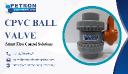
In modern industrial piping systems, precision, safety, and long-term reliability are essential. Whether it is chemical processing, water treatment, manufacturing, or fluid distribution, industries need valves that can withstand pressure, temperature variations, and continuous operations. CPVC Ball Valves have emerged as one of the most dependable solutions in flow control, thanks to their robust construction, corrosion resistance, and smooth operation.
Among these, Heavy Duty CPVC Ball Valves are specially engineered to deliver superior performance and enhanced safety, even in demanding environments. Their ability to resist aggressive chemicals, pressure fluctuations, and wear makes them a top choice for industrial and commercial facilities worldwide.
This blog explores the features, benefits, working applications, and reasons why industries rely on heavy-duty CPVC ball valves for safe flow regulation.
What Makes Heavy Duty CPVC Ball Valves Unique?
A CPVC (Chlorinated Polyvinyl Chloride) ball valve is designed using a high-grade thermoplastic material known for its excellent chemical resistance and durability. The “heavy-duty” classification indicates reinforced body strength, improved sealing mechanisms, and enhanced structural reliability for challenging industrial conditions.
Here’s what sets them apart:
CPVC is naturally resistant to a wide range of corrosive chemicals, including acids, alkalis, chlorinated compounds, salts, and aggressive fluids. This makes heavy-duty CPVC ball valves an ideal choice for:
Unlike metal valves, CPVC valves don’t corrode, rust, or scale, ensuring long service life and safe flow control.
Heavy-duty CPVC ball valves can easily handle temperatures up to 93°C (200°F), depending on the application. This makes them suitable for hot water flow, chemical processing lines, and industrial heating systems.
While CPVC is significantly lighter than metal, it offers exceptional strength and rigidity. Its low weight simplifies transportation, installation, and maintenance, while its mechanical strength ensures reliable operation under high pressure.
Another major advantage of CPVC valves is their inherent thermal insulation properties. They minimize heat loss during fluid transfer, improving system efficiency and reducing operational costs.
Heavy-duty CPVC ball valves feature precision-engineered ball mechanisms and high-quality sealing seats. The leak-proof design prevents fluid loss, contamination, and system failures, making them ideal for sensitive and hazardous industries.
How Heavy Duty CPVC Ball Valves Enhance Safety?
Metal valves deteriorate over time due to corrosion. When used with chemicals, they may generate rust particles that contaminate fluids. CPVC eliminates this risk entirely.
CPVC has a high Limiting Oxygen Index (LOI), meaning it is less likely to catch fire. This makes CPVC ball valves safer for environments exposed to heat or flammable chemicals.
The material does not deform or degrade easily. This prevents:
Stability ensures the entire piping network remains secure and efficient for years.
With precision-molded components, the handle and ball movement are extremely smooth. Operators can quickly open, close, or throttle the flow without applying excessive force.
Common Industrial Applications
Heavy-duty CPVC ball valves are widely used across industries that require high-performance flow control solutions. Some major applications include:
Used for potable water, sewage conveyance, chemical dosing, and disinfection systems.
Ideal for acids, alkalis, solvents, and aggressive chemicals used in:
Safe for hygienic and contamination-free fluid handling.
Chlorine, bromine, and other treatment chemicals are safely managed with CPVC valves.
Their heat resistance makes them suitable for hot fluid distribution.
Used in pickling, plating, etching, and rinsing tanks.
Whether the requirement is for continuous operation or strategic flow isolation, heavy-duty CPVC ball valves deliver reliable results.
Key Benefits of Heavy Duty CPVC Ball Valves
With chemical resistance, high mechanical strength, and zero corrosion, these valves last significantly longer than metal or PVC counterparts.
While offering advanced features, CPVC valves remain affordable. Reduced maintenance and long lifespan further add to cost savings.
No rusting, scaling, or frequent lubrication is required.
The material does not leach harmful chemicals into water, ensuring safety and purity.
Available in different sizes, pressure ratings, handle designs, and end connections.
Why CPVC Ball Valves Are Better Than Metal Valves?
Metal valves often struggle in chemical, humid, or high-temperature conditions. CPVC ball valves outperform them because they offer:
Why Industries Prefer Heavy Duty CPVC Ball Valves?
Industries select CPVC ball valves because they ensure:
Choosing the Right CPVC Ball Valve
When selecting a heavy-duty CPVC ball valve, consider the following:
Conclusion
Heavy Duty CPVC Ball Valves are one of the most reliable solutions for safe flow control across industrial, commercial, and chemical applications. Their corrosion resistance, high-temperature tolerance, durability, and leak-proof performance make them indispensable in modern piping systems. Whether you’re upgrading your existing line or installing a new network, CPVC ball valves ensure long-term safety, efficiency, and operational stability.
Businesses that prioritize safety and performance continue to choose CPVC ball valves as their preferred flow control solution. If you need high-quality CPVC Ball Valves, feel free to ask—we can create product pages, classified ads, or promotional content for Petron Thermoplast as well.
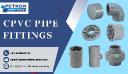
In modern industrial environments, efficiency, durability, and reliability are the foundations of a well-performing piping system. Whether it’s chemical processing, water treatment, manufacturing, or power generation, the demand for piping components that can withstand extreme temperatures, chemical exposure, and mechanical stress is higher than ever. Chlorinated Polyvinyl Chloride (CPVC) pipe fittings have become one of the most trusted solutions for industries seeking long-term operational performance with minimal downtime. Their corrosion resistance, high-temperature tolerance, and leak-proof construction make them ideal for continuous operations.
This blog explores the unique advantages of long-lasting CPVC pipe fittings, why industries rely on them for uninterrupted operations, and how they outperform many traditional materials.
Why CPVC Pipe Fittings Are Ideal for Continuous Industrial Operations?
Industries that function 24/7 cannot afford system failures, leaks, or unexpected corrosion. CPVC pipe fittings are engineered specifically to meet these challenges. The material’s molecular structure, enhanced through chlorination, offers properties beyond those of standard PVC. These include:
CPVC pipe fittings can handle temperatures up to 93°C, making them suitable for hot water, steam-carrying systems, and industrial fluid transfer applications. Unlike metal fittings, CPVC does not weaken under thermal stress.
Corrosion is one of the most common causes of downtime in metal-based piping systems. CPVC fittings resist:
CPVC pipe fittings offer tremendous structural stability. They maintain integrity under pressure, mechanical force, and fluctuating temperatures, ensuring the system stays operational without frequent maintenance.
Unlike metals that lose heat rapidly, CPVC fittings maintain consistent temperatures. This helps:
With proper installation, CPVC pipe fittings can last 50 years or more, even in demanding industrial environments. Their long lifespan significantly reduces replacement frequency and operational expenses.
Industries That Rely on CPVC Pipe Fittings for Continuous Performance
The versatility of CPVC pipe fittings makes them suitable for a wide range of industrial applications. Some major sectors using CPVC include:
✔ Chemical Processing Plants
CPVC performs exceptionally well in environments exposed to aggressive chemicals. It does not degrade when transporting corrosive liquids or fumes, making it ideal for acid transfer lines, solvent lines, and chemical dosing systems.
✔ Water & Wastewater Treatment
CPVC’s resistance to chlorinated water and biological contaminants makes it widely used in:
✔ Food & Beverage Industry
CPVC pipe fittings offer hygienic, scaling-free internal surfaces, preventing contamination in sensitive applications.
✔ Pharmaceutical Manufacturing
The high purity requirements of pharmaceutical units demand smooth, corrosion-free piping components—CPVC fits these needs perfectly.
✔ Oil & Gas Refineries
High temperatures, aggressive chemicals, and harsh external conditions make refineries challenging environments. CPVC fittings endure these challenges with ease.
✔ Power Generation Plants
From cooling systems to chemical dosing lines, CPVC pipe fittings ensure consistent performance under high pressure and temperature.
Key Benefits of Long-Lasting CPVC Pipe Fittings
Continuous operations require uninterrupted flow. CPVC pipe fittings minimize maintenance-related shutdowns, ensuring productivity stays high.
Although CPVC may cost slightly more upfront than PVC, its long life and reduced maintenance requirements make it more economical in the long run.
CPVC fittings are lightweight and can be installed quickly using solvent cement. This lowers labor costs and reduces installation time.
The solvent-welded joints create a fused, monolithic connection. These joints are stronger than the pipe itself, preventing leaks and ensuring long-term reliability.
CPVC has built-in flame resistance. It does not sustain combustion and has a low flame spread rating, adding an extra layer of safety to industrial environments.
Metal pipes often suffer from scaling, pitting, and microbiological growth. CPVC’s smooth interior prevents these issues, enabling cleaner fluid transport.
Comparing CPVC Pipe Fittings with Other Materials
|
Property / Feature |
CPVC Pipe Fittings |
Metal Fittings |
PVC Fittings |
|
Temperature Resistance |
✔ Up to 93°C |
✔ High |
✘ Low |
|
Corrosion Resistance |
✔ Excellent |
✘ Poor in chemicals |
✔ Good |
|
Chemical Resistance |
✔ High |
✘ Moderate |
✔ Moderate |
|
Installation |
✔ Easy |
✘ Labor intensive |
✔ Easy |
|
Service Life |
✔ 50+ years |
✘ Shorter in corrosive environments |
✔ Long |
|
Cost Efficiency |
✔ High (lifetime value) |
✘ High maintenance |
✔ Good |
Why CPVC Pipe Fittings Ensure Continuous Operations?
Consistent Flow Management
CPVC fittings maintain internal smoothness throughout their lifetime. No rust, scaling, or sediment affects the flow rate.
Resistant to Abrasion
Industrial fluids sometimes contain small solid particles. CPVC can handle these without erosion or internal wear.
Weatherproof Performance
Outdoor installations remain unaffected by moisture, temperature swings, and UV exposure.
Compatibility with Industrial Systems
CPVC fittings integrate seamlessly with:
This makes them a universal choice across industries.
Choosing the Right CPVC Pipe Fittings for Your Operations
When selecting CPVC fittings, consider:
Petron Thermoplast – Your Trusted Source for Long-Lasting CPVC Pipe Fittings
As a leading manufacturer and global supplier, Petron Thermoplast offers a complete range of high-strength CPVC pipe fittings engineered for industrial performance. Every product undergoes strict quality checks to ensure durability, precision, and safety in continuous operations.
Why Choose Petron Thermoplast CPVC Pipe Fittings?
Conclusion
CPVC pipe fittings are an excellent choice for industries that require continuous, reliable, and long-lasting performance. Their unmatched resistance to corrosion, high temperature handling capability, durability, and cost-effectiveness make them essential for modern industrial piping networks. When paired with high-quality manufacturing and precise engineering, they offer decades of safe and efficient service.
If your operations demand uninterrupted performance, investing in long-lasting CPVC pipe fittings from a trusted supplier like Petron Thermoplast is the smartest move.
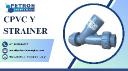
In industrial fluid handling systems, even small impurities can cause serious damage to machinery, pipelines, and flow control components. Solid particles, debris, and contaminants in process fluids often lead to blockages, pump failures, valve damage, pressure drops, and unexpected downtime. This is why industries rely on CPVC Y strainers, one of the simplest yet most effective filtration devices. When these strainers are manufactured using CPVC (Chlorinated Polyvinyl Chloride), their performance improves significantly for applications involving hot, corrosive, or high-pressure media.
Choosing the right CPVC Y strainer for your industrial processes ensures smooth operations, extended equipment life, reduced maintenance costs, and improved system reliability. This blog explores how CPVC Y strainers work, why CPVC is preferred, selection criteria, applications, and key benefits that industries should consider before making the right choice.
What Is a CPVC Y Strainer?
A CPVC Y strainer is a mechanical filtration device installed in a pipeline to remove unwanted particles from liquids. It gets its name from the distinctive Y-shaped design, where a mesh or perforated screen filters the fluid and traps solid contaminants.
How It Works
Why CPVC Is the Best Material for Y Strainers?
Y strainers are made using various materials like cast iron, stainless steel, brass, PP, and PVC. However, CPVC stands out for industrial use, especially when handling hot or corrosive fluids.
Key Benefits of CPVC Material
CPVC offers exceptional resistance to acids, alkalis, and corrosive industrial fluids, making it ideal for chemical processing plants and water treatment systems.
CPVC can withstand temperatures up to 93°C, far higher than PVC. This allows it to be used in hot water, chemical dosing, and hot brine applications.
The material remains structurally stable under high pressure and fluctuating temperatures, providing a long service life.
Compared to metal strainers, CPVC strainers are lighter, making installation and maintenance much easier.
CPVC resists UV exposure, corrosion, and scaling, ensuring trouble-free performance even in harsh industrial conditions.
Importance of Choosing the Right Y Strainer for Industrial Processes
Selecting the right Y strainer is crucial because the wrong type can:
Factors to Consider When Choosing a CPVC Y Strainer
Here are the most important criteria industries must evaluate before selecting a CPVC Y strainer:
The chemical composition of the fluid plays a major role in strainer selection. CPVC is compatible with:
Strainers are available in pressure ratings such as:
CPVC Y strainers perform excellently up to 93°C. Always confirm that your process temperature lies within the working range of the strainer to avoid material degradation.
The filtration efficiency depends on the mesh size. Common options include:
CPVC Y strainers come with various connection ends:
The Y design requires adequate installation space for proper operation and maintenance. Ensure your system layout supports the orientation needed for easy cleaning.
A good CPVC Y strainer should support quick disassembly for:
Industrial-grade CPVC Y strainers should be manufactured using virgin CPVC resin, not recycled materials. Trusted manufacturers ensure:
Industrial Applications of CPVC Y Strainers
CPVC Y strainers are widely used across industries where fluid purity is critical.
To filter solid impurities from acids, alkalis, process chemicals, and solvents.
Used in filtration lines, chlorine treatment systems, and reverse-osmosis plants.
Ensures contamination-free water supply during production and cleaning processes.
Maintains high purity for fluid handling in sensitive production environments.
Protects pumps and pipes from debris by filtering circulating water.
Supports cooling and washing operations involving corrosive chemicals.
Benefits of Using CPVC Y Strainers in Industrial Processes
✔ Reliable Filtration Performance
CPVC Y strainers efficiently remove solids, preventing clogging and ensuring continuous flow.
✔ Enhanced Equipment Protection
Protects pumps, valves, and meters from damage caused by solid particles.
✔ Improved System Efficiency
Clean fluid flow reduces pressure drop and energy consumption.
✔ Reduced Maintenance Downtime
Easy-to-clean designs decrease the time and effort spent on maintenance.
✔ Cost-Effective Operation
Long-term durability minimizes replacement and repair expenses.
✔ Suitable for Harsh Chemical Environments
CPVC stands up to aggressive chemicals better than metals and standard plastics.
Comparison: CPVC Y Strainer vs. Other Materials
|
Material |
Chemical Resistance |
Temperature |
Durability |
Cost |
Suitability |
|
Iron |
Poor |
Low |
Low |
Medium |
Not suitable |
|
Stainless Steel |
Moderate |
High |
High |
High |
Limited acid compatibility |
|
PVC |
Good |
Medium |
Moderate |
Low |
Not for hot acids |
|
PP |
Very Good |
Medium |
High |
Medium |
Good for mild acids |
|
CPVC |
Excellent |
High |
Very High |
Medium |
Best for hot corrosive fluids |
Tips for Selecting the Best CPVC Y Strainer
Conclusion
Choosing the right CPVC Y strainer is essential for maintaining fluid cleanliness, protecting equipment, and ensuring smooth industrial operations. Whether you are handling hot water, aggressive chemicals, or corrosive media, CPVC Y strainers by Petron Thermoplast offer exceptional chemical resistance, temperature tolerance, durability, and long-term reliability. By understanding your system’s requirements and selecting a high-quality CPVC Y strainer, you can significantly improve operational efficiency, reduce downtime, and extend the lifespan of your industrial equipment. If you need a technical sheet, product description, promotional content, or more titles, feel free to ask!
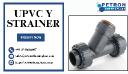
In industrial fluid management, filtration is one of the most critical components for ensuring system reliability, process efficiency, and equipment protection. From chemical processing to water treatment, industries rely on filtration solutions that can withstand harsh operating conditions, corrosive fluids, and fluctuating pressures. Among the most dependable filtration components are UPVC Y Strainers, engineered and designed to meet international standards for safety, quality, and performance.
These strainers are widely used in various global industries due to their durable construction, corrosion resistance, and easy maintenance. As industries continue to expand their operations across international markets, there is growing demand for high-quality filtration solutions that comply with global norms. UPVC Y strainers designed to international standards offer a perfect blend of performance, affordability, and reliability.
In this blog, we explore what makes these strainers globally trusted, why UPVC is the preferred material, and how these components elevate industrial fluid handling systems to new levels of efficiency.
UPVC Y strainers are mechanical devices installed in pipelines to filter out unwanted solid particles from liquids. They are shaped like the letter Y, where one branch holds a mesh filter that captures debris before the fluid continues its flow.
These strainers are essential in ensuring:
UPVC, or Unplasticized Polyvinyl Chloride, is a robust, non-corrosive polymer known for its excellent resistance to chemicals, UV exposure, and abrasion. When used in Y strainers, UPVC enhances their ability to perform reliably in a wide range of industrial conditions.
To be recognized globally, industrial components must adhere to strict guidelines such as DIN, ASTM, ISO, BS, and JIS standards. UPVC Y strainers built to international specifications are designed to offer:
These strainers maintain uniform dimensions across batches, ensuring compatibility with global piping standards.
High-quality UPVC Y strainers are tested for:
Their performance aligns with recognized international mechanical testing methods.
UPVC Y strainers meet global chemical resistance requirements, ensuring safety in environments involving:
Only certified and virgin UPVC materials are used to ensure durability, purity, and performance.
Strainers are produced in state-of-the-art facilities using:
This ensures consistency and compliance with international quality norms.
These strainers do not rust, corrode, or degrade even when used with aggressive chemicals—unlike metal strainers, which may react or corrode over time.
The rigid UPVC body offers exceptional mechanical strength and structural stability, making it suitable for high-flow industrial systems.
The internal mesh filters remove:
The Y-shaped body is engineered to maintain smooth fluid passage with minimal pressure loss.
The removable screen makes cleaning simple without requiring complex tools or system shutdown.
These strainers perform exceptionally well in outdoor environments without discoloring or degrading.
UPVC strainers offer significant advantages in installation, handling, and long-term structural integrity.
They provide exceptional service life at economical pricing, making them ideal for industries seeking high performance within budget.
UPVC Y strainers designed to international standards are widely used across multiple industrial segments that require high-quality filtration.
These strainers are perfect for filtering aggressive fluids such as:
UPVC’s excellent chemical resistance ensures safe and efficient operation.
Used in:
They ensure the removal of residual debris that may harm downstream equipment.
UPVC strainers ensure purity and efficiency in:
Since UPVC is safe and non-toxic, it is used to filter cleaning chemicals, process water, and other non-food liquid streams.
UPVC Y strainers filter:
Ensuring uninterrupted flow and preventing clogging.
Used for straining chilled water and cooling chemicals to protect:
UPVC Y strainers handle highly contaminated fluids while offering excellent resistance to harsh wastewater chemicals.
Because they adhere to global standards, industries can rely on uniform performance and guaranteed quality.
Unlike metal strainers, UPVC strainers maintain integrity even when exposed to corrosive substances.
Their design minimizes wear, leading to extended service life.
Their dimensions match international standard pipelines, making installation easy.
They ensure:
Across all major industrial systems.
|
Parameter |
Details |
|
Material |
High-grade UPVC |
|
Temperature Range |
0°C to 60°C |
|
Pressure Rating |
Up to 10 bar (varies by size) |
|
Filter Mesh |
Stainless steel/PP mesh (replaceable) |
|
Connection Options |
Socket, Threaded, Flanged |
|
Chemical Resistance |
Excellent against acids, alkalis, salts |
|
Compliance Standards |
DIN / ASTM / ISO / BS (depending on model) |
|
Applications |
Industrial filtration, chemical handling, water systems |
UPVC Y Strainers designed for international standards are essential components in modern industrial piping systems. Their superior build quality, compliance with global norms, and exceptional resistance to chemicals make them an ideal choice for industries worldwide. From chemical plants to water treatment facilities, these strainers ensure clean, efficient, and uninterrupted fluid flow—protecting equipment and enhancing operational productivity.
For any industry seeking durability, performance, and long-term reliability, international-standard UPVC Y strainers stand out as the best solution. Petron Thermoplast delivers consistent filtration, reduces maintenance needs, and ensures that your fluid handling systems operate smoothly under all conditions.
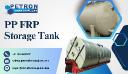
In modern industrial environments, safe and reliable storage solutions are essential for handling aggressive chemicals, corrosive liquids, water, and industrial fluids. As industries continue to expand their production capabilities, the demand for durable, lightweight, and cost-effective storage tanks has grown significantly. Among the most dependable solutions available today, PP FRP (Polypropylene Fibre Reinforced Plastic) Storage Tanks stand out as a superior choice. Their exceptional strength, anti-corrosive properties, and long operational life make them ideal for a wide range of industrial applications.
Choosing a trusted PP FRP storage tank manufacturer and supplier is crucial in ensuring safety, compliance, and long-term performance. This blog explores why PP FRP storage tanks are preferred, the advantages they offer, the importance of selecting a reliable manufacturer, and why top companies worldwide rely on these tanks for their industrial operations.
PP FRP storage tanks are engineered using a combination of Polypropylene (PP) inner lining and FRP (Fiber Reinforced Plastic) structural layers. This hybrid design provides superior resistance to chemicals while ensuring high mechanical strength.
As industries expand their operations globally, the need for safe, corrosion-free, and high-performance storage tanks has increased. PP FRP tanks are widely used across:
PP is known for its exceptional resistance to a wide range of corrosive chemicals, including strong acids, alkalis, solvents, and industrial liquids. This makes PP FRP tanks an ideal choice for chemical storage applications.
The FRP reinforcement gives the tank remarkable structural strength. These tanks can withstand mechanical stresses, high pressure, and external impacts without cracking or deforming.
Compared to metal tanks, PP FRP tanks are much lighter. This reduces installation costs and makes transportation and handling more convenient.
These tanks are designed to last for decades without corrosion, rusting, or degradation—even in harsh industrial conditions.
The seamless construction and chemical-welded joints ensure 100% leak-proof performance, enhancing safety and minimizing environmental risks.
Compared to stainless steel and other metal tanks, PP FRP storage tanks offer excellent value for money with lower initial investment and minimal maintenance costs.
A trusted manufacturer can design PP FRP tanks according to specific requirements such as capacity, shape, lining thickness, installation type, and process needs.
A professional and trusted supplier will offer a wide range of tank designs, including:
Used widely in chemical plants and water treatment units for large-volume storage.
Ideal for areas with low height clearance and for transportation requirements.
Designed for uniform pressure distribution and suitable for a variety of industrial uses.
Commonly used for smaller chemical processing operations and neutralization tanks.
Manufactured for blending, dosing, or chemical reaction processes.
Highly resistant to acids, making them ideal for metal pre-treatment and pickling operations.
When selecting a reliable PP FRP storage tank supplier, industries consider several factors to ensure long-term safety and performance:
Reputable manufacturers use premium-grade polypropylene sheets and high-strength FRP fibers to ensure tanks withstand corrosive media and harsh operating conditions.
State-of-the-art winding machines, lamination systems, CNC cutting, and welding technologies ensure precision and consistency in every tank.
A trusted manufacturer can design tanks based on specific operating needs—pressure ratings, chemical compatibility, temperature resistance, and capacity.
Reliable suppliers adhere to global standards such as:
This ensures product quality and international acceptance.
Each tank undergoes leak tests, hydrostatic pressure checks, chemical compatibility inspections, and structural integrity tests.
Professional companies offer installation assistance, maintenance support, and engineering guidance to ensure seamless operations.
A trusted supplier has decades of industry experience, positive client feedback, and a strong portfolio of industrial projects.
Due to their corrosion-resistant and long-lasting nature, PP FRP storage tanks are widely used in:
Selecting the right supplier ensures:
Premium materials and advanced techniques deliver tanks that perform reliably for years.
A trusted manufacturer ensures full leak-proof performance, correct load-bearing design, and compliance with safety regulations.
Every industry has unique requirements such as temperature resistance, chemical compatibility, and storage capacity. A trusted supplier tailors the tank accordingly.
Leading suppliers offer worldwide delivery, secure packaging, and full documentation for international clients.
High-quality PP FRP tanks reduce maintenance expenses, prevent leakages, and lower downtime, saving money in the long run.
PP FRP storage tanks have become the preferred choice for industries worldwide due to their unmatched durability, corrosion resistance, and reliability in demanding environments. Whether storing chemicals, acids, water, effluents, or industrial liquids, these tanks provide a safe and long-lasting solution.
Partnering with a trusted PP FRP storage tank manufacturer & supplier like Petron Thermoplast ensures that industries get superior-quality products backed by technical expertise, customized engineering, and dependable after-sales support. As global industries continue to evolve, PP FRP storage tanks will remain one of the most dependable and cost-effective storage solutions available today.