The hospitality industry is caught in a love-hate relationship with Online Travel Agencies. On one hand, OTAs like Booking.com and Expedia offer unparalleled visibility and access to a global audience. On the other, they take a hefty 15-25% commission per booking, eating into profit margins and turning a sold-out property into a potentially less profitable one . For decades, this dependency felt like a necessary evil. But it doesn't have to be this way.
The most successful hoteliers today are reclaiming their digital real estate through a powerful, cost-effective strategy: Search Engine Optimization (SEO). By investing in organic search visibility, hotels can attract high-intent travelers directly, bypass the middleman, and build a sustainable direct booking channel that pays dividends for years. This article explores exactly how hotel and hospitality businesses can reduce OTA dependency with a robust SEO strategy, transforming their website from a digital brochure into a revenue-generating powerhouse.
Before diving into solutions, it’s important to understand why OTAs are so dominant. These platforms have massive marketing budgets, authoritative websites, and sophisticated SEO strategies of their own. They rank on the first page of Google for virtually every generic term like "hotels in New York" or "Paris accommodation." For a single independent hotel, competing directly for these broad terms is nearly impossible and often impractical.
However, the traveler journey is more nuanced. While OTAs win the broad-discovery phase, hotels have a distinct advantage in the decision-making and booking phase. Travelers who know where they are going—or are narrowing down options—use more specific, geo-targeted searches. This is where a well-optimized hotel website can not only compete but win. By targeting the right keywords and providing a superior user experience, hotels can capture traffic that is closer to conversion, effectively shortening the booking path and eliminating the OTA detour .
Hotels are inherently local businesses. A traveler searching for accommodation is almost always tethered to a specific place—a city, a neighborhood, or a landmark. This makes Local SEO the single most important digital marketing discipline for hospitality. Unlike general SEO, which casts a wide net, local SEO focuses on optimizing your online presence so that search engines surface your property for location-based searches . This is how you appear in the coveted "Local Pack"—the map listing that appears at the top of search results for queries like "hotels near me" or "boutique hotel in downtown Austin."
When implementing your strategy, focus on these actionable local SEO tips: start by claiming and fully optimizing your Google Business Profile (GBP) with accurate NAP (Name, Address, Phone number) details, high-resolution photos, and a direct booking link. Then, ensure your NAP is consistent across every online directory, from Yelp to local tourism boards, as this consistency signals reliability to Google's algorithms . Furthermore, cultivate a steady stream of positive guest reviews on your GBP and respond to them thoughtfully. Reviews are a direct ranking factor and serve as powerful social proof that converts searchers into guests . A hotel with a robust local SEO foundation doesn't just get found; it gets chosen.
While local SEO lays the groundwork, a holistic strategy requires digging deeper into website architecture, content, and technical performance. These elements work in tandem to convince search engines that your site is the most authoritative and relevant result for a traveler's query.
Effective hotel SEO begins with understanding why someone is searching. Search intent typically falls into four categories: informational ("best things to do in Chicago"), navigational ("The Ritz London website"), commercial investigation ("vs." comparisons or "best luxury hotels in Bali"), and transactional ("book a room in Miami Beach") .
Your content strategy must cater to all these stages. While transactional keywords should live on your booking engine and room pages, informational and commercial intent can be captured through blog posts and guides. Target long-tail keywords that are less competitive and highly specific, such as "pet-friendly hotel with a pool in Austin for families" . These searchers may have lower volume, but their conversion rate is significantly higher because they know exactly what they want.

One of the most effective ways to reduce OTA dependency is to become a resource, not just a place to sleep. Create rich, engaging content about your local area. Write detailed guides to local neighborhoods, highlight upcoming events, curate itineraries for different types of travelers (e.g., "A Romantic Weekend in Charleston"), and recommend your favorite local restaurants .
This type of content serves multiple SEO purposes. First, it allows you to rank for a vast array of location-based, informational keywords. Second, it keeps users on your site longer, reducing bounce rates. Third, it positions your hotel as the expert on the destination, building trust long before the guest arrives. When a traveler feels confident that you can enhance their trip experience, they are far more likely to book directly with you.
Search engines prioritize websites that offer a great user experience. For hotels, this is non-negotiable. A slow, clunky mobile site will hemorrhage potential bookings. With the majority of travel searches now happening on smartphones, your website must be mobile-friendly, fast-loading, and easy to navigate . Google’s Core Web Vitals are a direct ranking factor, measuring loading performance, interactivity, and visual stability.
Furthermore, you can speak directly to search engines through structured data markup, also known as schema. By adding Hotel and LocalBusiness schema to your site's code, you provide explicit clues about your property—your price range, check-in time, amenities, reviews, and geographic coordinates . This helps search engines display rich snippets in the results, such as star ratings and prices, which dramatically improves click-through rates.
Backlinks—links from other reputable websites to yours—remain a cornerstone of Google’s ranking algorithm. They act as "votes of confidence" for your site's authority. For hotels, the most valuable links come from local sources: tourism boards, local news outlets covering events, restaurant blogs, and community organizations .
Partner with local businesses for cross-promotion. Offer to write a guest post for a local travel blog. Ensure you are listed in all relevant local directories. A strong local backlink profile tells Google that you are an integral part of the community, which significantly boosts your visibility for local searches .
SEO is not a set-it-and-forget-it tactic; it requires ongoing monitoring and refinement. Tools like Google Analytics and Google Search Console are essential for tracking your progress . Monitor key performance indicators (KPIs) such as:
Organic Traffic: The number of visitors coming to your site from search engines.
Keyword Rankings: Your position in search results for target terms, especially local pack rankings.
Conversion Rate: The percentage of organic visitors who complete a booking.
Backlink Growth: The number and quality of sites linking to you.
By analyzing this data, you can identify what's working and where there are gaps. Perhaps your "family-friendly" content is performing well, but your "business traveler" pages are not. This insight allows you to pivot your content strategy and double down on what drives revenue.
The effectiveness of SEO in reducing OTA dependency is not theoretical. Real-world examples demonstrate its power. In one eight-month campaign, a hotel implemented a comprehensive SEO strategy involving technical audits, keyword optimization, and local citation building. The results were striking: keyword rankings grew by 57%, organic traffic increased by 40%, and the number of indexed interior pages—along with their traffic—rose by 80% .
Similarly, a European eco-hotel group facing stagnant growth and heavy reliance on paid ads turned to SEO. Within seven months, they tripled their organic traffic from 3,200 to over 9,500 visits per month, reduced their paid search budget by 30%, and, most importantly, saw a 38% increase in booking volume . These results showcase that with the right strategy, hotels can break free from the OTA commission cycle and build a sustainable, profitable direct booking channel.
Reducing dependency on OTAs is not about abandoning them overnight. They will always have a role in the hospitality ecosystem, particularly for filling rooms in off-peak seasons or reaching entirely new markets. However, relying on them as the primary source of business is a strategic vulnerability.
By investing in a robust SEO strategy anchored by strong local presence, intent-driven content, technical excellence, and authority building hotels can create a powerful counterweight to the OTAs. You build an asset that is entirely your own: a website that attracts, engages, and converts high-value guests who book directly. This isn't just about saving on commissions; it's about taking control of your brand, owning your guest relationships, and building a more resilient and profitable business for the long haul. The search engines are ready to send travelers your way. It's time to ensure they can find you.
If you live in the UAE, you already know that summer isn't just hot it's relentless. Temperatures regularly breach 45°C, and for your car, that extreme heat isn't just uncomfortable; it's a serious mechanical threat. Your vehicle's air conditioning and cooling systems work harder here than almost anywhere else on the planet. When they fail, they don't just leave you sweating they can lead to catastrophic engine damage. Understanding the importance of professional car AC repair and cooling system maintenance is the first step to protecting your investment and your comfort.
The combination of extreme heat, dusty air, and long highway drives creates a perfect storm for your car's climate and engine cooling systems. Most vehicles are engineered to factory specifications for moderate climates. In a region where ambient temperatures can exceed 50°C in direct sunlight, every component — from the AC compressor to the radiator — is pushed well beyond its comfort zone.
Coolant breaks down faster in extreme heat, losing its anti-corrosive properties. Refrigerant leaks are more common due to thermal expansion and contraction. Fan belts and hoses degrade faster. Sand and dust clog cabin filters and condenser fins. These aren't hypothetical risks — they are everyday realities for vehicle owners in Sharjah, Dubai, and across the Emirates.
Many drivers wait until something catastrophically fails before seeking professional help. By that point, a minor repair has often become a major overhaul. Here are the key warning signs you should never ignore:
Warm air from the vents: If your AC is blowing warm or lukewarm air instead of cold, it likely indicates a refrigerant leak, a failing AC compressor, or a blocked condenser. This is the most common reason drivers seek car AC repair in Sharjah and Dubai.
Rising temperature gauge: When your engine temperature gauge creeps above the normal range, your cooling system is struggling. This is a critical warning that requires immediate cooling system repair.
Sweet-smelling puddles under the car: A sweet odour combined with a puddle beneath your vehicle almost always points to a coolant leak. Ignoring this can cause your engine to overheat within miles.
AC only cold while driving: If your cabin cools down when moving but heats up at idle, you likely have a weak radiator fan or an underperforming AC compressor. The UAE's stop-and-go city traffic makes this problem particularly noticeable.
Steam from the hood: This is an emergency. Pull over immediately. Steam indicates severe overheating, and driving further could warp your cylinder head — one of the most expensive engine repairs possible.
Unusual noises from the AC: Clicking, grinding, or hissing sounds when the AC is on often point to a failing compressor, a refrigerant leak, or a loose component within the climate control system.
A thorough car AC repair service is far more comprehensive than simply topping up the refrigerant gas. At a specialist workshop, technicians will conduct a multi-point inspection that covers:
AC Compressor Inspection and Replacement
The AC compressor is the heart of the entire air conditioning system. It pressurises the refrigerant and circulates it throughout the system. When a compressor fails, no amount of gas refilling will restore cooling performance. Expert AC compressor replacement involves fitting a genuine or OEM-grade unit, vacuuming the system to remove moisture, and verifying correct refrigerant levels and oil lubrication — all critical steps to ensure the new compressor operates at peak efficiency even in 50°C heat.
AC Leak Detection Using Advanced Methods
Refrigerant leaks are subtle and dangerous. Professional workshops use electronic sniffers and UV dye injection to identify even the smallest leaks in the evaporator, condenser, or hose connections. Without locating and sealing the leak, an AC gas refill is only a temporary fix — the refrigerant will escape again within weeks.
Climate Control System Diagnostics
Modern luxury and performance vehicles use sophisticated electronic modules to manage cabin temperature. Faulty blend door actuators, temperature sensors, or a malfunctioning control unit can result in uneven cooling, a system that only works on certain fan speeds, or complete climate control failure. Factory-level diagnostic tools are essential for identifying these faults accurately in vehicles like BMW, Audi, Porsche, and Mercedes.
While cabin comfort is important, your engine's cooling system is a matter of mechanical survival. An engine that overheats can suffer warped cylinder heads, a blown head gasket, or total seizure — repairs that can cost tens of thousands of dirhams.
Professional cooling system repair covers the complete circuit: inspecting and replacing high-pressure hoses, diagnosing the water pump and thermostat, checking the radiator for blockages and corrosion, and ensuring the radiator fan operates correctly at both speed and temperature thresholds.
A professional radiator flush is one of the most cost-effective preventative services available. Over time, coolant becomes acidic and deposits sludge and corrosion within the radiator's internal passages. A flush clears these blockages using specialised cleaning agents and restores the radiator's heat-exchange efficiency. For vehicles in Sharjah and Dubai, specialists recommend this service every two years or every 40,000 kilometres due to the accelerated degradation caused by extreme external temperatures.
Not all garages are equipped to handle the complexity of modern vehicles, particularly luxury European and Asian brands. When seeking car AC repair in Sharjah or Dubai, there are several critical criteria to look for:
Factory-standard diagnostic software: Vehicles like BMW require ISTA/D software, Audi and Porsche need ODIS and PIWIS respectively. Without these tools, technicians are essentially guessing at the root cause of electronic faults in the climate control system.
OEM and genuine parts: Aftermarket parts may be cheaper upfront but often fail faster under UAE conditions. A reputable workshop will always use OEM-equivalent or genuine manufacturer components for AC compressor replacement and cooling repairs.
MoIAT-certified facility: In the UAE, the Ministry of Industry and Advanced Technology (MoIAT) sets standards for automotive workshops. Choosing a MoIAT-certified facility ensures compliance with local safety and quality regulations.
Transparent pricing: Reputable workshops provide a detailed digital quote before any work begins. This protects you from hidden charges and ensures you understand exactly what car maintenance services are being performed.
Reactive repairs are always more expensive than preventative ones. A routine car AC repair service that catches a refrigerant leak early costs a fraction of what a failed compressor replacement demands. Similarly, a scheduled radiator flush costs far less than repairing an engine that has seized due to overheating.
Here is a simple maintenance schedule recommended for vehicles operating in the UAE's harsh climate:
Every 6 months or before summer: AC system health check, cabin air filter replacement, condenser and evaporator inspection.
Every 12 months: Full cooling system inspection including water pump, thermostat, hoses, and radiator cap pressure test.
Every 2 years or 40,000 km: Radiator flush and coolant replacement using manufacturer-specified fluid.
As needed: AC compressor replacement, AC leak detection and gas refill, climate control module diagnostics.
For vehicle owners in the UAE who demand dealership-grade quality without dealership-level pricing, Smart Garage in Sharjah Industrial Area 6 is the benchmark. Their team of master technicians specialises in car AC repair and cooling system services for luxury and performance brands, using factory-standard diagnostic software including ODIS, ISTA/D, and PIWIS to ensure every repair is performed with absolute precision.
From AC compressor replacement to radiator flush services, from AC leak detection to full cooling system repair, Smart Garage handles every aspect of your vehicle's climate and thermal management. Genuine OEM parts, transparent digital quotes, and a rigorous validation process — including road testing and full system clearance — ensure your car leaves the workshop performing exactly as the manufacturer intended.
Your car's AC and cooling systems are not optional luxuries in the UAE — they are essential safety systems. A failed AC in peak summer is a health risk. An overheated engine is an engineering catastrophe. The good news is that with the right preventative care and a trusted specialist for car AC repair in Sharjah or Dubai, both scenarios are entirely avoidable.
Don't wait for your temperature gauge to spike or your vents to blow hot. Schedule a professional inspection today, and keep your vehicle running cool, safe, and reliable — no matter what the UAE summer throws at it.
The moment you open your car door in the UAE summer, you're greeted by a wall of heat like opening an industrial oven. Dashboard thermometers reading 75 degrees Celsius aren't exaggerations; they're brutal reality. Most drivers immediately crank their AC to maximum and suffer through ten minutes of barely tolerable heat. But there are smarter, faster ways to achieve coolness without waiting or wasting fuel.
The conventional wisdom of "turn on AC and wait" ignores thermal dynamics research and cooling techniques that can slash your heat-to-comfort time by more than half. Understanding how heat accumulates and which interventions make the biggest difference transforms your driving experience from uncomfortable endurance to rapid relief.
Your parked car doesn't just get hot; it becomes a heat trap. The greenhouse effect happens in concentrated form inside your vehicle every day. Sunlight enters through windows, heats interior surfaces, and those surfaces radiate infrared heat that glass traps inside. Meanwhile, your dark dashboard, leather seats, and black steering wheel absorb solar radiation like heating elements.
This heat accumulation follows exponential patterns. During the first hour of sun exposure, your cabin temperature might rise thirty degrees. During the second hour, it climbs another twenty degrees as seats and dashboard reach saturation. By hour three, surface temperatures exceed 85 degrees Celsius on dark materials, hot enough to cause burns on exposed skin within seconds.
The challenge intensifies because modern vehicles are designed for insulation, which works against you during parking. The sealed construction that keeps climate-controlled air inside during driving also prevents natural cooling when parked. Your car becomes a closed system accumulating heat with nowhere for it to escape until you intervene.
Smart cooling begins before you even sit down. Opening all four doors for thirty seconds creates cross-ventilation that purges the hottest air trapped at ceiling level where temperatures are typically ten to fifteen degrees higher than floor level. This simple act costs you nothing but eliminates the initial heat blast.
The strategic sequence matters. Open the driver and passenger doors first to create primary airflow, then crack rear doors to establish circulation. Hot air naturally rises and escapes through upper openings while cooler ground-level air flows in from below. Even slight air movement at this temperature differential creates noticeable relief.
For maximum effect, combine door opening with window operation. Lower all windows completely, but avoid starting the engine immediately. Let natural convection work for twenty to thirty seconds first. This reduces the thermal load your AC must overcome, allowing it to reach comfortable temperatures faster. You're effectively giving your system a head start by removing extreme heat before demanding cooling performance.
Once you start the engine, resist the instinct to set everything to maximum cold. Modern AC systems operate most efficiently when following specific sequences that align with thermodynamic principles. Start with fan speed at medium, temperature at maximum cold, and set the system to fresh air mode rather than recirculation. This counterintuitive step matters because you need to purge superhot cabin air before switching to recirculation.
Drive with windows down for the first sixty to ninety seconds while fresh air mode pushes hot interior air out. Your AC compressor is working during this phase, but instead of fighting to cool 70-degree trapped air, it's processing outside air that's merely 45 degrees. This temperature differential makes the system work more efficiently.
After ninety seconds, close all windows and switch to recirculation mode. Now your AC system is cooling already-processed air rather than constantly fighting fresh hot air intake. The temperature drop becomes dramatically faster. Within three minutes, you should feel genuinely cold air, and within five minutes, the cabin reaches comfortable levels that would have taken ten to twelve minutes using the traditional maximum-everything approach.
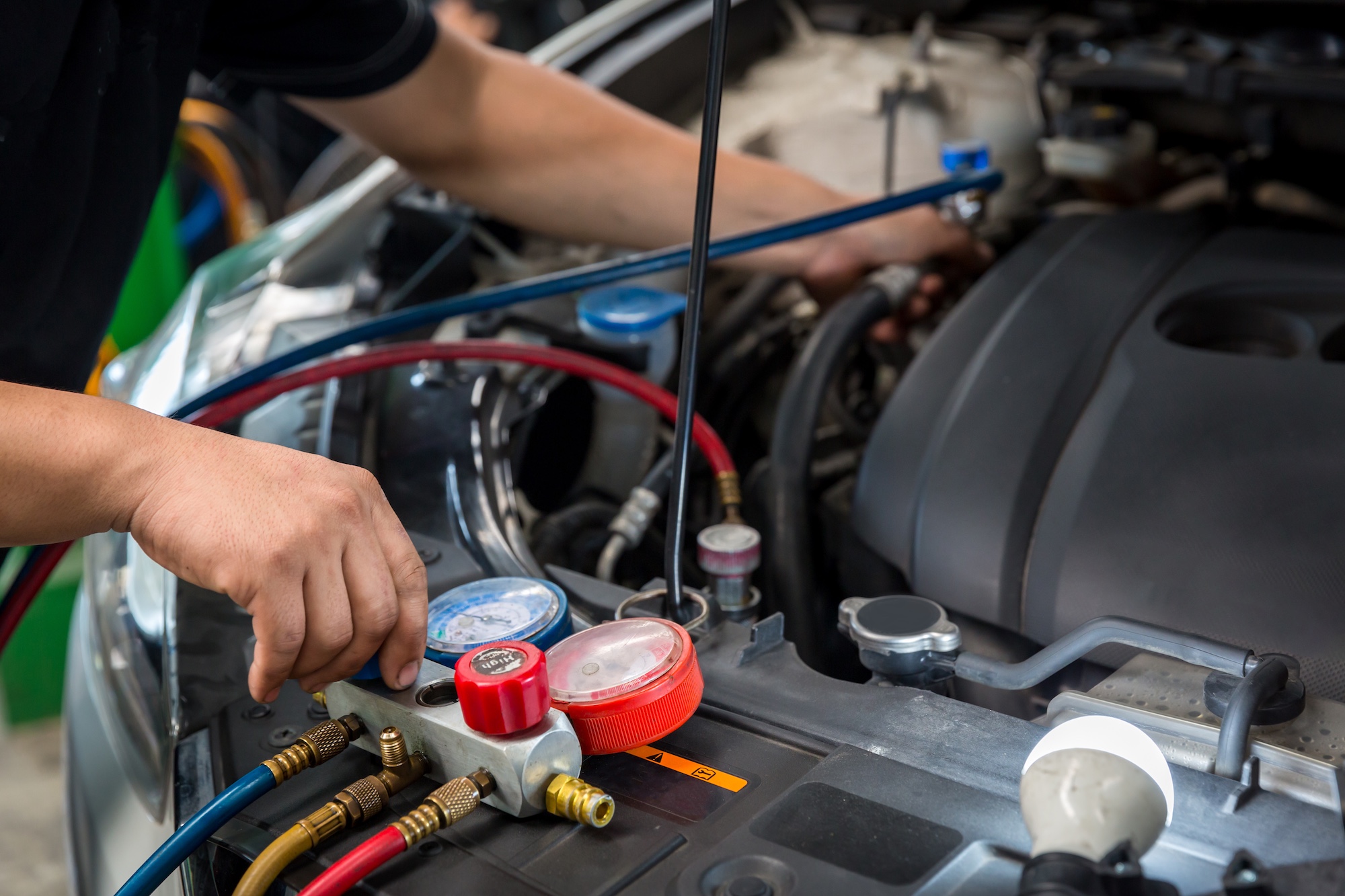
Sometimes the issue isn't your technique but compromised system performance you can't see. Refrigerant leaks represent the most common hidden problem that gradually degrades cooling efficiency over months. You might not notice the decline because it happens slowly, but eventually, your AC takes longer to cool, never quite reaches that crisp coldness, and struggles during the hottest parts of the day.
These leaks occur in components you never see evaporator coils hidden behind dashboards, condenser units in front grilles where road debris causes punctures, or connection points where rubber seals deteriorate under extreme heat. The refrigerant doesn't leak dramatically; it seeps slowly, sometimes taking months to drop below functional levels. Professional Auto AC leak detection Sharjah services use specialized equipment including UV dye injection and electronic sensors to identify microscopic breaches that visual inspection misses.
Addressing leaks before they completely drain your system saves money and prevents secondary damage. When refrigerant levels drop too low, compressors run without adequate lubrication, accelerating wear on expensive components. What starts as a simple leak repair escalates into compressor replacement costing thousands. Regular system checks catch these issues early, ensuring your AC delivers maximum cooling performance exactly when summer heat peaks.
Your AC system battles against heat radiating from every interior surface, and managing those surfaces directly amplifies cooling effectiveness. Steering wheel covers, dash mats, and seat covers made from reflective or light-colored materials can reduce surface temperatures by twenty to thirty degrees. This translates to the difference between surfaces too hot to touch and surfaces merely warm.
Windshield sun shades deserve particular attention because your windshield represents the largest single glass surface admitting solar radiation. Quality reflective shades can reduce interior temperature by fifteen degrees during parking, translating to faster cooling when you return. The investment costs less than one tank of fuel but delivers returns every day you park in sunlight.
Consider the thermal mass principle working against rapid cooling. Your seats, dashboard, and door panels store tremendous heat that continues radiating for minutes after AC begins. Leather seats especially act as heat reservoirs, staying uncomfortably hot long after air temperature drops. Ventilated seats address this by removing heat from the surface you're sitting on rather than just cooling surrounding air. For vehicles without this feature, light-colored seat covers provide the next best solution.
Parking location and orientation dramatically affect how much heat your car accumulates, which determines how quickly you can cool it later. Strategic shade hunting goes deeper than just finding any tree. East-facing parking in the morning and west-facing spots in the afternoon minimize direct windshield sun exposure during peak hours.
Underground or covered parking represents the gold standard, reducing interior temperatures by twenty-five to thirty-five degrees compared to open-air parking. If you have choice in parking location, prioritize covered options even if they require longer walks. The minutes saved in cooling time exceed the extra walking.
Time-based strategies also matter for unavoidable sun exposure. If you'll return around 2 PM when sun is most intense, parking on the eastern side of buildings provides afternoon shade. These considerations compound over time, reducing daily heat stress and improving your vehicle's interior condition since extreme heat accelerates material degradation.
Achieving maximum chill in your car isn't about having the most powerful AC system; it's about understanding thermal dynamics and applying strategic interventions. The combination of pre-entry ventilation, proper AC sequencing, surface temperature management, and smart parking reduces cooling time from ten minutes down to five minutes while improving system efficiency.
These techniques require minimal effort once they become habit, yet deliver immediate benefits that transform your driving experience during brutal summer months. They reduce strain on your AC by minimizing the temperature differential it must overcome, extending component life and preventing premature failures. Mastering these strategies puts you in control of your cabin environment.

The moment you decide to upgrade your heating system marks the beginning of a journey filled with more complexity than most people anticipate. What seems like a straightforward purchase transforms into a maze of technical specifications, conflicting advice, and decisions that will affect your home's comfort and energy bills for the next two decades. The stakes are higher than they appear because mistakes made at the buying stage don't reveal themselves until winter arrives and you're left wondering why your expensive new radiators aren't delivering the warmth you expected.
Most heating upgrade regrets stem from the same fundamental error: treating radiator selection as a shopping exercise rather than a matching process. People browse websites, compare prices, pick models that look appealing, and assume everything will work out fine once installed. This approach ignores the critical reality that radiators must match your specific property, existing system capabilities, and actual heating requirements. A radiator that performs brilliantly in one home might prove completely inadequate in another, not because of any quality deficiency, but simply because it wasn't the right fit for that particular situation. Understanding how to avoid these costly mismatches requires stepping back from product catalogues and starting with questions about your home itself.
Your existing boiler, pipework, and system pressure determine what radiators will actually work effectively, regardless of what specifications promise on paper. A common and expensive mistake involves purchasing high-output radiators that your boiler simply cannot support adequately. If your boiler outputs 24 kilowatts and you're trying to heat a large home, adding bigger radiators doesn't magically increase the available heat. You're just spreading the same amount of heat across larger surface areas, potentially leaving every room slightly cooler than before. The boiler capacity sets an absolute ceiling on system performance that no radiator upgrade can overcome.
System pressure and flow rates create similar limitations that catch people unprepared. Older heating systems designed around large-bore pipes and traditional radiators often struggle when upgraded to modern compact designs expecting higher flow rates. The result is radiators that never reach their rated temperature, creating cold spots at the top or sides despite the boiler running constantly. Thermostatic radiator valves from previous installations might not suit new radiators, creating balancing issues where some rooms overheat while others barely warm up. Before spending anything on new radiators, you need an honest assessment of whether your current system infrastructure can actually support the upgrade you're planning, or whether additional work is necessary to enable the radiators to perform as intended.
Designer radiators have transformed heating from purely functional to aesthetically significant, which generally improves homes but also creates a dangerous temptation. Vertical models, sculptural designs, and sleek contemporary styles catch the eye and promise to enhance room aesthetics dramatically. The problem emerges when visual appeal becomes the primary selection criterion while heat output becomes secondary. A stunning vertical radiator occupying minimal wall space might output only half the BTUs of a traditional horizontal model that would actually heat the room properly, leaving you with something beautiful that fails at its fundamental purpose.
The relationship between radiator size and heat output follows physics that aesthetics cannot override. Surface area directly determines how much heat a radiator can emit into a room. Compact designs sacrifice output for space savings, which works perfectly in well-insulated small rooms with modest heating needs but proves disastrous in larger or poorly insulated spaces. Column radiators with depth can partially compensate by increasing surface area without requiring more wall width, but they still cannot defy the basic principle that more output requires more radiator. Choosing style over substance means either living with inadequate heating or running your system harder and longer to compensate, increasing energy costs throughout the radiator's lifetime and potentially reducing its lifespan through excessive demand.
Radiators arrive as finished products, which creates the illusion that installation is straightforward. The reality involves pipework modifications, valve compatibility, wall strength considerations, and clearance requirements that vary dramatically between radiator types. Purchasing radiators before understanding these installation realities leads to expensive surprises when fitters explain that walls need reinforcing, pipes need rerouting, or additional components are necessary. What seemed like a simple swap becomes a complex job requiring carpentry, plastering, and decorating work that multiplies the budget beyond recognition.
Wall mounting requirements vary enormously based on radiator weight and design. Traditional steel panel radiators mount relatively easily on standard walls, but heavy cast iron or oversized designs require substantial fixings and might need wall reinforcement to support the weight safely when filled with water. Towel radiators in bathrooms often need backing boards or reinforced areas that should be planned during initial bathroom fitting rather than attempted retrospectively. Vertical radiators create unique challenges because their mounting points carry more stress than horizontal models, and installation on stud walls or old lath-and-plaster surfaces might prove impossible without significant structural work. Understanding these requirements before purchasing prevents the frustration of owning radiators that cannot be installed as planned.
Radiator materials determine far more than initial cost and appearance. The metal chosen affects how quickly rooms heat up, how long heat is retained after the system switches off, maintenance requirements, and ultimate lifespan. Steel radiators dominate the market through affordability and availability, but they corrode internally over time if system water quality isn't maintained properly, potentially leading to leaks and efficiency losses within ten to fifteen years. Cast iron offers exceptional durability and heat retention but comes with weight and cost penalties that make it unsuitable for many installations.
Alternative materials provide different performance characteristics that suit specific situations better. Reina aluminium radiators and similar products from various manufacturers offer rapid heat-up times because aluminium conducts heat exceptionally well, making them ideal for rooms used intermittently where quick temperature response matters more than heat retention. The lightweight nature of aluminium simplifies installation and reduces structural demands on walls, while the material's natural corrosion resistance in properly maintained systems contributes to extended lifespan. However, aluminium requires compatible system water treatment because mixing metals can accelerate corrosion, meaning you cannot simply drop aluminium radiators into systems containing steel or copper components without proper inhibitors. These material considerations extend beyond simple product selection into system compatibility questions that need addressing before purchasing.
Every radiator displays a heat output figure measured in BTUs or watts, creating the appearance of objective comparison between models. Unfortunately, these figures represent performance under specific test conditions that might bear little resemblance to your actual installation. Standard testing uses a delta T of fifty degrees, meaning the average water temperature in the radiator sits fifty degrees above room temperature. This assumes water flowing in at seventy-five degrees Celsius, returning at sixty-five degrees, and heating a room to twenty degrees. Modern condensing boilers often run at lower temperatures to maximize efficiency, immediately reducing actual radiator output below the advertised figure.
The gap between tested output and real-world performance can reach twenty to thirty percent or more, meaning a radiator rated at five thousand BTUs might deliver only thirty-five hundred BTUs in your actual system. This discrepancy explains why seemingly adequately sized radiators fail to heat rooms properly despite matching BTU calculations. The solution involves either choosing radiators with significantly higher output than calculations suggest you need, or ensuring your heating system runs at temperatures compatible with standard test conditions. Some manufacturers now publish output figures at multiple delta T values, allowing more accurate predictions of real-world performance. Taking time to understand these test conditions and selecting accordingly prevents the expensive mistake of undersized radiators that never meet expectations regardless of how long they run.
Heating systems evolve over their lifetime as technology improves, regulations change, and your needs shift. Purchasing radiators that work adequately with your current setup but leave no margin for future changes means potentially needing replacements earlier than necessary. Homes gradually improving insulation through window upgrades, wall insulation, or loft improvements will need less heat over time, potentially making oversized radiators wasteful. Conversely, home extensions, conservatory additions, or converting garages into living spaces increase heating demands that existing radiators might not accommodate.
Energy policy trends toward lower system temperatures and renewable heat sources like heat pumps create additional future-proofing considerations. Heat pumps work most efficiently at lower flow temperatures than traditional boilers, typically around forty-five to fifty-five degrees rather than seventy to eighty degrees. Radiators adequately sized for current boiler temperatures might prove completely inadequate if you later switch to a heat pump without replacement. Choosing radiators with output margins above your current minimum requirements, or selecting larger sizes than strictly necessary, builds in adaptability for future system changes. This approach costs more initially but potentially saves thousands in premature replacements when technology or circumstances change.
Upgrading your heating system represents a significant investment that should deliver comfort and efficiency for decades, but only if you avoid the costly mistakes that undermine so many radiator purchases. Success requires looking beyond attractive designs and appealing prices to understand system compatibility, installation realities, material properties, and performance ratings in context. Your existing infrastructure sets boundaries on what radiators can achieve, regardless of specifications or promises. Appearance matters for daily satisfaction, but function must take priority if you want rooms that actually stay warm. Installation requirements need addressing before purchase, not discovered afterward when radiators cannot mount properly or require extensive additional work. Material selection influences both immediate performance and long-term reliability in ways that initial price comparisons completely miss. Understanding how test conditions relate to real-world output prevents the disappointment of radiators that never deliver expected heat despite running constantly. Building in margin for future changes protects your investment against evolving technology and circumstances. These considerations demand more thought than typical product shopping, but they separate heating upgrades that succeed for decades from expensive mistakes requiring correction within years.
The kitchen is the heart of the home. It is where we cook, eat, socialise, and in recent years even work. Yet, despite being the busiest room in the house, it is often the most neglected when it comes to heating.
If you have a small or galley-style kitchen, you are likely familiar with the "Wall Space War." Every inch of horizontal wall space is fighting for a purpose. You need space for cabinets, space for the fridge, space for the oven, and space for worktops. By the time you have planned your dream kitchen layout, there is often nowhere left to put a standard horizontal radiator.
This forces many homeowners to make a cold compromise: rely on the oven to heat the room (inefficient) or install a tiny "plinth heater" that barely takes the chill off.
But there is a third option that saves space and delivers high heat output: Vertical Column Radiators.
In this guide, we explore why going upright is the smartest move for your kitchen renovation, and how slim vertical radiators can turn useless narrow gaps into powerful heating zones.
In a standard living room, a radiator sitting under a window is fine. In a kitchen, that space is prime real estate.
Under the window: Usually occupied by the sink and base units.
Long walls: Occupied by tall fridge-freezers or pantry cupboards.
Short walls: Often blocked by doors.
Trying to squeeze a horizontal radiator into a modern kitchen usually means sacrificing a cabinet (losing storage) or placing the radiator behind a dining table (blocking the heat).
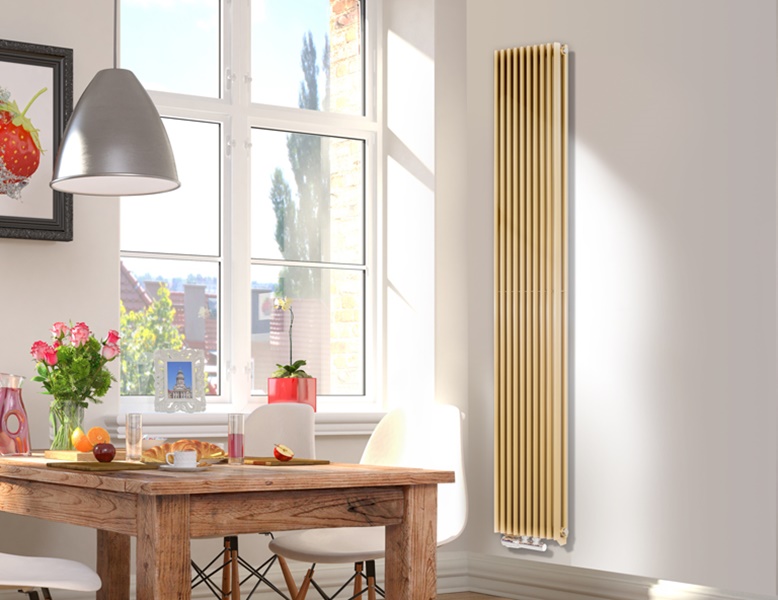
This is where the kitchen column radiator changes the game. By flipping the orientation from horizontal to vertical, you reduce the radiator's footprint from 1000mm+ wide to as little as 300mm wide, without losing heat output.
The true magic of vertical radiators lies in their ability to utilize "dead space"—those awkward, narrow strips of wall that are too small for a cupboard but look empty if left bare.
Here are the top three "secret spots" to install slim vertical radiators in a small kitchen:
Many older UK homes have structural pillars or chimney breasts that interrupt the run of kitchen cabinets. These protrusions are often 300mm to 500mm wide—too narrow for a standard unit, but perfect for a 2-column vertical radiator. By mounting a radiator here, you turn an architectural annoyance into a stunning industrial feature.
Look at the end of your worktop run or where your tall fridge-freezer housing ends. There is often a gap of 20-30cm before the door frame or the corner of the room. A tall, thin column radiator fits perfectly here. Because column radiators project into the room, they use depth rather than width to generate heat, making them ideal for these tight squeezes.
This is the most underused space in British homes. If your kitchen door is usually left open, the wall behind it is dead space. A slim vertical radiator can happily sit behind an open door (provided you install a door stop to prevent the handle hitting the radiator!). This keeps the heating completely invisible when the door is open, but fully functional.
You might be asking, "Why not just a flat panel vertical radiator?"
While flat panels are good, kitchen column radiators offer distinct advantages for the culinary environment:
1. Higher Surface Area = Higher Heat Kitchens can be cold, often featuring tiled floors and cold external doors. Column radiators are made of multiple tubes (columns). This design creates a massive surface area compared to a flat panel. A 1.8m tall column radiator can pump out a serious amount of BTUs (British Thermal Units), ensuring your kitchen stays warm even in the depths of winter.
2. The "Drying" Factor Let’s be practical: kitchens generate wet tea towels and hand towels. The gaps between the columns in a vertical radiator are perfect for attaching magnetic towel bars or simply tucking a towel in to dry. It effectively doubles as a heated towel rail without looking like bathroom furniture.
3. Durability Kitchens are high-traffic zones. Radiators here get knocked by vacuum cleaners, shopping bags, and chairs. Our steel column radiators are incredibly robust. Unlike flimsy aluminium that dents easily, a mild steel column radiator can take the knocks of family life.
Vertical radiators don't just save space; they draw the eye upwards, making small kitchens feel taller and airier.
The Modern Contrast: If you have white gloss cabinets, opt for a textured Anthracite or Black vertical radiator. This creates a bold, monochromatic look that matches modern ovens and appliances.
The Country Cottage: If you have shaker-style cabinets in sage green or cream, a White or Raw Metal column radiator adds to that traditional, farmhouse aesthetic.
If you are planning to squeeze slim vertical radiators into a narrow kitchen gap, keep these technical tips in mind:
Watch the Valves: Standard valves stick out of the sides of the radiator, adding about 10-15cm to the total width. If space is tight, ask for "Corner Valves" or "Angled Valves" that allow the pipework to come from the wall or floor without extending the width.
Check the Depth: Remember that a 3-column radiator is deeper than a 2-column one. If you are placing it behind a door, ensure the door can open wide enough. For very tight spots, our 2-column vertical range is the slimline hero you need.
Don't let a small footprint force you into a cold kitchen. By thinking vertically, you can unlock wall space you didn't know you had.
Slim vertical radiators offer the perfect marriage of form and function: they slide into the narrowest gaps between cabinets, provide exceptional heat output, and add a designer flourish to your renovation.
Whether you are looking to heat a galley kitchen or a compact diner, look up—the solution is vertical.
Ready to reclaim your wall space? Browse our full range of Kitchen Column Radiators here, available in slim widths and high-output configurations to suit every home.
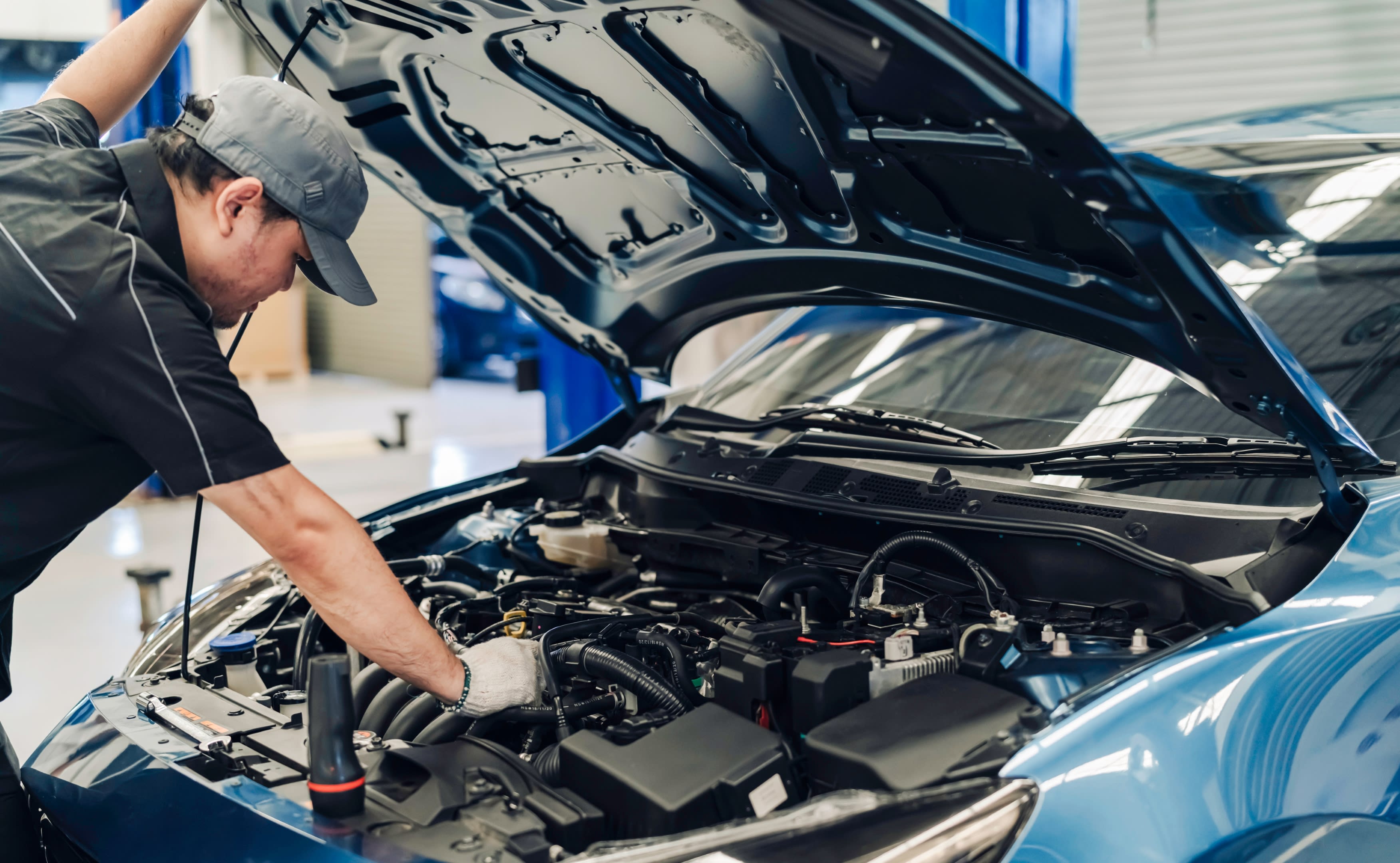
We have all done it. You are driving home after a long day, navigating the busy streets of Sharjah or the highways of Dubai. You press the brake pedal as you approach a traffic light, and you hear it: a high-pitched, piercing squeak.
What is the most common reaction? Instinctively, many drivers reach for the volume dial on the radio and turn it up. If you can’t hear the problem, it doesn’t exist, right?
It’s a human response to avoid dealing with a potential issue, hoping it’s just a piece of dust or morning dew on the brake pads. And sometimes, it is. But more often than not, that squeak is your car desperately trying to communicate with you. It is an auditory distress signal.
In the realm of General Maintenance & Repairs, few systems are as critical as your brakes. An engine failure might leave you stranded on the side of the road, which is inconvenient. A brake failure, however, means you cannot stop when you need to, turning your vehicle into a two-tonne unguided missile.
Living in the UAE presents unique challenges for vehicles. The combination of high-speed highway driving, intense stop-and-go city traffic, and scorching ambient temperatures places immense stress on braking systems. In this environment, ignoring that "little squeak" isn't just negligence; it's a gamble with your safety and the safety of everyone sharing the road with you.
At Smart Garage, we believe that an informed driver is a safer driver. This article will peel back the layers of that annoying noise, explaining why professional brake inspections are the most vital aspect of vehicle maintenance and why ensuring optimal stopping distance maintenance is non-negotiable.
Your car’s braking system is designed to warn you before it fails completely. Those noises you hear aren't accidental; they are engineered indicators of wear. Understanding what they mean is the first step toward safety.
The High-Pitched Squeal (The Early Warning)
This is the sound we discussed in the introduction. Most modern brake pads are manufactured with a small metal tab built into them, known as a wear indicator. When the friction material on the pad wears down to a specific safe limit (usually around 3mm), this metal tab makes contact with the metal brake rotor (disc). The resulting metal-on-metal contact creates that high-pitched squeal whenever you apply the brakes. This is the system working exactly as intended. It is telling you: "Time for a Brake pad replacement UAE very soon."
Caveat: Sometimes, a squeak can be caused by accumulated brake dust or moisture from high humidity, especially first thing in the morning. If the noise disappears after a few stops, it might be okay. If it persists every time you brake, it’s the wear indicator.
The Grinding Growl (The Red Alert)
If you ignore the high-pitched squeal for too long, the sound will eventually change. The remaining friction material on the pad will wear away completely, leaving only the metal backing plate. When you press the brake pedal, you are now forcing raw metal against the metal rotor. This creates a loud, guttural grinding or growling sound that you can feel through the pedal. This is an emergency. It means you have zero effective braking material left. Not only is your stopping power severely compromised, but you are also actively destroying your expensive brake rotors, turning a simple pad replacement into a major repair job.
The Wobble or Vibration
Sometimes, the issue isn't a sound, but a feeling. If your steering wheel shakes or the brake pedal pulses when you stop, it usually indicates warped brake rotors. Rotors can warp due to excessive heat—a common occurrence during UAE summers—or uneven pad wear. This vibration means your pads aren't making even contact with the disc, increasing your stopping distance.
2. The UAE Factor: Why Brakes Fail Harder Here
The physics of braking is simple: your braking system converts the immense kinetic energy of a moving car into heat energy through friction. The faster and heavier the car, the more heat is generated.
In many parts of the world, the ambient air temperature helps cool down the braking components after you stop. In the UAE, however, the environment works against you.
The Heat Compound Effect
When the outside temperature is 45°C (113°F), the asphalt can exceed 65°C. Your braking components are already hot before you even use them. When you apply the brakes from highway speeds of 120 km/h, the temperatures at the rotor and pad interface can spike to hundreds of degrees Celsius instantly. This extreme heat can lead to a phenomenon called "brake fade." This happens when the components get so hot that the friction material on the pads glazes over, or the brake fluid boils (more on that later). The result? You press the pedal, it feels spongy, and the car just doesn’t want to stop.
The Dust and Sand Element
The UAE environment is notoriously dusty. Fine sand is abrasive. When this sand gets trapped between the brake pad and the rotor, it acts like sandpaper, accelerating wear and scoring the rotor surface, leading to squeaks and reduced efficiency.
Because of these unique environmental factors, the standard manufacturer recommendations for brake service intervals often don't apply here. You need more frequent inspections to ensure safety.

We often talk about car maintenance in terms of oil changes and tyre rotations, but we rarely discuss stopping distance maintenance. Yet, this is the metric that actually saves lives.
Stopping distance is the total distance your car travels from the moment you perceive a hazard to the moment the car comes to a complete halt. It is a combination of thinking distance + braking distance.
While we can’t improve your reaction time, general maintenance is entirely responsible for the braking distance.
Consider this scenario: You are driving on Sheikh Zayed Road at 100 km/h. Traffic suddenly comes to a dead stop ahead.
A car with brand new brake pads, healthy rotors, and fresh brake fluid might stop in approximately 40 meters.
A car with worn pads (the ones that have been squeaking for a month) and old fluid might take 55 meters or more to stop.
That 15-meter difference roughly the length of three large SUVs is the difference between a heart-pounding near-miss and a devastating rear-end collision.
Maintaining your brakes isn't just about silencing a noise; it's about maintaining the minimum possible stopping distance to protect yourself and your family when seconds count.
4. Beyond the Pads: What a Real Brake Inspection Looks Like
Many drivers assume a brake job just means "slapping on new pads." At Smart Garage, a professional car safety inspection regarding brakes is far more comprehensive. The squeak might come from the pads, but the danger could lie elsewhere.
When you bring your car to us because of a noise, we inspect the entire hydraulic and mechanical system:
1. Brake Fluid Analysis
This is the most overlooked part of brake maintenance. Brake fluid is hygroscopic, meaning it absorbs moisture from the air over time. In the humid coastal climate of Sharjah and Dubai, this happens faster. Water in the brake fluid lowers its boiling point. Under heavy braking, this water can boil into steam. Since steam is compressible and liquid is not, your pedal will go straight to the floor, and the brakes will fail. We test the moisture content of your fluid to ensure it’s safe.
2. Rotor (Disc) Thickness and Condition
We don't just look at the rotors; we measure them. Every manufacturer specifies a minimum safe thickness for their rotors. If they are too thin, they cannot dissipate heat effectively and are prone to warping or cracking. If they are scored from sand or metal-on-metal grinding, they may need to be resurfaced (skimmed) or replaced entirely.
3. Caliper Health
The calipers are the hydraulic clamps that squeeze the pads against the rotors. The slide pins in the calipers need to be lubricated and move freely. If they seize up due to dust or corrosion, the brake pads can drag against the rotor even when you aren't braking, causing massive overheating, premature wear, and fuel wastage.
4. Brake Lines and Hoses
We inspect the rubber hoses that carry the high-pressure brake fluid to the wheels. In the UAE heat, rubber dries out and cracks. A burst brake hose means immediate and total brake failure on that circuit.
Conclusion: Silence is Golden, Squeaks are Danger
In the grand scheme of General Maintenance & Repairs, changing your oil keeps your engine running, but maintaining your brakes keeps you alive.
It is easy to postpone a brake inspection. life gets busy, and nobody wants to spend money on car repairs if the car still seems to be driving fine. But that high-pitched squeak is a gift—it’s a warning shot across the bow that gives you time to act before damage occurs or safety is compromised.
Don't turn up the radio. Don't hope it goes away. The heat of the UAE summer takes no prisoners when it comes to neglected vehicle components.
If your car is speaking to you, listen.
If you are hearing a squeak, feeling a vibration, or if it’s simply been more than six months since your last check-up, it is time for a professional assessment. At Smart Garage in Sharjah, our experienced technicians understand the local driving conditions better than anyone. We provide honest, thorough car safety inspections and carry out expert Brake pad replacement UAE using high-quality parts that can handle the heat.
Protect your family and your vehicle. Bring your car in today and ensure your stopping power is as reliable as your engine power. Because the only good brake noise is no noise at all.
We have become masters of the "visual bite." We design our homes to be consumed in a single, static image. Our obsession with how our spaces look on a screen has created an entirely new school of design: interiors as backdrops, rooms as sets, and life as a curated gallery. We have perfected the art of the "anesthetized home"—a space that is visually flawless but sensorially sterile. It is a home that looks perfect but feels profoundly wrong. We are so focused on pleasing our eyes that we have forgotten how to design for our other senses.
This sensory deprivation is the source of the vague, unshakeable discomfort we feel in so many "perfect" modern spaces. It is a home that is silent, but not calm. It is a home that is clean, but feels sterile. It is a home that is warm, but feels stuffy. We are multi-sensory beings, yet we are living in single-sense environments. The problem is that we have relegated the most powerful sensory modulators in our home—our heating, our lighting, our acoustics—to the realm of "utilities." The most profound shift in modern design is the reclamation of these utilities, transforming them from functional afterthoughts into the primary tools for crafting a holistic, sensory-rich experience.
Our homes have become visually "loud" with screens but "quiet" in texture. We need to reintroduce depth, shadow, and pattern. The structure of modern column radiators, for example, breaks the visual monotony of a flat wall, creating a dynamic play of light that satisfies the eye's need for complexity. This is the first layer of our sensory awakening. We must admit that our eyes are, quite simply, bored. The visual diet of the modern home is one of flat, lifeless surfaces: the smooth, unchanging void of a plasterboard wall, the perfect sheen of an engineered floor, the blank face of a standard panel radiator. Our eyes, which evolved to scan the complex, textured, and ever-changing patterns of the natural world, are starved of this "visual nutrition."
This is why a room with texture feels so much more satisfying. We crave visual rhythm. The re-emergence of heating elements as deliberate design features is a direct response to this visual starvation. A column radiator, for instance, is not just an object; it is a pattern. It is a piece of rhythmic, three-dimensional sculpture. Its repeating vertical lines create a visual cadence, a pleasing, predictable rhythm that the eye can follow and rest upon. It breaks the "tyranny of the flat plane." More importantly, it brings a dynamic quality to the wall. As the sun moves across the room, a flat wall's appearance is static. But the light that rakes across the tubes of a column radiator creates a constantly shifting play of highlights and shadows, a "light-catching" event that makes the wall feel alive and connected to the time of day. This is a visual complexity that is calming, not chaotic. It’s the difference between a blank page and a line of poetry. It re-engages the eye and gives it something to "read," transforming a dead wall into a living surface.
The "haptic sense," our sense of touch, is arguably the most neglected. We live in a haptic void, a world of surfaces that are smooth, cold, and artificial. Think of the cold, featureless glass of a smartphone, the engineered smoothness of a quartz countertop, or the hollow, plastic feel of a mass-produced piece of furniture. We are starving for tactile feedback, for materials that feel real. This is why "material honesty" has become such a powerful concept. It is a desire for materials that feel like what they are. This is where our source of heat becomes a primary point of tactile interaction. You brush against it, you stand near it, you feel its presence.
The standard panel radiator is a haptic failure. It is a thin sheet of steel, disguised under a thick, plastic-like coat of enamel, and it often feels hollow to the tap. It is a "dishonest" material. Now, contrast that with the sensory feedback of a modern column radiator or a classic cast-iron model. Its primary quality is substance. It is heavy, solid, and permanent. When you touch it, even when cold, it has a cool, satisfying, metallic density. When warm, it radiates a deep, penetrating heat that feels entirely different from the hot, thin air of a convector. The choice of finish becomes a major haptic decision. A raw metal finish, often just clear-coated steel, allows you to feel the subtle, industrial texture of the metal itself. A matt anthracite or black finish has a chalky, mineral-like, almost-soft texture that evokes slate or soapstone. This is not just a "look"; it is a feel. It re-introduces a sense of permanence and material authenticity into a room, satisfying our deep-seated need to be surrounded by things that feel solid, genuine, and "grounded."
Our skin is our largest organ, and its "thermal sense" is incredibly nuanced. It is not a simple thermometer. It is a sophisticated detector that can tell the difference between "natural" and "artificial" warmth. For decades, we have accepted a profound thermal deception: the idea that "hot air" equals "comfort." The convector-based system of a standard panel radiator is designed to process air. It heats the air, which then rises, cools, and falls, creating a constant drafty loop. This is the source of that stuffy, dry-air feeling. Our skin perceives this as "aggressive" warmth. It is the feeling of having hot, dry air blown at you. It creates thermal stratification, leaving your head warm and your feet cold, an imbalance that our bodies register as unnatural and stressful.
Radiant heat is a completely different sensory experience. This is the warmth that column radiators and cast-iron models excel at producing. Their large surface area allows them to heat objects, not just the air. They radiate thermal energy in gentle waves that are absorbed by your skin, the sofa, the floor, and the walls. . This is the "passive" and "enveloping" warmth we associate with nature, like the feeling of turning your face to the sun or standing near the glowing embers of a fire. Your skin is not being blasted by hot air; it is simply absorbing warmth from the surrounding environment. The air itself stays cooler, fresher, and more humid, while your body and the objects around you feel deeply and pleasantly warm. This is the difference between a room that is warm and a room that is merely filled with hot air. It is the most critical sensory shift you can make, and it is the key to true thermal comfort.
We often mistake "quiet" for "silence." A modern home can be "quiet" in that it’s insulated from outside traffic, but it is rarely "silent." It is filled with the low-level, artificial noise of its own systems: the hum of electronics, the whir of fans, and the constant, anxiety-inducing ping, tick, click, and groan of a low-mass heating system. This noise is the sound of "thermal stress." A thin panel radiator, when hit with a rush of 70°C water, expands rapidly, creating a loud ping. As it cools, it contracts, ticking and groaning. These sounds are jarring. They are a constant, mechanical reminder that your comfort is being artificially maintained by a stressed, straining machine.
A high-mass, high-surface-area heating element, such as a heavy steel column or cast-iron radiator, is a master of "acoustic comfort." Because of its sheer substance and its ability to work efficiently at lower, more stable water temperatures, it heats up and cools down slowly, evenly, and gracefully. It does not suffer from the same violent expansion and contraction. It does not ping. It does not tick. It is silent. This is not an absence of sound. It is the presence of stability. It is the positive, calming, sensory feedback of a home that is in equilibrium, a home that is not straining to keep you comfortable. In a world of constant digital and mechanical noise, this deep, thermal silence is perhaps the ultimate, most profound luxury. It creates a calm, restful sanctuary where your mind is not being constantly snagged by the sounds of its own support systems.
The final, most subtle sense is the "kinesthetic" one. This is our body’s awareness of its own movement and position in space. The design of a room is a piece of choreography, and our "utilities" are often the clumsiest dancers. The old, low-slung horizontal radiator is a prime example of a "spatial block." It sat in the most valuable real estate in the room—the space beneath a window—and dictated all other movement. It was an obstacle. We had to arrange our furniture to avoid it, creating awkward flow and "dead zones." Our kinesthetic sense registered it as a blockage that we had to constantly navigate around.
The vertical radiator is a tool of spatial liberation. By moving the source of heat from the horizontal plane to the vertical plane, it releases the floor plan. It uses the "negative space" on the wall, the narrow, unused strips that were previously ignored. This single move completely re-choreographs the room. It allows for a free, unimpeded "flow" of movement. It allows you to place furniture based on light, conversation, and view, not based on the location of a clumsy appliance. The vertical radiator also draws the eye upward, engaging our kinesthetic sense by making us feel the full volume and height of the room, rather than just the cluttered floor plan. This is the difference between a room that feels like an obstacle course and a room that feels like an open stage. It allows for a more graceful, natural, and free "dance" of daily life.
A home that only looks good is a design failure. It is a stage set, and we are not actors; we are living, breathing, sensing beings. The truly "designed" home is not an image; it is an experience. It is a holistic environment that must appeal to all of our senses in harmony. The great "re-awakening" in modern design is the understanding that our heating elements are not just functional, single-purpose utilities. They are, in fact, powerful "sensory modulators."
The right heating element can be a symphony for the senses. It pleases the eye with pattern, rhythm, and a dynamic play of light. It satisfies the hand with the tactile, honest feel of solid, permanent materials. It calms the skin with the natural, enveloping embrace of radiant warmth, not the harshness of processed air. It soothes the ear with the deep, luxurious sound of thermal silence. And it frees the body by creating a kinesthetic sense of space, flow, and openness. This is the new, deeper definition of comfort. It is an environment where our senses are not numbed, but awakened, not assaulted, but harmonized. This is the home that truly feels as good as it looks.

We see it every day. It is a static, solid, and familiar part of our domestic landscape. We hang our towels on it, we lean against it for warmth, we curse it when it is cold, and we paint it to match our walls. To us, a radiator is a finished object, a simple, low-tech appliance that just is. We rarely, if ever, consider its origin story. We see a final, silent, and often beautiful product, but we are completely blind to the dynamic, violent, and incredibly complex journey it took to get there.
The truth is that the radiator on your wall is an object with a profound biography. Its life story is a dramatic one, a multi-act play that begins deep within the planet's crust, moves to the infernal heart of a blast furnace or the high-tech flash of an electrolytic cell, and passes through the mind of an artist and the precision-tooling of an engineer. It is a story of transformation, from raw, chaotic ore into a perfectly-formed, high-performance machine.
To truly understand the value, the power, and the purpose of the modern radiator, we must trace this secret life. This is the biography of your warmth, from the earth to your wall.
Before a single atom of metal is mined, the radiator begins its life as an abstract idea. It is born not in a factory, but in the mind of an architect, an interior designer, or an engineer. It is, at its core, a solution to a human problem. The "problem" is multifaceted. For decades, the standard radiator solved the basic problem of "cold," but it created a dozen new problems of aesthetics, space, and efficiency. It was a bulky, ugly, and inefficient "appliance" that designers had to actively hide. The revolution in home heating began when designers stopped accepting this compromise.
The brief for the modern radiator was, and is, a far more ambitious one. It is not just "how do we make a room warm?" It is "how do we make a room warm beautifully?" How do we do it intelligently? How do we create designer radiators that do not just add heat, but also add value, space, and art? This conception phase is the "soul" of the object. It is where the vertical, space-saving radiator was born from the problem of a tiny London flat with no free wall space. It is where the sleek, minimalist, flat-panel radiator was conceived to complement the clean lines of a Scandinavian-inspired build. It is where the bold, sculptural, "art" radiator was imagined as a direct challenge to the idea that utility must be ugly. And it is where engineers began to ask how they could use new materials to deliver this beauty with less water, less energy, and a faster response time. Every radiator you see is the physical answer to one of these questions.
Once the design (the "blueprint") is set, its physical journey begins. The radiator must be "born" from the raw, elemental materials of the planet. The choice of this material is the most fundamental decision in its life, as it will dictate its "personality" forever its weight, its speed, its very "feel." A radiator follows one of three primary "bloodlines."
The Path of Iron (The Heritage Bloodline): This is the most ancient and dramatic of births. It begins in the earth, with the mining of iron ore. This raw, reddish rock is then transported to a foundry, where it is subjected to an almost hellish process. It is crushed and fed into a blast furnace, where it is layered with coke (a purified form of coal) and limestone and subjected to temperatures exceeding 1600°C. This inferno melts the iron, separating it from its impurities (the "slag"), and results in a river of "pig iron." This molten metal is then poured into sand-cast moulds, which have been painstakingly created in the shape of the classic, multi-column radiator sections. This is a craft-based, labour-intensive process. The resulting radiator is born of "fire and earth." It is heavy, dense, and possesses an immense "thermal mass." It is a heritage object, a heavyweight built for a long, slow, and powerful life.
The Path of Aluminium (The Modern Bloodline): This is the high-tech, scientific birth. It begins as bauxite, a clay-like ore. But bauxite cannot be melted down in a simple furnace. It must be refined into alumina (aluminium oxide) and then subjected to a process of electrolysis. It is dissolved in a molten cryolite bath and zapped with a massive, high-voltage electrical current. This high-energy "birth" is what separates the pure aluminium atoms from the oxygen. This is a process of pure science. The resulting material is the polar opposite of iron. It is incredibly lightweight, an exceptional conductor of heat, and resistant to corrosion. It is not a heritage object; it is a piece of modern technology.
The Path of Steel (The Industrial Bloodline): This is the versatile, industrial "middle way." It also begins as iron, but it is put through a further refinement process. The molten iron is blasted with pure oxygen, which burns off excess carbon. This process transforms the brittle iron into strong, versatile, and malleable steel. This steel is then rolled into vast, precise sheets. This is the material of mass-production, engineered for a perfect balance of cost, strength, and performance. It is less "craft" than iron and less "tech" than aluminium, but it is the backbone of the modern heating industry.
The raw material, whether in the form of a cast-iron section, an aluminium ingot, or a steel sheet, is not yet a radiator. It is just a "blank." It must now be forged into the designer's original vision. This is where brute force meets high-precision engineering.
If it is a sheet of steel, it is fed into a colossal press that stamps it with the "waterways" that the hot water will flow through. It is then laser-welded to a corresponding back panel with micron-perfect precision to create a watertight, seamless bond. If it is a sculptural "art" radiator, it may be made using hydroforming. This is a cutting-edge technique where a simple steel tube is placed into a mould, and then injected with water at an immense pressure (often over 40,000 psi). This internal pressure forces the steel to "inflate" like a balloon, expanding to fill the complex, beautiful, and artistic shape of the mould.
If it is an aluminium radiator, the ingot is heated and forced through a custom-made "die" (a steel template) in a process called extrusion. This is like an industrial-scale pasta maker. It allows engineers to create incredibly complex internal shapes—fins, channels, and braces—that maximise the radiator's surface area while minimising the amount of water it needs to hold.
This is the "E-E-A-T" (Expertise, Experience, Authoritativeness, Trustworthiness) of the maker. This stage is where "cheap" and "quality" diverge. A cheap radiator is spot-welded and its seams are weak. A quality radiator is laser-welded and tested to 10-bar pressures. A cheap radiator is "dipped" in a single, thin coat of paint. A high-end radiator is shot-blasted, electro-statically primed, and then given a thick, durable powder-coat finish that is baked on like an enamel. This is the manufacturing "trial by fire" that determines the radiator's final strength, its resistance to leaks, and its lifespan.
After this long and arduous journey, the radiator is born. It is a finished, beautiful object. But it does not have a "job" yet. To get a job in your home, it must "audition." Its audition is its specification sheet, and its "Curriculum Vitae" is its technical data. This is the most crucial, and most often ignored, part of its entire life.
The single most important line on this CV is its "Key Skill": BTU (British Thermal Unit) Output. This is the only certified, third-party-tested measure of its power. This is what it can do.
But here is the secret: that BTU number is not fixed. A radiator's "performance" depends on the "fuel" you give it (the temperature of your boiler's hot water). A CV that just lists one BTU number is not telling you the whole story. A trustworthy, high-quality radiator's CV will list its performance at different "Delta T" values (the temperature difference between the water and your room).
This is where you become the "Hiring Manager." You have a "job" that needs doing: heating your living room, for example. You cannot just "eyeball" the candidates and pick the best-looking one. You must first write a "Job Description." This job description is your room's required BTU. It is a number based on your room's size, its windows, its insulation, and its exposure.
This is the one step that binds the radiator's entire life story to your own. You must use a reliable, expert BTU calculator to generate this "job description." This is the E-E-A-T of the homeowner. It is the act of being an expert and authoritative "Hiring Manager." When you have this number, you can confidently look at the "CVs" of all the beautiful radiators you love and know which one is actually qualified for the job.
Once the perfect candidate is selected, its journey is almost complete. It is carefully installed on your wall. The plumber connects the valves. The water flows. The radiator, after its long and dramatic journey from a raw piece of earth, finally fulfils its destiny. It comes to life. It becomes the silent, powerful, and constant heart of your room.
From this moment on, it is no longer just a piece of metal. It is the physical manifestation of a designer's vision, a metallurgist's science, and an engineer's precision. It is an object with a rich, complex, and violent past. By understanding its "biography," we can appreciate it not just as a static, functional object, but as the final, hard-won, and truly beautiful expression of our comfort.