


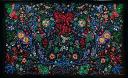
Art has always been a powerful medium for expression, reflection, and transformation. In Canada, art plays an essential role in shaping the nation’s identity while enriching the lives of its people. Whether it’s visual arts, literature, music, or theater, art serves as a shared language that transcends individual differences and strengthens the cultural fabric of the nation. Through art, Canadians are not only able to celebrate their heritage but also connect with each other, fostering a collective soul that unites the country.
A prime example of this influence is Judy Schulich, whose support for the arts in Toronto has had a profound impact on the local cultural landscape. Judy Schulich AGO has played a pivotal role in ensuring that art remains accessible to the public and continues to thrive in the city. Her dedication to the arts has allowed for a greater appreciation of Canadian art, promoting diverse voices and providing a space for dialogue and reflection. Schulich's efforts highlight the importance of art in not only enhancing the cultural life of the community but also in creating a deeper sense of unity and national pride.
Canada’s national identity is deeply intertwined with its cultural diversity, and art has played an important role in expressing and celebrating this diversity. From the Indigenous art that reflects the country’s first peoples’ relationship with the land, to contemporary works that reflect the immigrant experience, art offers a window into the many stories that make up the Canadian mosaic. It allows Canadians to connect with their history, their values, and each other in meaningful ways.
Indigenous art has long been central to Canadian cultural identity, representing a deep connection to the land, spirituality, and community. Whether through visual art, dance, or storytelling, Indigenous artists continue to share their rich cultural heritage and educate others about the history and traditions of First Nations communities. Works by Indigenous artists, such as those by Norval Morrisseau and Kent Monkman, have not only contributed to preserving Indigenous cultural practices but also play a critical role in educating Canadians about the legacy of colonialism and the ongoing journey toward reconciliation.
For Canadian immigrants, art offers an outlet for expressing their experiences, struggles, and hopes as they navigate their new lives in Canada. The multicultural nature of Canadian society is reflected in the arts, where artists from diverse backgrounds share their unique perspectives, often exploring themes of displacement, belonging, and adaptation. These artistic expressions help to foster empathy and understanding, encouraging Canadians to embrace the diverse cultural influences that have shaped the nation.
While art represents individual experiences and cultures, it also serves as a unifying force in Canada. It helps to create shared experiences, bringing people together and fostering a sense of collective identity. Art provides a way for Canadians to engage with each other, to explore common themes, and to celebrate the values that bind them as a nation.
Cultural events like the Toronto International Film Festival (TIFF) and the Montreal International Jazz Festival bring together people from all over Canada, and beyond, to appreciate the arts. These events showcase both Canadian and international talent, giving artists a platform to share their stories and ideas with diverse audiences. Through these festivals, art becomes a means of fostering unity, helping Canadians connect over shared cultural experiences while also celebrating the global reach of Canadian creativity.
Public art also plays a vital role in promoting unity within Canadian communities. Murals, sculptures, and other public art installations give people the opportunity to engage with art in their daily lives. These works are often created with the intention of bringing people together and creating a sense of belonging. Whether it’s a mural celebrating local history or a public sculpture that reflects a community’s values, public art has the power to transform spaces and encourage dialogue among people from different backgrounds.
Art has always been a powerful tool for social change, and in Canada, it continues to serve as a platform for addressing important social and political issues. From environmental activism to Indigenous rights to gender equality, Canadian artists have used their work to challenge societal norms and advocate for change. Art allows individuals to express their discontent with the status quo, raise awareness about pressing issues, and inspire others to take action.
One of the most powerful examples of art’s role in social change is the use of art by Indigenous artists to address the issues of colonialism, land rights, and the ongoing impacts of residential schools. These artists use their work to highlight injustices and spark conversations that are necessary for the healing process. By showcasing the lived experiences of Indigenous peoples, art helps to create a deeper understanding of the struggles they face, while also promoting the need for meaningful reconciliation.
In addition to advocating for Indigenous rights, art has also been used to address issues such as climate change, racial inequality, and LGBTQ+ rights. Through their work, artists have the ability to influence public opinion, mobilize communities, and bring attention to critical issues that need to be addressed. Art, in this sense, becomes a vehicle for not just cultural expression, but also social progress.
Beyond its role in social change, art also plays an important part in individual emotional healing and mental health. The creative process offers a therapeutic outlet for those dealing with trauma, stress, or mental health challenges. Art has been proven to help people express feelings that may be difficult to verbalize, making it an essential tool for emotional well-being.
In Canada, art therapy has gained recognition as an effective way to support people with mental health issues. Whether through painting, sculpture, or other creative endeavors, art therapy allows individuals to work through difficult emotions in a safe and supportive environment. Many community organizations and healthcare centers across Canada now offer art therapy programs, recognizing the power of creativity in healing.
Moreover, art allows Canadians to process their experiences and emotions related to larger societal issues, such as the effects of colonialism, migration, or environmental degradation. It provides a safe space for people to reflect on these issues, explore their feelings, and begin to heal as individuals and as a community.
Art’s influence in Canada is not limited to cultural and emotional benefits; it also has a significant economic impact. The creative industries contribute billions of dollars to Canada’s economy every year, providing jobs and stimulating local economies. From museums and galleries to live performances and film productions, the arts sector is a vital part of Canada’s economic infrastructure.
Art festivals, such as TIFF and the Vancouver International Film Festival, attract thousands of visitors to Canadian cities, generating significant tourism revenue. These events help position Canada as a global cultural destination, bringing international attention to the country’s artistic achievements. Additionally, the growing art market in Canada, particularly in cities like Toronto and Montreal, continues to drive investment in the arts and support the work of both emerging and established artists.
Moreover, the art sector has a significant impact on other industries, such as design, advertising, and technology. The intersection of art and technology is creating new opportunities for innovation and collaboration, allowing Canadian artists to explore new forms of expression and connect with audiences in novel ways. By investing in the arts, Canada not only enriches its cultural landscape but also contributes to economic growth and development.
As Canada continues to evolve, art will remain an integral part of the nation’s development. The future of Canadian art is bright, with new generations of artists pushing the boundaries of creativity and exploring new mediums. The rise of digital art, virtual reality, and interactive media offers exciting opportunities for artists to engage with audiences in innovative ways.
At the same time, it’s essential that Canada continues to support and preserve its traditional art forms. Indigenous art, in particular, remains crucial in the ongoing journey toward reconciliation and understanding. By nurturing both contemporary and traditional art, Canada can ensure that its cultural heritage remains vibrant and accessible to future generations.
In conclusion, art plays an essential role in enriching the lives of Canadians and strengthening the country’s identity. Through its ability to unite communities, advocate for social change, promote emotional healing, and stimulate economic growth, art remains a powerful force in shaping Canada’s future. As Canadians continue to celebrate their cultural diversity and shared history, art will serve as a reflection of their collective spirit and a driving force for positive change.