


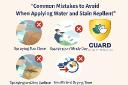
Applying a water and stain repellent may seem straightforward, but small mistakes during the process can significantly reduce its effectiveness.
Whether you are protecting concrete, stone, or other porous surfaces, proper application is essential for achieving long-lasting results.
Understanding what to avoid can help ensure better protection, improved durability, and consistent results.
One of the most common mistakes is applying the repellent on a surface that has not been properly cleaned. Dust, oil, grease, or previous coatings can block the product from penetrating effectively.
A water and stain repellent works by absorbing into the surface and forming a protective barrier. If contaminants are present, the product will sit unevenly or fail to bond correctly.
Thorough surface preparation is essential. Cleaning the surface and allowing it to dry completely ensures proper absorption and maximum performance.
Applying the product on a damp or wet surface can compromise its effectiveness. Moisture inside the material prevents the repellent from penetrating evenly, which can lead to patchy protection.
In some cases, trapped moisture can also cause whitening or surface defects after application.
It is important to ensure the surface is completely dry before applying the repellent. Checking weather conditions and allowing adequate drying time after cleaning can help avoid this issue.
Not all surfaces require the same application technique. Using the wrong method, such as an unsuitable sprayer or roller, can result in uneven coverage.
Some surfaces absorb quickly and require multiple coats, while others need a controlled, even application to prevent excess buildup.
Choosing the correct tools and following the recommended method ensures that the repellent is distributed uniformly and performs as intended.
Applying too much product does not improve protection — it often creates problems.
Excess product can lead to surface residue, streaking, or a sticky finish. Instead of penetrating properly, the repellent may remain on the surface and attract dirt over time.
The goal is to apply the product evenly and allow it to absorb naturally. Controlled application helps achieve a clean finish without unnecessary buildup.
Some surfaces require more than one coat to achieve full protection. Skipping the second application can leave areas under-protected, especially on highly porous materials.
A single coat may not provide complete coverage, which can reduce resistance to water and stains.
Applying a second coat at the right time, typically while the first coat is still slightly receptive, ensures deeper penetration and better overall performance.
After application, the repellent needs time to cure and form an effective barrier. Using the surface too soon can disrupt this process.
Foot traffic, water exposure, or cleaning before curing is complete can weaken the protective layer and reduce durability.
Following the recommended curing time is essential to achieve long-term results and ensure the surface is fully protected.
Weather and environmental factors play a crucial role in the success of the application.
Applying the product in extreme heat, direct sunlight, or windy conditions can cause rapid evaporation, preventing proper absorption. On the other hand, applying in cold or humid conditions can slow down curing and affect performance.
Choosing the right conditions, moderate temperature, low wind, and dry weather, helps ensure the repellent performs as expected.
Applying a water and stain repellent correctly is just as important as choosing the right product. Avoiding common mistakes such as poor surface preparation, over-application, or ignoring environmental conditions can significantly improve results.
From cleaning to curing, each step plays a vital role in ensuring long-lasting protection. When applied properly, a high-quality repellent enhances durability, prevents damage, and maintains the appearance of surfaces over time.
At Guard Industry, we provide advanced surface protection solutions along with expert guidance to help you achieve the best results. With the right approach, your surfaces can remain protected, clean, and durable for years to come.
Concrete is one of the most durable and widely used materials for outdoor spaces. From driveways and patios to walkways, terraces, and parking areas, it withstands heavy use and harsh weather. But even concrete is not invincible.
Over time, exposure to sunlight, rain, moisture, oil spills, and temperature changes can cause fading, cracks, staining, and surface wear.
This is where an acrylic sealer for concrete comes into the picture. Many property owners and contractors consider it a practical solution for protecting outdoor concrete surfaces. But is it truly suitable for outdoor use? Let’s explore in detail.
An acrylic sealer is a protective coating applied to concrete surfaces. It forms a thin, transparent film on top of the concrete, enhancing both protection and appearance.
There are two main types of acrylic sealers:
These are environmentally friendly, low-odour, and easier to apply. They offer moderate protection and are commonly used for decorative outdoor concrete.
These provide deeper penetration and a richer finish. They are often chosen for areas that require stronger protection and enhanced gloss.
Both types are widely used for outdoor applications, but their suitability depends on the specific conditions of the surface.
Concrete may appear solid and strong, but it is porous. This means it absorbs water, oil, and other contaminants. Over time, this absorption leads to:
Outdoor surfaces face additional stress from heat, rain, humidity, and traffic. Without proper sealing, concrete deteriorates faster than expected.
Applying an acrylic sealer for concrete helps create a protective barrier that minimizes these risks.
One of the primary advantages of acrylic sealers is moisture resistance. When applied correctly, the sealer prevents water from penetrating the surface. This reduces the risk of cracks caused by temperature-related expansion and contraction.
Outdoor surfaces are constantly exposed to sunlight. UV rays can cause fading and discoloration, especially on decorative or stamped concrete. Acrylic sealers provide UV stability, helping maintain the original colour and finish.
Acrylic sealers enhance the look of concrete by adding a subtle sheen or glossy finish. This is particularly beneficial for patios, pool decks, and decorative concrete surfaces where aesthetics matter.
Compared to other types of sealers, acrylic sealers are relatively easy to apply and reapply. Maintenance is straightforward, and recoating can be done without heavy surface preparation in many cases.
For many property owners, affordability matters. Acrylic sealers are generally more budget-friendly than epoxy or polyurethane coatings while still offering effective protection.
While acrylic sealers are suitable for outdoor use, they do have limitations.
Acrylic sealers typically last between one and three years, depending on traffic and weather conditions. High-traffic areas may require more frequent reapplication.
For extremely heavy-duty environments such as industrial warehouses with chemical exposure, other sealers may offer better long-term durability.
Improper surface cleaning before application can reduce effectiveness. Concrete must be clean, dry, and free of contaminants for the sealer to bond properly.
Understanding these factors helps determine whether an acrylic sealer is the right choice for your outdoor space.
An acrylic sealer for concrete is particularly suitable for:
It protects against vehicle oil stains and weather exposure while enhancing appearance.
It adds a polished finish and protects decorative surfaces.
It reduces water absorption and surface wear from foot traffic.
It helps resist moisture penetration and fading due to sun exposure.
For these residential and light commercial areas, acrylic sealers perform very well.
To ensure the best performance, proper application is critical.
Remove dirt, oil, dust, and old coatings before applying the sealer.
Avoid applying during rain or extremely humid conditions. Moderate temperatures are ideal.
Thin, even coats ensure proper bonding and reduce peeling risk.
Follow manufacturer guidelines for drying and curing time before exposing the surface to traffic.
Correct application significantly impacts the longevity and effectiveness of the sealer.
When deciding on a sealer for outdoor surfaces, it helps to compare options.
Very durable but may yellow under UV exposure and are less flexible outdoors.
Highly durable but more expensive, and often used for heavy-duty areas.
Absorb into concrete rather than forming a surface film. They provide strong moisture protection but minimal aesthetic enhancement.
For many outdoor residential surfaces, acrylic sealers strike a balance between protection, appearance, and cost.
If you are looking for a protective coating that:
Then acrylic sealer is a strong candidate.
However, if the surface experiences heavy industrial traffic or chemical exposure, exploring more robust options may be advisable.
Choosing the right product also depends on climate conditions. In areas with high rainfall or intense sunlight, selecting a high-quality formulation makes a noticeable difference.
So, is acrylic sealer for concrete suitable for outdoor surfaces? Yes, in most residential and light commercial settings, it performs very well. It protects against moisture, resists UV damage, enhances appearance, and offers cost-effective durability.
The key lies in selecting a high-quality product and ensuring proper application. When applied correctly, acrylic sealer significantly extends the life of outdoor concrete while maintaining its visual appeal.
For reliable, performance-driven solutions, Guard Industry offers advanced concrete protection products designed to meet diverse outdoor requirements. Choosing the right sealer today can protect your concrete surfaces for years to come.
Water damage rarely happens overnight. It starts quietly. A little seepage in the bathroom corner. Slight dampness on a terrace wall. Fading paint near the window frame. Over time, that moisture weakens and spreads, turning into peeling surfaces, stains, cracks, and structural issues.
That is why applying a water resistance coating has become an essential step in both residential and commercial construction. It protects surfaces from moisture penetration, extends lifespan, and reduces maintenance costs.
However, many people assume that applying a coating is simple. In reality, improper application can reduce effectiveness and lead to costly repairs later.
Let’s explore the most common mistakes people make and how to avoid them.
One of the biggest mistakes is applying coating on an unprepared surface.
Dirt, dust, oil, loose particles, and previous damaged layers prevent proper bonding. When the coating previously adheres correctly, it may peel, bubble, or crack within months.
Before applying any water resistance coating, the surface must be thoroughly cleaned. Cracks should be repaired. Loose paint must be removed. Moisture levels should be checked.
Skipping preparation may save time initially, but it shortens the life of the protection.
Ironically, many people apply water-resistant solutions on surfaces that are still wet or damp.
If moisture is trapped underneath the coating, it can create blistering or internal damage. The coating may look fine at first, but it begins to fail prematurely.
Surfaces must be fully dry before application. Proper drying time depends on weather conditions and material type. Patience during this stage ensures long-term durability.
Not all coatings are suitable for every surface. Exterior walls, terraces, bathrooms, and basements all require different formulations.
Choosing a general-purpose product for specialized conditions reduces performance. For example, terrace areas exposed to constant rain and sunlight need UV-resistant, weatherproof solutions.
Understanding the surface and environmental exposure helps select the right water resistance coating for the job.
Application thickness plays a critical role in effectiveness.
If the coating layer is too thin, it may not provide adequate protection. Moisture can still penetrate through weak areas.
On the other hand, applying too thick a layer may cause cracking during drying. Uneven application leads to inconsistent coverage and weak spots.
Following manufacturer guidelines and using proper tools ensures uniform thickness across the surface.
Some surfaces require primer before applying the main coating. Skipping the primer may reduce adhesion and durability.
Primers prepare the surface, improve bonding, and enhance the overall performance of the protective layer.
Many failures occur because people underestimate the importance of this step. Using the complete recommended system ensures better long-term results.
The weather has a significant impact on coating performance.
Applying coating during heavy humidity, rain, or extreme heat can interfere with curing. If rain falls before the coating sets properly, it may wash away or weaken.
Similarly, applying under intense heat can cause rapid drying, leading to cracks.
It is essential to choose the right weather window and allow proper curing time.
Even after application, some people rush the process. Walking on treated surfaces, exposing surfaces to water, or installing fixtures before full curing can damage the coating.
Curing time varies depending on the product and environment. Respecting the recommended timeline ensures maximum strength and resistance.
Water resistance coating works best when given time to settle and bond fully.
Applying coating does not mean forgetting about it completely.
Over time, minor wear may occur due to structural movement, environmental exposure, or surface stress. Small cracks or peeling areas should be addressed quickly before water finds entry points.
Periodic inspection helps maintain protection and extend lifespan.
Prevention is always easier than repair.
While small projects may seem manageable, improper technique often reduces effectiveness.
Professional assessment identifies vulnerable areas that may not be addressed immediately. Experienced applicators ensure correct surface preparation, appropriate product selection, and even application.
Investing in expertise saves long-term repair costs.
A well-applied water resistance coating protects buildings from moisture damage, mold growth, structural weakening, and aesthetic deterioration. However, even high-quality products fail if applied incorrectly. The difference between long-lasting protection and repeated repairs often lies in the application process itself.
Taking the time to prepare, apply correctly, and allow proper curing ensures maximum benefit.
Water damage can quietly compromise both appearance and structure. Avoiding common mistakes during application makes all the difference between short-term coverage and long-term protection.
At Guard Industry, we provide advanced water resistance coating solutions designed to deliver durable and reliable surface protection. Our expertise ensures proper preparation, precise application, and high-performance results tailored to specific surface needs.
If you are planning to protect your property from moisture damage, choosing the right product and application method is the first step toward lasting results.
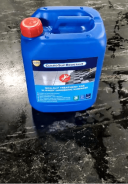
Let’s be honest, slips and falls can happen anywhere, at home or at work, and they’re not just inconvenient, they can cause serious injuries. You probably already take care with wet floors or busy work areas, but even the most careful person can misstep. That’s where anti slip floor coatings do magic.
They’re not just another surface treatment; they’re a practical way to keep everyone safe while maintaining your floors’ look and durability.
We’re going guide you through everything you need to know about anti slip floor coatings.
Learn how they are important for your workplace and home.
Safety is the obvious reason people install anti slip coatings, but there’s actually a lot more that makes them worthwhile.
Installing a anti slip floor coating isn’t just about preventing accidents, it’s about enhancing the overall functionality and value of your space. Here’s what makes anti slip floor coatings essential:
By installing anti-slip coatings, you’re not just creating a safe environment—you’re enhancing confidence and protecting health.
At the same time, you’re ensuring long-term durability and longevity for your flooring surfaces.
Understanding how anti slip floor coatings work helps you choose the right one. Most anti slip floor coatings function in one of two ways:
Some advanced anti slip floor coatings combine both methods for maximum grip and long-lasting protection. The key is to select a coating suitable for your specific floor type and expected traffic.
Selecting the right coating requires considering your surface type, usage, and safety requirements:
Conclusion: Step Up Safety and Confidence
Creating a safe environment doesn’t have to be complicated or expensive. With the right anti slip floor coating, you can protect your family or employees. Anti slip floor coating also extends the life of your flooring to save you money.
Remember to choose the anti slip floor coating based on your surface, traffic, and environment, apply it carefully, and maintain it regularly.
Secure your floors with anti slip coatings today from Guard Speciality Products Ltd.
Invest in safety, prevent accidents, and ensure everyone can move confidently in your space.
Protecting your loved ones or your team starts with one smart step.
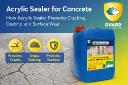
Concrete and masonry surfaces are built to last, but they are not invincible. Over time, exposure to moisture, foot traffic, sunlight, and daily wear slowly breaks down the surface.
Hairline cracks appear, fine dust starts forming, and the once-solid finish begins to look tired and worn. This is where an acrylic sealer plays a critical role.
Rather than acting as a cosmetic layer, an acrylic sealer works as a protective shield. It strengthens the surface, controls moisture movement, and reduces friction that leads to wear.
When applied correctly, it does far more than make a surface look better. It actively extends its lifespan.
Before explaining how acrylic sealer helps, it is important to understand why these problems occur in the first place.
Concrete and similar surfaces are inherently porous. They absorb moisture, release it, expand with heat, and contract when temperatures drop. This constant movement creates stress on the surface.
Cracking often starts when moisture enters the surface and freezes or evaporates unevenly.
Dusting happens when the top layer of concrete breaks down and releases fine particles due to abrasion or poor curing.
Surface wear develops gradually through foot traffic, vehicle movement, cleaning, and UV exposure.
Without protection, these processes accelerate year after year.
An acrylic sealer is a film-forming protective coating that sits on the surface and slightly penetrates it.
Once cured, it creates a breathable barrier that controls how moisture, air, and contaminants interact with the material beneath.
Unlike heavy epoxy systems, acrylic sealers remain flexible. This flexibility allows the surface to move naturally with temperature changes without cracking under pressure.
At the same time, the sealer binds loose particles, strengthens the surface layer, and creates a smoother finish that resists wear.
Cracking is often linked to moisture movement and surface stress. Acrylic sealer helps by limiting the amount of water that can enter the surface while still allowing trapped moisture to escape as vapour. This balance is crucial.
When water penetration is controlled, the surface experiences less internal pressure during temperature changes.
The flexible nature of acrylic sealer also absorbs minor movement rather than transferring stress directly to the concrete.
Over time, this significantly reduces the formation of new cracks and slows the expansion of existing hairline fractures.
Dusting occurs when the top layer of concrete weakens and begins to break apart. This is common in older slabs, garage floors, warehouses, and driveways where traffic and abrasion are constant.
Acrylic sealer works by binding the surface particles together. Once applied, it locks in loose material and creates a harder, more cohesive surface layer.
This prevents fine dust from forming and spreading, making the area cleaner and easier to maintain.
The result is a surface that feels solid underfoot instead of chalky or powdery.
Surface wear is unavoidable, but it can be controlled. Foot traffic, furniture movement, vehicles, and cleaning equipment all create friction that slowly erodes unprotected surfaces.
Acrylic sealer acts as a sacrificial layer, taking the impact instead of the surface beneath.
When wear occurs, it affects the sealer first. This means the underlying concrete or masonry remains intact for much longer.
Reapplying a sealer is far more cost-effective than repairing worn or damaged surfaces.
Beyond cracking and dusting, acrylic sealers also help prevent staining and chemical damage.
Oil, grease, cleaning agents, and spills are less likely to penetrate sealed surfaces. Instead, they remain on the surface where they can be cleaned easily.
This added resistance is especially valuable in driveways, commercial spaces, workshops, and high-use residential areas where spills are common.
Sun exposure is one of the most overlooked causes of surface deterioration. UV rays slowly break down unprotected materials, leading to fading, brittleness, and surface erosion.
Acrylic sealers provide UV resistance that helps maintain colour, sheen, and structural integrity.
This is particularly important for decorative concrete, stamped finishes, and exposed outdoor surfaces where appearance matters just as much as durability.
Acrylic sealers are ideal for driveways, patios, garage floors, walkways, commercial spaces, and decorative concrete. They offer a balance of protection, flexibility, and ease of maintenance that suits both residential and commercial environments.
For areas requiring breathability and UV resistance without heavy coatings, acrylic sealer remains one of the most reliable solutions available.
Cracking, dusting, and surface wear are not signs of failure. They are signs of exposure.
Acrylic sealer addresses the root causes by controlling moisture, reinforcing the surface, and absorbing daily wear before damage can take hold.
When applied at the right time and maintained properly, an acrylic sealer does more than protect.
It preserves the strength, appearance, and performance of your surface, turning routine maintenance into a long-term investment rather than a recurring problem.
To achieve consistent, long-lasting results, the quality of the sealer matters just as much as the application process.
Guard Industry offers high-performance acrylic sealers designed to withstand real-world conditions while maintaining surface integrity over time.
If you are ready to protect your surfaces the right way, buy acrylic sealer for concrete from Guard Industry and invest in a solution engineered for durability, reliability, and lasting protection.
Because properly protected surfaces don’t just last longer. They perform better every day.

Your computer is an essential tool for both work and personal tasks. From managing important documents to browsing the internet, a smooth and reliable system is critical. When a PC starts showing signs of trouble, timely intervention is crucial to prevent data loss, prolonged downtime, and costly repairs.
Recognising these warning signs and seeking professional support can save you time and frustration. If you are in Adelaide, experts offering computer repairs in Adelaide can provide the necessary assistance to keep your system running efficiently.
A significant indicator that your PC needs attention is consistently slow performance. Programs may take longer to load, files may respond slowly, and multitasking can become frustrating. While some slowdown may result from having multiple applications open, persistent lag often points to deeper hardware or software issues.
Professional technicians can perform detailed diagnostics to identify the underlying causes. Seeking computer repairs can restore optimal speed and ensure that your system runs smoothly.
Unexpected crashes, system freezes, or the appearance of a blue screen are clear signs of instability. Outdated drivers, corrupted files, or failing hardware can cause these problems. Frequent crashes should not be ignored, as they can lead to permanent damage or data loss.
Experts in computer repairs in Adelaide can thoroughly examine your system, pinpoint the source of the problem, and implement effective solutions to restore stability.
Grinding, clicking, or loud fan noises can indicate hardware problems. Similarly, excessive heat during regular operation may signal a malfunctioning cooling system or other internal issues. Overheating can cause long-term damage if left unaddressed.
Professional computer repair services can inspect, clean, and replace components as needed to ensure proper functioning. Relying on computer repairs in Adelaide specialists prevents further damage and maintains system reliability.
Frequent pop-ups, unexpected applications, and security warnings may indicate malware or viruses on your system. Ignoring these signs can compromise personal information, passwords, and other sensitive data.
Professional technicians can remove malicious software and implement security measures to protect your computer. Choosing computer repairs ensures your system remains secure and free from harmful threats.
Internet connectivity issues such as frequent disconnections or slow network performance, can affect productivity. These problems may arise from outdated drivers, software conflicts, or hardware failure.
Expert repairs can identify whether the issue is software-related or hardware-related. Using computer repair services can restore reliable connectivity and ensure your system performs efficiently.
Older systems may struggle to run new applications or support updates. Outdated hardware or software can lead to frequent errors, crashes, and security vulnerabilities. Timely upgrades can improve performance and extend the life of your computer.
Technicians offering computer repairs in Adelaide can provide professional advice on necessary upgrades and implement solutions to maintain system efficiency and security.
Error messages that appear repeatedly often indicate unresolved system issues. These may be related to corrupted software, missing files, or failing hardware. Ignoring these alerts can escalate minor problems into major failures.
Professional computer repair services can analyse and resolve these errors efficiently, preventing more serious system damage.
Difficulty starting your PC, unexpected shutdowns, or failure to turn on are critical warnings. Power issues may result from faulty power supplies, motherboard problems, or battery failures in laptops.
Expert technicians offering computer repairs can identify electrical or hardware faults and perform necessary repairs or replacements. Early intervention protects your data and ensures your system operates reliably.
Recognising the early signs of computer problems is essential to maintain productivity, protect data, and prevent costly repairs. From slow performance and frequent crashes to malware infections and power issues, each symptom indicates the need for professional attention.
Promptly seeking computer repairs in Adelaide ensures your system is thoroughly examined, repaired, and optimised by skilled technicians. Addressing problems early not only restores performance but also extends the life of your computer.
Professional assistance provides peace of mind, efficient solutions, and reliable system operation. Do not wait until small issues become major problems. Reach out to experts to maintain the health and longevity of your PC.
Water intrusion is one of the most overlooked yet destructive threats to concrete structures. From residential foundations to commercial floors and industrial slabs, prolonged exposure to moisture gradually weakens concrete, leading to costly repairs and structural failure.
Investing in concrete waterproofing at the right time is not merely a preventive step but a strategic decision that protects both property value and long-term safety.
Professional waterproofing offers reliable protection, advanced application techniques, and measurable financial advantages that extend far beyond surface-level benefits.
Concrete is widely regarded as a durable and resilient material. However, it is naturally porous. Over time, water penetrates these microscopic pores and begins to erode the internal structure. This moisture intrusion leads to cracking, surface spalling, corrosion of steel reinforcement, and progressive weakening of the slab.
In colder climates, freeze-thaw cycles accelerate deterioration as trapped water expands and contracts within the concrete.
In basements and underground structures, continuous exposure to groundwater often leads to persistent dampness and mold development. Without proper protection, these issues compound over time and significantly reduce structural lifespan.
One of the most compelling benefits of professional waterproofing is the significant extension of a structure’s service life. Professionally applied systems penetrate deep into concrete or form robust surface barriers that prevent moisture from entering at any level. By halting water migration, the internal integrity of concrete remains intact for decades.
This protection minimizes structural movement caused by moisture expansion and minimizes the development of surface cracks. As a result, foundations remain stable, load-bearing capacity is preserved, and the need for frequent structural repairs is substantially reduced.
Moisture trapped in concrete creates an ideal environment for mold, mildew, and bacterial growth. These contaminants not only affect the building structure but also pose serious health risks to occupants. Poor indoor air quality is often linked to respiratory issues, allergies, and chronic discomfort.
Professional waterproofing blocks moisture at the source, preventing the conditions that allow biological growth to thrive. In residential spaces, this ensures healthier living conditions.
In commercial and industrial environments, it supports compliance with occupational health standards and protects workforce productivity.
Water-related damage is one of the top concerns identified during property inspections. Visible staining, efflorescence, musty odors, and cracking can significantly reduce property appeal and negotiation value. Properties that show evidence of long-term moisture protection, on the other hand, inspire buyer confidence.
Professional concrete waterproofing enhances property integrity and appearance while signaling responsible maintenance practices.
It assures buyers, tenants, and investors that the structure has been safeguarded against one of its most common and destructive risks. This often translates into higher resale values and faster market transactions.
Concrete repair is rarely a one-time expense when moisture infiltration remains unresolved. Patchwork crack repairs, resurfacing, repainting, and mold remediation all become recurring costs without waterproof protection.
By addressing moisture penetration at its root, professional waterproofing dramatically reduces maintenance cycles and eliminates the need for repeated corrective work.
While the initial investment may appear significant, it is quickly offset by the long-term savings achieved through reduced repairs, fewer downtime disruptions, and extended surface performance.
One of the key advantages of professional waterproofing systems lies in their adaptability. Different environments demand different levels of protection. Rooftop slabs require UV-resistant coatings. Basements need pressure-resistant barriers. Parking structures demand abrasion-resistant solutions that can withstand heavy traffic and chemical exposure.
Professionals assess site conditions such as exposure levels, moisture pressure, surface movement, and usage patterns before selecting the appropriate waterproofing system. This tailored approach ensures optimal performance under real-world conditions.
Modern waterproofing technologies support sustainable building practices. Many systems use low-VOC formulations and environmentally responsible materials.
More importantly, by extending concrete lifespan, waterproofing significantly reduces construction waste, material consumption, and energy usage associated with major reconstruction projects.
Longevity is a critical pillar of sustainability. Structures that endure with minimal intervention leave a far smaller environmental footprint over time. Waterproofing plays a vital role in achieving this objective.
Waterproofing effectiveness is heavily dependent on correct surface preparation, material compatibility, and application precision. Substrate moisture levels must be measured accurately. Cracks require proper treatment before coating. Surface contaminants must be removed completely for optimal bonding.
Professional contractors possess the technical expertise, testing equipment, and application tools required to ensure consistent performance.
Improper application, even with high-quality products, can lead to premature failure and negate the benefits entirely. Professional services not only ensure accuracy but also often include warranties for long-term assurance.
Concrete structures are constantly exposed to changing environmental conditions. Seasonal rainfall, groundwater fluctuations, humidity, and temperature shifts all contribute to structural stress. Waterproofing systems protect concrete from these variables by creating a consistent barrier against moisture infiltration.
From residential driveways and balconies to commercial loading docks and tunnels, waterproofed surfaces demonstrate superior resistance to erosion, thermal movement, and environmental degradation.
The most effective approach to moisture damage is prevention rather than reaction. Once water infiltration begins, the damage process is often invisible until surface symptoms appear. By that stage, internal deterioration is typically already underway.
Investing in concrete waterproofing before serious damage occurs allows property owners to control risk, budget maintenance proactively, and avoid emergency repairs that disrupt operations and elevate costs.
Water damage remains one of the most persistent and costly threats to concrete structures across residential, commercial, and industrial environments.
Professional concrete waterproofing provides a proven solution that safeguards structural integrity, improves indoor health conditions, enhances property value, and reduces long-term maintenance expenses. Beyond protection, it delivers confidence, consistency, and sustainability.
By choosing professional waterproofing today, property owners make a forward-thinking investment that secures durability, safety, and financial resilience for years to come.

Concrete floors are valued for their strength, durability, and long service life. However, even the most resilient surfaces are vulnerable to gradual wear and structural stress. Small cracks often appear harmless at first, yet they signal the beginning of deeper deterioration.
When ignored, these cracks allow moisture, debris, and chemicals to penetrate the surface, weakening the concrete from within. Applying a high-quality concrete crack sealer at the right time is one of the most effective ways to preserve floor integrity and significantly extend its lifespan.
Understanding how this process works helps property owners make informed decisions that protect both structural performance and long-term investment.
Concrete cracking is a natural process influenced by several internal and external forces. Identifying these causes highlights the importance of timely sealing.
Water is one of the most damaging agents for concrete. Once it enters cracks, it slowly breaks down the internal composition, especially in slabs with steel reinforcement.
Heavy foot traffic, vehicles, and machinery apply consistent pressure to the surface. Cracks become focal points where stress concentrates, accelerating surface failure.
Temperature fluctuations cause concrete to expand and contract. Over time, this movement widens existing cracks and creates new ones.
These combined factors make untreated cracks an open gateway to structural decline.
Crack sealing does far more than cosmetic repair. It directly influences how concrete performs over time.
Sealers block the entry of water, oils, acids, and debris that gradually weaken the slab.
The sealing compound bonds the cracked segments together, reducing future movement and edge breakdown.
Sealed cracks distribute loads evenly across the floor, limiting pressure concentration that leads to wider fractures.
With proper application of concrete crack sealer, the surface regains both stability and resilience.
The longevity benefits of crack sealing are rooted in material engineering and physics.
In reinforced slabs, moisture penetration leads to steel corrosion. Rust expands and creates internal pressure, resulting in surface spalling. Sealing cuts off this destructive cycle.
When water trapped in cracks freezes, it expands and forces cracks wider. Proper sealing eliminates this risk entirely.
Unsealed cracks trap grit and sharp particles that grind against the edges of the slab under traffic. Sealing keeps surfaces smooth and uniform.
These protective mechanisms work together to delay aging and preserve structural performance year after year.
Crack sealing is not only a maintenance strategy but also a financially responsible decision.
Early sealing prevents cracks from growing into large structural failures that demand expensive restoration.
Replacing entire concrete slabs is significantly more expensive than performing targeted crack treatment.
For commercial and industrial environments, floor damage can interrupt operations. Crack sealing minimizes downtime while preserving productivity.
Each professional application of concrete crack sealer offers long-term savings by preventing major future expenses.
Beyond structural preservation, sealed floors offer measurable safety and performance benefits.
Raised edges and uneven surfaces are leading causes of accidents. Sealing restores evenness and improves traction.
Open cracks collect dirt, moisture, and bacteria. Sealed floors are easier to clean and maintain.
Smooth surfaces reduce vibration, wheel damage, and stress on heavy machinery and transport equipment.
These safety improvements make sealed floors especially valuable in warehouses, medical facilities, schools, and retail environments.
While many temporary solutions are available, professional crack sealing consistently outperforms basic patch repairs.
Professional products penetrate the crack structure and form flexible, long-lasting bonds.
Industrial-grade sealers withstand UV exposure, moisture cycles, and heavy loads without breaking down.
Correct surface preparation, moisture control, and curing processes ensure optimal results.
Using professional-grade concrete crack sealer ensures durability that temporary fillers simply cannot achieve.
Crack sealing is effective across a wide range of environments:
In every setting, sealed concrete outperforms untreated surfaces in strength, appearance, and reliability.
With proper maintenance schedules, professionally sealed floors can gain:
The key factor is early intervention. Minor cracks treated promptly result in dramatically greater life extension than surfaces repaired after severe deterioration begins.
Postponing crack repairs increases both risk and cost.
Ignoring early warning signs allows minor defects to escalate into significant structural failures.
Concrete flooring represents a significant investment in any property, and its longevity depends largely on proactive care. Cracks may seem minor in the early stages, but they compromise structural integrity, allow moisture intrusion, and accelerate surface breakdown when left untreated.
The strategic use of concrete crack sealer is one of the most reliable ways to halt this deterioration and protect the foundation of your space.
By sealing early, you reduce future repair costs, increase floor safety, preserve visual appeal, and extend service life by many years. Rather than waiting for small cracks to develop into major structural problems, acting promptly ensures the durability, efficiency, and long-term value of your concrete floors.
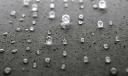
Water damage can compromise the integrity and appearance of your belongings, whether it is clothing, outdoor furniture, or building surfaces. Spills, rain, and moisture can lead to stains, mold, and long-term deterioration. This is why selecting the right water repellent coating is essential.
A protective coating not only extends the life of your items but also reduces maintenance efforts, providing both practicality and peace of mind. In this guide, we will explore the types, benefits, and considerations to help you make an informed decision.
Investing in a repellent coating goes beyond preventing water stains. It provides a protective layer that guards against moisture penetration, dust accumulation, and potential microbial growth. For fabrics, it helps maintain flexibility and breathability while repelling liquids.
For furniture and other surfaces, it preserves structural integrity and aesthetic appeal. It is a cost-effective way to safeguard your assets while keeping them in top condition.
There are several types of coatings available, each designed to meet specific needs and materials. Understanding the differences will help you select the most suitable option.
Spray-on coatings are user-friendly and ideal for fabrics such as jackets, bags, and shoes. They create a thin, invisible barrier that repels water without altering the feel or appearance of the material. This type of coating is convenient for home application and regular maintenance.
Liquid coatings are more durable and commonly used for surfaces such as wood, concrete, and outdoor furniture. Applied with a brush or roller, they form a protective layer that resists water penetration and provides long-lasting performance. While the application may require more time, the durability makes it a practical choice for high-exposure areas.
Wax-based coatings are ideal for leather and canvas items. They enhance water resistance while improving the material's appearance and longevity. These coatings may require periodic reapplication to maintain effectiveness but provide excellent protection for delicate items.
Nano-coatings utilize advanced technology to create a superhydrophobic surface. They are highly effective for electronics, automotive surfaces, and high-precision applications. Although they tend to be more expensive, the level of protection they offer can justify the investment.
Choosing the right water repellent coating requires careful consideration of multiple factors.
Ensure that the coating is suitable for the intended surface. Using an incompatible coating can reduce effectiveness or even damage the material.
Consider how long you need the coating to last. For clothing or footwear, spray-on coatings may suffice, while liquid or nano-coatings are better for outdoor furniture or surfaces exposed to extreme weather conditions.
Some coatings are designed for easy home application, while others may require professional installation. Determine whether you need a quick solution or a long-term investment.
Take into account exposure to sun, rain, or saltwater. Specific coatings offer UV resistance and increased durability under harsh conditions. Choosing the right environmental protection ensures long-lasting performance.
Proper application is key to maximizing the effectiveness of any coating. Consider these guidelines:
A water repellent coating provides benefits beyond moisture protection. It reduces the frequency of cleaning, prevents staining, and can enhance the visual appeal of items. For furniture, it preserves finish and structural integrity.
For clothing and footwear, it prevents damage from spills and rain, maintaining quality and comfort. These advantages combine to offer both convenience and cost savings over time.
Selecting the ideal coating depends on your specific requirements. Consider the material, intended use, exposure conditions, and desired longevity. For everyday fabric items, a spray-on coating may be sufficient. For surfaces exposed to the elements, a liquid or nano-coating offers stronger protection.
Taking the time to evaluate your options ensures that your investment in protection is both effective and sustainable.
Water damage can have long-term consequences on both the appearance and durability of your belongings. Choosing the right water repellent coating provides a reliable barrier against moisture, stains, and environmental factors.
By understanding the types of coatings, evaluating material compatibility, and applying them correctly, you can extend the life of your items and reduce maintenance efforts. Investing in a suitable coating is a practical decision that offers protection, convenience, and peace of mind for years to come.

Sandstone is a beautiful natural stone that adds elegance and charm to any space. Its warm colours and unique textures make it a popular choice for patios, driveways, and indoor flooring. However, sandstone is porous and vulnerable to stains, water damage, and wear over time.
This is where a sandstone sealer becomes essential. By providing a protective barrier, it preserves the stone’s natural beauty and ensures durability. For beginners, understanding how to choose, apply, and maintain a sealer is key to making the most of this investment.
Due to its porous nature, sandstone absorbs liquids and dirt easily. Without protection, spills, weather, and daily use can cause permanent damage. A sealer helps to:
By sealing sandstone, you enhance both its appearance and longevity.
Selecting the correct sealer depends on the level of protection required and the finish you want to achieve. The main types include:
These sealers penetrate the stone to protect it from within while allowing it to breathe. They are ideal for outdoor applications, as they offer water repellence without altering the stone’s appearance.
Topical sealers create a protective layer on the surface, often enhancing the stone’s colour and shine. These are best for areas with low foot traffic or indoor use.
Enhancing sealers improves the natural colours and textures of sandstone while providing basic protection. They are suitable for homeowners who wish to highlight the stone’s natural beauty.
It is essential to check the product label and ensure the sandstone sealer is compatible with your specific type of sandstone. This ensures optimal results and long-lasting protection.
Applying a sealer correctly is essential for effective protection. Follow these steps:
Thoroughly clean the sandstone to remove dirt, moss, or algae using a mild detergent and brush. Rinse the area and allow it to dry completely.
Before full application, test the sealer on a small, inconspicuous patch. This will help confirm the desired finish and ensure there are no negative reactions.
Use a brush, roller, or sprayer to apply the sealer evenly across the surface. Ensure that all edges and corners are covered. Avoid over-application to prevent uneven finishes.
Follow the manufacturer’s instructions for drying and curing times. Avoid walking on the surface or placing objects until the sealer has fully set.
Some surfaces benefit from a second coat for enhanced protection. Follow product guidelines to determine if this step is necessary.
Sealing sandstone is an investment in long-term maintenance. To keep it in top condition:
Consistent maintenance ensures your sandstone remains attractive and durable.
Even experienced DIYers can make errors when sealing sandstone. Avoid these common mistakes:
Avoiding these mistakes will maximize the effectiveness of your sealer and extend the lifespan of your stone.
Using a sandstone sealer offers advantages beyond protection:
Investing in a quality sealer not only protects your stone but also improves its aesthetic appeal.
Sealing sandstone is a crucial step in preserving the beauty and longevity of your stone surfaces. A sandstone sealer protects against stains, weathering, and wear while reducing maintenance efforts. By choosing the appropriate sealer, applying it correctly, and maintaining the surface, you can enjoy vibrant, durable sandstone for years to come.
For beginners, understanding the process and taking a careful, professional approach ensures the best results. Properly sealed sandstone is not just visually appealing; it is a long-term investment in your property’s value and aesthetic quality.