


Industrial plants depend on controlled airflow to maintain safe combustion, stable temperatures, efficient production, and dependable equipment performance. In power generation, steel manufacturing, and boiler operations, dampers regulate gases through ducts, furnaces, stacks, and ventilation systems. Choosing the right damper design is therefore an important engineering decision rather than a simple equipment purchase.
Modern facilities increasingly prioritize energy efficiency, emissions control, and reliable flow equipment. Butterfly dampers for power plants, steel plant dampers, and boiler dampers are widely considered where dependable isolation and modulation are essential.
Industrial dampers control or stop air and process gases. Depending on system design, they may operate fully open, fully closed, or at intermediate positions to regulate flow. Their performance affects combustion efficiency, pressure balance, protection, and stability. A selected damper can support maintenance by isolating sections without shutting down the facility.
Material selection, sealing arrangement, actuator type, shaft construction, and operating temperature influence service life. Engineers evaluate gas composition, flow velocity, pressure differential, particulate concentration, and operating cycles before finalizing specifications. This helps avoid premature wear, leakage, excessive torque, or unreliable operation.
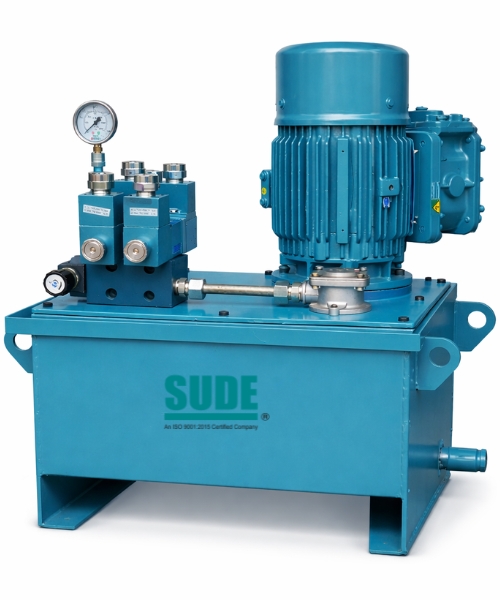
Butterfly dampers for power plants are commonly used in flue-gas, combustion-air, ventilation, and gas-handling systems. Their rotating disc provides compact flow control with low space requirements. Large facilities may use electric, pneumatic, or hydraulic actuators depending on response requirements and safety considerations.
Power plant service can expose dampers to high temperatures, abrasive ash, corrosive gases, and frequent operating cycles. Therefore, construction must match the process. High-temperature materials, suitable shaft arrangements, robust bearings, and appropriate sealing systems can improve reliability. In critical isolation applications, low leakage is important because unwanted gas movement can affect efficiency and create operational risks.
Steel manufacturing involves furnaces, reheating systems, exhaust arrangements, dust collection, and hot-gas handling equipment. Steel plant dampers must tolerate severe thermal conditions and significant dust in many locations. A damper that performs well in clean air may not provide the same service life when exposed to abrasive particles and repeated thermal cycling.
Steel plant dampers are selected after reviewing process temperatures, gas characteristics, pressure conditions, and installation geometry. Heavy-duty construction benefits continuous duty, while reliable actuation supports rapid isolation or precise flow adjustment during production changes and maintenance.
Boiler dampers play a vital role in managing combustion air and exhaust gases. Proper airflow helps maintain the intended fuel-to-air relationship, supporting efficient combustion and stable boiler operation. Dampers can also assist with isolation, draft management, and safe shutdown procedures. This matters during load changes.
Boiler dampers may operate in hot, dusty, or corrosive environments. Selection should consider temperature ratings, pressure differential, sealing, actuator response, and maintenance access. Automated dampers can connect with control systems to coordinate airflow with burners and fans.
Selecting an industrial damper requires more than comparing dimensions and purchase prices. The design should correspond to process conditions and expected duty cycle. Important considerations include:
A detailed technical specification helps manufacturers recommend suitable materials, seals, bearings, actuators, and connections, reducing the likelihood of poor post-installation performance.
|
Application |
Main Purpose |
Typical Concern |
Selection Priority |
|
Power plant |
Gas isolation and flow regulation |
Heat, ash, corrosion |
Reliability and sealing |
|
Steel plant |
Hot-gas and exhaust control |
Dust and thermal cycling |
Heavy-duty construction |
|
Boiler system |
Draft and combustion-air control |
Temperature and leakage |
Accurate operation |
Current industrial systems increasingly connect dampers with automated control platforms. Position feedback, remote actuation, interlocks, and condition monitoring help operators respond to changing requirements. Automation is valuable in large plants, but actuator sizing and fail-safe behavior must still match the process.
Regular inspection contributes to service life. Operators should monitor disc movement, shaft alignment, actuator performance, seals, bearings, and signs of corrosion or erosion. Preventive maintenance can identify increasing torque or leakage before a failure affects production.
Industrial dampers are exposed to conditions that vary significantly from one plant to another. A reliable supplier should understand the application instead of offering a standardized product without considering operating details. Engineering support can help determine suitable materials, dimensions, actuation, sealing, and testing requirements.
When evaluating butterfly dampers for power plants, steel plant dampers, and boiler dampers, buyers should consider total operating value rather than only initial cost. A well-engineered damper may reduce leakage, maintenance interruptions, energy losses, and unplanned downtime over its working life. Proper documentation, testing, and installation guidance can improve confidence in long-term performance.
They are used to regulate or isolate combustion air, flue gases, ventilation flows, and other gas streams. Their compact design makes them practical where space is limited.
Steel plants expose equipment to high temperatures, dust, abrasive particles, and thermal cycling. Specialized construction helps maintain dependable operation under these demanding conditions.
Boiler dampers manage airflow and exhaust gases, supporting combustion control, draft management, isolation, and safe operation across changing load conditions.
Selection should consider temperature, pressure, gas composition, flow characteristics, leakage requirements, actuator type, materials, installation space, and operating cycles.
Automation can improve response, repeatability, and remote control, especially in large facilities. The choice depends on process and safety requirements.
Reliable airflow management is fundamental to efficient industrial operation. From power generation to steel production and boiler systems, dampers influence process stability, equipment protection, and energy performance. Butterfly dampers for power plants, steel plant dampers, and boiler dampers should be specified according to operating conditions, not simply standard dimensions. Careful engineering, appropriate materials, dependable actuation, and preventive maintenance can help plants achieve safer operation, longer equipment life, and consistent performance. As industrial facilities emphasize efficiency and automation, damper systems will remain an important part of modern process infrastructure.