


Blocked sinuses, frequent colds, allergies, headaches, and breathing discomfort can make everyday life challenging.
While conventional treatments often focus on temporary symptom relief, Ayurveda takes a holistic approach by addressing the underlying imbalance that may be contributing to respiratory concerns.
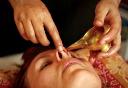
One of the most effective therapies used in Ayurveda for supporting the head, nose, and respiratory system is Nasya Ayurvedic treatment. Practised for thousands of years, Nasya involves the gentle administration of medicated herbal oils or herbal preparations through the nasal passages.
According to Ayurveda, the nose is considered the gateway to the head, and this therapy is particularly beneficial for maintaining respiratory wellness and supporting the health of the nasal passages, sinuses, and surrounding tissues.
If you're curious about how Nasya works, who can benefit from it, and what to expect during treatment, this guide covers everything you need to know.
Nasya Ayurvedic treatment is one of the five primary detoxification therapies of Panchakarma.
It focuses on cleansing and nourishing the nasal passages using specially prepared herbal oils, herbal extracts, or medicated formulations selected according to an individual's dosha imbalance and health condition.
The therapy aims to remove accumulated toxins (Ama), support healthy breathing, improve circulation around the head and neck, and restore balance to the body's natural functions.
Unlike over-the-counter nasal sprays that are often used for short-term symptom relief, Nasya is part of a personalised Ayurvedic treatment plan designed to promote long-term respiratory and overall wellness.
Healthy breathing depends on clear nasal passages and properly functioning respiratory tissues. In Ayurveda, excess Kapha dosha is often associated with congestion, mucus accumulation, and blocked airways.
Nasya therapy helps support respiratory health in several ways.
The medicated oils help loosen accumulated mucus and impurities inside the nasal passages. This may improve airflow and make breathing feel easier, particularly for individuals experiencing nasal congestion.
By cleansing the nasal cavity, Nasya may help maintain healthy sinus function and reduce the discomfort associated with blocked or congested sinuses.
Dry nasal passages can become irritated, especially in dry climates or air-conditioned environments. Herbal oils help moisturise and soothe delicate nasal tissues while supporting their natural protective function.
When congestion is reduced and nasal passages remain well-lubricated, many people experience smoother, more comfortable breathing throughout the day.
Although Nasya is widely recognised for supporting respiratory wellness, its benefits often extend beyond the respiratory system.
Individuals who experience recurring nasal irritation during seasonal changes may benefit from regular Nasya therapy as part of a personalised Ayurvedic care plan.
Ayurveda considers Nasya beneficial for maintaining the health of the nose, throat, ears, eyes, and surrounding tissues by promoting improved circulation in these areas.
Many people report feeling mentally refreshed after Nasya treatment. According to Ayurvedic principles, clearing the head region may help improve concentration and promote a greater sense of mental calm.
The treatment itself is gentle and soothing. Combined with complementary Ayurvedic therapies, it may help reduce physical tension and encourage relaxation.
Nasya Ayurvedic treatment may be recommended for individuals experiencing a variety of respiratory and head-related concerns after a proper Ayurvedic consultation.
It may be suitable for people who:
Individuals who regularly feel blocked due to mucus build-up or environmental factors may benefit from therapies that help maintain clear nasal passages.
Recurring sneezing, nasal irritation, and congestion caused by seasonal allergens may be managed more effectively through a holistic treatment approach that addresses underlying imbalances.
People experiencing repeated sinus congestion may find Nasya helpful in supporting healthy sinus function when included as part of a broader Ayurvedic treatment plan.
Continuous exposure to dust, pollution, and airborne irritants may affect the health of the nasal passages. Nasya helps cleanse and nourish these sensitive tissues.
Many individuals use Nasya not only to manage symptoms but also as part of a regular wellness routine aimed at supporting long-term respiratory health.
Understanding the treatment process often helps patients feel more comfortable before their first session.
Every treatment begins with a detailed assessment of your body constitution (Prakriti), dosha imbalance, symptoms, medical history, and overall health. This allows the practitioner to determine whether Nasya is appropriate and select the most suitable herbal formulation.
The face, neck, and shoulders are often massaged using warm herbal oils, followed by mild steam therapy. This helps relax the tissues and prepare the nasal passages for treatment.
A carefully measured quantity of medicated herbal oil or herbal preparation is gently placed into each nostril while you lie comfortably in a relaxed position.
After the oil is administered, gentle massage techniques may be used to encourage absorption. Patients are usually advised to rest briefly and follow any aftercare instructions provided by the practitioner.
The procedure is generally comfortable and takes only a short time to complete.
When performed by a qualified Ayurvedic practitioner, Nasya is generally considered a safe and well-established therapy.
However, it may not be appropriate in every situation.
Treatment may need to be postponed if you have:
A thorough assessment helps ensure the therapy is suitable for your individual health needs.
Every individual responds differently to Ayurvedic therapies, and results depend on factors such as the underlying condition, dosha imbalance, lifestyle, and treatment consistency.
Some people notice benefits soon after treatment, while others experience gradual improvements as therapy continues.
Common outcomes may include:
Many individuals report clearer nasal passages and greater breathing comfort after treatment.
As accumulated mucus and impurities are cleared, feelings of nasal blockage may decrease.
People who experience recurring seasonal respiratory discomfort may notice improved resilience when Nasya is included in a personalised wellness plan.
Many patients also describe feeling more refreshed, relaxed, and mentally clear following treatment.
Ayurveda focuses on supporting long-term balance rather than providing immediate symptom suppression alone.
Like most Ayurvedic therapies, the best results come from combining treatment with healthy lifestyle habits.
Your practitioner may recommend:
Eating foods that help balance your dosha may support respiratory health and complement the effects of Nasya therapy.
Adequate hydration helps maintain healthy mucous membranes and supports normal respiratory function.
Simple breathing techniques such as Pranayama may enhance lung function and improve overall respiratory wellness.
Some conditions respond best to a series of treatments rather than a single session. Following your personalised treatment plan helps maximise long-term benefits.
Nasya is far more than placing oil into the nose. Selecting the correct herbal formulation, dosage, treatment frequency, and accompanying therapies requires professional Ayurvedic knowledge.
A qualified practitioner considers:
This personalised approach helps ensure treatment is both safe and effective while supporting your long-term health.
Nasya Ayurvedic treatment is a time-tested therapy that supports respiratory health by cleansing, nourishing, and balancing the nasal passages and surrounding tissues.
Whether you're managing recurring congestion, seasonal allergies, sinus discomfort, or simply looking to support long-term respiratory wellness, Nasya offers a gentle, natural approach rooted in the principles of Ayurveda.
At Shattayu Ayurveda, every treatment is tailored to the individual rather than the condition alone. Our experienced Ayurvedic practitioners carefully assess your health, lifestyle, and dosha balance before creating a personalised treatment plan that supports lasting wellness.
Through authentic Nasya Ayurvedic treatment and holistic care, we aim to help you breathe more comfortably, improve overall well-being, and restore balance naturally.
Experience the healing power of Ayurveda from the very first breath.
Book your consultation with Shattayu Ayurveda today and discover a personalised path to healthier breathing and holistic wellness.
Nasya is an Ayurvedic therapy that involves administering medicated herbal oils or herbal formulations through the nose. It is commonly used to support respiratory health, sinus wellness, nasal congestion, and overall balance of the head and neck region.
No. Nasya is generally a gentle and comfortable therapy when performed by a qualified Ayurvedic practitioner. Most patients find the treatment relaxing.
A typical session usually takes between 30 and 45 minutes, including consultation, preparation, treatment, and a short period of rest afterwards.
The number of sessions depends on your individual health condition and treatment goals. Your Ayurvedic practitioner will recommend a personalised treatment plan after your assessment.
Many people include Nasya Ayurvedic treatment as part of their holistic wellness plan for managing seasonal respiratory discomfort. However, suitability and expected outcomes vary for each individual, so professional consultation is recommended before beginning treatment.
Ayurveda has been practised for thousands of years, offering natural therapies that aim to support overall health by restoring balance within the body.
Among its traditional cleansing therapies, Nasya holds a special place as one of the five procedures in Panchakarma.
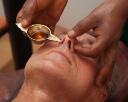
Nasya involves the gentle administration of medicated oils, herbal extracts, or other Ayurvedic preparations through the nasal passages under the guidance of a qualified practitioner.
In Ayurveda, the nose is considered an important pathway connected to the head and respiratory system, making Nasya an integral therapy for supporting wellbeing above the neck.
Today, many people are exploring nasya ayurvedic treatment not only for its traditional uses but also for its relevance in supporting modern lifestyles that often involve stress, pollution, and long hours of screen time.
Nasya is a specialized Ayurvedic therapy in which carefully selected herbal oils or medicines are administered through the nostrils after appropriate preparation.
The treatment is usually performed as part of a personalized Ayurvedic care plan and may include gentle facial massage and steam therapy before the herbal application.
The exact method and herbal preparations vary depending on an individual's body constitution (dosha), health concerns, and treatment goals. For this reason, Nasya should always be performed under the supervision of an experienced Ayurvedic practitioner.
According to Ayurvedic principles, Nasya is traditionally used to support the health of the head, neck, nose, throat, and respiratory passages.
It has historically been recommended as part of holistic wellness practices to help maintain balance and support overall health.
Traditional applications of Nasya may include supporting:
These traditional uses have made Nasya an important therapy within Panchakarma for centuries.
Modern lifestyles often expose people to dust, pollution, seasonal changes, and indoor air quality concerns that may affect respiratory comfort.
Nasya ayurvedic treatment is commonly included in Ayurvedic wellness programs that focus on maintaining healthy nasal passages and supporting comfortable breathing.
As part of a personalized treatment plan, practitioners may recommend Nasya alongside lifestyle guidance and other Ayurvedic therapies to promote overall respiratory wellbeing.
The approach is tailored to each individual's specific health needs and constitution.
Stress has become a common part of daily life, affecting both physical and mental wellbeing.
Ayurveda views Nasya as more than a physical therapy. It is also traditionally used to help calm the mind and encourage relaxation.
Many individuals report feeling refreshed and mentally relaxed following treatment, particularly when Nasya is combined with other Ayurvedic wellness practices such as Abhyanga massage, meditation, or yoga.
This holistic approach reflects Ayurveda's focus on balancing both body and mind.
Long working hours, poor posture, and continuous screen use can contribute to tension around the head, neck, and shoulders.
Nasya ayurvedic treatment is often included in Ayurvedic care plans designed to support comfort in these areas.
Combined with supportive therapies, it may help promote relaxation while complementing broader wellness strategies aimed at reducing physical tension.
Every treatment plan is personalized according to the individual's condition and health goals.
One of Ayurveda's defining principles is that every person is unique.
Rather than offering identical treatments to everyone, Ayurvedic practitioners assess several factors before recommending Nasya, including:
This personalized approach helps ensure that the treatment aligns with the individual's specific needs rather than following a standard protocol.
Although Nasya has ancient origins, its holistic approach continues to appeal to people seeking natural wellness practices.
Today's lifestyles often involve:
Many individuals are exploring Ayurvedic therapies that focus on preventive care and overall wellbeing alongside healthy lifestyle habits.
Nasya continues to be valued because it supports this broader approach to maintaining physical and mental balance.
Modern healthcare increasingly recognizes the importance of preventive wellbeing, stress management, and personalized care.
Ayurveda has long emphasized these principles, making therapies such as Nasya relevant for people seeking complementary wellness approaches.
When guided by qualified practitioners, Nasya can become part of a comprehensive wellness routine that includes healthy nutrition, regular exercise, yoga, adequate rest, and other Ayurvedic therapies.
This integrated approach reflects the growing interest in holistic health and long-term wellbeing.
Nasya is a traditional Ayurvedic therapy that continues to remain relevant in today's fast-paced world.
By focusing on holistic wellbeing, personalized care, and the health of the head and respiratory system, nasya ayurvedic treatment continues to be an important part of Ayurvedic practice.
Whether incorporated into Panchakarma or a broader wellness program, Nasya reflects Ayurveda's long-standing philosophy of supporting balance, prevention, and overall health through natural therapeutic approaches.
Shattayu Ayurveda offers personalized nasya ayurvedic treatment as part of comprehensive Ayurvedic care tailored to your individual health needs.
Contact Shattayu Ayurveda today to learn how traditional Ayurvedic therapies can support your wellness journey.
In today’s screen-heavy lifestyle, eye strain, dryness, and fatigue have become extremely common. Many people experience burning sensations, blurred vision, or discomfort after long hours of digital exposure.
Ayurveda offers a natural and deeply nourishing solution called netra tarpan eye treatment, which focuses on restoring eye health from within.
This traditional therapy is not just about relaxation; it is designed to strengthen the eyes, improve vision clarity, and reduce dryness over time.
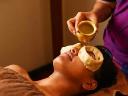
Netra Tarpan is a specialized Ayurvedic therapy where medicated ghee is gently retained around the eyes for a specific period. A dough ring is created around the eyes to hold the liquid, allowing it to nourish the eye tissues directly.
In Ayurveda, the eyes are closely linked to the Pitta dosha, which governs heat and metabolism. Excess strain, stress, or screen exposure can disturb this balance, leading to dryness and irritation.
Netra Tarpan works by calming this imbalance and providing deep lubrication and nourishment to the eyes.
Unlike regular eye drops that offer temporary relief, Netra Tarpan works at a deeper level. The medicated ghee penetrates the tissues, helping repair and rejuvenate the eyes.
This process:
Over time, it helps the eyes become more resilient to strain and environmental stress.
Dry eyes are one of the most common issues today, especially for people who spend long hours on screens or in air-conditioned environments.
Netra Tarpan provides intense hydration to the eyes. The ghee forms a protective layer that soothes irritation and reduces the burning sensation.
Many people notice a calming effect immediately after the therapy, with gradual improvement in dryness over repeated sessions.
Continuous screen exposure can lead to digital eye strain, causing heaviness, discomfort, and difficulty focusing.
Netra Tarpan helps relax the eye muscles and reduces fatigue. The cooling and nourishing properties of the treatment allow the eyes to recover from constant stress.
This makes it especially beneficial for professionals, students, and anyone who spends long hours in front of screens.
While Netra Tarpan is not a replacement for medical treatment of serious vision problems, it can support overall visual clarity.
By improving lubrication and reducing strain, the eyes function more efficiently. This can lead to better focus and reduced blurriness in some cases.
It also helps maintain long-term eye health when combined with proper lifestyle habits.
One of the biggest advantages of Netra Tarpan is that it uses natural, Ayurvedic ingredients.
The medicated ghee is prepared using herbs known for their healing and cooling properties. This makes the treatment gentle and suitable for people looking for a chemical-free approach to eye care.
When performed correctly, it is both safe and effective.
The therapy is simple and relaxing.
You lie down comfortably while a soft dough boundary is placed around your eyes. Warm medicated ghee is then poured into this space, allowing your eyes to remain immersed for a few minutes.
During this time, you may be asked to open and close your eyes gently to allow the ghee to reach all areas.
After the session, the ghee is removed, and the eyes are cleaned carefully.
This treatment is suitable for a wide range of people, especially those experiencing:
It is also used as a preventive therapy to maintain eye health and delay age-related eye issues.
Although Netra Tarpan is a natural therapy, it should always be performed under expert supervision.
Proper technique, hygiene, and the right formulation of medicated ghee are essential for safety and effectiveness. A qualified Ayurvedic practitioner can assess your condition and recommend the right treatment plan.
Eye health is often neglected until discomfort becomes severe. Netra Tarpan offers a gentle and restorative way to care for your eyes before problems escalate.
It not only relieves current issues like dryness and fatigue but also supports long-term eye wellness.
If you’re looking for a natural and effective solution for eye strain, dryness, or overall eye care, Netra Tarpan Eye Treatment can be a valuable addition to your wellness routine.
For authentic Ayurvedic therapies and personalized care, Shattayu Ayurveda offers expert-guided treatments designed to support your eye health naturally.
With a focus on traditional healing and modern lifestyle needs, it provides a trusted path toward clearer, healthier vision.
When starting any Ayurvedic therapy, one of the most common questions is about duration. People want to know how many sessions are required and when they can expect results.
The same applies to pinda sweda ayurvedic treatment.
There is no fixed number that works for everyone. The number of sessions depends on the condition being treated, its severity, and the body's response to therapy.
Ayurvedic treatments focus on gradual healing rather than instant results.
Understanding how this treatment works helps set the right expectations.
Ayurvedic treatments work gradually. They focus on correcting imbalances in the body rather than providing temporary relief.
A single session of pinda sweda ayurvedic treatment may provide relaxation and temporary comfort. However, deeper benefits require repeated sessions.
This is because:
Regular sessions help build cumulative effects, leading to better, longer-lasting results.
For mild discomfort or general body relaxation, a short course of 5 to 7 sessions is often recommended.
This helps reduce stiffness and improve circulation without requiring long-term commitment.
For conditions such as recurring muscle pain or early-stage joint issues, 7 to 14 sessions may be recommended.
This allows the therapy to work more deeply and provide noticeable improvement.
For long-term issues such as arthritis or severe stiffness, extended treatment may be required.
In such cases, 14 to 21 sessions or more may be recommended, depending on how the body responds.
The exact number is always tailored to individual needs.
Mild conditions require fewer sessions, while chronic issues need longer treatment.
The greater the imbalance, the longer the body needs to heal.
Each person’s body reacts differently.
Some may feel improvement quickly, while others may need more sessions to see noticeable changes.
Regular sessions yield better results than irregular treatment.
Consistency helps maintain the therapeutic effect and supports continuous healing.
The frequency also plays an important role.
Pinda sweda is often recommended:
Following the advised schedule ensures that the treatment works effectively.
Initial relief, such as relaxation and reduced stiffness, can be felt after the first few sessions.
However, greater improvements take time.
As sessions continue, the body gradually responds by:
Patience is important, as Ayurvedic treatments focus on long-term balance.
Self-deciding the number of sessions may not give the desired results.
An Ayurvedic practitioner evaluates:
Based on this, a personalized treatment plan is created.
This ensures that the therapy is both safe and effective.
The effectiveness of pinda sweda improves when combined with the right lifestyle.
Diet, rest, and daily habits play a role in how the body responds.
Following the practitioner's simple recommendations helps enhance results and maintain benefits.
The number of sessions required for pinda sweda ayurvedic treatment is not fixed. It varies based on the condition, its severity, and individual response.
While short-term relief may need fewer sessions, deeper healing requires consistency and a longer approach.
For accurate guidance and personalized treatment planning, you can explore expert Ayurvedic care at Shattayu Ayurveda to understand how many sessions are right for your specific needs.
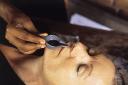
Ayurveda, the ancient Indian system of medicine, offers a wide range of natural therapies designed to restore balance and promote overall well-being. Among these therapies, nasyam treatment in ayurveda holds a special place due to its effectiveness in treating disorders related to the head, neck, and respiratory system. This powerful detoxification therapy has been practiced for centuries and continues to provide remarkable health benefits.
At TShattayu Ayurveda, we specialize in authentic Ayurvedic treatments, including nasyam treatment in ayurveda, helping individuals achieve better health through natural healing methods.
Nasyam, also known as Nasya therapy, is one of the five purification procedures (Panchakarma) in Ayurveda. It involves the administration of herbal oils, powders, or juices through the nasal passage. According to Ayurvedic principles, the nose is considered the gateway to the brain, and administering medicine through this route helps in cleansing and nourishing the head region.
The primary goal of nasyam treatment in ayurveda is to eliminate toxins accumulated in the sinus, throat, and head area while improving the functioning of the nervous system. At TShattayu Ayurveda, this therapy is performed under expert supervision to ensure maximum effectiveness and safety.
The process of nasyam treatment in ayurveda involves several carefully designed steps to achieve optimal results. The therapy begins with a gentle massage of the face, neck, and shoulders using warm herbal oils. This helps in loosening toxins and preparing the body for the treatment.
Following this, mild steam therapy is applied to open up the nasal passages. Once the body is ready, medicated oils or herbal extracts are administered into the nostrils. The patient is then advised to relax while the medicine works to cleanse the internal pathways.
At TShattayu Ayurveda, we use high-quality herbal formulations that are customized according to an individual’s body constitution (dosha) and specific health concerns.
One of the key reasons why nasyam treatment in ayurveda is widely recommended is its numerous health benefits. This therapy not only detoxifies the body but also enhances overall wellness.
Nasyam is highly effective in treating sinusitis, nasal congestion, allergies, and chronic colds. It helps in clearing blocked nasal passages and improves breathing.
By cleansing the head region, this therapy enhances memory, concentration, and cognitive function.
Regular sessions of nasyam treatment in ayurveda can significantly reduce the frequency and intensity of headaches and migraines.
Nasyam nourishes the roots of hair and may help reduce hair fall and premature greying.
This therapy calms the nervous system, helping individuals experience improved sleep quality.
At TShattayu Ayurveda, we have seen remarkable improvements in patients who undergo consistent nasyam treatment in ayurveda as part of their wellness routine.
Nasyam therapy is beneficial for a wide range of individuals, especially those experiencing issues related to the head and respiratory system. It is commonly recommended for:
However, it is essential to consult an experienced Ayurvedic practitioner before starting nasyam treatment in ayurveda. At TShattayu Ayurveda, our experts assess your health condition and recommend the most suitable treatment plan.
While nasyam treatment in ayurveda is generally safe, certain precautions should be followed to ensure the best results. This therapy should not be performed immediately after meals or during acute infections. It is also not recommended for pregnant women or individuals with severe respiratory conditions without proper medical guidance.
Patients are usually advised to avoid exposure to dust, cold wind, and heavy physical activity immediately after the treatment. Following post-treatment care instructions is crucial for achieving long-lasting benefits.
At TShattayu Ayurveda, we prioritize patient safety and provide detailed guidance before and after every session of nasyam treatment in ayurveda.
Choosing the right Ayurvedic center plays a vital role in the effectiveness of any therapy. At TShattayu Ayurveda, we combine traditional Ayurvedic wisdom with modern practices to deliver high-quality treatments.
Here’s why we stand out:
Experienced Practitioners
Our team consists of skilled Ayurvedic professionals with deep knowledge of Panchakarma therapies.
Personalized Treatments
We customize every nasyam treatment in ayurveda based on your unique health condition and dosha.
Authentic Herbal Oils
We use natural and high-quality herbal formulations to ensure safe and effective results.
Holistic Approach
We focus on overall wellness by combining therapies, diet recommendations, and lifestyle guidance.
With TShattayu Ayurveda, you can experience the true essence of Ayurvedic healing.
Nasyam treatment in ayurveda is a powerful and time-tested therapy that offers a natural solution for various health concerns related to the head and respiratory system. From detoxification to improved mental clarity, its benefits make it an essential part of Ayurvedic wellness practices.
By choosing TShattayu Ayurveda, you are taking a step toward holistic healing and long-term well-being. Our expert team ensures that every session of nasyam treatment in ayurveda is safe, effective, and tailored to your needs.
Embrace the healing power of Ayurveda and discover a healthier, more balanced life with TShattayu Ayurveda.
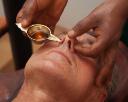
Breathing problems can quietly affect your quality of life. Whether it is frequent nasal blockage, sinus congestion, seasonal allergies, or chronic asthma, struggling to breathe freely can feel exhausting.
Many people rely on inhalers, antihistamines, or nasal sprays for relief. While these offer short-term control, some individuals seek natural, long-term approaches that address the root cause rather than just the symptoms.
One such traditional therapy is nasyam treatment in ayurveda, an ancient detoxification and rejuvenation procedure focused on clearing the nasal passages and respiratory channels. But can it really help with breathing issues and asthma?
Let’s explore its benefits, limitations, and how it works.
Nasyam, also known as Nasya Karma, is one of the five detoxification procedures in Panchakarma. In this therapy, medicated oils, herbal juices, or powders are administered through the nasal passages under professional supervision.
In Ayurveda, the nose is considered the gateway to the head and respiratory system. By delivering herbal formulations directly through the nasal route, the therapy aims to cleanse accumulated toxins, reduce inflammation, and improve airflow.
The treatment is carefully tailored according to the patient’s body constitution and health condition.
From an Ayurvedic perspective, breathing disorders are often linked to an imbalance of Kapha and Vata doshas. Excess Kapha can lead to mucus accumulation, congestion, and heaviness in the chest, while aggravated Vata may cause dryness and breathing irregularities.
Nasyam therapy supports respiratory health in several ways:
Medicated oils help loosen and expel accumulated mucus, improving nasal airflow. This is especially helpful for individuals suffering from sinus congestion and allergic rhinitis.
Certain herbal formulations used in nasyam treatment in Ayurveda possess anti-inflammatory properties that soothe irritated nasal and sinus tissues.
Regular therapy may help strengthen the upper respiratory tract, making it less susceptible to recurring infections and seasonal allergies.
By clearing blockages and calming inflammation, breathing becomes smoother and more comfortable.
Asthma is a chronic condition involving airway inflammation, mucus production, and bronchial constriction. It often requires medical management through inhalers and prescription medications.
Nasyam therapy does not replace conventional asthma treatment, but it may support respiratory health as a complementary therapy when supervised by professionals.
Supportive Benefits for Asthma Patients
However, individuals with severe or acute asthma attacks should always rely on prescribed emergency treatments first. Ayurvedic therapies are best integrated under expert guidance, not used as substitutes during emergencies.
Nasyam therapy is commonly recommended for individuals experiencing:
Those living in polluted environments or exposed to dust and allergens may also benefit from regular cleansing.
Before starting, a detailed health assessment is essential to determine suitability.
Nasyam therapy is performed in a controlled clinical setting.
First, a gentle facial massage and mild steam therapy are given to open nasal channels. Then, medicated oil or herbal extract is instilled into each nostril while the patient lies in a relaxed position. The therapist ensures proper inhalation and drainage.
After the procedure, mild throat clearing may occur as toxins are expelled. Rest is recommended for a short period.
The process is generally comfortable and takes about 30 to 45 minutes.
Although natural, Nasyam therapy should never be self-administered without professional advice. Incorrect dosage or inappropriate oils can irritate nasal tissues.
It may not be suitable for:
Always consult qualified Ayurvedic practitioners before beginning therapy.
Many individuals choose to combine traditional therapies with modern medical treatment. This integrative approach may offer balanced support.
For asthma patients, Nasyam can be part of a broader wellness plan that includes:
This combination may improve long-term respiratory health.
Ayurveda emphasizes prevention as much as treatment. Regular detoxification therapies like Nasyam aim to remove accumulated toxins before they lead to chronic disease.
Maintaining respiratory health involves:
When practiced correctly, nasyam treatment in Ayurveda may contribute to stronger immunity and improved breathing comfort.
So, is Nasyam therapy helpful for breathing problems and asthma? For many individuals, it can provide meaningful relief from nasal congestion, sinus pressure, and mild respiratory discomfort. As a supportive therapy, it may help improve airflow and reduce recurrent upper respiratory issues.
However, it is important to approach it responsibly. Asthma and serious breathing conditions require medical supervision. Nasyam should complement, not replace, prescribed treatment.
For those seeking authentic and professionally guided Ayurvedic care, Shattayu Ayurveda offers personalised consultations and traditional therapies tailored to individual health needs.
With proper assessment and expert supervision, Nasyam therapy can become a valuable part of a holistic respiratory wellness plan.
Ayurveda has been trusted for centuries as a natural path to healing, balance, and overall wellness. Among its many therapies, Pinda Sweda stands out as a deeply therapeutic treatment that addresses both physical and mental well-being.
If you’ve ever wondered how this ancient therapy can improve your health, reduce stress, and help your body heal naturally, this guide explains it all.
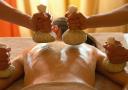
Unlike modern quick-fix treatments, pinda sweda ayurvedic treatment focuses on restoring balance and energy flow in the body. It combines the power of herbal oils, warm poultices, and expert massage techniques to work on muscles, joints, and energy channels.
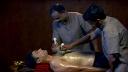
Pinda Sweda is a form of Ayurvedic fomentation therapy. The term literally means “sweating with a bolus or bundle” (Pinda = bundle, Sweda = sweating). In practice, it involves gently massaging the body with warm herbal poultices soaked in medicated oils or decoctions.
These poultices are typically filled with herbs, powders, and other natural ingredients tailored to the patient’s dosha and health needs. The warmth and medicinal properties penetrate deep into muscles and tissues, relaxing stiffness, improving circulation, and reducing inflammation.
One of the most immediate benefits of Pinda Sweda is its effect on muscles and joints. The warmth of herbal poultices relaxes tense muscles, soothes stiffness, and reduces pain from conditions such as arthritis, sciatica, or sports injuries.
Unlike painkillers, which mask discomfort temporarily, this therapy works on restoring function and mobility naturally.
The gentle, rhythmic massage movements combined with the heat from the poultices stimulate blood flow throughout the body. Improved circulation means better oxygen and nutrient delivery to tissues, faster recovery, and enhanced energy levels.
Ayurvedic wisdom views toxins, or “ama,” as a root cause of many ailments. The combination of warm oils, herbs, and massage in Pinda Sweda helps mobilise and flush out accumulated toxins, supporting the body’s natural cleansing mechanisms.
Herbal oils and poultices nourish the skin deeply. The treatment improves texture, hydration, and elasticity while reducing signs of fatigue and stress. Many patients notice softer, glowing skin after a session, making it a holistic beauty and wellness therapy.
Beyond physical benefits, Pinda Sweda also works on a subtle, energetic level. By stimulating marma points (vital energy points) and lymphatic channels, the therapy balances Vata, Pitta, and Kapha, helping restore overall equilibrium in the body and mind.
The combination of warmth, gentle pressure, and herbal scents creates a deeply calming experience. Many patients report reduced anxiety, improved sleep quality, and a feeling of mental clarity and rejuvenation after treatment.
Pinda Sweda is versatile and can support a wide range of conditions, including:
Because it is customised for the individual, it can be adapted to address specific concerns while promoting general wellness.
Frequency depends on the individual’s constitution and health goals. For chronic conditions, weekly sessions over a few months are often recommended, while occasional sessions may suffice for general wellness and relaxation.
A qualified Ayurvedic practitioner will assess your dosha, current health, and any underlying issues before recommending a treatment plan.
Unlike standard massages that primarily focus on relaxation or muscle relief, Pinda Sweda works on multiple levels:
This holistic approach is why Pinda Sweda has remained a cornerstone of Ayurvedic therapy for centuries.
To get the best results:
Following these simple steps enhances the treatment’s effectiveness and ensures a smoother experience.
After a session, it is common to feel relaxed and energised. To maintain benefits:
With regular sessions, patients often notice long-term improvements in mobility, skin health, energy levels, and stress management.
Pinda Sweda is far more than a traditional massage. It is a holistic healing experience that addresses the body, mind, and energy simultaneously. From relieving chronic pain and improving circulation to detoxifying the body and balancing doshas, the benefits are profound and long-lasting.
For anyone seeking a natural, time-tested path to wellness, incorporating Pinda Sweda into your routine can transform not just your physical health, but your overall sense of calm, vitality, and balance.
If you want to experience the full spectrum of Pinda Sweda Ayurvedic treatment at Shattayu Ayurveda Clinic. We provide expert care, personalised sessions, and genuine holistic healing designed to meet your individual needs.
True wellness comes from restoring balance within your body, mind, and spirit.
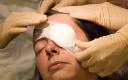
Our eyes are among the most delicate and essential organs of the body. In the modern era, excessive screen time, environmental pollution, and stressful lifestyles are increasingly affecting eye health. To maintain clear and healthy vision, it is crucial to adopt treatments that not only address symptoms but also restore and nourish the eyes.
Netra tarpan eye treatment is an Ayurvedic therapy designed to rejuvenate the eyes, improve vision, and enhance overall ocular health.
This treatment is a traditional Ayurvedic procedure that involves nourishing the eyes with medicated ghee. The term Netra refers to the eyes, and Tarpan means nourishment. This therapy aims to strengthen ocular muscles, reduce strain, and restore clarity of vision.
Unlike conventional treatments that focus on managing symptoms, this therapy works holistically to improve eye function and prevent future complications.
The treatment is conducted in a structured and precise manner under the guidance of trained practitioners. Thae procedure includes the following steps:
This treatment is safe, non-invasive, and highly effective for both preventive care and managing eye-related conditions.
Netra tarpan eye treatment provides multiple benefits for ocular health, including:
Prolonged exposure to digital devices often leads to fatigue and dryness. This therapy helps relieve eye strain and restores comfort.
Regular sessions strengthen the eye muscles and nourish the optic nerves, which may support better vision and prevent further deterioration.
The herbal ghee used in the therapy provides deep hydration, reducing dryness, redness, and irritation in the eyes.
This therapy supports long-term eye health and may help in reducing the risk of conditions such as cataracts and glaucoma.
The calming nature of the therapy not only benefits the eyes but also contributes to reduced stress and improved sleep patterns.
The treatment is beneficial for a wide range of individuals, particularly those who:
The main advantage of Netra tarpan eye treatment is its holistic and natural approach. Instead of merely addressing symptoms, it nourishes the eyes and strengthens their function.
The therapy is non-invasive, uses herbal ingredients, and has minimal risk of side effects. In addition, patients often experience enhanced mental clarity and reduced fatigue, showing that the therapy contributes to overall wellness.
To achieve the maximum benefits from the treatment, it is recommended to:
Healthy vision is essential for the overall quality of life. Netra tarpan eye treatment offers a safe, effective, and holistic method to restore, nourish, and protect the eyes. By adopting this therapy, individuals can address eye strain, improve visual clarity, and support long-term ocular health.
Investing in your eye care today ensures not only better vision but also enhanced overall well-being. This therapy represents a blend of traditional wisdom and modern understanding, making it a valuable choice for anyone seeking comprehensive eye health solutions.
Embracing the treatment is an investment in your eyes, promoting clarity, comfort, and lasting eye health for years to come.