


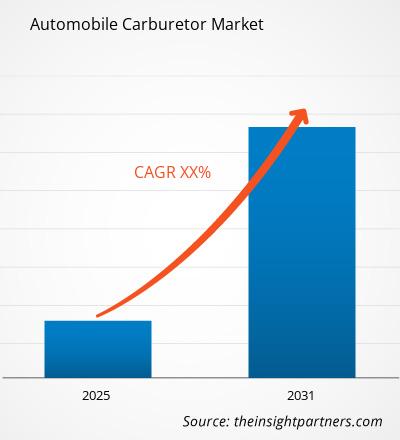
The automotive engineering landscape has shifted profoundly over the last few decades, with electronic fuel injection (EFI) systems taking center stage in modern passenger vehicles. However, the legacy and specialized application of the mechanical carburetor remain deeply embedded in various global automotive sectors. A comprehensive study by The Insight Partners reveals that the demand for automobile carburetors continues to adapt and flourish across specific geographical regions, aftermarket spaces, and niche two-wheeler and classic car ecosystems.
The Automobile Carburetor Market is expected to register a CAGR of 5.32% from 2026 to 2034, with the market size expanding from US$ 2.94 Billion in 2025 to US$ 4.69 Billion by 2034. This steady economic expansion proves that despite stringent emission regulations worldwide, the utility, cost-efficiency, and simplicity of carburetor systems retain immense value for global manufacturers and vehicle owners alike.
A carburetor’s fundamental role is to blend air and fuel in the exact ratios required for an internal combustion engine to run cleanly and efficiently. While modern premium cars rely heavily on computerized sensors and multi-point fuel injection systems, carburetors are incredibly resilient components. They require minimal electronic architecture, making them highly attractive for budget-conscious vehicle manufacturing, vintage restorations, small engines, and high-performance racing platforms where analog customization is preferred.
A primary driver for the sustained growth of this market is the skyrocketing demand for two-wheelers, particularly in developing economies across the Asia-Pacific region, Latin America, and parts of Africa. In these areas, motorcycles, scooters, and mopeds serve as the primary mode of personal and commercial transport. Manufacturers frequently opt for carbureted engines in lower-displacement two-wheelers because they keep the initial purchase cost of the vehicle low and make maintenance affordable for everyday consumers who may not have access to highly specialized diagnostic tools.
Furthermore, the automotive aftermarket sector provides a massive cushion for the industry. Millions of legacy vehicles and classic cars around the world rely on routine replacement parts to stay roadworthy. Enthusiasts who rebuild classic American muscle cars, historical European sports models, or older utility trucks frequently seek out brand-new, high-fidelity reproduction carburetors or upgrade to high-performance aftermarket variants that can handle higher horsepower and customized airflows.
Get a PDF Sample– https://www.theinsightpartners.com/sample/TIPRE00026049
Key Market Competitors Shaping the Landscape
The competitive environment of the automobile carburetor market is defined by a blend of specialized high-performance brands, massive original equipment manufacturers (OEMs), and regional industrial manufacturing giants. These organizations focus heavily on material durability, tight manufacturing tolerances, and optimizing airflow to satisfy both performance metrics and strict regional environmental standards.
The prominent entities steering the progression of this sector include:
Holley Performance Products, Inc: Renowned worldwide in the high-performance aftermarket and racing spheres, Holley sets the benchmark for high-displacement and custom-tuned carburetors.
Dellorto S.p.a.: An iconic Italian brand with deep roots in European motorcycle racing and passenger vehicle fuel systems, recognized for high-precision engineering.
EControls: Innovators in fuel management systems, offering specialized carburetor architectures that bridge traditional mechanical designs with alternative fuel and low-emission requirements.
Edelbrock, LLC.: A massive staple in the American automotive culture, specialized in aftermarket performance parts and premium replacement carburetors for muscle cars and hot rods.
Keihin FIE: A major powerhouse in the two-wheeler industry, known for supplying high-reliability fuel management components to leading motorcycle manufacturers.
Kunfu Group: A major Chinese manufacturing entity producing high-volume fuel system components for global export and diverse engine applications.
Mikuni American Corp.: Highly regarded for its exceptional Japanese engineering, Mikuni carburetors are widely used in performance motorcycles, powersports, and marine vehicles.
Ruixing Carburetor Manufacturing Co., Ltd.: A major supplier focused on scaling high-quality, cost-efficient carburetor systems for a wide array of small engines and automotive setups.
Youall Industry and Trade, Inc.: A growing industrial competitor utilizing advanced production lines to manufacture carburetors tailored to changing global small-engine demands.
Zama: A prominent global producer specializing primarily in small engine carburetion, critical for small utility vehicles and specialized power tools.
Future Outlook
The long-term horizon for the global automobile carburetor market from 2026 out to 2034 highlights a landscape defined by strategic adaptation rather than generic stagnation. As urban centers continue to enforce tighter regulatory frameworks on greenhouse gas emissions, carburetor manufacturers are heavily investing in research and development to engineer eco-friendly solutions. This includes developing hybrid-carburetion systems, electronic carburetors (e-carburetors) that utilize rudimentary electronic control units to precisely monitor air-fuel ratios, and using lighter, more robust alloy materials that resist corrosion from ethanol-blended fuels. While electric drivetrains take over the high-end passenger vehicle segments, the reliability, simplicity, and low capital cost of carbureted systems will secure their relevance across international powersports, vintage collections, and industrial and agricultural equipment frameworks for years to come.
Related Reports-
Automotive Engine Management Systems Market
Automotive Engine Fastener Market
About Us
The Insight Partners is a one-stop industry research provider of actionable intelligence. We help our clients in getting solutions to their research requirements through our syndicated and consulting research services. We specialize in industries such as Semiconductor and Electronics, Aerospace and Defense, Automotive and Transportation, Biotechnology, Healthcare IT, Manufacturing and Construction, Medical Devices, Technology, Media, and Telecommunications, as well as chemicals and Materials.
Contact Us
If you have any queries about this report or if you would like further information, don’t hesitate to get in touch with us:
Contact Person: Ankit Mathur
E-mail: ankit.mathur@theinsightpartners.com
Phone: +1-646-491-9876
The automotive sector is undergoing a massive transformation, driven by technological breakthroughs, tightening emission norms, and changing consumer preferences. At the heart of internal combustion engine (ICE) reliability is the camshaft drive system. The automotive cam chain, or timing chain, plays a critical role in synchronizing the rotation of the crankshaft and the camshaft. This precise synchronization ensures that the engine's valves open and close at the exact correct time during each cylinder's intake and exhaust strokes. As engines become more compact and power-dense, the demand for highly durable, low-friction, and noise-optimized cam chains has skyrocketed.
According to an industry report by The Insight Partners, the Automotive Cam Chain Market is expected to register a CAGR of 4.13% from 2026 to 2034, with the market size expanding from US$ 2.79 Billion in 2025 to US$ 4.02 Billion by 2034. This steady economic growth emphasizes the continued relevance of advanced internal combustion engine components, even during a broader industry shift toward electrification.
Key Market Drivers and Technological Developments
Several core factors are fueling the expansion of the global automotive cam chain market:
Downsizing and Turbocharging of Engines: Modern automotive engineering heavily favors downsized, turbocharged engines. These setups generate higher pressures and thermal loads within the engine block. Compared to traditional rubber timing belts, cam chains offer superior tensile strength, durability, and a longer lifecycle—frequently lasting the entire lifetime of the vehicle. This makes them the preferred choice for auto manufacturers looking to maintain reliability under harsher operating environments.
Strict Emission Regulations: Regulatory bodies worldwide are enforcing incredibly stringent carbon emission targets. To comply, manufacturers are designing high-efficiency engines that require micro-precise valve timing. Advanced cam chains with optimized link profiles reduce friction and mechanical energy losses, directly contributing to better fuel economy and reduced carbon footprints.
Rising Vehicle Production in Emerging Economies: Rapid urbanization, rising disposable incomes, and industrial expansion in regions like Asia-Pacific and Latin America have caused localized automotive production numbers to climb. The high volume of passenger cars and commercial vehicles manufactured in these areas creates a strong foundation for the cam chain market.
Get a PDF Sample– https://www.theinsightpartners.com/sample/TIPRE00021958
Market Segmentation and Insights
The automotive cam chain market can be broadly segmented by vehicle type, chain type, and sales channel.
By Vehicle Type: Passenger cars hold a dominant market share due to high production volumes globally. However, light commercial vehicles (LCVs) and heavy commercial vehicles (HCVs) represent a crucial steady segment, as heavy-duty fleet operations rely heavily on the long-term reliability of steel cam chains to avoid costly maintenance downtime.
By Chain Type: Roller chains and silent chains are the two primary product variants. Silent chains are rapidly gaining market share in premium and mid-range passenger vehicles because they reduce noise and operate smoothly at high engine revolutions. Roller chains remain popular in motorcycles and heavy-duty commercial applications due to their exceptional ruggedness.
By Sales Channel: The market is divided into Original Equipment Manufacturers (OEMs) and the aftermarket. OEMs drive the majority of market value as cam chains are installed during initial vehicle assembly. However, the aftermarket retains steady value from older vehicles requiring high-mileage replacements or tensioner system overhauls.
Competitive Landscape & Key Players
The global automotive cam chain market features a mix of well-established multinational component manufacturers and specialized regional players. These companies focus on materials science innovations, applying specialized heat treatments and surface coatings (such as vanadium or chromium carbo-nitriding) to improve wear resistance.
The prominent key players operating in this marketplace include:
Tsubakimoto
BorgWarner
Schaeffler
DAIDO KOGYO
Iwis
LGB
Qingdao Choho
TIDC
Rockman Industries
Ferdinand Bilstein GmbH + Co. KG
These industry leaders frequently collaborate directly with automotive OEMs to design custom timing systems tailored to next-generation engine platforms, securing their market footprint through long-term supply agreements.
Future Outlook
Looking ahead, the future of the automotive cam chain market will be heavily shaped by hybrid vehicle architectures and regional variations in energy transitions. While pure battery electric vehicles (BEVs) do not utilize internal combustion engines, full hybrids (HEVs) and plug-in hybrid electric vehicles (PHEVs) rely on highly optimized internal combustion engines that cycle on and off frequently. This operational cycle puts unique, sudden stresses on the timing system, creating a specialized niche for high-durability cam chains. Furthermore, the rising integration of smart manufacturing processes, lightweight steel alloys, and advanced low-viscosity engine oils will force cam chain designs to become lighter and slicker than ever before. While the market faces headwinds from rapid EV adoption in certain regions, the massive volume of hybrid and traditional ICE vehicles across developing territories ensures a resilient, profitable trajectory toward its US$ 4.02 Billion valuation by 2034.
Related Reports-
Marine Engine Monitoring System Market
Automotive Engine Management Systems Market
About Us
The Insight Partners is a one-stop industry research provider of actionable intelligence. We help our clients in getting solutions to their research requirements through our syndicated and consulting research services. We specialize in industries such as Semiconductor and Electronics, Aerospace and Defense, Automotive and Transportation, Biotechnology, Healthcare IT, Manufacturing and Construction, Medical Devices, Technology, Media, and Telecommunications, as well as chemicals and Materials.
Contact Us
If you have any queries about this report or if you would like further information, don’t hesitate to get in touch with us:
Contact Person: Ankit Mathur
E-mail: ankit.mathur@theinsightpartners.com
Phone: +1-646-491-9876
The automotive industry is in the midst of a historic paradigm shift, transitioning from rigid mechanical designs to intelligent, responsive ecosystems. At the forefront of this evolution is the development of active body panels exterior automotive components that dynamically alter their shape, position, or functionality in real-time based on driving conditions, vehicle speed, and environmental changes. These systems, which include adaptive grille shutters, deployable spoilers, smart air dams, and energy-storing body panels, are vital tools for modern automakers aiming to optimize vehicle performance and meet rigid environmental standards.
Market Valuation and Growth Trajectory
According to a comprehensive market study by The Insight Partners, the financial and technological footprints of this industry are expanding rapidly. The Automotive Active Body Panels Market size is expected to reach US$ 1.91 Billion by 2034 from US$ 1.41 Billion in 2025. The market is estimated to record a CAGR of 3.87% from 2026 to 2034.
This steady growth highlights a broader industry trend: active aerodynamics and smart exterior integration are no longer exclusive privileges reserved for elite supercars. Instead, they are rapidly flowing down into premium sedans, high-volume sport utility vehicles (SUVs), and mass-market hybrid and electric vehicles (EVs).
Core Market Drivers
The steady expansion of the automotive active body panels market is propelled by a combination of regulatory pressures, the global shift toward vehicle electrification, and advancements in materials science.
1. Stringent Emission Norms and Aerodynamic Optimization
Governments worldwide continue to enforce rigid limits on carbon emissions while mandating aggressive targets for fuel economy. To meet these requirements, original equipment manufacturers (OEMs) cannot rely solely on internal engine refinements; they must minimize aerodynamic drag. Active body panels address this need by dynamically adjusting to airflow. For instance, active grille shutters close at highway speeds to minimize drag, lowering energy consumption and reducing a vehicle's carbon footprint.
2. Eliminating Range Anxiety in Electric Vehicles
As the global fleet shifts toward electrification, aerodynamic efficiency directly influences consumer purchasing decisions. In electric vehicles, every decimal point reduction in the coefficient of drag (Cd) translates to extended battery range. Active spoilers, side skirts, and air curtains deploy automatically at high speeds to keep the airflow smooth, optimizing battery conservation and directly alleviating "range anxiety" for EV drivers.
3. Materials Science and Structural Evolution
Historically, the weight of the motors, sensors, and linkages required to actuate body panels threatened to offset the efficiency gains they provided. However, the modern market is utilizing lightweight, high-strength materials like aluminum, carbon fiber-reinforced polymers, and engineered thermoplastics. These advanced materials deliver the necessary structural integrity without adding unnecessary bulk to the vehicle's frame.
Get a PDF Sample– https://www.theinsightpartners.com/sample/TIPRE00021953
Key Market Competitors
The active body panels landscape features a mix of traditional automotive manufacturing giants and specialized component engineering firms. These entities are investing heavily in research and development to integrate complex electronics, sensors, and actuators directly into exterior body panels.
Key players shaping the global marketplace include:
General Motors
Daimler AG
Ford Motor Company
Toyota Motor Corporation
Porsche AG
Honda Motor Company, Ltd.
Volkswagen Group
Tata Motors
Voestalpine Metal Forming GmbH
Nissan Motor Company Ltd.
These companies are establishing strategic partnerships with technology providers to seamlessly merge physical automotive structures with artificial intelligence (AI)-driven control software. This ensures that panels respond instantly and reliably to real-time data inputs.
Market Challenges
Despite a highly positive growth outlook, the industry must navigate distinct challenges before achieving absolute mass-market adoption. The primary obstacle is the high initial cost associated with complex electronic actuators, precise sensor networks, and advanced composite materials. In highly price-sensitive vehicle segments, the cost of installing these systems can sometimes outweigh the perceived efficiency benefits.
Additionally, long-term mechanical reliability remains a critical talking point. Exterior moving parts are continuously exposed to harsh weather conditions, road debris, and minor impacts, requiring strict engineering validation to minimize lifetime maintenance issues for consumers.
Future Outlook
The future of the automotive active body panels market points toward absolute integration, where the boundary between mechanical hardware and digital intelligence completely disappears. Over the next decade, look for the market to move beyond basic aerodynamic adjustments and embrace multifunctional, energy-storing body panels. These advanced systems will incorporate thin-film solar cells to actively charge vehicle batteries while parked, alongside integrated thermal management skins that adapt to regulate internal battery and cabin temperatures. Furthermore, as autonomous driving systems and Advanced Driver Assistance Systems (ADAS) become standard, active body panels will evolve to shield fragile radar and LiDAR sensors from environmental hazards, securing their place as a foundational technology for next-generation mobility.
Related Reports-
Automotive Security System Market
Electric Light Commercial Vehicle Market
About Us
The Insight Partners is a one-stop industry research provider of actionable intelligence. We help our clients in getting solutions to their research requirements through our syndicated and consulting research services. We specialize in industries such as Semiconductor and Electronics, Aerospace and Defense, Automotive and Transportation, Biotechnology, Healthcare IT, Manufacturing and Construction, Medical Devices, Technology, Media, and Telecommunications, as well as chemicals and Materials.
Contact Us
If you have any queries about this report or if you would like further information, don’t hesitate to get in touch with us:
Contact Person: Ankit Mathur
E-mail: ankit.mathur@theinsightpartners.com
Phone: +1-646-491-9876
Modern battlefield environments demand unprecedented levels of personal protective equipment (PPE) to ensure combat readiness, troop safety, and mission success. Among the critical components of tactical gear, military protective eyewear plays a foundational role in shielding defense personnel from ballistic fragments, environmental hazards, chemical exposure, and intense laser radiation. As armed forces globally transition toward digitized battlefield networks and integrate advanced optoelectronic systems, the market for specialized tactical spectacles and goggles is experiencing a substantial wave of evolution.
Market Overview and Growth Projections
According to a comprehensive research study published by The Insight Partners, the Military Protective Eyewear Market size is projected to reach US$ 203.24 million by 2031 from US$ 120.79 million in 2023. This expansion highlights a steady and resilient trajectory for defense-sector manufacturing, with the market expected to register a compound annual growth rate (CAGR) of 6.7% during the forecast period of 2023–2031.
This steady expansion is primarily propelled by the ongoing modernization of armed forces across both developed and emerging nations. Geopolitical tensions, cross-border disputes, and the rise of asymmetrical warfare have compelled ministries of defense to aggressively upgrade the structural integrity and technological sophistication of soldier systems. Because eye injuries historically account for a notable portion of preventable combat casualties, defense procurement agencies are standardizing premium ballistic-rated eyewear across regular infantry units, rather than reserving them solely for elite special forces.
Key Factors Driving Market Expansion
Several underlying factors are accelerating the development and procurement of tactical eyewear systems:
Escalating Ballistic Threats: Modern combat zones expose troops to a high volume of high-velocity fragments from improvised explosive devices (IEDs), artillery shrapnel, and structural debris. Advancements in impact-resistant materials, such as specialized polycarbonate blends, have become essential to preventing permanent ocular trauma.
Integration of Advanced Technologies: Tactical eyewear is no longer just a passive shield; it is rapidly transforming into a digital interface. The rising integration of Heads-Up Displays (HUD), augmented reality (AR) target overlays, and night-vision-compatible lens coatings is creating a brand-new segment of smart eyewear.
Environmental Adaptation: Defense operations span incredibly diverse and harsh terrains from arid desert sands to freezing high-altitude environments. Consequently, demand is rising for anti-fogging ventilation architectures, scratch-resistant coatings, and dynamic photochromic lenses that adapt instantaneously to changing light conditions.
Get a PDF Sample– https://www.theinsightpartners.com/sample/TIPRE00006361
Comprehensive Competitive Landscape and Key Players
The military protective eyewear ecosystem features an intricate mix of deep-rooted aerospace defense organizations, naval engineering groups, and specialized marine and electronic instrumentation innovators. These entities continuously collaborate with military procurement boards to design, test, and manufacture elite tactical equipment capable of withstanding extreme environmental stress.
The prominent key players spearheading development, research, and technological deployment across the defense landscape include:
HYDRONALIX
Aanderaa Data Instruments AS
AutoNaut ltd
Eco Marine Power
Liquid Robotics Inc
OceanAlpha Group ltd
QinetiQ
Seabed BV
SeaRobotics Corporation
Sirehna Naval Group
These industry leaders heavily invest in research and development (R&D) to combine lightweight design with maximum ballistic protection. By leveraging state-of-the-art materials science, these companies ensure that tactical goggles and spectacles satisfy rigorous military ballistic standards (such as MIL-PRF-32432A) while minimizing physical fatigue for the end-user. Furthermore, strategic contracts with global defense forces remain a core mechanism for market footprint expansion among these major corporations.
Market Segmentation and Regional Highlights
From a geographic perspective, North America maintains a commanding share of the global market, heavily supported by the stringent equipment standards of the U.S. Department of Defense and continuous allocations toward the Authorized Protective Eyewear List (APEL). Concurrently, the Asia-Pacific region is recognized as the fastest-growing market. Rapid defense budget expansions in nations like India, China, and South Korea coupled with comprehensive soldier modernization initiatives are driving bulk procurement contracts for advanced tactical gear.
In terms of product categorization, the market is broadly split between ballistic spectacles and tactical goggles. While spectacles are favored for everyday patrol operations due to their lightweight frame structure and comfort, tactical goggles dominate high-threat environments, airborne operations, and heavy dust conditions where complete facial sealing is mandatory.
Future Outlook
The future of the military protective eyewear market points toward an era defined by cognitive integration and advanced materials science. Over the next decade, the industry is poised to move beyond simple impact resistance toward multi-functional smart systems that actively support situational awareness. We can expect to see widespread field deployment of eyewear featuring embedded waveguide displays, seamless compatibility with tactical communication networks, and adaptive laser glare protection designed to neutralize directed-energy weapons on the battlefield. As global defense entities increasingly prioritize reducing the combat load of individual soldiers, manufacturers who successfully combine ultra-lightweight frames with robust digital capabilities and high-tier ballistic certifications will lead the next generation of military life-safety solutions.
Related Reports-
Military Personal Protective Equipment Market
Military Thermal Weapon Sights Market
Military Night Vision System Market
About Us
The Insight Partners is a one-stop industry research provider of actionable intelligence. We help our clients in getting solutions to their research requirements through our syndicated and consulting research services. We specialize in industries such as Semiconductor and Electronics, Aerospace and Defense, Automotive and Transportation, Biotechnology, Healthcare IT, Manufacturing and Construction, Medical Devices, Technology, Media, and Telecommunications, as well as chemicals and Materials.
Contact Us
If you have any queries about this report or if you would like further information, don’t hesitate to get in touch with us:
Contact Person: Ankit Mathur
E-mail: ankit.mathur@theinsightpartners.com
Phone: +1-646-491-9876
The global aviation sector is undergoing a massive paradigm shift as aircraft manufacturers and operators actively transition toward modern, efficient, and intelligent infrastructure. At the heart of this evolution is the electrification of aircraft platforms, an initiative aimed at replacing legacy pneumatic, hydraulic, and electromechanical systems with highly sophisticated electrical counterparts. Central to this transition is the Solid-State Power Controller (SSPC) a smart device that manages, monitors, and distributes electrical power within an aircraft's grid.
The Aircraft Electrical Solid-State Power Controller Market size is expected to reach US$ 1,026.29 Million by 2034 from US$ 554.84 Million in 2025. The market is estimated to record a CAGR of 7.99% from 2026 to 2034. This significant trajectory highlights the escalating reliance on advanced power management systems to maximize safety, optimize weight, and meet the strict power demands of next-generation aircraft.
Understanding the Role of Solid-State Power Controllers
Traditional aircraft power management architectures relied heavily on thermal-mechanical circuit breakers and electromechanical relays. While functional, these conventional systems present several operational drawbacks, including slower reaction times, susceptibility to physical wear, and a lack of integrated digital diagnostics.
In contrast, an SSPC relies on semiconductor switches (such as Metal-Oxide-Semiconductor Field-Effect Transistors or Silicon Carbide devices) combined with microprocessors to control and safeguard electrical power distribution. By eliminating moving parts, SSPCs eliminate mechanical wear, drastically reduce the risk of electrical arcing, and function with switching speeds that are orders of magnitude faster than legacy breakers. Furthermore, SSPCs deliver intelligent capabilities like real-time telemetry, remote programmable trip curves, and prognostic maintenance data, positioning them as essential components for the "More Electric Aircraft" (MEA) movement.
Key Market Drivers and Trends
The notable expansion of the SSPC market is driven by several intersecting trends in civil and military aviation:
The Drive for Weight Reduction and Fuel Efficiency: Every kilogram saved on an aircraft translates directly into decreased fuel consumption and minimized carbon emissions. Traditional copper-heavy wiring and bulky mechanical breaker panels add substantial weight. By utilizing digital controls and intelligent load scheduling, SSPCs minimize total system weight, allowing aerospace engineers to optimize electrical wiring interconnection systems (EWIS).
Increased Electrification of Subsystems: Modern commercial and defense aircraft feature power-hungry subsystems, including advanced flight control computers, advanced cabin infotainment, environmental control systems, and complex radar suites. SSPCs provide the micro-management capabilities needed to efficiently allocate power across these sophisticated networks without overloading the central generation architecture.
Rise in Global Aircraft Deliveries: Fleet modernization and expanding global travel routes have forced original equipment manufacturers (OEMs) like Airbus and Boeing to accelerate production. The persistent assembly of new commercial aircraft, regional jets, and Unmanned Aerial Vehicles (UAVs) provides a continuous demand baseline for factory-installed (line-fit) solid-state systems.
Get a PDF Sample– https://www.theinsightpartners.com/sample/TIPRE00027419
Market Segmentation and Insights
The global market for aircraft SSPCs is highly diversified, analyzed across multiple dimensions to reveal targeted growth pockets:
Phase Type: The market is bifurcated into Single Phase and Three Phase systems. Three-phase SSPCs capture a prominent share due to their capability to transmit higher power loads more efficiently across main distribution grids with minimal assembly complexity.
Aircraft Type: The application scope spans Commercial Aircraft, General Aviation, Helicopters, Military Aircraft, and UAVs. The commercial aircraft sector stands out as a leading driver due to high volume requirements, while the UAV segment is emerging as the fastest-growing vertical owing to the electric-propulsion nature of modern drones.
Fit Type: Solutions are deployed via Line Fit (installed during manufacturing) or Retrofit (upgrading existing aircraft during maintenance intervals). Line-fit systems represent the bulk of market value as next-generation aircraft designs naturally accommodate native digital power distribution.
Competitive Landscape & Key Players
The global aircraft electrical solid-state power controller market features a mix of established aerospace Tier-1 suppliers and specialized semiconductor innovators. These industry participants heavily invest in research and development to manufacture smaller, lighter, and thermally efficient modules capable of handling extreme aerospace conditions.
The prominent key players shaping this marketplace include:
GE Aviation
Safran Group
Raytheon Technologies Corporation
TransDigm Group, Inc.
Schneider Electric
Sensitron Semiconductor
Leach International Corporation
Sensor Control Nordic AB
Polarity Inc.
Data Device Corporation
Strategic actions such as mergers, acquisitions, and technology partnerships remain frequent among these entities. For instance, consolidation efforts like TransDigm’s acquisition of Leach International and Safran’s integration of Thales’ electrical systems division highlight a broader industry push to create cohesive, end-to-end power management portfolios.
Future Outlook
Looking forward, the future of the Aircraft Electrical Solid-State Power Controller Market is closely tied to the advent of hybrid-electric and fully electric propulsion concepts, alongside the commercialization of Urban Air Mobility (UAM) platforms. As the industry sets its sights on achieving net-zero carbon emissions by 2050, electrical architectures must evolve to manage significantly higher voltages and transient power spikes. This evolution will accelerate the implementation of Wide Bandgap semiconductors, particularly Silicon Carbide (SiC) and Gallium Nitride (GaN), within next-generation SSPC architectures to reduce thermal dissipation and minimize unit footprints. Consequently, SSPCs will shift from being viewed as basic protective circuit switches to operating as the primary intelligent nodes of high-voltage aircraft power grids, ensuring stable, autonomous, and safe operations across the skies of tomorrow.
Related Reports-
Electrical Wiring Interconnection System (EWIS) Market
About Us
The Insight Partners is a one-stop industry research provider of actionable intelligence. We help our clients in getting solutions to their research requirements through our syndicated and consulting research services. We specialize in industries such as Semiconductor and Electronics, Aerospace and Defense, Automotive and Transportation, Biotechnology, Healthcare IT, Manufacturing and Construction, Medical Devices, Technology, Media, and Telecommunications, as well as chemicals and Materials.
Contact Us
If you have any queries about this report or if you would like further information, don’t hesitate to get in touch with us:
Contact Person: Ankit Mathur
E-mail: ankit.mathur@theinsightpartners.com
Phone: +1-646-491-9876
The global textile and apparel industries are undergoing a massive transformation, driven by automation, changing consumer preferences, and technological breakthroughs. At the center of this evolution is the embroidery equipment sector. Once a heavily manual craft passed down through generations, embroidery has transitioned into a highly sophisticated, digitized industry. From mass-produced fast fashion to bespoke luxury goods and personalized promotional merchandise, the reliance on high-speed, reliable, and precise machinery is higher than ever.
According to a comprehensive study by The Insight Partners, the embroidery equipment market is primed for steady expansion in the coming years. The Embroidery Equipment Market is expected to register a CAGR (compound annual growth rate) of 2.85% from 2026 to 2034, with the market size expanding from US$ 6.10 Billion in 2025 to US$ 7.86 Billion by 2034. This consistent upward trajectory reflects the stabilizing demand in global manufacturing hubs alongside an explosion in small-scale, entrepreneurial garment decoration businesses.
Market Dynamics and Growth Drivers
Several underlying factors are steering the growth of the embroidery equipment market. A prominent driver is the booming "on-demand" personalized apparel market. Today’s consumers increasingly seek unique, individualized clothing, footwear, and accessories. E-commerce platforms and local custom-print shops have made it incredibly easy for individuals or corporate clients to order custom-embroidered goods. This shift has forced apparel manufacturers to move away from rigid, monolithic production lines and adopt agile, multi-head embroidery machines that can switch designs rapidly without costly downtime.
Furthermore, technological integration has significantly lowered the barrier to entry for high-quality embroidery production. Modern equipment comes tightly integrated with advanced computerized design (CAD) software and internet-of-things (IoT) capabilities. These smart features allow operators to upload intricate digitized patterns via Wi-Fi, monitor thread breaks in real time, and adjust stitch tension automatically based on the fabric type. By minimizing human error and material waste, these smart machines are proving highly lucrative for businesses looking to optimize their operational overhead.
Regionally, the market is heavily supported by massive textile manufacturing ecosystems in the Asia-Pacific region, particularly in countries like China, India, Bangladesh, and Vietnam. Concurrently, there is a prominent resurgence in localized, domestic production in North America and Europe, driven by the desire for quicker delivery turnaround times and reduced carbon footprints associated with shipping.
Get a PDF Sample– https://www.theinsightpartners.com/sample/TIPRE00022403
Competitive Landscape and Key Players
The global embroidery equipment market is characterized by a mix of highly established industrial conglomerates and specialized consumer-facing brands. Companies compete intensely based on machine speed, stitch precision, software compatibility, number of needles, and after-sales maintenance support. Industry leaders consistently invest heavily in research and development to bring multi-head, modular, and hybrid printing-embroidery systems to the market.
The key players operating in the global market include:
Baby Lock – Highly regarded for its premium consumer and cottage-industry machines, focusing on user-friendly interfaces and robust feature sets for home businesses.
Barudan CO., LTD. – A titan in industrial-grade machinery, widely recognized for manufacturing heavy-duty multi-head equipment capable of continuous high-speed factory output.
BERNINA – A premium Swiss brand known for its unmatched engineering precision, catering primarily to luxury craft enthusiasts and high-end boutique ateliers.
Brother International Corporation – A globally dominant force offering a versatile portfolio that bridges the gap between affordable entry-level single-needle machines and industrial multi-needle setups.
HappyJapan, Inc. – Celebrated for its exceptionally reliable, compact, and durable multi-needle embroidery machines designed for commercial embroidery shops.
Janome America, Inc. – A household name that excels in delivering reliable computerized embroidery machines tailored for individual creators and small craft businesses.
Melco International – A pioneer in modular embroidery systems, allowing businesses to link multiple independent machines together for highly flexible production scale-ups.
Ricoma International Corporation – A rapidly growing brand known for excellent customer onboarding and versatile commercial machines optimized for startup apparel decoration businesses.
SAURER AG – A major player in massive, high-volume industrial embroidery installations, serving large-scale textile manufacturers globally.
The Singer Company Limited, S.a.r.l. – A historically foundational sewing brand that maintains a steady presence with accessible, consumer-friendly embroidery solutions.
Future Outlook
Looking toward 2034, the future of the embroidery equipment market lies firmly in the hands of automation, sustainability, and hybrid technology. As manufacturing facing persistent labor shortages globally, machine developers will place an even greater focus on fully automated thread-trimming, self-lubricating systems, and AI-driven camera sensors that catch defects before they ruin a garment. We can also expect a sharper industry pivot toward eco-friendly practices, resulting in machines optimized for organic or recycled threads and systems engineered to consume less electricity. Ultimately, the lines between different textile decoration methods will continue to blur; hybrid machines that combine direct-to-garment (DTG) digital printing with precise mechanical embroidery accents on a single frame are poised to redefine custom apparel manufacturing over the next decade.
Related Reports-
Tensile Testing Equipment Market
Metal Cleaning Equipment Market
Coal Handling Equipment Market
About Us
The Insight Partners is a one-stop industry research provider of actionable intelligence. We help our clients in getting solutions to their research requirements through our syndicated and consulting research services. We specialize in industries such as Semiconductor and Electronics, Aerospace and Defense, Automotive and Transportation, Biotechnology, Healthcare IT, Manufacturing and Construction, Medical Devices, Technology, Media, and Telecommunications, as well as chemicals and Materials.
Contact Us
If you have any queries about this report or if you would like further information, don’t hesitate to get in touch with us:
Contact Person: Ankit Mathur
E-mail: ankit.mathur@theinsightpartners.com
Phone: +1-646-491-9876
The global waste management and recycling landscape is undergoing a massive transformation, driven by rapid urbanization, tightening environmental regulations, and a collective push toward a circular economy. At the heart of this transition is the industrial processing equipment designed to handle bulky, diverse, and tough waste materials. Among these, slow-speed shredding machines have emerged as a critical technology. Operating at high torque and low revolutions per minute (RPM), these robust machines are uniquely capable of primary shredding for materials ranging from municipal solid waste (MSW) and demolition debris to industrial plastics and biomass.
Market Valuation and Growth Trajectory
The global slow speed shredding machines market is experiencing sustained growth, reflecting the escalating demands for advanced waste-volume reduction and resource recovery solutions worldwide. The Slow Speed Shredding Machines Market size is expected to reach US$ 308.65 Million by 2034 from US$ 191.26 Million in 2025. The market is estimated to record a CAGR of 6.16% from 2026 to 2034. This steady compound annual growth rate indicates a healthy long-term investment cycle, fueled by municipal waste infrastructure upgrades, private recycling facility expansions, and strict enforcement of landfill bans across key regions like Europe and North America.
Key Market Drivers and Technological Dynamics
Several pivotal factors are driving the adoption of slow-speed shredders over high-speed alternatives. First and foremost is their operational versatility and resilience. High-speed shredders are highly efficient for uniform materials but are prone to catastrophic failure and wear when encountering contraries or un-shreddable objects like large metal chunks or heavy concrete blocks. In contrast, slow-speed, high-torque shredders minimize the risk of tool breakage, offer automatic reverse features to clear jams, and generate significantly less dust and noise, creating a safer and more compliant workplace environment.
Furthermore, the rise of Waste-to-Energy (WtE) initiatives has dramatically augmented market demand. Slow-speed shredders serve as the ideal primary crushing phase, preparing heterogeneous waste into a more homogenous size suitable for downstream sorting, magnetic separation, or incineration. As governments globally disincentivize landfilling through heavy taxation, industrial operators are heavily relying on these machines to optimize their material pre-treatment stages.
Get a PDF Sample– https://www.theinsightpartners.com/sample/TIPRE00022051
Competitive Landscape and Key Players
The global market is characterized by a mix of established international machinery conglomerates and specialized recycling equipment manufacturers. These players continuously invest in research and development to introduce smart tracking, hydraulic enhancements, and hybrid electric-diesel powertrains that lower operational costs.
The prominent companies driving innovation and holding significant market share in the slow-speed shredding machines sector include:
Bandit Industries, Inc. – Known for high-performance wood processing and waste reduction machinery.
EDGE Innovate (NI) LTD – A leader in material handling and recycling equipment, specializing in heavy-duty slow-speed shredders.
GENOX RECYCLING TECH CO., LTD. – A prominent manufacturer focusing on robust plastic and municipal waste recycling systems.
Granutech-Saturn Systems – Globally recognized for their Saturn industrial shredders, offering rugged, high-torque solutions.
HAMMBREAKER – Specializing in mobile and stationary slow-speed shredders tailored for tough demolition and biomass waste.
Komptech Group – A leading international supplier of machinery and systems for the mechanical and biological treatment of solid waste.
LINDNER-RECYCLINGTECH GMBH – A pioneer in waste processing, offering highly reliable single-shaft and twin-shaft slow-speed shredders.
SSI Shredding Systems, Inc. – Renowned for engineered waste reduction solutions, crafting some of the industry’s most durable primary shredders.
Terex Corporation – A global manufacturing giant leveraging its environmental division (Terex Ecotec) to deliver premier processing units.
Williams Patent Crusher and Pulverizer Co., Inc. – A historic leader in crushing and pulverizing technology with advanced size-reduction equipment.
Segmental and Regional Insights
Geographically, Europe leads the market in terms of technology adoption, mandated by the European Green Deal and stringent circular economy directives. However, the Asia-Pacific region is projected to experience the fastest growth rate through 2034. Rapid industrialization in countries like China, India, and Southeast Asian nations has led to unprecedented levels of solid waste, compelling local municipalities and private firms to adopt mechanized processing.
In terms of configuration, the market is split between mobile (tracked or wheeled) and stationary units. While stationary units remain a staple for dedicated recycling plants, mobile slow-speed shredders are gaining massive traction. Their ability to be transported directly to construction sites, forestry operations, or remote landfill sites drastically reduces material transportation logistics and operational overheads.
Future Outlook
The future of the slow-speed shredding machines market looks exceptionally promising, characterized by a transition toward intelligent engineering and sustainable power sources. Over the next decade, the integration of Internet of Things (IoT) sensors and AI-driven predictive maintenance will become standard, allowing operators to monitor blade wear, torque distribution, and fuel consumption in real time to prevent costly downtime. Additionally, as industries face strict carbon-neutral mandates, manufacturers will increasingly pivot away from traditional diesel-hydraulic systems toward fully electric and hybrid-drive configurations, optimizing energy efficiency without sacrificing torque. Driven by these technological evolutions and a global mandate for comprehensive waste recovery, the market is poised to secure a vital, resilient position in the global industrial machinery matrix through 2034 and beyond.
Related Reports-
Insulation Blowing Machines Market
About Us
The Insight Partners is a one-stop industry research provider of actionable intelligence. We help our clients in getting solutions to their research requirements through our syndicated and consulting research services. We specialize in industries such as Semiconductor and Electronics, Aerospace and Defense, Automotive and Transportation, Biotechnology, Healthcare IT, Manufacturing and Construction, Medical Devices, Technology, Media, and Telecommunications, as well as chemicals and Materials.
Contact Us
If you have any queries about this report or if you would like further information, don’t hesitate to get in touch with us:
Contact Person: Ankit Mathur
E-mail: ankit.mathur@theinsightpartners.com
Phone: +1-646-491-9876
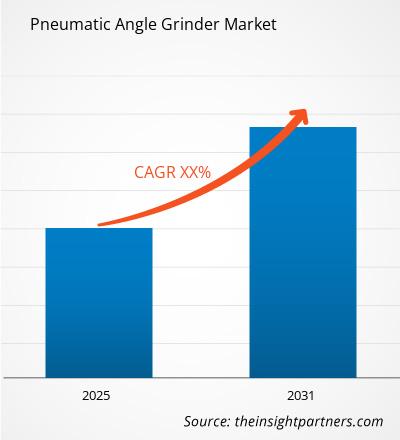
The industrial landscape is constantly evolving, driven by the demand for tools that offer high efficiency, durability, and safety. Among these, the pneumatic angle grinder has emerged as a fundamental tool across manufacturing, construction, and metalworking environments. Powered by compressed air rather than electric motors, these tools are highly valued for their ability to deliver consistent power without the risk of electrical overheating or sparking in volatile atmospheres.
According to a comprehensive study by The Insight Partners, the global Pneumatic Angle Grinder Market size is projected to reach US$ 1.8 Billion by 2034 from US$ 1.06 Billion in 2025. The market is anticipated to register a CAGR (compound annual growth rate) of 5.9% during the forecast period 2026–2034. This steady expansion underscores the growing reliance on robust air-powered tools in heavy-duty industrial operations worldwide.
Market Dynamics and Growth Drivers
Several key factors are propelling the global pneumatic angle grinder market forward. First and foremost is the rapid expansion of the manufacturing, automotive, and aerospace industries. In these sectors, surface preparation, metal finishing, weld grinding, and cutting are daily, high-volume tasks. Pneumatic angle grinders offer a superior power-to-weight ratio compared to their electric or battery-powered counterparts. This means operators can work with lightweight tools that reduce fatigue while still generating immense speed and torque to cut through hardened materials.
Safety regulations in heavy industries also play a vital role. In environments such as oil and gas refineries, chemical processing plants, and shipyards, the presence of flammable gases or moisture poses a severe risk for electric tools, which can emit sparks or short-circuit. Pneumatic tools naturally eliminate these electrical hazards because they rely entirely on mechanical air pressure. Additionally, since air motors cannot burn out from overloading they simply stall without damage when pushed beyond capacity they boast a significantly longer operational lifespan, reducing long-term maintenance costs for industrial facilities.
Furthermore, the rise of infrastructure projects across developing economies in the Asia-Pacific region, Latin America, and parts of Africa is creating a substantial demand for reliable construction tools. As governments invest in railways, bridges, pipelines, and commercial buildings, heavy fabrication activities increase, directly feeding the demand for pneumatic grinding machinery.
Get a PDF Sample– https://www.theinsightpartners.com/sample/TIPRE00023232
Competitive Landscape and Key Players
The global market features a blend of established multinational manufacturers and specialized regional players focusing on precision engineering and durable components. Companies are continuously investing in research and development to improve ergonomics, lower vibration levels, and integrate advanced noise-reduction systems to safeguard workers.
The key players operating in the global pneumatic angle grinder market include:
Robert Bosch Power Tools GmbH: A global leader in engineering and technology, providing high-performance industrial tools with a strong emphasis on precision and safety.
Bhagwati Tools Private Limited: A well-known manufacturer specializing in rugged, reliable pneumatic equipment designed for demanding metalworking environments.
Chicago Pneumatic: Renowned worldwide for high-quality air compressors and pneumatic tools, delivering heavy-duty performance across the automotive and construction sectors.
Rodcraft: A brand built on innovative compressed air tools and workshop equipment, focusing on user-friendly designs and durability.
Sumake Industrial Co., Ltd.: An international manufacturer specializing in professional high-end pneumatic tools, compressor options, and associated accessories.
GISON MACHINERY CO., LTD.: A premier manufacturer based in Taiwan, offering a diverse portfolio of air tools with decades of manufacturing experience.
RUKO GmbH Präzisionswerkzeuge: Celebrated for its high-precision drilling and cutting tools, catering to precise metal craftsmen and industrial operations.
Ralliwolf: An established name in the power tool space, known for manufacturing resilient industrial gear tailored for tough site conditions.
TORA KING: A specialized provider of industrial-grade tools designed for efficient material removal and consistent workshop throughput.
Associated Pneumatic Tools: A key supplier of specialized pneumatic solutions focused on reliability, performance, and heavy-duty capabilities.
Market Segmentation and Regional Highlights
The market can be segmented based on product type, disc size, and end-use industry. In terms of disc size, standard 4-inch and 5-inch grinders hold a substantial share due to their versatility in common fabrication tasks. However, larger heavy-duty models designed for 7-inch to 9-inch discs are seeing increased adoption in large-scale shipbuilding and heavy structural steel fabrication.
Geographically, North America and Europe remain mature, highly technical markets. These regions are characterized by stringent workplace safety standards (such as OSHA guidelines), forcing companies to adopt sparks-free pneumatic systems over electric alternatives. On the other hand, the Asia-Pacific region is recognized as the fastest-growing market. Rapid urbanization, massive industrialization in countries like India and China, and the expansion of automotive manufacturing facilities are major catalysts for market growth in this part of the world.
Future Outlook
The future of the pneumatic angle grinder market is closely tied to the themes of ergonomics, energy efficiency, and industrial automation. Moving forward, manufacturers are expected to focus heavily on lightweight composite materials to minimize tool weight, alongside advanced internal dampening systems that drastically reduce hand-arm vibration (HAV) syndromes in operators. Additionally, as industrial facilities look to optimize their carbon footprints, air compressor technology is becoming more energy-efficient, indirectly reducing the cost of running pneumatic tool networks. We are also likely to see a closer integration of pneumatic grinding heads onto robotic arms for automated deburring and finishing systems, paving the way for pneumatic power to stay highly relevant in the era of smart manufacturing and Industry 4.0.
Related Reports-
About Us
The Insight Partners is a one-stop industry research provider of actionable intelligence. We help our clients in getting solutions to their research requirements through our syndicated and consulting research services. We specialize in industries such as Semiconductor and Electronics, Aerospace and Defense, Automotive and Transportation, Biotechnology, Healthcare IT, Manufacturing and Construction, Medical Devices, Technology, Media, and Telecommunications, as well as chemicals and Materials.
Contact Us
If you have any queries about this report or if you would like further information, don’t hesitate to get in touch with us:
Contact Person: Ankit Mathur
E-mail: ankit.mathur@theinsightpartners.com
Phone: +1-646-491-9876
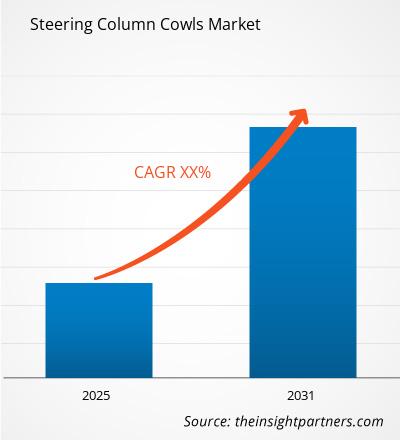
The global automotive sector is undergoing a massive transformation, driven by technological advancements, evolving consumer preferences, and stringent safety standards. At the heart of this transformation are components that bridge the gap between vehicle aesthetics, ergonomics, and safety. Among these, steering column cowls play an indispensable role. Serving as the protective housing for the steering column assembly, these components shield internal wiring, switches, and electronic modules while contributing to the vehicle's interior visual appeal.
According to a comprehensive market study by The Insight Partners, the global Steering Column Cowls Market size is projected to reach US$ 8.36 billion by 2034 from US$ 5.36 billion in 2025. The market is anticipated to register a CAGR of 5.07% during the forecast period 2026-2034. This steady growth highlights the escalating production of passenger and commercial vehicles worldwide, combined with a rising demand for premium and technologically integrated vehicle interiors.
Market Dynamics and Driving Factors
The steady expansion of the steering column cowls market is heavily influenced by the global shift toward smart and connected vehicles. Today’s steering assemblies are no longer just mechanical links to the wheels; they host advanced electronics, including Advanced Driver Assistance Systems (ADAS) controls, infotainment toggles, and steering wheel heating systems. As a result, steering column cowls must be precision-engineered to accommodate complex wiring harnesses and electronic control units (ECUs) without compromising driver legroom or cabin comfort.
Another crucial factor driving market growth is the global surge in electric vehicle (EV) adoption. Lightweighting has become a top priority for EV manufacturers aiming to maximize battery range. Consequently, component suppliers are pivoting from traditional heavy plastics to advanced composite materials and lightweight polymers. This transition is injecting fresh momentum into the steering column cowls supply chain, creating lucrative opportunities for manufacturers who specialize in high-durability, lightweight injection-molded solutions.
Furthermore, strict crash safety regulations mandated by organizations like the New Car Assessment Program (NCAP) require automotive interiors to minimize driver injury during a collision. Modern steering column cowls are designed with energy-absorbing structures that break away safely under high impact, reducing the risk of injury to the driver’s lower limbs. This regulatory push ensures that the demand for high-quality, safety-compliant steering column cowls remains robust across all automotive segments.
Get a PDF Sample– https://www.theinsightpartners.com/sample/TIPRE00021251
Industry Landscape and Key Competitors
The global market features a highly competitive and fragmented landscape, comprising prominent Tier-1 automotive suppliers, specialized plastic injection molding companies, and niche classic car component providers. These entities continuously invest in material science, automated manufacturing processes, and strategic partnerships to strengthen their market presence and expand their geographic footprint.
Some of the key players operating in the global steering column cowls market include:
Allon White Sports Cars
Brown and Gammons
Cascade Engineering
DS Smith Plc
Fuji Autotech AB
Jaguar Land Rover Automotive PLC
Moss Motors, Ltd
SC Parts Group Ltd
TVR Parts Limited
Zanini Auto Grup, S.A.U.
These organizations play varied roles, ranging from high-volume OEM manufacturing to supplying high-quality aftermarket and replacement components for luxury, sports, and heritage vehicles.
Regional Analysis
Geographically, the Asia-Pacific region dominates the steering column cowls market, propelled by massive vehicle production volumes in China, India, Japan, and South Korea. Rapid urbanization, increasing disposable incomes, and expanding middle-class populations in these emerging economies continue to fuel the sales of passenger cars. Additionally, the presence of major manufacturing hubs lowers production costs, making the region a critical focal point for global suppliers.
North America and Europe follow closely, characterized by a high penetration of luxury vehicles and stringent automotive safety mandates. In these regions, the emphasis is heavily placed on premium material finishes, noise, vibration, and harshness (NVH) reduction, and sustainable manufacturing practices, encouraging suppliers to deploy advanced textures and sustainable bio-plastics in cowl production.
Future Outlook
The future outlook for the global steering column cowls market remains highly optimistic, driven by the inevitable evolution toward autonomous driving and highly integrated vehicle cockpits. As autonomous driving technology matures, the traditional steering wheel setup is expected to change drastically, with some concepts exploring retractable or fold-away steering columns. This paradigm shift will require next-generation steering column cowls to be highly modular, adaptable, and smart—potentially embedding touch-sensitive surfaces, ambient LED lighting, or driver-monitoring sensors directly into the housing. Furthermore, the industry's intensifying commitment to sustainability will accelerate the adoption of recycled plastics and carbon-neutral manufacturing processes. This pivot toward eco-friendly materials, combined with the rising worldwide demand for safer and more luxurious vehicle cabins, will solidify the market's upward trajectory, ensuring consistent growth and innovation through 2034 and beyond.
Related Reports-
Electronic Power Steering (EPS) Market
Marine Steering Systems Market
About Us
The Insight Partners is a one-stop industry research provider of actionable intelligence. We help our clients in getting solutions to their research requirements through our syndicated and consulting research services. We specialize in industries such as Semiconductor and Electronics, Aerospace and Defense, Automotive and Transportation, Biotechnology, Healthcare IT, Manufacturing and Construction, Medical Devices, Technology, Media, and Telecommunications, as well as chemicals and Materials.
Contact Us
If you have any queries about this report or if you would like further information, don’t hesitate to get in touch with us:
Contact Person: Ankit Mathur
E-mail: ankit.mathur@theinsightpartners.com
Phone: +1-646-491-9876
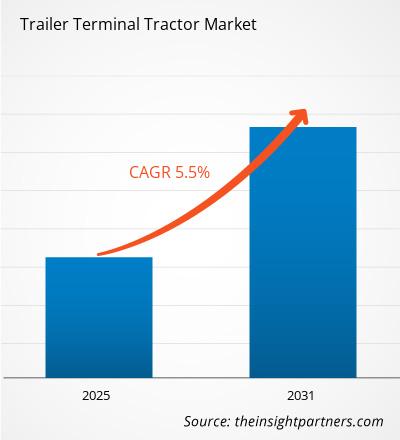
The global supply chain and logistics ecosystem is undergoing a massive transformation, driven by the exponential growth of e-commerce, expanding maritime trade, and the urgent need for operational efficiency at freight hubs. At the heart of these bustling hubs ranging from busy marine ports to sprawling distribution centers is the trailer terminal tractor. Often referred to as yard trucks, yard goats, or spotter trucks, these heavy-duty vehicles are engineered specifically for moving semi-trailers within cargo yards, warehouse facilities, and intermodal terminals. According to a comprehensive study by The Insight Partners, the market for these specialized vehicles is poised for remarkable growth over the next decade.
The global Trailer Terminal Tractor Market size is projected to reach US$ 16.16 billion by 2034 from US$ 8.42 billion in 2025. The market is anticipated to register a CAGR of 7.52% during the forecast period 2026-2034. This robust growth trajectory highlights the escalating reliance on automation and mechanized handling systems to mitigate operational bottlenecks and manage the unprecedented volumes of freight moving across the globe.
Market Drivers and Dynamics
Several critical factors are propelling the expansion of the trailer terminal tractor market. First and foremost is the pressure on logistics providers to reduce turnaround times. Standard over-the-road trucks are inefficient when it comes to short-distance, repetitive trailer spotting because drivers must repeatedly exit the cab to raise and lower landing gear. In contrast, terminal tractors are equipped with a hydraulic lifting fifth wheel that allows the operator to move trailers without leaving the driver’s seat. This significantly minimizes manual labor, enhances safety, and accelerates the movement of goods.
Furthermore, the expansion of inland container depots and the modernization of seaport infrastructure particularly across developing economies in the Asia-Pacific and Middle East regions are creating a sustained demand for high-capacity terminal tractors. Governments and private operators are investing heavily in updating port machinery to handle mega-container vessels, necessitating a reliable fleet of support vehicles on the ground.
Another massive shift steering the market is the transition toward sustainable energy. Stricter environmental regulations aimed at reducing carbon emissions in industrial zones have forced fleet operators to rethink their reliance on traditional diesel-powered tractors. As a result, manufacturers are investing heavily in research and development to introduce electric and hybrid alternatives, which not only curb emissions but also reduce long-term maintenance and fuel costs.
Get a PDF Sample– https://www.theinsightpartners.com/sample/TIPRE00020737
Competitive Landscape and Key Players
The trailer terminal tractor market features a mix of well-established automotive giants and highly specialized material handling equipment manufacturers. These companies are actively engaging in strategic partnerships, product innovations, and regional expansions to capture a larger share of this growing market.
Some of the prominent key players operating in the industry include:
BYD Co Ltd: A pioneer in electromobility, driving the market forward with its advanced, high-capacity electric yard tractors.
Capacity Trucks: Renowned for producing robust, customizable yard trucks tailored for port, rail, and warehouse operations.
Cargotec (Kalmar): A global leader in cargo handling solutions, consistently innovating with automated and eco-efficient terminal tractors.
CVS Ferrari S.P.A.: Highly regarded for manufacturing heavy-duty material handling machinery capable of enduring rigorous port environments.
Hoist Material Handling, Inc.: Known for high-quality, heavy-lift equipment and rugged vehicles optimized for industrial logistics.
Konecranes: A heavyweight in the lifting industry, offering smart, integrated terminal solutions that enhance port productivity.
MAFI Transport-Systeme GmbH: Specializing in heavy-duty tractors and trailers designed for internal transport in ports and industry.
Mol CY nv: An established manufacturer recognized for producing reliable, custom-engineered terminal and RoRo tractors.
The Autocar Company: A legendary American brand producing highly efficient, driver-focused spotter trucks with severe-duty capabilities.
The Volvo Group: A global automotive powerhouse delivering premium, high-performance powertrain technologies and sustainable transport solutions.
Future Outlook
The future of the trailer terminal tractor market points toward an increasingly automated, intelligent, and zero-emission ecosystem. Over the forecast period, the market will likely see a rapid displacement of diesel tractors by battery-electric (BEV) and hydrogen fuel-cell models, aligned with global net-zero goals. Beyond electrification, the integration of autonomous driving technology is set to redefine yard management. Autonomous terminal tractors, guided by sophisticated lidar, radar, and AI software, are already undergoing successful pilots in restricted, controlled port environments. As these technologies mature, fully driverless yard trucks will become standard in mega-distribution centers, seamlessly syncing with warehouse management systems to maximize throughput, eliminate human error, and ensure round-the-clock operational continuity.
Related Reports-
Four Wheel Drive Tractor Market
About Us
The Insight Partners is a one-stop industry research provider of actionable intelligence. We help our clients in getting solutions to their research requirements through our syndicated and consulting research services. We specialize in industries such as Semiconductor and Electronics, Aerospace and Defense, Automotive and Transportation, Biotechnology, Healthcare IT, Manufacturing and Construction, Medical Devices, Technology, Media, and Telecommunications, as well as chemicals and Materials.
Contact Us
If you have any queries about this report or if you would like further information, don’t hesitate to get in touch with us:
Contact Person: Ankit Mathur
E-mail: ankit.mathur@theinsightpartners.com
Phone: +1-646-491-9876