


In an era defined by shifting geopolitical dynamics, expanding maritime trade, and an increasing frequency of climate-induced naval emergencies, the modernization of coastal and blue-water defense infrastructure has become paramount. Central to these defense strategies is the procurement of highly specialized vessels designed for rapid intervention, extraction, and lifesaving operations.
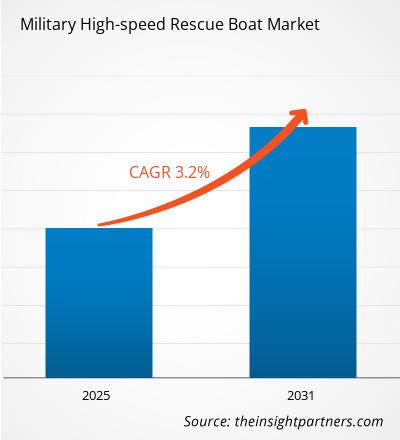
The Military High-Speed Rescue Boat Market size is expected to reach US$ 211.11 Million by 2034 from US$ 181.92 Million in 2025. The market is estimated to record a CAGR of 1.88% from 2026 to 2034. While a compound annual growth rate of 1.88% indicates a steady, conservative expansion, it reflects a deeply consolidated and highly specialized sector where the emphasis has transitioned from sheer volume procurement to advanced, tech-heavy asset modernization.
Market Drivers and Changing Operational Demands
The steady trajectory of this market is fueled by the evolving nature of maritime security threats and defense mandates. Modern military and paramilitary forces including coast guards, naval commandos, and search-and-rescue (SAR) agencies are facing challenges that demand unprecedented operational agility. High-speed rescue boats are no longer viewed simply as transport craft; they are highly integrated tactical platforms.
Key factors driving the market include:
Asymmetric Maritime Threats: The rise in piracy, human trafficking, and illegal seaborne incursions requires territorial defense forces to possess interceptors capable of extreme speeds and high maneuverability in rough sea states.
Disaster Response and Humanitarian Assistance: Climate change has amplified the frequency and severity of extreme weather events. Naval forces are increasingly deployed as first responders in humanitarian crises, necessitating ruggedized rescue craft that can operate safely in debris-strewn or shallow coastal environments.
Technological Integration: Transitioning to shock-mitigation seating, advanced satellite communications, forward-looking infrared (FLIR) cameras, and lightweight composite hulls has driven procurement cycles as aging fleets are retrofitted or replaced to match modern operational demands.
Get a PDF Sample– https://www.theinsightpartners.com/sample/TIPRE00023388
Key Industry Players
The global marketplace is shaped by a mix of premier defense contractors, specialized marine engineering firms, and maritime safety experts. These companies continuously innovate to meet stringent military standards (such as NATO requirements) regarding durability, speed, and launch-and-recovery capabilities.
Prominent players driving innovation and holding significant market share include:
VIKING LIFE-SAVING EQUIPMENT A/S – Renowned for high-end maritime safety solutions, providing defense forces with comprehensively equipped and reliable search-and-rescue vessels.
PALFINGER AG – A dominant force in marine cranes and launch-and-recovery systems, producing rugged, high-speed military interceptors and rescue craft designed for complex shipboard deployments.
Sealegs International Limited – Highly distinct for its patented amphibious craft technology, allowing military forces to transition seamlessly from deep water directly onto rugged terrain.
ZODIAC MILPRO – A global leader in inflatable and rigid inflatable boats (RIBs) engineered specifically for military, special forces, and law enforcement operations.
Asis Boats – Renowned for custom-built, high-performance military rigid hull inflatable boats (RHIBs) that focus on speed, tactical deployment, and advanced navigation arrays.
Fassmer – A premier German shipyard supplying sophisticated, high-performance rescue and patrol vessels tailored for complex naval architectures and coast guard duties.
Boomeranger Boats Ltd – Specialized in customized RIBs and rigid-hulled workboats utilized extensively by special forces, marine police, and naval boarding parties.
HATECKE GmbH – An established name in lifesaving equipment, engineering robust free-fall boats and high-speed rescue vessels that survive extreme maritime environments.
GEMINI MARINE BOATS – Highly regarded for manufacturing resilient, commercial, and military-grade RIBs utilized by international defense forces for coastal policing and rescue operations.
Survitec Group Limited – A global leader in survival and safety solutions, offering highly reliable critical safety equipment alongside specialized inflatable rescue assets.
Market Segmentation and Structural Overview
The market typically segments by hull type primarily Rigid Inflatable Boats (RIBs), inflatable boats, and aluminum/composite rigid boats as well as by propulsion type, where advanced inboard diesel waterjets and high-horsepower outboard motors dominate.
Geographically, coastal regions with extensive maritime borders and high geopolitical friction, such as the Asia-Pacific and Euro-Atlantic regions, represent significant demand centers. The North American market remains steady due to substantial defense budgeting and ongoing modernization programs by the U.S. Navy and Coast Guard. Meanwhile, emerging maritime strategies in developing nations are sparking localized procurement initiatives.
Future Outlook
Looking ahead, the military high-speed rescue boat market is poised to be profoundly transformed by digitization, automation, and eco-conscious engineering. While the fundamental requirement for speed and structural integrity remains unyielding, future demand will heavily lean toward autonomous or optionally-manned surface vessels (USVs) capable of conducting high-risk search-and-rescue sweeps without endangering crew members in hazardous conditions. Furthermore, integration with drone technology for real-time aerial scouting will become standard protocol. On the propulsion front, standard diesel arrays will gradually face competition from hybrid and electric marine powertrains tailored for stealth operations and reduced carbon footprints. As naval frameworks increasingly adopt networked, multi-domain operations, these rescue craft will transition into highly connected electronic nodes, ensuring their critical relevance through 2034 and beyond.
Related Reports-
Search and Rescue Robots Market
About Us
The Insight Partners is a one-stop industry research provider of actionable intelligence. We help our clients in getting solutions to their research requirements through our syndicated and consulting research services. We specialize in industries such as Semiconductor and Electronics, Aerospace and Defense, Automotive and Transportation, Biotechnology, Healthcare IT, Manufacturing and Construction, Medical Devices, Technology, Media, and Telecommunications, as well as chemicals and Materials.
Contact Us
If you have any queries about this report or if you would like further information, don’t hesitate to get in touch with us:
Contact Person: Ankit Mathur
E-mail: ankit.mathur@theinsightpartners.com
Phone: +1-646-491-9876
The global landscape of defense, aerospace, and advanced situational awareness is undergoing a profound technological transformation. At the heart of this evolution is the integration of highly sophisticated visual systems that combine real-time data streaming with precise threat tracking.
Market Size and Growth Trajectory
The global Optical Display and Targeting Market size is expected to reach US$ 14.55 Billion by 2034 from US$ 9.44 Billion in 2025. This expansion indicates a steady and robust modernization cycle across defense sectors, with the market anticipated to register a CAGR of 4.92% during the forecast period 2026–2034.
This sustained growth is heavily driven by the defense sector's transition away from legacy analog instrumentation toward fully integrated digital glass cockpits, augmented reality (AR) helmet-mounted displays, and electro-optical targeting systems (EOTS). As geopolitical landscape complexities require faster, multi-domain command operations, the reliance on high-definition optical targeting systems has evolved from a premium luxury to an operational necessity.
Key Market Drivers
Several fundamental factors are propelling the steady growth of this industry:
Rise of Next-Generation Combat Platforms: The deployment of fifth- and sixth-generation fighter aircraft, modern armored vehicles, and naval warships depends heavily on advanced sensor fusion. Optical displays are required to seamlessly merge inputs from radar, thermal imaging, and electronic warfare suites into a single, cohesive visual interface for operators.
Adoption of Augmented Reality (AR) and Head-Up Displays (HUDs): Military forces are increasingly relying on HUDs and Helmet-Mounted Display Systems (HMDS) to give pilots and dismounted soldiers a clear tactical advantage. These systems overlay critical flight telemetry, target coordinates, and threat alerts directly onto the user's field of view, maximizing reaction times and reducing cognitive fatigue.
Surge in Unmanned Systems: The exponential utilization of Unmanned Aerial Vehicles (UAVs) and autonomous ground systems has fueled massive demand for lightweight, high-performance optical payloads. Precision targeting gimbals and remote display stations are vital to ensuring the accuracy of long-range reconnaissance and strike missions.
Get a PDF Sample– https://www.theinsightpartners.com/sample/TIPRE00018547
Key Industry Players
The competitive landscape features a mix of aerospace pioneers and defense engineering giants driving hardware and software innovations. Leading companies anchoring the global marketplace include:
BAE Systems — Renowned for its advanced helmet systems and digital Head-Up Displays that improve situational awareness for pilots.
Collins Aerospace — A leader in flight deck interiors, smart displays, and integrated targeting electronics for commercial and military aviation.
ECA GROUP — Specializes in cutting-edge robotic solutions, remote control centers, and optical equipment tailored for naval and subsea defense operations.
Elbit Systems Ltd. — Globally recognized for its advanced line of helmet-mounted displays and electro-optical tracking payloads used across diverse terrain.
Kongsberg Defence and Aerospace — A major provider of remote weapon stations, naval strike missiles, and high-precision targeting sub-systems.
L3Harris Technologies, Inc. — Dominates the market in tactical communication systems and night-vision optical enhancements for ground forces.
Leonardo S.p.A. — An international leader in laser targeting pods, airborne infrared search-and-track systems, and naval firing radar.
Northrop Grumman — Integrates comprehensive sensor and display architectures for state-of-the-art military aircraft, including the F-35 program.
Rolta India Limited — Delivers defense-grade geospatial analytics, command-and-control software mapping, and digitized military display infrastructure.
Safran — A heavyweight in aerospace propulsion and optronics, manufacturing world-class military thermal sights, guidance systems, and laser rangefinders.
Regional Market Highlights
North America currently maintains the largest market share, driven primarily by the massive modernization budgets of the U.S. Department of Defense and ongoing investments in next-generation fighter programs. Meanwhile, Europe is witnessing accelerated growth as member nations update their tactical fleets and armored vehicle components in response to changing regional security dynamics.
The Asia-Pacific region is projected to register the fastest growth rate through 2034. Aggressive military expansion, localized manufacturing initiatives (such as India's "Make in India" defense push), and escalating maritime patrolling activities are compelling nations like China, India, and Japan to secure state-of-the-art targeting technology.
Future Outlook
Looking ahead, the future of the Optical Display and Targeting market will be defined by the convergence of artificial intelligence (AI), edge computing, and micro-display innovations. We will see standard target-tracking systems transition into predictive threat-evaluation platforms capable of identifying and prioritizing multiple hazards autonomously. The integration of high-refresh-rate micro-LED and micro-OLED screens will enable much smaller, lightweight form factors for ground infantry wearables, bringing high-end targeting diagnostics directly to the tactical edge. Over the next decade, as multi-domain operations become the standard framework for global security forces, the demand for ultra-low latency, jam-resistant optical display networks will remain an absolute pillar of defense technology investment.
Related Reports-
Airport Display Systems Market
Aerospace Helmet Mounted Display Market
Multi-Function Display (MFD) Market
About Us
The Insight Partners is a one-stop industry research provider of actionable intelligence. We help our clients in getting solutions to their research requirements through our syndicated and consulting research services. We specialize in industries such as Semiconductor and Electronics, Aerospace and Defense, Automotive and Transportation, Biotechnology, Healthcare IT, Manufacturing and Construction, Medical Devices, Technology, Media, and Telecommunications, as well as chemicals and Materials.
Contact Us
If you have any queries about this report or if you would like further information, don’t hesitate to get in touch with us:
Contact Person: Ankit Mathur
E-mail: ankit.mathur@theinsightpartners.com
Phone: +1-646-491-9876
The global industrial manufacturing landscape is undergoing a massive transformation, driven by the increasing need for component longevity, wear resistance, and high-performance surface engineering. At the forefront of this evolution is the thermal spray technology sector. Thermal spraying involves a group of coating processes in which finely divided metallic or non-metallic materials are deposited in a molten or semi-molten condition to form a protective or functional layer. As industries from aerospace to automotive strive to minimize equipment downtime and reduce maintenance costs, the adoption of advanced surface coatings has spiked dramatically.
Market Size and Growth Trajectory
The global Thermal Spray Market size is projected to reach US$ 20.36 billion by 2034 from US$ 11.93 billion in 2025. The market is anticipated to register a CAGR of 6.12% during the forecast period 2026-2034. This steady compound annual growth rate reflects a robust demand across diverse end-use verticals, heavily supported by rapid industrialization, infrastructural developments, and the continuous search for materials that can withstand extreme environmental conditions.
Dynamic Market Drivers and Applications
The sustained expansion of the thermal spray market is primarily propelled by the burgeoning aerospace and defense industries. Aircraft engines and components operate under extremely elevated temperatures and corrosive environments, making thermal barrier coatings (TBCs) vital for ensuring safety and efficiency. Furthermore, the automotive sector relies heavily on thermal spraying for engine components, cylinder bores, and exhaust systems to enhance fuel efficiency and reduce friction.
Beyond transport, the energy and power sector utilizes thermal spray processes to protect gas turbines, wind turbine structures, and oil and gas drilling equipment from severe erosion and biofouling. As sustainability regulations tighten globally, industries are looking for ways to prolong the lifecycle of existing mechanical machinery rather than replacing it entirely, positioning thermal spray coatings as a highly cost-effective and eco-friendly manufacturing standard.
Get a PDF Sample– https://www.theinsightpartners.com/sample/TIPRE00012684
Competitive Landscape and Key Players
The global thermal spray market is characterized by intense competition, continuous research and development, and strategic collaborations among prominent market entities. Companies are focusing on introducing eco-friendly coating powders and high-velocity oxy-fuel (HVOF) solutions to gain a competitive edge.
The key players operating significantly within this marketplace include:
3M: Renowned for its diversified technological innovations, offering specialized abrasive and materials processing solutions utilized within coating preparation.
AandA Thermal Spray Coatings, Inc.: A dedicated provider of custom thermal spray coating services, catering to specific engineering requirements across heavy industries.
Bodycote PLC: A global leader in heat treatment and thermal processing services, playing a critical role in augmenting the mechanical properties of treated components.
Chromalloy Gas Turbine LLC: Specialized in providing advanced coatings and repairs for the aerospace and energy sectors, particularly for complex gas turbine engine parts.
Fisher Barton Group: A premier manufacturer of high-wear components, utilizing thermal spray to deliver exceptional durability in agriculture and industrial applications.
HC Starck GmbH: A major supplier of high-performance technology metals and ceramic powders essential for the production of thermal spray consumables.
Hoganas AB: A pioneer in metal powder production, developing innovative alloy powders designed specifically for surface coating and thermal spraying.
Kennametal Inc.: Known for its wear-resistant materials and tooling solutions, supplying advanced carbide powders optimized for extreme industrial environments.
Linde (Praxair Surface Technologies, Inc.): A global industrial gases and coatings powerhouse, delivering comprehensive thermal spray materials, equipment, and coating services.
Oerlikon: A market leader in surface solutions (through Oerlikon Metco and Oerlikon Balzers), offering an extensive portfolio of thermal spray equipment, materials, and specialized coating services.
These companies frequently invest in expanding their regional footprints and adopting cutting-edge automated thermal spray systems to meet the complex demands of modern manufacturing facilities.
Technological Transformations
Innovation is acting as a major catalyst in the thermal spray marketplace. Conventional methods like flame spraying and wire arc spraying are increasingly being augmented or replaced by advanced techniques such as High-Velocity Oxy-Fuel (HVOF) spraying, Plasma Spraying, and Cold Spraying. Cold spray technology, in particular, is gaining immense traction due to its ability to deposit materials at temperatures well below their melting points, minimizing thermal stresses and oxidation in the final coated material. Additionally, the integration of robotics and artificial intelligence (AI) in thermal spray systems ensures precise layer thickness, uniform distribution, and reduced material wastage, boosting overall productivity and safety on the factory floor.
Future Outlook
The future of the global thermal spray market looks exceptionally promising, characterized by a transition toward smart coatings and green manufacturing. Over the next decade, the market is expected to witness increased integration of nanostructured and biomaterial-based thermal spray coatings, which offer unprecedented levels of wear and corrosion resistance. As the global energy sector pivots toward hydrogen fuel and renewable infrastructure, thermal spray applications will expand to protect fuel cells and solar power components. Furthermore, the emergence of localized, on-site automated thermal spray repair services will significantly reduce transit costs and lead times for heavy industries. Bolstered by steady digital integration and the rising demands of next-generation aerospace and electric vehicle (EV) architectures, the thermal spray industry is well-positioned to maintain robust momentum through 2034 and beyond.
Related Reports-
Regenerative Thermal Oxidizer Market
Military Thermal Imaging Market
About Us
The Insight Partners is a one-stop industry research provider of actionable intelligence. We help our clients in getting solutions to their research requirements through our syndicated and consulting research services. We specialize in industries such as Semiconductor and Electronics, Aerospace and Defense, Automotive and Transportation, Biotechnology, Healthcare IT, Manufacturing and Construction, Medical Devices, Technology, Media, and Telecommunications, as well as chemicals and Materials.
Contact Us
If you have any queries about this report or if you would like further information, don’t hesitate to get in touch with us:
Contact Person: Ankit Mathur
E-mail: ankit.mathur@theinsightpartners.com
Phone: +1-646-491-9876
The global landscape for health, safety, and industrial hygiene has undergone a permanent shift over the last decade. At the heart of this transformation is the manufacturing infrastructure that supports personal protective equipment (PPE). According to a comprehensive study by The Insight Partners, the automation equipment responsible for producing protective gear is experiencing substantial, sustained growth worldwide.
The Face Mask Machines Market size is expected to reach US$ 2.87 Billion by 2034 from US$ 1.32 Billion in 2025. The market is estimated to record a CAGR of 9.01% from 2026 to 2034. This steady expansion highlights a transition from the chaotic, demand-driven spikes of the early 2020s to a structured, highly regulated, and technologically advanced industrial market.
Market Drivers and Industrial Shifts
The sustained demand for face mask machines is fueled by several critical factors across healthcare, manufacturing, and consumer sectors. Following global health crises, governments and healthcare regulatory bodies worldwide implemented strict mandates regarding national stockpiles and localized production capabilities. To reduce reliance on single-source supply chains, many countries have heavily incentivized the establishment of domestic mask manufacturing facilities.
Furthermore, industrial safety regulations have tightened considerably. Sectors such as semiconductor manufacturing, pharmaceuticals, biotechnology, and chemical processing require ultra-clean environments. Workers in these industries must use specialized respirators and surgical masks daily to prevent cross-contamination and protect themselves from hazardous airborne particulates. This consistent industrial consumption creates a highly predictable and recurring demand for mask manufacturers, who in turn must upgrade their machinery to maintain high-volume outputs.
Technological advancements in the machinery itself are also accelerating market growth. Modern face mask machines are no longer simple mechanical presses; they are highly integrated, fully automated systems utilizing ultrasonic welding, advanced PLC (Programmable Logic Controller) units, and high-speed rotary cutting mechanisms. These upgrades allow manufacturers to significantly reduce labor costs, minimize material waste, and ensure strict compliance with international quality standards like CE and FDA certifications.
Get a PDF Sample– https://www.theinsightpartners.com/sample/TIPRE00010610
Key Market Players
The global market features a diverse mix of specialized engineering firms, automation experts, and textile machinery manufacturers. These companies focus on increasing production speeds, enhancing machine reliability, and offering versatile lines capable of manufacturing various mask styles—such as 3-ply surgical masks, N95/KN95 respirators, and duckbill designs.
Prominent players operating in the face mask machines market include:
Aman Impex
Arora Industries
Cera Engineering
Intouch Resources Private Limited
KP Tech Machine Private Limited
NCM Nonwoven Converting Machinery Co., Ltd.
Sheetal Enterprises
Sri Sastha Engineering
TESTEX Textile Testing Instruments
TRM-Top Rank Machinery Inc.
These manufacturers are increasingly focusing on research and development to introduce modular machine designs. Modular systems allow factory owners to easily switch production lines between different types of masks with minimal downtime, providing the agility needed to respond to changing market demands.
Segmentation and Regional Landscape
The face mask machines market is typically segmented by machine type (fully automatic vs. semi-automatic) and mask type (surgical, respirator, and others). Fully automatic machines dominate the market share in developed regions due to the high cost of manual labor and the demand for extreme precision. These systems handle everything from non-woven fabric feeding, nose-bridge wire insertion, and pattern folding to ear-loop welding and final stacking without human intervention.
Geographically, the Asia-Pacific region remains both the largest producer and a massive consumer of these machines. Countries like China, India, and Taiwan boast robust textile and automation ecosystems, allowing them to produce high-quality manufacturing equipment cost-effectively. Meanwhile, North America and Europe are witnessing a surge in the adoption of high-tech, fully automated lines as they look to secure domestic supply chains and meet stringent safety certifications.
Future Outlook
Looking ahead, the future of the face mask machines market lies in the deep integration of Smart Manufacturing and Industry 4.0 technologies. The next generation of machinery will increasingly feature IoT (Internet of Things) sensors capable of real-time data tracking, predictive maintenance, and remote troubleshooting, which drastically reduces unexpected factory downtime. As sustainability becomes a core focus across all manufacturing sectors, equipment builders will likely redesign systems to seamlessly handle eco-friendly, biodegradable, and recyclable non-woven materials without sacrificing production speed or structural integrity. Driven by continuous automation upgrades, strict global workplace safety mandates, and a collective push for localized supply security, the market is well-positioned for steady, high-tech evolution over the next decade.
Related Reports-
Insulation Blowing Machines Market
About Us
The Insight Partners is a one-stop industry research provider of actionable intelligence. We help our clients in getting solutions to their research requirements through our syndicated and consulting research services. We specialize in industries such as Semiconductor and Electronics, Aerospace and Defense, Automotive and Transportation, Biotechnology, Healthcare IT, Manufacturing and Construction, Medical Devices, Technology, Media, and Telecommunications, as well as chemicals and Materials.
Contact Us
If you have any queries about this report or if you would like further information, don’t hesitate to get in touch with us:
Contact Person: Ankit Mathur
E-mail: ankit.mathur@theinsightpartners.com
Phone: +1-646-491-9876
Road safety has historically stood as a cornerstone of automotive innovation, but the modern era is shifting the focus from purely structural crash protection to proactive, intelligent prevention. At the heart of this transformation is the integration of advanced in-cabin electronics designed to protect drivers from their own physiological limits. As vehicles become increasingly autonomous, understanding the real-time cognitive and physical state of the person behind the wheel has grown from a premium novelty into a fundamental necessity. This shift is fueling unprecedented expansion within the global automotive driver state monitor systems (DMS) industry.
Market Valuation and Growth Trajectory
According to comprehensive research by The Insight Partners, the Automotive Driver State Monitor Systems Market size is expected to reach US$ 8.09 Billion by 2034 from US$ 2.99 Billion in 2025. This rapid expansion is estimated to record a CAGR of 13.25% from 2026 to 2034.
This multi-billion-dollar surge underscores a critical realization across the global supply chain: local and global transportation networks cannot safely transition to semi-autonomous driving without robust human-to-machine handoff mechanisms. The multi-fold leap in market capitalization reflects deep-tier investments from automakers who are standardizing hardware suites such as near-infrared (NIR) cameras, time-of-flight sensors, and steering column strain gauges directly into high-volume consumer vehicle platforms.
Key Market Drivers and Technological Catalysts
The primary mechanism propelling this market forward is a strict regulatory landscape. Government bodies worldwide have recognized that driver fatigue, micro-sleeps, and mobile device distractions are leading contributors to highway fatalities. In response, rigorous safety frameworks such as the European New Car Assessment Programme (Euro NCAP) and updated European General Safety Regulations have established stringent guidelines that effectively mandate driver monitoring technologies for new vehicle type approvals.
Technologically, the industry has evolved past primitive touch-based sensors on steering wheels. Modern driver state monitors rely heavily on Edge Artificial Intelligence (AI) and advanced computer vision architectures.Software layers can continuously map facial landmarks to compute eye-closure durations (PERCLOS), monitor gaze vector deviations, and trace erratic head positioning. If a driver looks away from the forward roadway for a dangerous interval, or if eyelid drooping patterns reflect deep cognitive fatigue, the system instantly triggers layered haptic, visual, or acoustic alerts. Furthermore, the introduction of Level 2 and Level 3 conditional driving automation requires these systems to verify "driver availability" before the vehicle passes operational control back to the human operator.
Get a PDF Sample– https://www.theinsightpartners.com/sample/TIPRE00026383
Competitive Landscape: Key Industry Players
The ecosystem comprises a specialized blend of tier-1 automotive suppliers, semiconductor manufacturers, and specialized software developers cooperating to engineer seamless in-cabin monitoring experiences.
Key players shaping the competitive dynamics of this market include:
Aptiv – A global technology leader delivering end-to-end vehicle architecture solutions, heavily focused on integrating scalable cabin sensing suites with advanced safety domain controllers.
VALEO – A pioneering tier-1 supplier known for its comprehensive driving assistance systems and interior intuitive controls optimized for real-time occupant tracking.
Veoneer Inc. – A specialized hardware and software provider dedicated to active safety and restraint control systems tailored for highly automated vehicles.
Renesas – A leading semiconductor supplier offering powerful, automotive-grade system-on-chips (SoCs) and microcontrollers optimized for processing complex computer vision pipelines at the edge.
PathPartner Technology Inc. – An embedded engineering firm providing high-performance, intelligent vision algorithms designed for low-footprint hardware deployments.
STMicroelectronics – A global semiconductor giant supplying high-dynamic-range global shutter image sensors that allow cameras to read facial geometry under highly volatile cabin lighting conditions.
Tata Elxsi – An engineering and design service provider focused on customizing, testing, and integrating deep learning models into next-generation ADAS and cabin software frameworks.
UniMax Electronics Inc. – An innovative developer of advanced in-vehicle infotainment and telematics hardware architectures that readily bridge driver monitoring data with cloud analytics platforms.
Affectiva – A pioneer in Human Perception AI, focusing on deep learning architectures capable of understanding complex cognitive states, emotional expressions, and subtle behavioral shifts.
Tobii Tech – The global leader in eye-tracking technology, providing specialized gaze-tracking platforms that unlock extreme precision in mapping exactly where a driver's attention is focused.
Future Outlook
Looking toward the horizon, the automotive driver state monitor systems market is on track to transcend basic hazard warnings and mature into a highly contextualized, holistic health-and-wellness hub. Future iterations will progressively incorporate multi-modal biometric fusion blending non-contact optical cameras with hidden physiological radar sensors to actively cross-reference heart-rate variability and respiration changes alongside visible fatigue cues. Concurrently, the integration of Large Language Models (LLMs) and conversational AI into vehicle cockpits will enable cars to respond to an impaired driver not with jarring buzzers, but with supportive, intelligent interventions such as adjusting cabin temperatures, playing stimulating audio, or suggesting nearby rest stops. As data privacy structures tighten and processing architectures migrate fully to the edge, these systems will ultimately transform the modern vehicle into an empathetic, highly secure sanctuary capable of actively protecting life on every mile of the journey.
Related Reports-
Marine Engine Monitoring System Market
About Us
The Insight Partners is a one-stop industry research provider of actionable intelligence. We help our clients in getting solutions to their research requirements through our syndicated and consulting research services. We specialize in industries such as Semiconductor and Electronics, Aerospace and Defense, Automotive and Transportation, Biotechnology, Healthcare IT, Manufacturing and Construction, Medical Devices, Technology, Media, and Telecommunications, as well as chemicals and Materials.
Contact Us
If you have any queries about this report or if you would like further information, don’t hesitate to get in touch with us:
Contact Person: Ankit Mathur
E-mail: ankit.mathur@theinsightpartners.com
Phone: +1-646-491-9876
The global automotive sector is undergoing a massive paradigm shift, leaving internal combustion engine (ICE) vehicles behind in favor of electrification. At the absolute core of this electric vehicle (EV) revolution lies the infrastructure that powers it both off-board and on-board. While public fast-charging networks capture major headlines, the technology tucked quietly inside the vehicle plays an equally vital role in daily usability. An on-board charger (OBC) converts alternating current (AC) from residential or commercial power sources into the direct current (DC) needed to replenish the car's battery pack. As automakers race to optimize charging speeds, minimize vehicle weight, and improve overall energy efficiency, this specific component has emerged as a high-stakes arena for technological innovation.
Explosive Market Valuation and Strategic Projections
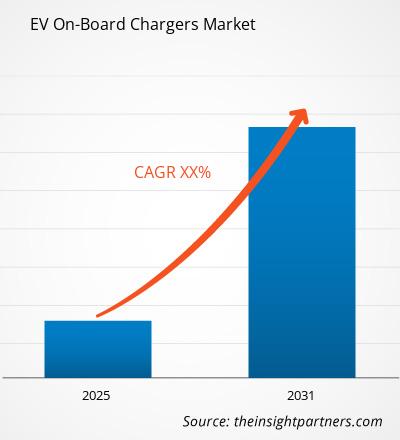
According to comprehensive industry data, the financial and structural growth of this ecosystem is moving at an incredible pace. The EV On-Board Chargers Market size is expected to reach US$ 25.44 Billion by 2034 from US$ 7.86 Billion in 2025. This massive expansion highlights a robust trajectory, with the market anticipated to register a CAGR of 13.94% during the forecast period 2026–2034.
This multi-billion-dollar valuation is heavily driven by a compound increase in consumer adoption alongside strict global zero-emission mandates. Governments worldwide are enforcing aggressive timelines to phase out fossil-fuel-powered transport, which forces automotive original equipment manufacturers (OEMs) to scale up their electric offerings rapidly. Consequently, the demand for reliable, high-performing OBCs has transitioned from a niche automotive sub-segment into a baseline necessity for modern automotive manufacturing pipelines.
Crucial Catalysts Driving Core Industry Expansion
Several interconnected variables are fueling this 13.94% compound annual growth rate. First and foremost is the universal push toward resolving "range anxiety" and charging friction. Modern consumers expect their electric vehicles to charge safely, reliably, and rapidly overnight without overloading domestic electrical grids. To accommodate this, there is a distinct technological shift toward higher-capacity on-board chargers moving away from traditional low-power 3.7 kW variants toward 11 kW and 22 kW three-phase systems. Higher capacity OBCs drastically cut down AC charging times, making plug-in hybrid electric vehicles (PHEVs) and battery electric vehicles (BEVs) far more practical for everyday households.
Furthermore, the rise of bidirectional charging specifically Vehicle-to-Grid (V2G) and Vehicle-to-Home (V2H) systems is fundamentally redefining what an on-board charger can do. Rather than acting as a simple one-way power siphon, modern OBCs are evolving into intelligent energy management hubs. They allow vehicles to dump excess battery power back into a home during peak grid hours or sell energy back to utility providers. This turning point transforms an electric car into a mobile power bank, heavily incentivizing consumers and fleet managers to adopt next-generation EV platforms.
Get a PDF Sample– https://www.theinsightpartners.com/sample/TIPRE00022371
Dominant Key Players Shaping the Competitive Landscape
The global landscape features an intense mix of legacy automotive component giants, specialized power electronics manufacturers, and cutting-edge semiconductor innovators. These entities are consistently investing in research and development to reduce the physical footprint of the chargers while boosting their total power density.
The prominent key players driving innovation and distribution across the market include:
Bel Fuse Inc.
BorgWarner Inc.
BRUSA Elektronik AG
Current Ways
Eaton Corporation
Infineon Technologies AG
Innoelectric AG
Stercom Power Solutions GmbH
TOYOTA INDUSTRIES CORPORATION
Xepics Ltd
These market participants are highly focused on vertical integration and strategic partnerships. For instance, semiconductor leaders like Infineon work closely with power system developers to supply advanced Wide Bandgap (WBG) materials, ensuring that the hardware rolling off assembly lines can withstand higher thermal thresholds and deliver unmatched efficiency.
Technological Metamorphosis: Silicon Carbide (SiC) and GaN
The underlying architecture of EV on-board chargers is experiencing a profound material evolution. For years, traditional silicon-based transistors were the standard choice for power conversion. However, silicon is rapidly hitting its physical limits regarding efficiency, heat dissipation, and switching frequencies.
To break past these performance bottlenecks, tier-1 suppliers and key players are rapidly pivoting to Silicon Carbide (SiC) and Gallium Nitride (GaN) power semiconductors. These wide bandgap materials allow the OBC to operate at significantly higher voltages and temperatures while suffering minimal energy loss during the AC-to-DC conversion process. By deploying SiC-based architectures, engineering teams can shrink the physical size and weight of the charger by up to 50%. In the automotive world, less weight directly translates to extended driving range and better vehicle dynamics, giving SiC-equipped OEMs a powerful competitive edge.
Future Outlook
Looking down the road, the future of the EV on-board chargers market will be defined by extreme integration, high-voltage vehicle architectures, and intelligent power management. As the automotive industry shifts decisively from 400V toward ultra-fast 800V electrical systems, OBCs must evolve to handle these higher loads smoothly without driving up component costs. We will likely see the widespread adoption of "all-in-one" powertrain designs, where the on-board charger, DC-DC converter, and traction inverter are completely integrated into a single, highly compact enclosure. This modular design radically simplifies vehicle assembly, reduces wiring complexity, and lowers production overhead for automakers. Supported by intelligent grid systems and the mass roll-out of bidirectional V2X capabilities, the on-board charger will soon transcend its basic utility role, cementing its place as a critical cornerstone of both clean transportation and the global smart energy infrastructure.
Related Reports-
About Us
The Insight Partners is a one-stop industry research provider of actionable intelligence. We help our clients in getting solutions to their research requirements through our syndicated and consulting research services. We specialize in industries such as Semiconductor and Electronics, Aerospace and Defense, Automotive and Transportation, Biotechnology, Healthcare IT, Manufacturing and Construction, Medical Devices, Technology, Media, and Telecommunications, as well as chemicals and Materials.
Contact Us
If you have any queries about this report or if you would like further information, don’t hesitate to get in touch with us:
Contact Person: Ankit Mathur
E-mail: ankit.mathur@theinsightpartners.com
Phone: +1-646-491-9876
The automotive industry is undergoing a structural transition driven by global decarbonization goals, stringent emission standards, and rapid technological innovations in engine management systems. At the heart of this transition is the optimization of powertrain efficiency and the mitigation of harmful environmental pollutants. Automotive exhaust sensors play a crucial role in modern vehicles, acting as the primary diagnostic loop to monitor tailpipe emissions, protect aftertreatment devices, and maintain compliance with international regulatory frameworks.
According to a comprehensive study by The Insight Partners, the Automotive Exhaust Sensor Market is expected to register a CAGR of 1.35% from 2026 to 2034, with the market size expanding from US$ 27.23 Billion in 2025 to US$ 30.74 Billion by 2034. While the automotive sector rapidly explores alternative propulsion systems, internal combustion engines (ICE) and hybrid vehicles continue to rely heavily on advanced sensor infrastructure to achieve zero-emission targets, anchoring the steady expansion of this global market.
Market Drivers and Regulatory Architecture
The primary growth engine for the automotive exhaust sensor market remains the deployment of increasingly stringent regional emission standards, such as the Euro 7 regulations in Europe, EPA Tier 4 requirements in the United States, and China VI standards. These legislations enforce strict limitations on dangerous environmental pollutants like nitrogen oxides (NOx), carbon monoxide (CO), particulate matter (PM), and unburned hydrocarbons (HC).
To satisfy these regulatory thresholds, automobile manufacturers cannot rely on basic engine calibrations alone. They must integrate close-coupled, real-time diagnostic systems capable of altering air-fuel ratios dynamically. Advanced exhaust sensors including oxygen sensors, wideband lambda sensors, NOx sensors, and particulate matter sensors continuously feed precise metrics to the Engine Control Unit (ECU). This continuous monitoring loop maximizes fuel economy, lowers the greenhouse gas footprint of vehicles, and prevents thermal degradation of catalytic converters and diesel particulate filters.
Furthermore, the rise of Hybrid Electric Vehicles (HEVs) presents a unique micro-climate for exhaust sensor technologies. Unlike pure Electric Vehicles (EVs), hybrids combine thermal combustion units with electrical drivetrains, introducing complex cold-start conditions and transient thermal states where high-efficiency sensor feedback is critical to containing abrupt emission spikes.
Get a PDF Sample– https://www.theinsightpartners.com/sample/TIPRE00020396
Competitive Landscape and Key Players
The global exhaust sensor market is highly consolidated, characterized by intense research and development efforts from legacy automotive component manufacturers, electronic system integrators, and industrial automation firms. These organizations are focusing on developing high-temperature ceramic substrates, MEMS (Micro-Electro-Mechanical Systems) technologies, and robust packaging designs capable of enduring the corrosive, volatile environments found inside automotive exhaust architectures.
The prominent market participants shaping the competitive landscape include:
Robert Bosch GmbH
Hitachi Automotive Systems, Ltd
Sensata Technologies, Inc
Pricol Limited
AVX Corporation
TT Electronics
Delphi Technologies
ABB
DENSO CORPORATION
HELLA GmbH and Co. KGaA
Sunrise Exhaust Ltd
These industry leaders drive innovation by forming strategic alliances with original equipment manufacturers (OEMs), introducing multi-gas sensing arrays, and scaling up regional production facilities to cater to expanding markets across Asia-Pacific, Europe, and North America.
Future Outlook
Looking forward, the automotive exhaust sensor market will navigate a shifting multi-energy paradigm. While the baseline expansion of pure battery electric vehicles (BEVs) natively caps the long-term growth curve of traditional tailpipe sensors, the market is finding significant secondary momentum in the heavy-duty commercial transport, maritime, and off-highway logistics segments. These industries are facing unprecedented regulatory pressure and require highly sophisticated, multi-stage exhaust scanning arrays to comply with modern clean air directives.
Related Reports-
About Us
The Insight Partners is a one-stop industry research provider of actionable intelligence. We help our clients in getting solutions to their research requirements through our syndicated and consulting research services. We specialize in industries such as Semiconductor and Electronics, Aerospace and Defense, Automotive and Transportation, Biotechnology, Healthcare IT, Manufacturing and Construction, Medical Devices, Technology, Media, and Telecommunications, as well as chemicals and Materials.
Contact Us
If you have any queries about this report or if you would like further information, don’t hesitate to get in touch with us:
Contact Person: Ankit Mathur
E-mail: ankit.mathur@theinsightpartners.com
Phone: +1-646-491-9876
The global space sector is undergoing a profound transformation, moving away from traditional, spectrum-constrained systems toward highly advanced, high-throughput alternatives. At the forefront of this technological shift is the deployment of space-based laser communication systems (also known as free-space optical communication). By utilizing narrow beams of light in the infrared spectrum to transmit data across the vacuum of space, this technology is revolutionizing how satellite constellations, deep-space probes, and ground stations share critical information. According to a comprehensive industry study, the global Space-based Laser Communication Market size is expected to reach US$ 6,088.93 Million by 2034 from US$ 936.25 Million in 2025. This exceptional growth trajectory reflects an estimated compound annual growth rate (CAGR) of 23.13% from 2026 to 2034.
The Catalysts Behind Market Growth
The exponential rise of the space-based laser communication market is fueled by a constellation of structural demands in the modern aerospace and defense ecosystems. Historically, satellite communication has relied entirely on Radio Frequency (RF) bands. However, the RF spectrum is heavily congested, strictly regulated, and prone to electronic interference. As global data consumption surges driven by Earth observation, weather monitoring, real-time maritime tracking, and global broadband initiatives traditional RF links are encountering severe bandwidth bottlenecks.
Laser communication effectively shatters these limits. Operating at frequencies tens of thousands of times higher than RF, optical systems allow for data transmission rates that can comfortably scale from several gigabits to terabits per second. Furthermore, because laser beams are exceptionally narrow and highly directional, they offer immense spatial reusability and are nearly impossible to intercept or jam. This inherent security and immunity to electromagnetic interference make laser communication terminals profoundly attractive to military and intelligence agencies worldwide, as well as commercial operators looking to establish secure, high-speed mesh networks in low Earth orbit (LEO).
Another powerful driver is the ongoing physical optimization of modern spacecraft. Laser communication terminals require significantly less mass, lower power consumption, and smaller apertures compared to traditional RF antennas capable of delivering similar throughput. This optimization translates directly to lower launch costs and leaves more on-board power and space available for other scientific or commercial payloads on the satellite.
Get a PDF Sample– https://www.theinsightpartners.com/sample/TIPRE00024425
Key Market Players
The competitive landscape of the space-based laser communication industry features a mix of aerospace conglomerates, agile commercial space companies, and specialized defense contractors. These organizations are actively developing miniaturized terminals, expanding laser cross-link capabilities, and establishing extensive optical ground station networks.
Key players operating in this marketplace include:
AAC Clyde Space (Hyperion Technologies) – Specializes in small satellite solutions and miniaturized optical components tailored for CubeSats.
Analytical Space Operation – Focuses on building in-orbit data relay networks to dramatically accelerate download speeds for Earth observation data.
Ball Corporation – A long-standing aerospace pioneer delivering high-reliability optical sensors and laser instruments for complex space missions.
BridgeComm – Actively expanding optical wireless communications solutions, developing high-speed, bi-directional air-to-ground and space-to-space links.
General Atomics – Focuses on advanced defense and energy technologies, including highly secure laser communication terminals for military applications.
HENSOLDT – A prominent defense electronics manufacturer providing state-of-the-art optronic and laser pointing systems.
Honeywell International – Leverages its extensive aerospace heritage to design ruggedized, highly precise laser terminals for next-generation satellite constellations.
Laser Light Communication (Halo Network) – Working to deploy an all-optical global hybrid network integrating space, air, and terrestrial infrastructure.
Thales Group – A global leader in aerospace and defense, engineering high-throughput optical payloads for civil and military satellites.
Space Exploration Technologies Corp. (SpaceX) – Rapidly scaling the world’s largest operational deployment of space lasers via its Starlink constellation, proving the commercial viability of mass-produced inter-satellite laser cross-links.
Future Outlook
The future of the space-based laser communication market points toward an interconnected, multi-layered orbital network that will function as an "internet in the sky." As massive megaconellations of thousands of low Earth orbit satellites continue to deploy, inter-satellite laser cross-links will transition from a premium technological feature into a standard operational requirement. This transition will allow data to travel seamlessly around the globe entirely through space, bypassing terrestrial fiber bottlenecks and radically lowering data latency.
Furthermore, technological advancements are poised to overcome the traditional limitations of optical communication, such as atmospheric and weather interference, through the deployment of highly distributed networks of optical ground stations located in diverse geographic zones. Over the next decade, as deep-space exploration ventures extend toward Mars and beyond, space-based laser communication will serve as the core backbone for interplanetary data infrastructure, unlocking unprecedented scientific discovery and ushering in a truly interconnected global and cosmic information age.
Related Reports-
Naval Navigation and Communication Systems Market
Airport Hub Network Communication Market
Military Communication Navigation and Surveillance (CNS) Market
About Us
The Insight Partners is a one-stop industry research provider of actionable intelligence. We help our clients in getting solutions to their research requirements through our syndicated and consulting research services. We specialize in industries such as Semiconductor and Electronics, Aerospace and Defense, Automotive and Transportation, Biotechnology, Healthcare IT, Manufacturing and Construction, Medical Devices, Technology, Media, and Telecommunications, as well as chemicals and Materials.
Contact Us
If you have any queries about this report or if you would like further information, don’t hesitate to get in touch with us:
Contact Person: Ankit Mathur
E-mail: ankit.mathur@theinsightpartners.com
Phone: +1-646-491-9876
In an era defined by rapid technological advancement and escalating geopolitical tensions, the nature of warfare has fundamentally shifted. Modern military operations no longer rely solely on physical might; they are deeply intertwined with digital infrastructure, communication networks, and electronic systems. As armed forces worldwide transition toward network-centric warfare, securing these assets against sophisticated electronic and digital threats has become a paramount priority. Consequently, the global defense electronic security and cybersecurity market is experiencing unprecedented growth, serving as a critical pillar of national security strategy.
Market Dynamics and Growth Projections
The Defense Electronic Security and Cybersecurity Market size is expected to reach US$ 66.39 Billion by 2034 from US$ 36.81 Billion in 2025. The market is estimated to record a CAGR of 6.77% from 2026 to 2034. This robust expansion reflects a global consensus among defense ministries that modern warfare requires a balanced investment between kinetic weapons (like missiles and tanks) and non-kinetic digital defense systems.
Several driving factors underpin this steady market acceleration. Chief among them is the sheer volume and complexity of cyber espionage and state-sponsored cyberattacks targeting military intelligence, critical infrastructure, and supply chains. Additionally, the proliferation of connected defense systems such as unmanned aerial vehicles (UAVs), software-defined radios, and satellite communications increases the potential "attack surface" that adversaries can exploit. To counter these vulnerabilities, military forces are heavily investing in electronic warfare (EW) countermeasures, robust encryption protocols, and zero-trust cybersecurity architectures.
Technical Challenges and Strategic Evolution
Securing military assets is uniquely challenging because of the operational environments involved. Unlike commercial corporate networks, defense networks must function reliably in remote, disrupted, and actively hostile settings. Hardware must be physically ruggedized against extreme conditions while simultaneously shielded against electronic jamming and electromagnetic pulses (EMP).
Furthermore, the defense sector faces the ongoing challenge of securing legacy systems. Military platforms, such as naval ships or transport aircraft, are often built to last for decades. Retrofitting these older systems with modern cybersecurity protocols requires specialized expertise, creating a steady demand for retrofitting services and highly adaptable security software.
Get a PDF Sample– https://www.theinsightpartners.com/sample/TIPRE00024420
Competitive Landscape and Key Players
The defense electronic security and cybersecurity landscape is highly competitive, dominated by defense contractors and technology pioneers capable of meeting stringent military standards. These organizations consistently innovate to deliver secure hardware, tactical communication systems, and advanced threat-detection software.
Prominent players driving innovation and shaping the market include:
Viasat Inc.: A leader in protected satellite communications and high-assurance encryption, ensuring secure data transmission for military personnel across remote operations.
General Dynamics: Known for its extensive portfolio in mission systems, providing secure communication networks, command-and-control systems, and trusted computing environments.
BAE Systems: A global defense titan specializing in advanced electronic warfare systems, cyber intelligence, and secure information systems that defend across air, land, sea, and space domains.
Northrop Grumman Corporation: Pioneering autonomous systems and digital engineering, the company delivers integrated cyber-resilient architectures and sophisticated electronic defense capabilities.
Raytheon Technologies Corporation: An industry giant focused on electronic warfare hardware, sensor security, and robust cyber solutions tailored for complex aerospace and defense platforms.
L3Harris Technologies: Renowned for tactical radios and spectrum superiority solutions, offering specialized electronic protection and secure intelligence networks.
Honeywell International Inc.: Provides specialized avionics security, hardened hardware components, and control system cybersecurity to protect military aircraft and facilities.
Thales Group: A global leader in data protection and tactical defense, delivering high-level encryption, secure communications, and digital identity solutions for armed forces worldwide.
Lockheed Martin Corporation: The world's largest defense contractor, integrating end-to-end cybersecurity and electronic warfare capabilities into iconic platforms like the F-35 fighter jet.
DXC Technology: A key IT powerhouse managing and transforming complex IT environments, offering secure cloud infrastructure and managed cybersecurity services tailored for defense organizations.
These companies continually engage in strategic partnerships, government contracts, and heavy research and development (R&D) investments to stay ahead of fast-evolving threat vectors.
Future Outlook
Looking ahead, the integration of cutting-edge technologies like Artificial Intelligence (AI) and Machine Learning (ML) will completely redefine the defense electronic security and cybersecurity market. Traditional, reactive security measures are no longer sufficient to stop automated, hyper-fast digital attacks. Future defense systems will heavily leverage AI to predict, detect, and neutralize cyber and electronic threats in real time before they can breach tactical networks. Furthermore, the impending reality of quantum computing presents both a severe threat to current encryption standards and a massive opportunity. As a result, the industry is poised to see a significant shift toward post-quantum cryptography (PQC) and quantum-resistant communications. As nations strive for absolute spectrum superiority and data integrity, the electronic security and cybersecurity sector will remain an indispensable, recession-proof segment of global defense spending well into the next decade.
Related Reports-
About Us
The Insight Partners is a one-stop industry research provider of actionable intelligence. We help our clients in getting solutions to their research requirements through our syndicated and consulting research services. We specialize in industries such as Semiconductor and Electronics, Aerospace and Defense, Automotive and Transportation, Biotechnology, Healthcare IT, Manufacturing and Construction, Medical Devices, Technology, Media, and Telecommunications, as well as chemicals and Materials.
Contact Us
If you have any queries about this report or if you would like further information, don’t hesitate to get in touch with us:
Contact Person: Ankit Mathur
E-mail: ankit.mathur@theinsightpartners.com
Phone: +1-646-491-9876
The global transportation network is undergoing a monumental shift, with rail transit emerging as the cornerstone of sustainable and efficient logistics and passenger travel. Locomotives, the driving force behind this network, are seeing unprecedented technological integration and market expansion. According to a comprehensive study by The Insight Partners, the global locomotive market is poised for significant expansion in the coming decade. The Locomotive Market size is expected to reach US$ 57.76 Billion by 2034 from US$ 26.74 Billion in 2025. The market is anticipated to register a CAGR of 8.93% during the forecast period 2026–2034. This robust growth reflects a worldwide resurgence in rail infrastructure investment, driven by urbanization, environmental mandates, and the rising demand for intercity freight corridors.
Market Drivers and Dynamics
The projected growth of the locomotive market is fueled by a combination of macroeconomic factors and pressing ecological concerns. As governments worldwide strive to meet net-zero carbon emission targets, shifting freight and passenger transport from roads to railways has become a primary strategy. Rail transport is inherently more energy-efficient than road or air transport, producing significantly fewer greenhouse gases per ton-mile.
Furthermore, rapid urbanization in developing economies, particularly across Asia-Pacific and parts of Africa and Latin America, has necessitated the construction of high-capacity transit systems. Megacities require robust commuter rail and metro systems to alleviate traffic congestion and reduce urban pollution. Concurrently, the expansion of global trade routes and the establishment of dedicated freight corridors require heavy-haul locomotives capable of moving massive volumes of goods reliably across vast distances.
Technological innovation is another critical growth accelerator. The industry is moving rapidly away from traditional diesel-only propulsion systems toward diesel-electric hybrids, fully electric, and hydrogen fuel-cell powered locomotives. These innovations minimize operational costs through reduced fuel consumption and lowered maintenance requirements, while strictly adhering to evolving environmental regulations.
Get a PDF Sample– https://www.theinsightpartners.com/sample/TIPRE00018649
Key Players Shaping the Industry
The global locomotive ecosystem features a mix of traditional rolling stock manufacturing giants, technology providers, and defense contractors delivering advanced engineering solutions. The key players instrumental in driving innovation and market share include:
Arquus
BAE Systems plc
General Dynamics Corporation
AEG Power Solutions
Alstom
Bombardier Transportation
Caterpillar
General Electric
Hitachi Ltd
Kawasaki Heavy Industries, Ltd.
Siemens Mobility
Stadler Rail
Strukton
These industry leaders are actively engaging in strategic mergers, acquisitions, and joint ventures to expand their geographical footprints and enhance their product portfolios. For instance, the integration of automation, digital twin technologies, and Internet of Things (IoT) sensors by companies like Siemens Mobility and Alstom allows operators to perform predictive maintenance, thereby reducing unexpected downtime and maximizing locomotive lifespans.
Technological Transformations
The shift toward electrification represents the single largest operational transition in the market today. Electric locomotives, powered by overhead catenary lines or third rails, offer superior acceleration and zero tailpipe emissions. In regions where full electrification is financially prohibitive due to vast distances, hybrid configurations and alternative fuels are bridging the gap.
Caterpillar (through its progress rail division) and General Electric (Wabtec) have been pioneers in heavy-haul locomotive tech, optimizing diesel-electric engines to comply with stringent Tier 4 emission standards. Meanwhile, companies like Stadler Rail and Alstom are breaking new ground in hydrogen propulsion, deploying hydrail trains that output only water vapor and condensation, providing a true zero-emission alternative for non-electrified routes.
Simultaneously, the digital transformation of rail often termed 4.0 is altering fleet management. Advanced energy management systems automatically adjust throttle settings based on track topography to conserve fuel, while automated train operation (ATO) technologies are paving the way for autonomous freight lines, maximizing safety and schedule precision.
Future Outlook
The future of the global locomotive market is firmly anchored in digitalization, decarbonization, and cross-border connectivity. Over the forecast period leading to 2034, the industry will likely witness the normalization of autonomous freight operations and a widespread phase-out of conventional diesel units in favor of modular battery and hydrogen hybrid platforms. Government funding, such as the European Green Deal and various infrastructure redevelopment acts across North America and Asia, will continue to provide the capital necessary for massive track electrification and modernization projects. Furthermore, as supply chains prioritize eco-friendly logistics, multi-modal freight transport favoring rail will experience sustained tailwinds. The synergy of smart infrastructure and highly efficient rolling stock ensures that locomotives will remain indispensable to global economic mobility, achieving a highly optimized, intelligent, and sustainable future.
Related Reports-
Rail Profile Measurement System Market
Automatic Train Wash System Market
About Us
The Insight Partners is a one-stop industry research provider of actionable intelligence. We help our clients in getting solutions to their research requirements through our syndicated and consulting research services. We specialize in industries such as Semiconductor and Electronics, Aerospace and Defense, Automotive and Transportation, Biotechnology, Healthcare IT, Manufacturing and Construction, Medical Devices, Technology, Media, and Telecommunications, as well as chemicals and Materials.
Contact Us
If you have any queries about this report or if you would like further information, don’t hesitate to get in touch with us:
Contact Person: Ankit Mathur
E-mail: ankit.mathur@theinsightpartners.com
Phone: +1-646-491-9876