


The modern defense landscape is rapidly shifting toward completely interconnected operations, where speed, precision, and information dominance determine mission success. At the very center of this evolution is the deployment of advanced communication systems capable of providing multi-domain situational awareness.
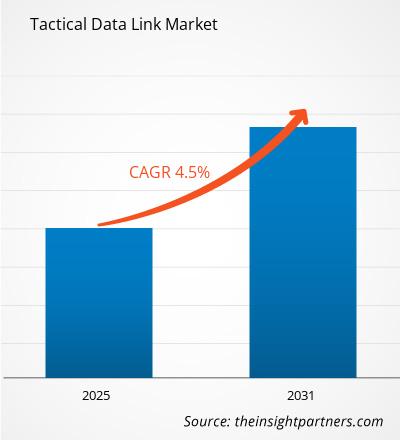
The global Tactical Data Link Market size is projected to reach US$ 13.76 billion by 2034 from US$ 9.26 billion in 2025. The market is anticipated to register a CAGR of 5.08% during the forecast period 2026-2034. This sustained financial growth reflects a systemic push by defense forces worldwide to replace legacy infrastructure with highly encrypted, jam-resistant, and high-speed data transmission networks.
Driving Factors Behind Market Expansion
The steady growth of the tactical data link (TDL) market is powered by several critical geopolitical and technological shifts. Chief among these is the widespread transition toward network-centric warfare (NCW). Rather than operating as isolated units, modern land, air, and sea assets are integrated into a singular unified digital environment. Tactical data links serve as the nervous system for this architecture, translating complex radar, sensor, and target data into real-time actionable insights for commanders on the ground and in the air.
Furthermore, escalating border disputes, rising regional conflicts, and geopolitical tensions across Europe, Asia-Pacific, and the Middle East have forced nations to rapidly scale up their defense expenditures. A significant portion of these updated budgets is funneling directly into electronic warfare (EW), command and control (C2) modernization, and Intelligence, Surveillance, and Reconnaissance (ISR) applications.
The rapid proliferation of unmanned platforms including Unmanned Aerial Vehicles (UAVs), autonomous marine vessels, and Unmanned Ground Vehicles (UGVs) has further amplified deployment needs. Because these platforms depend entirely on continuous, long-range communication lines for command, control, and sensory transmission, advanced links like Link 16 and Link 22 are becoming non-negotiable baselines for manufacturing procurement.
Get a PDF Sample– https://www.theinsightpartners.com/sample/TIPRE00006903
Market Segmentation and Technical Evolution
The market is generally broken down across three primary segments: component type, data link standard, and platform.
Components: While physical hardware like terminals, antennas, transceivers, and processors still commands a massive portion of historical revenue, the software segment is emerging as the fastest-growing area. Processing software allows disparate networks to talk to one another, driving better interoperability between distinct allied forces.
Data Link Standards: Link 16 remains the global military baseline, facilitating secure, high-speed jam-resistant communications across NATO and allied fleets. However, next-generation platforms are increasingly incorporating Link 22 to utilize superior Beyond Line-of-Sight (BLOS) communication channels over HF and UHF bands.
Platforms: Airborne systems continue to represent the largest operational market share due to the intense integration of TDLs in modern fighter jets, early warning aircraft, and military helicopters. Meanwhile, the land-based segment is experiencing a significant surge as individual soldier systems and mobile command centers undergo modernization overhauls.
Competitive Landscape
The global market features a highly competitive blend of tier-one defense contractors and specialized aerospace telecommunication firms. These market participants consistently target research and development (R&D) investments, multi-year government procurement programs, and strategic mergers to secure long-term contracts.
The following key players are driving technological innovation across the global tactical data link industry:
BAE Systems
Collins Aerospace
General Dynamics
Harris Corporation
L3 Technologies, Inc.
Leonardo DRS
Northrop Grumman
Raytheon Company
Saab AB
Viasat, Inc.
These players actively focus on engineering systems with strict Size, Weight, and Power (SWaP) constraints, ensuring that components can easily integrate into smaller platforms like compact drones or personal soldier communication packs without sacrificing security or range.
Future Outlook
Looking ahead, the future of the tactical data link market will be deeply intertwined with the deployment of cutting-edge civilian and military technologies. The integration of fifth-generation (5G) communication infrastructure into defense frameworks is expected to drastically lower network latency while substantially boosting overall bandwidth capacity. This allows massive sensor files, such as high-definition video feeds from aerial surveillance, to clear transmission barriers almost instantly.
Additionally, artificial intelligence (AI) and machine learning (ML) models are set to be integrated into processing software to automate data filtration, prioritizing critical threat notices over routine status transmissions to prevent cognitive overload for personnel. As cyber warfare capabilities grow more sophisticated globally, the market will naturally pivot toward zero-trust networking architectures and quantum-resistant encryption protocols. Over the next decade, tactical data links will evolve from basic message-relaying tools into completely cognitive, self-healing, multi-domain networks capable of securing information dominance in any combat zone.
About Us
The Insight Partners is a one-stop industry research provider of actionable intelligence. We help our clients in getting solutions to their research requirements through our syndicated and consulting research services. We specialize in industries such as Semiconductor and Electronics, Aerospace and Defense, Automotive and Transportation, Biotechnology, Healthcare IT, Manufacturing and Construction, Medical Devices, Technology, Media, and Telecommunications, as well as chemicals and Materials.
Contact Us
If you have any queries about this report or if you would like further information, don’t hesitate to get in touch with us:
Contact Person: Ankit Mathur
E-mail: ankit.mathur@theinsightpartners.com
Phone: +1-646-491-9876
Core Drivers of the Aerial Refueling Market
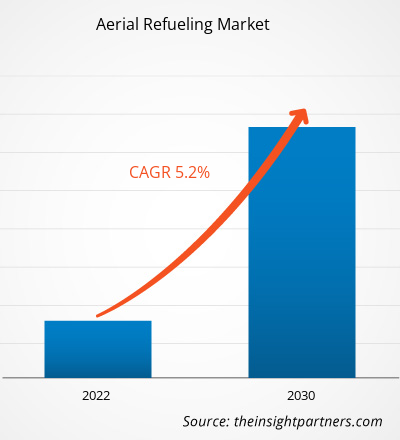
The fundamental growth engine behind this market is the pressing need for extended combat endurance and non-stop global deployment capabilities. Aerial refueling, often referred to as in-flight refueling, removes the primary limitations of combat radius and payloadcapacity. Fighter jets, transport aircraft, and surveillance platforms can take off with lower fuel weights—allowing them to carry heavier payloads of munitions, specialized sensors, or personnel—and subsequently fuel up once airborne.
Geopolitical tensions across Western Europe, the Asia-Pacific region, and the Middle East have pushed defense ministries to transition from localized border protection models to highly integrated projection capabilities. Legacy tanker fleets built during the late Cold War era are facing severe fatigue, prompting massive military modernization initiatives. Nations are actively investing in new multi-role tanker transport (MRTT) systems that serve a dual purpose: acting as long-range tactical fuel supply points while retaining the internal capacity to handle cargo logistics and medical evacuations.
Get a PDF Sample– https://www.theinsightpartners.com/sample/TIPRE00006791
Technology Trends: Flying Boom vs. Probe and Drogue
The technological architecture of the market remains divided into two core deployment mechanisms, both of which are seeing substantial integration upgrades:
The Flying Boom System: This rigid, telescoping tube is controlled by an operator on the tanker aircraft and plugs into a receptacle on the receiver aircraft. It allows for exceptionally high fuel transfer rates, which is necessary for large bombers and heavy transport carriers.
The Probe and Drogue System: This flexible hose trailing a funnel-shaped basket requires the receiving pilot to fly a probe directly into the drogue. It is the preferred method for smaller tactical fighters, helicopters, and many naval aviation arms due to its simpler mechanical footprint and ability to refuel multiple aircraft simultaneously from wing-mounted pods.
The integration of advanced software, night-vision lighting, and automated boom control (ABC) is bridging the gap between these systems, reducing pilot workload and increasing safety margins during turbulent nighttime missions.
Key Industry Competitors
The complex engineering and stringent safety standards required for mid-air fuel transfers have concentrated the market among specialized aerospace and defense manufacturers. The prominent players driving innovation and scaling manufacturing capabilities across this landscape include:
Cobham Plc (Highly recognized for its specialized design and production of probe-and-drogue refueling buddy stores and wing-mounted pods)
Safran (A global leader providing critical high-end equipment, fuel systems management, and propulsion technologies)
Eaton (Supplies robust, highly engineered components including fuel valves, couplings, and sophisticated fluid management systems)
GE Aviation (Provides powerful propulsion systems and digital flight management avionics essential for heavy tanker stability)
Marshall Aerospace & Defense Group (Specializes in complex aircraft conversions, structural engineering, and fleet maintenance support)
Parker Hannifin Corporation (Delivers critical hydraulic and fluid conveyance solutions that ensure safe fuel distribution under immense pressure)
Israel Aerospace Industries Ltd (A pioneer in converting standard commercial airframes into capable multi-role military tanker platforms)
BAE Systems Plc (Integrates secure mission systems, electronic warfare protections, and advanced structures for military aviation)
Elbit Systems Ltd (Develops electro-optical pods, helmets, and training simulators designed to optimize refueling operator efficiency)
ARESIA (Engineers customized airborne mission equipment and refueling subsystem components tailored for modern tactical air forces)
Future Outlook
Looking down the runway, the future of the aerial refueling market will be shaped by autonomy and the integration of uncrewed aerial systems (UAS). As air forces invest heavily in collaborative combat aircraft (CCA) and stealth autonomous drones, the demand for unmanned-to-unmanned and manned-to-unmanned refueling systems will expand. Major defense contract competitions are already shifting focus toward developing autonomous "buddy refueling" capabilities, where an uncrewed carrier-based drone can refuel manned fighter wings, thereby preserving the life of large, high-value tanker assets by keeping them away from contested anti-access/area-denial (A2/AD) zones. Combined with artificial intelligence that predicts structural wear on refueling booms and automates precise alignment, the market is poised to evolve from a purely manual flight operation into an interconnected, software-defined node of modern tactical networks by 2030.
Related Reports-
About Us
The Insight Partners is a one-stop industry research provider of actionable intelligence. We help our clients in getting solutions to their research requirements through our syndicated and consulting research services. We specialize in industries such as Semiconductor and Electronics, Aerospace and Defense, Automotive and Transportation, Biotechnology, Healthcare IT, Manufacturing and Construction, Medical Devices, Technology, Media, and Telecommunications, as well as chemicals and Materials.
Contact Us
If you have any queries about this report or if you would like further information, don’t hesitate to get in touch with us:
Contact Person: Ankit Mathur
E-mail: ankit.mathur@theinsightpartners.com
Phone: +1-646-491-9876
The aerospace industry is undergoing a profound digital transformation, and helicopter operations are at the forefront of this evolution. Modern mission profiles ranging from complex emergency medical services (EMS) and search and rescue (SAR) to offshore oil and gas transport and urban air mobility demand unprecedented levels of situational awareness, safety, and operational efficiency. At the heart of this capability is the helicopter avionics suite, an intricate network of electronic systems encompassing communication, navigation, flight control, and monitoring technologies.
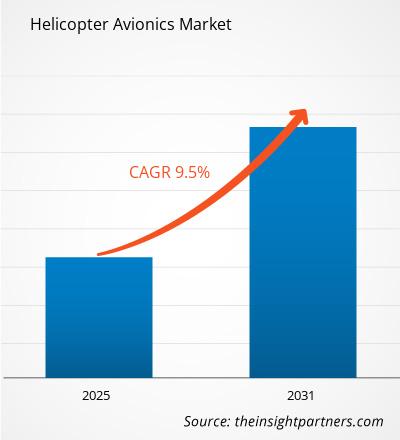
According to a comprehensive market study by The Insight Partners, the global Helicopter Avionics Market size is projected to reach US$ 6.48 billion by 2034 from US$ 3.82 billion in 2025. This robust growth trajectory represents a steady Compound Annual Growth Rate (CAGR) of 6.04% during the forecast period from 2026 to 2034. This expansion is fueled by a combination of factors, including the modernization of aging military fleets, stringent safety regulations mandates by aviation authorities, and the rapid integration of commercial off-the-shelf (COTS) digital technologies into modern cockpits.
Key Market Drivers and Technological Dynamics
The sustained growth of the helicopter avionics sector is primarily driven by the urgent need to enhance pilot situational awareness, especially during low-visibility operations, adverse weather conditions, and low-altitude flights. Traditional analog instrument panels are rapidly being replaced by integrated glass cockpits featuring large-format multi-function displays (MFDs). These modern displays synthesize complex data from various sensors into intuitive visual formats, significantly reducing pilot workload and minimizing human error.
Furthermore, regulatory bodies worldwide such as the Federal Aviation Administration (FAA) and the European Union Aviation Safety Agency (EASA) are continuously updating mandates regarding flight safety equipment. Requirements for advanced terrain awareness and warning systems (TAWS), automatic dependent surveillance-broadcast (ADS-B) transponders, and flight data monitoring systems are forcing fleet operators to opt for extensive retrofit programs. The commercial sector, particularly emergency medical and law enforcement aviation, is aggressively investing in these upgrades to ensure compliance and maximize operational safety.
In the military segment, geopolitical tensions are prompting defense forces to upgrade their rotary-wing assets. Modern military helicopter avionics must not only provide superior navigation and flight control but also integrate seamlessly with tactical data links, electronic warfare (EW) self-protection suites, and advanced weapon management systems. The demand for modular open systems architecture (MOSA) is growing rapidly in this space, allowing defense forces to swap and upgrade software components without overhauling entire hardware architectures.
Get a PDF Sample– https://www.theinsightpartners.com/sample/TIPRE00018715
Competitive Landscape and Industry Titan Innovations
The global market features a blend of established aerospace conglomerates and specialized software and hardware providers driving continuous innovation. The key players shaping the trajectory of the helicopter avionics market include:
Aspen Avionics, Inc. – Known for innovative, evolutionary cockpit upgrades, specializing in affordable, easy-to-install digital displays for general aviation and light helicopters.
Avidyne Corporation – A leader in integrated flight decks and multi-function displays, pushing boundaries in intuitive pilot-interface designs and navigation systems.
Collins Aerospace – A heavyweight in aviation technology, delivering highly reliable flight control, communication, and integrated mission systems for both commercial and military rotary-wing platforms.
Elbit Systems Ltd. – An international defense electronics provider renowned for cutting-edge helmet-mounted displays (HMDs) and enhanced vision systems (EVS) tailored for military operations.
ForeFlight LLC – A Boeing company that has revolutionized flight planning, mapping, and electronic flight bag (EFB) software, becoming an indispensable asset for modern digital cockpits.
Garmin Ltd. – A dominant force in flight deck retrofits and forward-fit solutions, continuously advancing safety features like helicopter electronic stability and protection (H-ESP) and terrain alerting.
Honeywell International Inc. – Provides highly sophisticated flight management systems, weather radars, and safety suites, driving the push toward autonomy and connected aircraft technologies.
L3Harris Technologies, Inc. – Specializes in mission-critical communications, night vision technologies, and flight data recorders built to survive rigorous mission parameters.
Leonardo S.p.A. – An aerospace giant that uniquely integrates custom, proprietary avionics architectures directly into its world-class manufacturing line of commercial and military helicopters.
Thales Group – A global leader in flight electronics, offering advanced flight management systems (FMS) and head-up displays (HUDs) designed to maximize safety in the most demanding environmental conditions.
Future Outlook
Looking ahead, the future of the helicopter avionics market will be defined by the convergence of artificial intelligence (AI), edge computing, and enhanced connectivity. As the industry transitions toward increasingly autonomous operations and prepares for the rise of eVTOL (electric vertical takeoff and landing) platforms, avionics suites will evolve from passive monitoring tools into proactive decision-support systems. AI-driven predictive maintenance systems will monitor component health in real time, dramatically reducing fleet downtime and operational costs. Moreover, the integration of 5G satellite connectivity and advanced data links will turn helicopters into highly connected nodes within a broader internet-of-military-things (IoMT) or commercial air traffic management ecosystem. Over the next decade, these software-defined architectures will enable seamless over-the-air updates, ensuring that helicopter fleets remain technologically relevant, safe, and efficient far into the future.
Related Reports-
About Us
The Insight Partners is a one-stop industry research provider of actionable intelligence. We help our clients in getting solutions to their research requirements through our syndicated and consulting research services. We specialize in industries such as Semiconductor and Electronics, Aerospace and Defense, Automotive and Transportation, Biotechnology, Healthcare IT, Manufacturing and Construction, Medical Devices, Technology, Media, and Telecommunications, as well as chemicals and Materials.
Contact Us
If you have any queries about this report or if you would like further information, don’t hesitate to get in touch with us:
Contact Person: Ankit Mathur
E-mail: ankit.mathur@theinsightpartners.com
Phone: +1-646-491-9876
The global aviation industry relies heavily on intricate technological architectures to ensure the safety, efficiency, and unwavering reliability of commercial, military, and general aviation aircraft. At the very heart of this operational framework lies the aircraft engine fuel system. Responsible for storing, managing, regulating, and delivering fuel to the engine at precise pressures and flow rates, these systems are fundamentally critical to flight performance. As the aerospace sector rebounds from past global disruptions and scales up to meet unprecedented modern travel demand, the aircraft engine fuel systems sector is experiencing strategic and steady growth. This evolution is shaped by an intersection of rising passenger traffic, stringent environmental regulations, and the relentless pursuit of fuel efficiency by airline operators worldwide.
Market Size and Growth Trajectory
The Aircraft Engine Fuel Systems Market size is expected to reach US$ 77.05 Million by 2034 from US$ 51.42 Million in 2025. The market is estimated to record a CAGR of 4.60% from 2026 to 2034.
While the absolute dollar value of this specific component market may appear niche when compared to broader aerospace valuations, it represents a highly specialized, highly regulated, and vital segment of aerospace engineering. This steady compound annual growth rate is largely driven by the natural replacement cycle of aging aircraft fleets, the aggressive procurement of next-generation commercial jetliners, and increased defense spending across major global economies. Commercial airlines operate on notoriously thin profit margins, and aviation fuel historically represents one of their largest continuous operating expenses. Consequently, airlines are heavily invested in acquiring advanced fuel systems that ensure optimal combustion, prevent fuel starvation, and minimize systemic waste.
Key Market Drivers and Dynamics
Several interconnected factors are fueling the steady expansion of this market. First, the surging demand for commercial air travel in emerging economies particularly across the Asia-Pacific and Middle Eastern regions has necessitated substantial fleet expansions. Aircraft manufacturers are working diligently to ramp up production rates to deliver on immense backlogs of both narrow-body and wide-body aircraft. Every single new jet engine off the assembly line requires a sophisticated, fully integrated fuel delivery and management system.
Second, the global military aerospace sector is currently undergoing a profound modernization phase. Advanced fifth-generation fighter jets, heavy transport aircraft, and complex unmanned aerial vehicles (UAVs) require highly robust, fault-tolerant fuel delivery systems capable of functioning seamlessly under extreme G-forces, high altitudes, and drastically fluctuating temperatures.
Furthermore, international regulatory bodies such as the Federal Aviation Administration (FAA) and the European Union Aviation Safety Agency (EASA) are implementing ever-stricter environmental and noise protocols. This regulatory pressure forces original equipment manufacturers (OEMs) to design systems that maximize fuel economy and reduce overall carbon footprints, thereby accelerating the market demand for sophisticated upgrades and retrofits to existing aircraft.
Get a PDF Sample– https://www.theinsightpartners.com/sample/TIPRE00015296
Technological Advancements Reshaping the Industry
Innovation remains the cornerstone of the aircraft engine fuel systems sector. Modern fuel systems are far removed from their purely mechanical predecessors of the mid-20th century. Today, they are deeply integrated with Full Authority Digital Engine Control (FADEC) computing systems. These electronic brains constantly monitor flight conditions, throttle positions, air density, and atmospheric variables to meter the exact micro-amount of fuel required, second by second.
Additionally, there is a prominent industry-wide shift toward "lightweighting." Manufacturers are increasingly utilizing advanced composite materials and additive manufacturing (3D printing) to produce complex fuel system components like pumps, intricate valves, and precision metering units. Lighter parts reduce the overall dry weight of the aircraft, which inherently means the aircraft burns less fuel to stay aloft. Furthermore, the rising integration of smart sensors within the fuel lines allows for predictive maintenance. This technology enables ground crews to monitor system health in real-time and identify wearing fuel system components before they fail in transit, significantly reducing costly aircraft downtime.
Key Players in the Market
The competitive landscape of the Aircraft Engine Fuel Systems Market is characterized by intense research and development initiatives, rigorous safety testing, and long-term supply contracts with major aircraft manufacturers like Boeing, Airbus, Lockheed Martin, and Embraer. The industry is highly consolidated, with a select group of legacy aerospace engineering giants dominating the space due to the high barrier to entry and strict certification requirements.
The prominent key players operating in this dynamic market include:
Honeywell International Inc.
Parker Hannifin Corporation
Woodward, Inc.
Eaton
Triumph Group
Collins Aerospace, a Raytheon Technologies company
Andair LTD
Secondo Mona S.p.A.
Crane Aerospace and Electronics
Meggitt PLC
Future Outlook
Looking ahead to 2034 and beyond, the Aircraft Engine Fuel Systems Market is poised for transformative technological shifts, primarily dictated by the global aerospace industry’s ambitious commitment to achieving net-zero carbon emissions by 2050. A major focal point for manufacturers will be the widespread adoption of Sustainable Aviation Fuels (SAF) and, eventually, liquid hydrogen propulsion. Future fuel systems will need to be fundamentally re-engineered to handle the unique chemical properties, lower lubricity, and complex thermal dynamics of these alternative power sources. Moreover, as the industry begins actively testing hybrid-electric aircraft architectures, traditional fuel management systems will evolve to bridge the gap between conventional combustion and auxiliary electric power generation. Ultimately, the companies that can successfully adapt their fuel system technologies to align with a greener, smarter, and highly digital aviation ecosystem will be the ones that dominate the skies of tomorrow.
Related Reports-
About Us
The Insight Partners is a one-stop industry research provider of actionable intelligence. We help our clients in getting solutions to their research requirements through our syndicated and consulting research services. We specialize in industries such as Semiconductor and Electronics, Aerospace and Defense, Automotive and Transportation, Biotechnology, Healthcare IT, Manufacturing and Construction, Medical Devices, Technology, Media, and Telecommunications, as well as chemicals and Materials.
Contact Us
If you have any queries about this report or if you would like further information, don’t hesitate to get in touch with us:
Contact Person: Ankit Mathur
E-mail: ankit.mathur@theinsightpartners.com
Phone: +1-646-491-9876
The management of municipal and industrial waste is undergoing a massive transformation worldwide. Rapid urbanization, population growth, and a heightened global focus on sustainability have placed tremendous pressure on traditional waste management workflows. At the center of this transformation is the humble trash truck now evolving from a purely mechanical vehicle into a highly sophisticated, technology-enabled asset. As cities look to optimize their sanitation logistics and reduce environmental impacts, the infrastructure supporting waste collection is expanding rapidly.
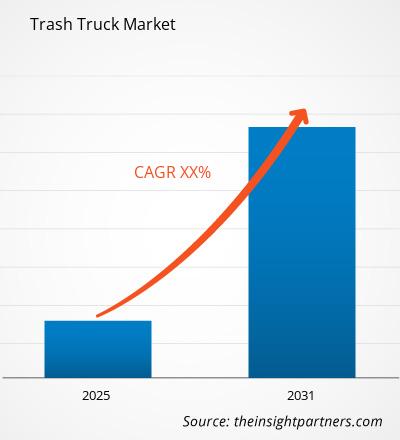
According to a comprehensive market analysis, the global Trash Truck Market size is projected to reach US$ 21.97 billion by 2034 from US$ 16.16 billion in 2025. The market is anticipated to register a CAGR of 3.47% during the forecast period 2026-2034. This steady economic growth reflects a deeper systemic shift toward automated collection systems, fleet electrification, and strict regulatory mandates regarding carbon emissions.
Key Drivers Fueling Market Growth
Several interconnected factors are steering the steady expansion of the trash truck market over the next decade. First and foremost is the exponential rise in global municipal solid waste generation. As emerging economies develop and urban clusters grow denser, the absolute volume of refuse requiring collection grows with them. Traditional collection methods are proving insufficient to meet this demand safely and efficiently.
Furthermore, municipal authorities face stringent regulatory pressures to decrease the environmental footprints of their service fleets. Heavy-duty diesel trucks have historically been a significant source of local particulate matter and greenhouse gas emissions. This challenge has sparked substantial investment in alternative powertrains, specifically compressed natural gas (CNG) and fully electric configurations. Electric trash trucks are highly suited for urban collection routines, which feature predictable, short routes with frequent stop-and-start cycles that allow for effective regenerative braking.
Operational efficiency is another dominant driver. Modern fleet operators are increasingly opting for automated side loaders (ASLs) over traditional rear loaders. Automated arms allow a single operator to complete entire routes without stepping out of the cabin, significantly reducing labor shortages, lowering injury rates, and speeding up collection times per household.
Get a PDF Sample– https://www.theinsightpartners.com/sample/TIPRE00022491
Industry Ecosystem and Prominent Leaders
The market is characterized by a mix of specialized waste management equipment manufacturers, automotive giants, and industrial machinery innovators. These companies are actively forming strategic partnerships, launching low-emission product lines, and integrating telematics systems to maintain their competitive edge.
Key players operating in the global trash truck market include:
AB Volvo: A leader in commercial transport solutions, pioneering heavy-duty electric chassis tailored specifically for urban refuse collection.
BAS Mining Trucks: Known for heavy-duty payload engineering, providing rugged infrastructure vehicles capable of handling high-capacity industrial waste.
Cummins Inc.: A critical power-solutions provider advancing natural gas, hybrid, and hydrogen-fuel-cell propulsion systems for vocational truck fleets.
Combilift Material Handling Solutions: Specializing in innovative material handling and customized logistics machinery that interfaces with industrial waste processing.
Caterpillar: A global leader in heavy machinery, providing heavy-duty infrastructure, earthmoving, and foundational handling assets vital to landfill management and large-scale refuse sorting.
Doosan Corporation: Contributing robust industrial powertrains and heavy construction equipment utilized in solid waste distribution.
Deutz AG: Focusing on highly efficient eco-friendly diesel and alternative fuel engines designed to comply with strict global emission standards.
ETF HOLDING B.V.: Engineering innovative transport concepts and heavy-axle configurations suitable for specialized, high-capacity industrial haulage.
Liebherr: Delivering highly advanced material handlers, wheel loaders, and specialized machines engineered specifically for the rigorous environments of recycling yards and waste management centers.
Labrie Enviroquip Group: A premier manufacturer of top-tier waste collection bodies, renowned for their advanced side-loading, front-loading, and rear-loading technology.
Technological Horizons and Regional Dynamics
Regionally, North America and Europe continue to hold substantial market shares due to early adoption of strict environmental regulations, high labor costs that incentivize automation, and robust municipal budgets. However, the Asia-Pacific region is poised to display the fastest growth rate. Government initiatives like smart city developments, structured waste-segregation mandates, and large-scale modernization of municipal fleets in countries like China and India are transforming regional market dynamics.
On the technological front, IoT (Internet of Things) integration is changing how these vehicles function. Telematics platforms now track real-time fuel efficiency, hydraulic health, and automated container counts. When paired with smart, sensor-equipped waste bins, trash trucks can dynamic-route through cities skipping empty bins and prioritizing overflowing ones to minimize wear and tear, fuel burn, and traffic congestion.
Future Outlook
The future of the trash truck market lies at the intersection of total automation and net-zero emissions. Over the next decade, expect the industry to pivot entirely away from conventional diesel, making fully electric and hydrogen-fueled fleets the standard for municipal contracts. As autonomous driving technology matures, we will likely see highly controlled, low-speed autonomous or semi-autonomous collection vehicles operating during off-peak night hours to further alleviate daytime urban congestion. The integration of advanced computer vision on robotic arms will also enable trucks to identify contamination in recycling bins right at the curb. Ultimately, trash trucks will transition from mere transport vehicles into data-gathering hubs crucial to the circular economy.
Related Reports-
Connected Truck Telematics Market
About Us
The Insight Partners is a one-stop industry research provider of actionable intelligence. We help our clients in getting solutions to their research requirements through our syndicated and consulting research services. We specialize in industries such as Semiconductor and Electronics, Aerospace and Defense, Automotive and Transportation, Biotechnology, Healthcare IT, Manufacturing and Construction, Medical Devices, Technology, Media, and Telecommunications, as well as chemicals and Materials.
Contact Us
If you have any queries about this report or if you would like further information, don’t hesitate to get in touch with us:
Contact Person: Ankit Mathur
E-mail: ankit.mathur@theinsightpartners.com
Phone: +1-646-491-9876
The global construction industry is undergoing a significant transformation, driven by an urgent demand for speed, precision, and structural longevity. At the heart of this evolution is the concrete finishing sector, where achieving a perfectly flat, durable surface is paramount for warehouses, industrial complexes, and commercial buildings. As a result, the ride-on trowel market has emerged as a critical segment within construction equipment manufacturing. These powerful machines allow operators to sit comfortably while managing large-scale concrete smoothing, offering unmatched efficiency compared to traditional walk-behind models.
Market Size and Growth Projections
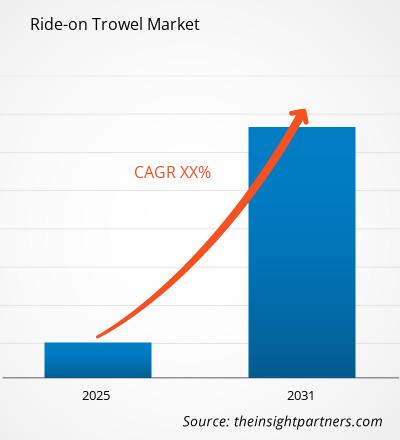
According to comprehensive data provided by The Insight Partners, the market is positioned for steady, long-term expansion. The Ride-on Trowel Market size is expected to reach US$ 316.9 Million by 2034 from US$ 267.61 Million in 2025. This growth reflects a steady rise in industrial floor specifications and massive infrastructure projects worldwide. The market is estimated to record a CAGR of 2.14% from 2026 to 2034.
While a Compound Annual Growth Rate (CAGR) of 2.14% represents a mature and stable growth trajectory, it underscores a highly resilient sector. The steady rise indicates consistent replacement cycles of aging machinery and a continuous shift toward mechanized concrete finishing in developing economies.
Key Drivers of Market Expansion
Several macroeconomic and industry-specific factors are fueling the demand for ride-on trowels:
Booming Logistics and Warehousing Sectors: The continuous rise of e-commerce has led to a massive construction wave of fulfillment hubs and mega-warehouses. These modern facilities require "superflat" floors to ensure that high-reach forklifts and automated guided vehicles (AGVs) can operate safely and without disruption. Ride-on trowels are indispensable for achieving these stringent floor flatness tolerances.
Labor Shortages and Cost Management: The construction sector globally faces a persistent shortage of skilled masonry labor. Ride-on trowels mitigate this issue by allowing a single operator to finish thousands of square feet of concrete in a fraction of the time it would take a manual crew, drastically lowering labor costs and shortening project timelines.
Urbanization and Infrastructure Investments: Emerging economies across Asia-Pacific and Latin America are investing heavily in urban infrastructure, high-rise developments, and transport hubs, widening the geographical playground for machinery manufacturers.
Get a PDF Sample– https://www.theinsightpartners.com/sample/TIPRE00023408
Understanding the Technology: Hydrostatic vs. Mechanical
Ride-on trowels are broadly classified by their drive systems, with the market divided between mechanical and hydrostatic models.
Mechanical Drive Trowels: Utilizing heavy-duty clutches and belts, these models are traditionally favored for their lower upfront cost and relative ease of maintenance on standard job sites.
Hydrostatic Drive Trowels: Representing the premium segment of the market, hydrostatic models use hydraulic pumps and motors to turn the rotors. This system offers smoother power delivery, variable speed control, and eliminates the wear items like belts and clutches, making them increasingly popular for high-demand, heavy-duty applications.
Weight distribution, pitch control systems (both manual and hydraulic), and steering responsiveness are other key competitive frontiers where manufacturers continuously innovate to enhance operator comfort and floor quality.
Competitive Landscape: Key Market Players
The ride-on trowel market features a mix of established global heavy-equipment giants and highly specialized construction machinery manufacturers. These companies focus on expanding their distribution networks, refining hydraulic controls, and introducing low-emission powerplants to comply with strict global environmental regulations.
The prominent players steering the market forward include:
Multiquip Inc.
ALLEN ENGINEERING CORPORATION
Bartell Machinery Systems
Atlas Copco
Masterpac
MBW Incorporated
Parchem Construction Supplies
Wacker Neuson SE
BetonTrowel
Jamshedji Constro Equip Private Limited
These manufacturers are increasingly integrating advanced LED lighting packages for night operations and ergonomically redesigned seating positions to reduce operator fatigue during long concrete pours.
Future Outlook
Looking toward the horizon, the ride-on trowel market is on the cusp of an environmental and technological paradigm shift. As global emissions regulations tighten, the industry is witnessing a strong push toward alternative powertrains, notably battery-electric and hybrid ride-on trowels. Electric models not only reduce a contractor's carbon footprint but also solve a major industry headache: operating inside enclosed spaces where exhaust fumes from traditional gasoline or diesel engines present severe safety hazards. Furthermore, the long-term integration of smart sensors capable of monitoring concrete dryness and floor flatness in real-time will turn these finishing machines into data-gathering hubs. This ensures that the ride-on trowel market will remain an adaptive, vital pillar of global industrial development well up to 2034 and beyond.
Related Reports-
About Us
The Insight Partners is a one-stop industry research provider of actionable intelligence. We help our clients in getting solutions to their research requirements through our syndicated and consulting research services. We specialize in industries such as Semiconductor and Electronics, Aerospace and Defense, Automotive and Transportation, Biotechnology, Healthcare IT, Manufacturing and Construction, Medical Devices, Technology, Media, and Telecommunications, as well as chemicals and Materials.
Contact Us
If you have any queries about this report or if you would like further information, don’t hesitate to get in touch with us:
Contact Person: Ankit Mathur
E-mail: ankit.mathur@theinsightpartners.com
Phone: +1-646-491-9876
The quality of fresh water around the world has become a critical topic of discussion for governments, municipal corporations, and individual homeowners alike. Industrialization, agricultural runoff, and aging municipal pipeline infrastructure have increasingly contributed to water contamination. In response, residential and commercial consumers are turning toward robust, comprehensive water filtration solutions. Among these, Point of Entry (POE) water treatment systems have gained substantial traction. Unlike Point of Use (POU) systems, which filter water at a single faucet or showerhead, POE systems are installed directly at the main water line where water enters a building, ensuring that every drop flowing through the property from kitchens to bathrooms and laundry rooms is thoroughly purified.
Market Dynamics and Valuation
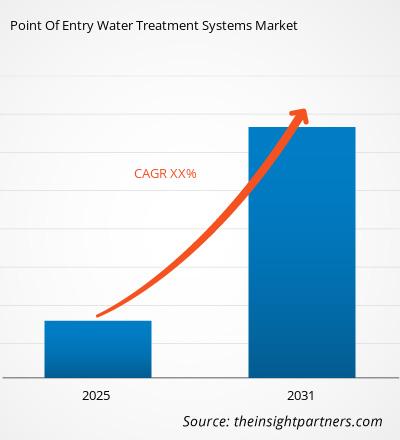
The global demand for clean water is translating into robust financial growth for manufacturers in this sector. The Point Of Entry Water Treatment Systems Market size is expected to reach US$ 15.59 Billion by 2034 from US$ 10.6 Billion in 2025. The market is estimated to record a CAGR of 4.94% from 2026 to 2034.
This steady growth trajectory is fueled by several macroeconomic and environmental factors. Urbanization across emerging economies in Asia-Pacific and Latin America is leading to a construction boom, where new residential complexes and commercial buildings are pre-installing POE systems as a value-added feature. Additionally, growing awareness regarding waterborne diseases, heavy metal contamination (such as lead and arsenic), and the negative impacts of hard water on household appliances and plumbing systems is urging consumers to invest in long-term, high-capacity water treatment infrastructure.
Technological advancements have also made these systems much more appealing. Modern POE systems are no longer just basic sediment filters; they integrate multi-stage purification technologies including carbon filtration, reverse osmosis, ultraviolet (UV) disinfection, and automated water softening. The incorporation of smart monitoring systems, which alert users via smartphone applications when filters need replacing or when water quality fluctuates, has further boosted consumer adoption rates.
Get a PDF Sample– https://www.theinsightpartners.com/sample/TIPRE00022496
Prominent Industry Participants
The POE water treatment market is characterized by a mix of established multinational corporations and specialized water technology firms. These players are continuously investing in research and development to launch energy-efficient, eco-friendly, and cost-effective filtration solutions to maintain their market dominance.
The key players operating in the global Point of Entry water treatment systems market include:
3M Company – Renowned for its advanced membrane technology and high-flow filtration systems designed for both residential and commercial applications.
Honeywell International Inc – Provides smart water filtration solutions, incorporating automation and robust sediment filtration systems.
General Electric – Offers a widely trusted portfolio of whole-house filtration and water softening systems known for reliability and scale reduction.
Best Water Technology (BWT) AG – A European leader focusing on innovative ecological water treatment technologies, including magnesium-enriched water systems.
Calgon Carbon Corporation – Specializes in activated carbon technologies that effectively remove organic compounds, chlorine, and odor from primary water sources.
Pentair plc – A major global player delivering comprehensive sustainable water solutions, ranging from heavy-duty residential POE systems to commercial water management.
The Dow Chemical Company – Supplies cutting-edge ion exchange resins and filtration component technologies utilized globally in high-end water treatment systems.
Danaher Corporation – Operates through its specialized environmental and applied solutions platforms, delivering advanced water quality testing and purification systems.
Watts Water Technologies Inc – Focuses on water quality, water safety, and flow control solutions, providing robust whole-house filtration and scale-prevention systems.
Culligan International – A highly recognized brand offering fully customized residential and commercial POE water softening and filtration services.
Market Segmentation and Regional Insights
To understand the widespread adoption of these systems, it is essential to look at how the market is segmented. By product type, the market includes water softeners, filtration systems (such as carbon and sediment filters), disinfection systems, and reverse osmosis systems. Water softeners hold a significant market share due to the widespread issue of hard water, which damages expensive plumbing and reduces the lifespan of water-based appliances like washing machines and water heaters.
Geographically, North America and Europe hold a dominant position in the global market. This is primarily attributed to strict environmental regulations, high consumer awareness regarding health and wellness, and the presence of leading market players. However, the Asia-Pacific region is projected to register the fastest growth rate during the forecast period. Rapid industrial development, deteriorating natural water quality due to industrial effluents, and a growing middle-class population with increasing disposable income are pushing countries like China, India, and countries in Southeast Asia to adopt whole-house water filtration units rapidly.
Future Outlook
The future of the Point of Entry water treatment systems market looks exceptionally promising, driven by a paradigm shift toward sustainability and intelligent home automation. As global water scarcity intensifies, the emphasis will increasingly transition from mere filtration to intelligent water conservation and recycling. Future POE systems are expected to feature enhanced zero-waste reverse osmosis technologies and chemical-free disinfection methods, aligning with global green building standards. Furthermore, the integration of Artificial Intelligence (AI) and the Internet of Things (IoT) will become standard, enabling predictive maintenance, real-time contaminant tracking, and synchronized communication with municipal smart grids. As public awareness regarding microplastics, PFAS (forever chemicals), and pharmaceutical residues in tap water escalates, the reliance on comprehensive POE systems will evolve from a luxury household upgrade into an indispensable health and infrastructure necessity worldwide.
Related Reports-
About Us
The Insight Partners is a one-stop industry research provider of actionable intelligence. We help our clients in getting solutions to their research requirements through our syndicated and consulting research services. We specialize in industries such as Semiconductor and Electronics, Aerospace and Defense, Automotive and Transportation, Biotechnology, Healthcare IT, Manufacturing and Construction, Medical Devices, Technology, Media, and Telecommunications, as well as chemicals and Materials.
Contact Us
If you have any queries about this report or if you would like further information, don’t hesitate to get in touch with us:
Contact Person: Ankit Mathur
E-mail: ankit.mathur@theinsightpartners.com
Phone: +1-646-491-9876
The automotive industry is undergoing a monumental shift driven by electrification, autonomous driving technology, and a relentless focus on passenger safety and comfort. At the heart of a vehicle's handling mechanism lies the steering column a critical component that translates the driver’s input into mechanical action. As vehicles become smarter and increasingly automated, the demands placed on steering column systems are evolving rapidly. According to a comprehensive research report by The Insight Partners, the steering column market is positioned for exponential growth over the next decade, fueled by technological breakthroughs and rising vehicle production worldwide.
Market Size and Growth Trajectory
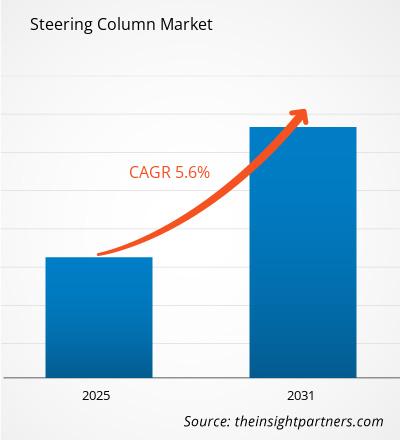
The Steering Column Market size is expected to reach US$ 22.34 Billion by 2034 from US$ 6.62 Billion in 2025. The market is estimated to record a CAGR of 16.42% from 2026 to 2034. This highly impressive compound annual growth rate highlights a period of intense modernization and infrastructure changes within the global automotive supply chain.
Historically viewed as a rigid mechanical link, the steering column is being completely reimagined. The remarkable growth trajectory is heavily supported by the increasing adoption of Electric Power Steering (EPS) and Electronic Hydraulically Assisted Power Steering (E-HPS) systems, particularly across commercial and passenger vehicle segments. These modern systems not only optimize fuel efficiency and lower carbon emissions by reducing parasitic engine load, but they also offer superior vehicle handling capabilities that appeal to safety-conscious consumers worldwide.
Market Drivers and Technological Dynamics
Several key dynamics are pushing the steering column market into a new era of expansion:
Rise of Steer-by-Wire (SbW) Systems: One of the most disruptive trends in automotive engineering is the shift toward steer-by-wire technologies. By eliminating the physical, mechanical connection between the steering wheel and the road wheels, SbW relies entirely on electronic signals. This revolution fundamentally changes the role of the steering column, requiring advanced sensors, actuators, and electronic control units (ECUs) to simulate road feedback and manage wheel angles.
Enhanced Safety Standards and Crashworthiness: Regulatory bodies across the globe continue to mandate stringent safety guidelines for automotive manufacturing. Modern steering columns must feature energy-absorbing mechanisms that collapse safely during a frontal collision, protecting the driver from severe impact injuries. The development of advanced telescopic and tiltable columns provides both custom ergonomic comfort and optimized safety configurations.
Autonomous and Semi-Autonomous Vehicles: As Advanced Driver Assistance Systems (ADAS) and Level 3+ autonomous driving become mainstream, the design requirements for steering columns are changing. In fully autonomous modes, retractable steering columns are increasingly desired to maximize cabin space and provide a lounge-like environment for passengers.
Get a PDF Sample– https://www.theinsightpartners.com/sample/TIPRE00022722
Key Industry Players
The global steering column landscape features a mix of well-established automotive component manufacturers and specialized engineering firms that drive localized and international supply chains. Prominent entities operating within this marketplace include:
Anhui Finetech Machinery Co., Ltd.
BNL (UK) Limited
Coram Europe S.r.l.
Hangzhou Feiyue Automobile Parts Co., Ltd.
HYUNDAIGLOVIS co.,ltd
M.S. Group
Ningbo CIE Corporation
Nakanishi Metal Works Co Ltd
Pailton Engineering Ltd.
Technymon LTD
These key players are actively investing in robust research and development initiatives, focusing on lightweight materials such as aluminum alloys and magnesium to decrease overall vehicle weight without compromising structural integrity. Strategic partnerships, mergers, and geographic expansions remain common tactics used by these companies to secure long-term contracts with original equipment manufacturers (OEMs).
Segmental Insights
The steering column market can be categorized by vehicle type, column type, and geography. By vehicle type, passenger cars continue to command a massive share of the market due to high production volumes and consumer demand for premium features like electric adjustment and memory settings. Concurrently, the commercial vehicle sector is showing robust growth as logistics networks expand globally, necessitating heavy-duty steering columns that reduce driver fatigue during long-haul transit.
Geographically, the Asia-Pacific region stands out as a manufacturing powerhouse and a primary revenue generator. Rapid urbanization, increasing disposable income, and massive automotive production hubs in China, Japan, India, and South Korea propel regional demand. Meanwhile, Europe and North America remain critical hubs for high-tech innovations, where stricter emission norms and early adoption of autonomous technologies drive the market toward premium, electronically advanced steering solutions.
Future Outlook
The future of the steering column market is intrinsically tied to the total digitization of the vehicle cockpit. As the industry moves closer to fully autonomous transport, the traditional steering column will transition from a purely mechanical driver-interface tool into an intelligent, modular component capable of seamless integration with vehicle AI. We will likely see a surge in adaptive steering technologies that adjust steering ratios on the fly based on vehicle speeds and road conditions. Furthermore, the push for sustainability will compel manufacturers to adopt circular economy practices, utilizing recycled metals and eco-friendly manufacturing processes.
Related Reports-
About Us
The Insight Partners is a one-stop industry research provider of actionable intelligence. We help our clients in getting solutions to their research requirements through our syndicated and consulting research services. We specialize in industries such as Semiconductor and Electronics, Aerospace and Defense, Automotive and Transportation, Biotechnology, Healthcare IT, Manufacturing and Construction, Medical Devices, Technology, Media, and Telecommunications, as well as chemicals and Materials.
Contact Us
If you have any queries about this report or if you would like further information, don’t hesitate to get in touch with us:
Contact Person: Ankit Mathur
E-mail: ankit.mathur@theinsightpartners.com
Phone: +1-646-491-9876
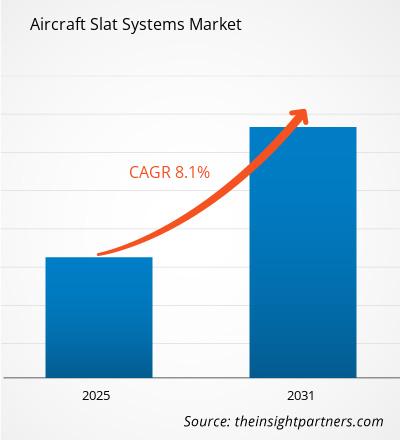
The global aviation industry is experiencing a profound transformation, propelled by the resurgence of global passenger traffic, modernization of commercial fleets, and a relentless push toward environmental sustainability. At the heart of aircraft design and operational efficiency are flight control systems, particularly aerodynamic surfaces that manage lift and drag during critical phases of flight. Among these, aircraft slat systems play a vital role. Positioned on the leading edge of airplane wings, slats are deployable aerodynamic surfaces that alter the wing's shape to increase lift during low-speed operations, such as takeoff and landing.
According to a comprehensive market study, the global Aircraft Slat Systems Market size is projected to reach US$ 3.1 Billion by 2034 from US$ 1.76 Billion in 2025. The market is anticipated to register a CAGR of 6.6% during the forecast period 2026–2034. This robust growth reflects the critical necessity of advanced aerodynamic components in modern aviation, driven by the expanding order books of major aircraft manufacturers and the ongoing development of military and commercial aerospace platforms.
Dynamics Driving the Aircraft Slat Systems Market
The primary catalyst for the aircraft slat systems market is the exponential increase in commercial aircraft deliveries. As airlines globally look to replace aging, less fuel-efficient fleets with next-generation narrow-body and wide-body aircraft, the demand for sophisticated slat systems has escalated. Leading edge slats allow aircraft to fly at higher angles of attack and lower speeds without stalling, which is crucial for safety and short-runway performance.
Moreover, structural advancements in aerospace engineering are heavily influencing market dynamics. Traditional mechanical slat systems are progressively being augmented or replaced by smarter, lightweight actuation mechanisms. The integration of advanced materials, such as carbon-fiber-reinforced polymers (CFRP) and lightweight titanium alloys, has allowed manufacturers to reduce the overall weight of the wing assembly. A lighter slat system directly correlates to reduced fuel consumption and lower carbon emissions—two metrics that are vital for airlines navigating strict global environmental regulations.
Additionally, military modernization programs across North America, Europe, and the Asia-Pacific region are providing substantial momentum. Governments are investing heavily in tactical transport aircraft, fighter jets, and maritime patrol planes, all of which require highly specialized, durable slat systems capable of enduring extreme operational stress and harsh environments.
Get a PDF Sample– https://www.theinsightpartners.com/sample/TIPRE00026537
Key Players in the Global Market
The aircraft slat systems market is characterized by a mix of established tier-1 aerospace component manufacturers, structural assembly specialists, and precision tooling providers. These companies are actively investing in research and development to introduce automated manufacturing techniques and additive manufacturing (3D printing) to optimize production.
The prominent players operating in the global aircraft slat systems market include:
Sonaca Group: A global leader in aerostructures, specialized in the development, manufacturing, and assembly of advanced wing leading edges.
Spirit Aerosystems, Inc.: One of the world’s largest independent designers and manufacturers of aerostructures, providing critical wing components for major commercial programs.
Triumph Group Inc.: A key supplier of aerospace systems and structures, offering comprehensive capabilities across the lifecycle of aircraft flight control mechanisms.
Korea Aerospace Industries Limited (KAI): A premier aerospace and defense company contributing significantly to structural assemblies and international commercial wing programs.
Hexagon AB: A global leader in digital reality solutions, providing precision metrology and manufacturing software vital for ensuring the strict tolerances required in slat production.
Sandvik Coromant: A world-renowned supplier of cutting tools and tooling solutions, driving efficiency in machining complex aerospace materials used in wing systems.
GKN Aerospace (a Melrose company): A pioneer in advanced aerostructures and wing technologies, focusing heavily on integrating lightweight materials into leading-edge architectures.
Kawasaki Heavy Industries: A major contributor to global aerospace manufacturing, providing high-quality structural components and sub-assemblies for commercial aircraft wings.
Premium Aerotech: A leading tier-1 supplier focused on the structures of commercial and military aircraft, utilizing cutting-edge automated carbon-fiber manufacturing.
S.S. White Technologies, Inc.: A specialist in flexible shaft technology, providing highly reliable rotary power transmission solutions used in flight control and actuation systems.
Technological Trends Shaping Production
The manufacturing of aircraft slat systems is transitioning rapidly toward Automation 4.0. Given the safety-critical nature of these components, precision is paramount. Companies like Hexagon AB and Sandvik Coromant supply the metrology and high-performance tooling necessary to machine complex aerodynamic curves out of tough alloys. Meanwhile, structural integrators like Spirit Aerosystems and Sonaca Group are incorporating advanced automated fiber placement (AFP) to produce lightweight composite slats.
Furthermore, there is a distinct technological shift toward electro-mechanical actuation (EMA) systems over traditional hydraulic systems. Electro-mechanical systems remove the heavy fluid lines associated with hydraulics, reducing maintenance overhead, removing potential leak risks, and enhancing the overall responsiveness of the flight control surfaces.
Future Outlook
The future of the aircraft slat systems market looks exceptionally promising, anchored by continuous innovation and structural changes in aircraft architecture. Over the next decade, the industry is expected to witness an accelerated transition toward "smart wings" and adaptive aerodynamic technologies. Manufacturers are exploring morphing wing concepts where slats and flaps seamlessly adjust shape rather than deploying on mechanical tracks, optimizing aerodynamics across all flight phases. As urban air mobility (UAM) and electric vertical takeoff and landing (eVTOL) aircraft progress from concepts to commercial realities, the demand for compact, highly integrated, and lightweight lift-enhancement systems will expand into entirely new market segments. Driven by these engineering breakthroughs and a projected backlog of thousands of commercial airliners, the aircraft slat systems market is well-positioned for sustained capital investment, ensuring its steady upward trajectory through 2034 and beyond.
Related Reports-
Aircraft Engine Forging Market
About Us
The Insight Partners is a one-stop industry research provider of actionable intelligence. We help our clients in getting solutions to their research requirements through our syndicated and consulting research services. We specialize in industries such as Semiconductor and Electronics, Aerospace and Defense, Automotive and Transportation, Biotechnology, Healthcare IT, Manufacturing and Construction, Medical Devices, Technology, Media, and Telecommunications, as well as chemicals and Materials.
Contact Us
If you have any queries about this report or if you would like further information, don’t hesitate to get in touch with us:
Contact Person: Ankit Mathur
E-mail: ankit.mathur@theinsightpartners.com
Phone: +1-646-491-9876
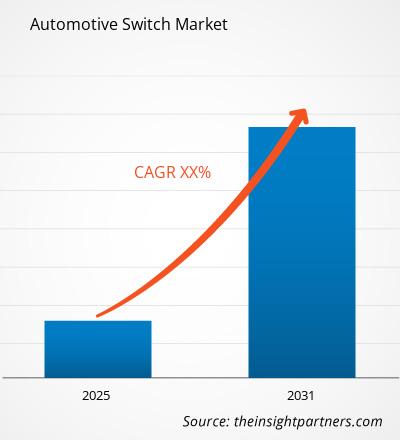
The global automotive landscape is undergoing a monumental paradigm shift, transitioning rapidly from mechanical reliability to digital sophistication. At the heart of this transformation lies the humble yet increasingly complex component: the automotive switch. Functioning as the vital user interface between vehicle occupants and the machine's intricate electrical networks, automotive switches regulate everything from primary ignition systems and windows to advanced luxury electronics and advanced driver-assistance systems (ADAS). As vehicular electronics evolve, the market for these components is expanding exponentially.
The Automotive Switch Market is expected to register a CAGR of 4.08% from 2026 to 2034, with the market size expanding from US$ 55.33 Billion in 2025 to US$ 79.29 Billion by 2034. This steady economic trajectory underscores the indispensable nature of control mechanisms within contemporary commercial and passenger vehicles, particularly amid a global wave of electrification and a surging consumer appetite for premium, high-tech cabins.
Market Dynamics and Growth Drivers
The expansion of the automotive switch market is heavily driven by the profound trend toward vehicle electrification.The rapid proliferation of Electric Vehicles (EVs) and Hybrid Electric Vehicles (HEVs) requires sophisticated power electronics and specialized high-voltage control systems.Unlike conventional internal combustion engine (ICE) vehicles that rely on simpler mechanical linkages, EVs require advanced power distribution, localized thermal-management switches, and intelligent battery regulation interfaces.
Concurrently, safety mandates and consumer demands for enhanced luxury features have drastically increased the number of switches integrated per vehicle. Advanced driver-assistance systems require a multitude of physical or capacitive controls right at the driver’s fingertips, traditionally localized on multi-function steering wheels. Furthermore, features such as multi-zone climate control, power-adjustable seats with memory retention, electronic parking brakes, and panoramic sunroofs are transitioning from luxury exclusives to standard entry-level packages. Each of these conveniences introduces multiple specialized switches, amplifying the absolute volume of switch architectures built by original equipment manufacturers (OEMs).
Additionally, the integration of Human-Machine Interfaces (HMIs) has modernized the composition of automotive switches.Rather than standard plastic toggles, modern vehicle cockpits incorporate smart tactile panels, illuminated switches, and capacitive sensors with integrated haptic feedback, balancing aesthetic minimalism with functional safety requirements.
Get a PDF Sample– https://www.theinsightpartners.com/sample/TIPRE00023840
Key Market Players
The global automotive switch industry features a highly competitive and semi-consolidated landscape, led by prominent multinational electronic and Tier-1 automotive component suppliers. These entities consistently invest in robust research and development to align their product portfolios with stringent electronic safety standards (such as ISO 26262) and emerging EV architectures.
The major players dominating the global automotive switch market ecosystem include:
Alps Electric Co., Ltd.
Continental AG
Hella KGaA Hueck and Co.
Johnson and Johnson
Omron Corporation
Panasonic Corporation
Robert Bosch GmbH
Tokai Rika Co., Ltd.
Valeo
ZF Friedrichshafen AG
These market leaders are increasingly executing strategic collaborative ventures, mergers, and product innovations to secure their market footprints. By leveraging micro-electromechanical systems (MEMS) and durable touch-sensitive technologies, these companies cater directly to prominent global OEMs seeking to redefine modern cockpit aesthetics.
Segmentation and Regional Analysis
To comprehend the micro-dynamics of the market, the automotive switch industry can be analyzed by switch type, vehicle type, application, and distribution channel.By switch type, the market includes pushbutton switches, rotary switches, toggle/rocker switches, and increasingly, capacitive touchpads.Applications span lighting systems, engine start/stop setups, HVAC controls, steering assemblies, window/door locks, and infotainment overrides.
Geographically, the market is characterized by prominent manufacturing hubs and soaring vehicle production volumes across the Asia-Pacific region, spearheaded by China, India, and Japan.The rapid localization of EV supply chains in Asia-Pacific positions it as the dominant consumer of automotive electronics. Meanwhile, North America and Europe continue to showcase high market value, primarily driven by strict regulatory mandates regarding active safety controls, high adoption of connected luxury platforms, and a resilient consumer aftermarket industry as global fleet ages increase.
Future Outlook
Looking toward the horizon, the future of the automotive switch market lies in the deep integration of tactile components with smart, touchless, and smart cabin ecosystems. While touchscreens and voice-activation software continue to redefine vehicle interiors, physical and tactile backup switches will remain fundamentally critical due to global automotive safety and emergency override protocols. We anticipate a prominent shift toward hybrid interior designs, where seamless smart-surface switches injected into premium wood, leather, or glass accents remain hidden until illuminated. Furthermore, the incorporation of artificial intelligence and Internet-of-Things (IoT) enabled switch networks will foster highly predictive, energy-efficient cabin systems that adjust intuitively to individual driver behaviors. As next-generation autonomous and autonomous-ready platforms emerge over the next decade, manufacturers who balance absolute hardware reliability with sleek, touch-sensitive design aesthetics will position themselves at the peak of the global automotive marketplace.
Related Reports-
Automotive Steering Wheel Switch Market
Automotive Engine Fastener Market
About Us
The Insight Partners is a one-stop industry research provider of actionable intelligence. We help our clients in getting solutions to their research requirements through our syndicated and consulting research services. We specialize in industries such as Semiconductor and Electronics, Aerospace and Defense, Automotive and Transportation, Biotechnology, Healthcare IT, Manufacturing and Construction, Medical Devices, Technology, Media, and Telecommunications, as well as chemicals and Materials.
Contact Us
If you have any queries about this report or if you would like further information, don’t hesitate to get in touch with us:
Contact Person: Ankit Mathur
E-mail: ankit.mathur@theinsightpartners.com
Phone: +1-646-491-9876