

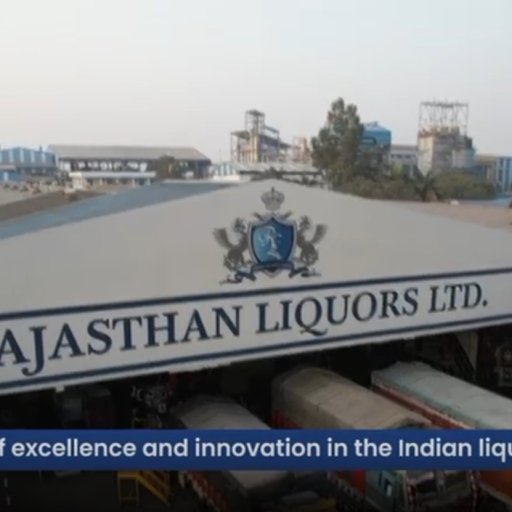

For years, India’s alcohol business was heavily dependent on metro cities like Mumbai, Delhi, Bengaluru, and Kolkata. These urban markets drove sales, shaped consumer trends, and became testing grounds for premium spirits. But over the last few years, something interesting has happened. The next big growth story for every major liquor company in india is no longer centered only around metros. Smaller cities are becoming the real opportunity.
Walk into a premium liquor outlet in cities like Indore, Kochi, Lucknow, Surat, Ranchi, or Coimbatore today, and the shelves tell a different story than they did five years ago. Imported labels, craft gin, premium whiskey, flavored vodka, and luxury packaging are now finding buyers far beyond India’s traditional urban hotspots.
Industry reports suggest that India’s alcohol market could cross USD 300 billion over the next decade, driven largely by changing consumption habits and rising incomes. What is surprising, however, is where much of this growth is coming from: Tier-2 and Tier-3 cities.
One of the biggest reasons behind this shift is aspiration. Smaller cities in India are changing rapidly. Better salaries, exposure through social media, OTT platforms, tourism, and e-commerce have influenced lifestyle choices. Consumers in non-metro cities are now more willing to spend on premium experiences, including alcohol.
This trend is especially visible in whiskey and premium beer sales. Companies are reporting stronger demand for premium products in smaller cities than ever before. SOM Distilleries recently highlighted rising demand for premium beer from Tier-II cities while announcing a ₹600 crore expansion plan.
The pandemic also changed consumer behavior. People who once traveled to metro cities for work or leisure brought back exposure to premium brands and new drinking cultures. That influence stayed behind in hometowns. Today, consumers in smaller cities are not just looking for cheaper alcohol; many are actively seeking quality, brand value, and better presentation.
Another major factor is retail expansion. State excise policies in several regions are encouraging more licensed outlets outside crowded urban centers. Uttar Pradesh, for instance, recently announced plans for hundreds of new liquor outlets in growing suburban and non-metro areas. Similar expansion patterns are visible in parts of Maharashtra, Madhya Pradesh, and Karnataka.
Liquor brands have noticed this shift and are adapting aggressively.
Instead of focusing only on nightlife-heavy metros, companies are building stronger distribution networks in emerging cities. Regional distributors are playing a larger role than ever. Brands are also tailoring their marketing according to local preferences. In some markets, whiskey continues to dominate, while in others, rum or brandy performs better because of climate and cultural familiarity.
Premiumization is another important piece of the story. India’s alcohol industry is no longer only about volume sales. The focus is increasingly shifting toward higher-margin premium products. Reuters recently reported that companies such as Allied Blenders and Distillers are seeing strong growth in premium portfolios, with prestige brands contributing significantly to overall revenue.
This change is visible even in smaller towns where consumers are willing to spend more for better packaging, smoother blends, and recognizable labels. Social media has amplified this trend. A premium bottle today is not just a drink; it has become part of lifestyle display culture.
Interestingly, packaging has become a silent marketing weapon in these markets. Attractive designs, heavier bottles, embossed logos, and modern aesthetics influence buying decisions more than ever before. This has increased the importance of liquor bottle manufacturers who now work closely with alcohol brands to create distinctive shelf appeal. In many stores, consumers first notice the packaging before even asking about the spirit inside.
Digital influence is also playing a huge role in this expansion. Consumers in smaller cities are far more connected than before. India’s internet penetration and smartphone usage have exploded over the last decade. Trends that once stayed limited to metros now spread nationally within days. Reports on Indian consumer behavior show Tier-2 and Tier-3 cities increasingly driving premium purchases across industries.
The younger demographic is another driving force. India has one of the world’s youngest populations, and many new legal-age consumers come from non-metro regions. Their preferences are very different from previous generations. They are more experimental, brand-conscious, and open to trying newer categories such as craft spirits, single malts, and ready-to-drink beverages.
At the same time, companies are learning that smaller cities require a different strategy than metros. Affordability still matters. Many brands are introducing premium products in smaller pack sizes to attract first-time buyers without intimidating price points. Limited editions, festival campaigns, and region-specific promotions are becoming increasingly common.
There is also growing competition between Indian and international brands. Global companies still see India as one of their biggest long-term opportunities, but domestic brands are becoming smarter and faster. Indian-made premium whiskey and craft spirits are earning international recognition while expanding deeper into domestic markets.
Of course, challenges remain. India’s alcohol industry still faces strict regulations, varying state laws, advertising restrictions, and heavy taxation. Distribution logistics in smaller towns can also be difficult. But despite these obstacles, the direction is clear: growth is no longer confined to metro cities.
The next decade of India’s liquor industry will likely be shaped in places that were once ignored by premium alcohol brands. Smaller cities are becoming more aspirational, more connected, and more willing to spend on lifestyle-driven products. For alcohol companies, that represents a massive opportunity.
The brands that understand regional tastes, invest in strong distribution, and build emotional connections with consumers outside metros are likely to lead the next phase of India’s alcohol market growth.