
In today’s industrial environment, safe and efficient chemical tanks storage is critical for ensuring operational continuity, worker safety, environmental compliance, and product quality. Industries such as chemical processing, pharmaceuticals, metal finishing, water treatment, and manufacturing depend heavily on reliable storage systems to handle corrosive and hazardous substances.
At Petron Thermoplast, we specialize in delivering advanced chemical tank solutions engineered to meet the diverse and demanding needs of modern industries. With years of expertise in plastic fabrication and industrial storage systems, we provide high-performance tanks that combine durability, safety, and customization.
Our comprehensive product range includes:
Each solution is designed with precision engineering and high-quality materials to ensure long service life and dependable performance.
Chemical storage is not just about containment—it is about protecting people, processes, and the environment. Improper storage can lead to leaks, corrosion, contamination, and costly shutdowns.
Advanced chemical tanks offer:
Petron Thermoplast focuses on delivering storage systems that meet these critical requirements while offering excellent value for industrial customers.
Polypropylene Homopolymer (PPH) tanks are widely used for storing acids, alkalis, and industrial chemicals. These tanks are known for their excellent chemical resistance and mechanical strength.
Key Features:
PPH chemical tanks are ideal for chemical plants, water treatment units, and process industries.
Polyvinylidene Fluoride (PVDF) tanks are designed for highly aggressive and high-purity chemical applications. They are suitable for environments where standard plastic materials may fail.
Key Features:
PVDF chemical tanks are widely used in pharmaceutical, semiconductor, and specialty chemical industries.
PP FRP tanks combine the chemical resistance of polypropylene with the structural strength of fiberglass-reinforced plastic.
Key Features:
These tanks are ideal for large-capacity storage of industrial chemicals and wastewater.
PP pickling tanks are specially designed for metal surface treatment processes, including acid pickling and descaling.
Key Features:
They are widely used in galvanizing plants, steel processing units, and fabrication workshops.
PVDF FRP tanks combine the superior chemical resistance of PVDF liners with the mechanical strength of FRP outer layers.
Key Features:
These tanks are preferred for storing high-concentration chemicals in critical applications.
PP rinsing tanks are used for washing and neutralizing components after chemical processing.
Key Features:
They are commonly used in electroplating, PCB manufacturing, and metal finishing industries.
Hydrochloric acid (HCL) is highly corrosive and requires specialized storage solutions. Petron Thermoplast manufactures dedicated HCL storage tanks for safe handling.
Key Features:
These tanks are suitable for chemical plants, steel pickling units, and water treatment facilities.
Our acid storage tanks are designed for storing various industrial acids, including nitric acid, phosphoric acid, and mixed acids.
Key Features:
They ensure safe and compliant storage of hazardous substances.
FRP storage tanks are widely used for chemical and water storage due to their high strength-to-weight ratio.
Key Features:
FRP tanks are ideal for outdoor and large-capacity installations.
Sulfuric acid requires specialized materials and construction techniques due to its highly corrosive nature. Our sulfuric acid tanks are engineered for maximum safety.
Key Features:
These tanks are widely used in fertilizer plants, battery manufacturing, and chemical industries.
At Petron Thermoplast, we understand that every project has unique requirements. Therefore, we offer project-specific engineering solutions.
Our Customization Capabilities Include:
Our engineering team works closely with clients to design tanks that fit perfectly into their existing systems.
All our chemical tanks are manufactured under strict quality control procedures using advanced fabrication technologies.
Quality Assurance Process:
This ensures that every tank meets international quality and safety standards.
Our advanced chemical tank solutions are used in a wide range of industries:
These tanks support safe and efficient operations in critical industrial environments.
Petron Thermoplast is a trusted name in industrial plastic fabrication and chemical storage systems.
Our Key Strengths:
We are committed to delivering reliable solutions that add long-term value to our clients’ operations.
We prioritize safety and environmental protection in all our designs.
Our tanks are engineered to:
By choosing Petron Thermoplast, industries contribute to safer and more sustainable operations.
With increasing regulations, growing industrialization, and rising safety standards, the demand for advanced chemical storage systems continues to grow. Petron Thermoplast remains at the forefront by adopting innovative materials, advanced fabrication methods, and smart engineering practices.
We continuously invest in research and development to deliver future-ready storage solutions.
Advanced chemical tank solutions play a vital role in ensuring safety, efficiency, and sustainability in industrial operations. With a diverse range of high-performance tanks—including PPH, PVDF, FRP, and specialized acid storage systems—Petron Thermoplast provides reliable solutions for every chemical storage requirement.
Our commitment to quality, customization, and customer satisfaction makes us a preferred partner for industries across India and global markets. If you are looking for durable, safe, and engineered chemical storage solutions, Petron Thermoplast is your trusted choice.
In modern industrial environments, the safe storage of corrosive chemicals is a critical operational requirement. Acids such as hydrochloric acid, sulfuric acid, nitric acid, and phosphoric acid are widely used in chemical processing, pharmaceuticals, water treatment, metal finishing, and fertilizer production. Improper storage of these substances can lead to serious safety risks, environmental hazards, and costly downtime.
To meet these challenges, industries are increasingly shifting towards project-specific acid storage tanks with professional engineering support. These customized storage solutions are designed to match exact operational needs, ensuring maximum safety, efficiency, and long-term performance.
As a trusted industrial plastics manufacturer, Petron Thermoplast specializes in delivering tailor-made acid storage tanks backed by comprehensive engineering services. From design and material selection to installation and maintenance support, the company provides complete solutions for demanding industrial applications.
Every industrial project has unique requirements. Factors such as chemical concentration, temperature, pressure, storage capacity, available space, and environmental conditions vary from site to site. Standard, off-the-shelf tanks may not always meet these specialized needs.
Project-specific acid storage tanks are engineered to:
Customized tanks minimize risks and ensure smooth plant operations. They are particularly essential in large-scale chemical plants, pharmaceutical units, and infrastructure projects where safety and reliability are non-negotiable.
Storing corrosive chemicals involves several technical and operational challenges:
Acids can rapidly degrade unsuitable materials, leading to leaks, contamination, and structural failure.
Many acids are stored at elevated or fluctuating temperatures, which can affect tank stability and material integrity.
Industrial facilities often have limited space, requiring tanks to be designed for specific dimensions or layouts.
Strict environmental and safety standards govern acid storage systems. Non-compliance can result in penalties and operational shutdowns.
Storage tanks must integrate seamlessly with piping systems, pumps, dosing units, and automation systems.
Project-specific tanks, supported by engineering expertise, effectively address these challenges.
Selecting the right material is the foundation of reliable acid storage. Petron Thermoplast offers tanks manufactured from high-performance materials based on application requirements.
HDPE (High-Density Polyethylene)
PP (Polypropylene)
FRP (Fiber Reinforced Plastic)
PVDF and Specialized Plastics
Material selection is guided by chemical composition, concentration, operating temperature, and safety standards.
What truly differentiates project-specific acid storage tanks is the level of engineering support provided. At Petron Thermoplast, engineering services are integrated into every stage of the project.
The process begins with a detailed study of:
This ensures a complete understanding of project needs.
Based on collected data, expert engineers develop customized tank designs, including:
Advanced design tools and industry standards are used to ensure safety and reliability.
Engineers evaluate material compatibility with stored chemicals. Samples and prototypes may undergo testing for:
This guarantees optimal performance in real-world conditions.
Customized tanks are manufactured using state-of-the-art equipment and controlled processes. Each tank undergoes strict quality inspections, including:
Only fully compliant tanks are dispatched to customers.
Petron Thermoplast provides on-site or remote technical assistance for:
Proper installation is essential for long-term reliability.
Engineering support continues after commissioning. Services include:
This ensures uninterrupted operations throughout the tank’s lifecycle.
Customized designs reduce risks of leaks, overflows, and structural failure. Integrated safety features protect workers, equipment, and the environment.
Tanks designed for specific processes optimize material handling, reduce transfer losses, and improve workflow.
Proper material selection and engineering design significantly extend tank lifespan, reducing replacement frequency.
Although customized tanks may have a higher initial investment, they deliver substantial long-term savings through reduced maintenance, downtime, and failures.
Project-specific tanks are designed to meet applicable national and international standards, ensuring smooth audits and approvals.
Petron Thermoplast’s project-specific acid storage tanks are widely used in:
Chemical Manufacturing
For storing raw materials, intermediates, and finished acids.
Pharmaceutical Industry
For high-purity chemical storage under controlled conditions.
Water and Wastewater Treatment
For storing chlorine, sulfuric acid, and dosing chemicals.
Fertilizer Plants
For phosphoric and sulfuric acid storage.
Metal Processing and Electroplating
For pickling acids and surface treatment solutions.
Petrochemical Industry
For auxiliary and utility chemical storage systems.
These applications demonstrate the versatility of customized acid storage solutions.
Proven Industry Experience
With extensive experience in industrial plastics and chemical storage solutions, Petron Thermoplast understands complex project requirements.
End-to-End Solutions
From concept to commissioning, customers receive complete support under one roof.
Advanced Manufacturing Facilities
Modern production units ensure precision, consistency, and scalability.
Customization Expertise
Non-standard sizes, special reinforcements, and integrated accessories are handled efficiently.
Strong Quality Assurance
Every product undergoes rigorous testing and inspection.
Reliable Delivery Network
Efficient logistics ensure on-time project execution across India and international markets.
Petron Thermoplast is committed to sustainable manufacturing practices. Plastic and FRP tanks have long service lives and are recyclable, reducing environmental impact. Leak-proof designs prevent soil and water contamination, supporting environmental protection initiatives.
By investing in high-quality, engineered storage systems, industries contribute to safer and greener operations.
The future of acid storage is driven by innovation and digitalization. Emerging trends include:
Petron Thermoplast continuously upgrades its engineering capabilities to align with these advancements.
Acid storage is a critical component of industrial safety and efficiency. Generic storage solutions often fail to address the complex requirements of modern projects. Project-specific acid storage tanks, supported by professional engineering services, provide a reliable, safe, and cost-effective solution.
As a leading manufacturer and supplier, Petron Thermoplast delivers customized acid storage tanks designed to meet exact project specifications. With strong engineering expertise, advanced manufacturing, and comprehensive customer support, the company remains a preferred partner for chemical storage solutions.
If you are planning a new project or upgrading existing facilities, choosing Petron Thermoplast’s project-specific acid storage tanks ensures long-term performance, safety, and operational excellence.
In today’s demanding industrial environment, reliable and long-lasting storage solutions are essential for maintaining safe, efficient, and uninterrupted operations. Industries such as chemical processing, water treatment, pharmaceuticals, power generation, food processing, and petrochemicals require storage tanks that can withstand harsh operating conditions, aggressive chemicals, and continuous usage. Among the available options, FRP storage tanks have emerged as one of the most durable and cost-effective solutions.
Petron Thermoplast, a trusted manufacturer and supplier of industrial plastic products, offers high-quality FRP (Fiber Reinforced Plastic) storage tanks designed specifically for continuous duty operations. With advanced manufacturing techniques, premium materials, and strict quality control, these tanks deliver exceptional performance and long service life.
Understanding FRP Storage Tanks
FRP storage tanks are manufactured using a composite material consisting of high-strength fiberglass reinforcements embedded in a corrosion-resistant resin matrix. This combination creates a lightweight yet extremely strong structure capable of handling demanding industrial applications.
Unlike traditional metal tanks, FRP tanks do not rust, corrode, or degrade when exposed to chemicals, moisture, or harsh environmental conditions. This makes them an ideal choice for long-term storage of corrosive liquids, industrial chemicals, and process fluids.
Why Durability Matters in Continuous Duty Operations?
Continuous duty operations involve round-the-clock processing, storage, and transfer of liquids without frequent shutdowns. In such environments, equipment failure can lead to production losses, safety hazards, and costly repairs.
Durable FRP storage tanks play a critical role in ensuring:
By investing in high-quality FRP tanks, industries can achieve long-term reliability and operational efficiency.
Key Features of Petron Thermoplast’s FRP Storage Tanks
Petron Thermoplast designs FRP storage tanks with a focus on strength, safety, and longevity. Each tank is engineered to perform reliably under continuous operating conditions.
FRP tanks are highly resistant to acids, alkalis, salts, solvents, and industrial chemicals. This prevents internal degradation and ensures long-term performance.
Fiberglass reinforcements provide excellent tensile and impact strength, allowing tanks to withstand pressure, vibration, and mechanical stress.
Advanced lamination and sealing techniques ensure complete leak prevention, even under fluctuating pressure and temperature conditions.
Compared to steel or concrete tanks, FRP tanks are lightweight, making transportation, installation, and relocation easier.
Special coatings protect tanks from sunlight, rain, humidity, and temperature variations, making them suitable for outdoor installations.
Tanks are available in various sizes, shapes, and configurations to meet specific project requirements.
Advantages of FRP Storage Tanks for Industrial Use
Using FRP storage tanks from Petron Thermoplast provides multiple operational and financial benefits.
Long Service Life
FRP tanks can operate efficiently for decades with minimal degradation, reducing replacement frequency.
Low Maintenance
Non-corrosive surfaces prevent rust, scaling, and fouling, minimizing cleaning and repair requirements.
Cost Efficiency
Lower installation, maintenance, and replacement costs make FRP tanks a cost-effective investment.
Improved Safety
Leak-resistant construction prevents chemical spills, protecting workers and the environment.
Design Flexibility
Custom designs allow integration with existing piping systems and plant layouts.
Energy Efficiency
Smooth internal surfaces reduce friction and pumping energy requirements.
Applications Across Industries
Due to their durability and versatility, FRP storage tanks are widely used across multiple sectors.
Chemical Processing Plants
Used for storing acids, alkalis, solvents, and intermediate chemicals.
Water and Wastewater Treatment
Applied in storage of treatment chemicals, sludge, and purified water.
Pharmaceutical Industry
Supports safe storage of raw materials and process fluids.
Power Generation
Used in cooling water, chemical dosing, and treatment systems.
Food and Beverage Processing
Suitable for hygienic storage of ingredients and cleaning solutions.
Petrochemical and Refinery Operations
Used for handling corrosive and hazardous liquids.
Performance in Continuous Duty Environments
Petron Thermoplast’s FRP storage tanks are designed to perform reliably under demanding operational conditions.
These performance characteristics make FRP tanks ideal for 24/7 industrial operations.
Manufacturing Process and Quality Assurance
Quality is a top priority at Petron Thermoplast. Every FRP storage tank undergoes strict quality control at each stage of production.
Manufacturing Steps Include:
This rigorous process ensures consistent quality and compliance with international standards.
Installation and Maintenance Guidelines
Proper installation and maintenance enhance tank performance and service life.
Installation Best Practices
Maintenance Tips
With proper care, FRP tanks can operate efficiently for decades.
Customization and Engineering Support
Petron Thermoplast offers customized FRP storage tank solutions tailored to specific industry needs.
Customization Options Include:
The company’s technical team works closely with clients to deliver optimized storage solutions.
Environmental and Sustainability Benefits
FRP storage tanks support sustainable industrial practices through:
These benefits contribute to environmentally responsible operations.
Why Choose Petron Thermoplast?
Petron Thermoplast is a recognized leader in industrial plastic fabrication and storage solutions.
Key Advantages:
The company’s commitment to quality and customer satisfaction makes it a preferred partner for industrial projects.
Future Trends in FRP Storage Technology
The FRP industry continues to evolve with advancements such as:
Petron Thermoplast continues to invest in research and development to stay ahead of market demands.
Conclusion
Durable FRP Storage Tanks for Continuous Duty Operations by Petron Thermoplast offer a reliable, cost-effective, and future-ready solution for industrial storage needs. With superior corrosion resistance, high mechanical strength, low maintenance requirements, and customizable designs, these tanks are ideal for industries operating under demanding conditions.
By choosing Petron Thermoplast’s FRP storage tanks, businesses gain a trusted partner committed to safety, efficiency, and long-term performance. Whether for chemical processing, water treatment, pharmaceuticals, or power generation, these tanks ensure uninterrupted operations and sustainable growth. For industries seeking dependable and durable storage solutions, Petron Thermoplast remains the preferred choice.
In today’s fast-paced industrial environment, reliable piping systems are essential for maintaining safety, efficiency, and uninterrupted operations. Industries such as chemical processing, water treatment, manufacturing, infrastructure, and power generation depend heavily on high-performance pipelines to transport fluids under varying pressure and temperature conditions. Among the many piping solutions available, advanced UPVC pipe fittings have emerged as a preferred choice for high-pressure applications.
With their superior mechanical strength, corrosion resistance, and long service life, UPVC pipe fittings provide dependable performance in demanding industrial environments. This blog explores the features, benefits, applications, and selection criteria of advanced UPVC pipe fittings for high-pressure systems.
UPVC (Unplasticized Polyvinyl Chloride) is a rigid thermoplastic material widely used in industrial piping systems. Unlike conventional PVC, UPVC does not contain plasticizers, which enhances its strength, chemical resistance, and durability.
UPVC pipe fittings are essential components used to connect, redirect, control, and terminate pipelines. Common types include elbows, tees, couplings, reducers, unions, flanges, end caps, and valves. These fittings form the backbone of reliable fluid transportation networks in high-pressure environments.
High-pressure pipelines operate under continuous mechanical stress. Any failure in fittings can lead to leaks, system breakdowns, safety hazards, and financial losses. Therefore, fittings used in such systems must meet strict performance standards.
Key challenges in high-pressure systems include:
Advanced UPVC pipe fittings are engineered to overcome these challenges and ensure stable, leak-free performance.
High-quality UPVC pipe fittings designed for pressure applications incorporate advanced manufacturing and material technologies.
Advanced UPVC fittings are manufactured using premium-grade resin and reinforced structures, allowing them to withstand high internal pressure without deformation.
UPVC resists a wide range of acids, alkalis, salts, and industrial chemicals, making it ideal for corrosive environments.
The smooth bore reduces friction losses, improves flow efficiency, and minimizes pressure drop.
Solvent cement joints, threaded connections, and flanged ends ensure tight sealing and reliable connections.
Precision molding ensures perfect alignment with pipes, reducing installation errors.
Special formulations protect fittings from sunlight and environmental degradation in outdoor installations.
Installing advanced UPVC pipe fittings offers several operational and economic benefits.
Enhanced System Safety
Strong and reliable fittings minimize the risk of bursting and leakage under pressure.
Long-Term Durability
UPVC fittings maintain their properties over years of continuous use, reducing replacement frequency.
Reduced Maintenance
Corrosion-free surfaces eliminate rusting and scaling, leading to fewer repairs.
Cost Efficiency
Compared to metal fittings, UPVC offers lower material, installation, and maintenance costs.
Lightweight Design
Easy handling reduces labor effort and installation time.
Energy Efficiency
Low friction losses improve pumping efficiency and reduce energy consumption.
Due to their versatile performance, UPVC pipe fittings are used in various industries.
Water Supply and Distribution
Used in municipal water networks and industrial water supply systems.
Chemical Processing Plants
Ideal for transporting corrosive chemicals under pressure.
Effluent and Wastewater Treatment
Handles high-pressure pumping and filtration systems.
Power Plants
Used in cooling water and chemical dosing lines.
Infrastructure Projects
Applied in large-scale pipelines for utilities and industrial parks.
Irrigation and Agriculture
Supports high-pressure drip and sprinkler systems.
Manufacturing Units
Ensures safe fluid transfer in production processes.
A complete piping system requires multiple types of fittings.
Elbows and Bends
Change flow direction while maintaining pressure integrity.
Tees and Crosses
Enable flow distribution in multiple directions.
Couplings and Unions
Provide easy pipe connections and maintenance access.
Reducers
Connect pipelines of different diameters.
Flanges
Allow detachable joints for inspection and replacement.
End Caps and Plugs
Seal pipeline ends securely.
Valves
Control fluid flow and pressure levels.
Each fitting type is engineered to maintain strength and leak-proof performance under pressure.
Proper installation is critical for maximizing the performance of UPVC pipe fittings.
Professional installation reduces failure risks and extends system life.
Though UPVC fittings require minimal maintenance, periodic inspection is recommended.
Maintenance Tips:
Preventive maintenance ensures continuous performance.
Reputable manufacturers produce UPVC pipe fittings according to national and international standards such as:
Compliance with these standards guarantees product safety, reliability, and performance consistency.
Petron Thermoplast is a leading manufacturer and supplier of industrial plastic piping solutions in India and global markets. Our advanced UPVC pipe fittings are designed to meet the highest performance standards for high-pressure applications.
Our Strengths:
With extensive industry experience, Petron Thermoplast delivers dependable piping solutions for complex industrial requirements.
UPVC is an environmentally responsible material with long life and recyclability. Reduced leakage and maintenance requirements help conserve water, chemicals, and energy. Using durable UPVC fittings contributes to sustainable industrial practices.
Advancements in polymer science and manufacturing are continuously improving UPVC performance. Future developments include:
These innovations will further expand the use of UPVC fittings in demanding applications.
Advanced UPVC pipe fittings play a crucial role in ensuring the safety, efficiency, and reliability of high-pressure industrial pipelines. With their superior strength, corrosion resistance, easy installation, and long service life, they offer a cost-effective alternative to traditional metal systems.
By selecting high-quality fittings and partnering with a trusted manufacturer like Petron Thermoplast, industries can achieve long-term operational success, reduced downtime, and enhanced system performance. Whether for water supply, chemical processing, infrastructure, or manufacturing, UPVC pipe fittings remain a smart and sustainable investment for modern industrial applications.
In today’s highly competitive and efficiency-driven industrial environment, precise flow control is essential for maintaining smooth operations, ensuring safety, and maximizing productivity. Process industries such as chemical manufacturing, water treatment, pharmaceuticals, food processing, power generation, and petrochemicals rely heavily on reliable valve systems to regulate fluid movement. Among various flow control solutions, the UPVC Gear Operated Butterfly Valve has emerged as a preferred choice due to its durability, corrosion resistance, ease of operation, and cost-effectiveness.
This article explores why a Reliable UPVC Gear Operated Butterfly Valve for Process Industries is a smart investment and how it enhances operational performance in modern industrial piping systems.
A UPVC Gear Operated Butterfly Valve is a quarter-turn valve designed to control fluid flow through a rotating disc mounted on a central shaft. Unlike manual lever-operated valves, this model uses a gearbox mechanism, allowing smooth and precise operation even in large-diameter pipelines.
The valve body is manufactured using Unplasticized Polyvinyl Chloride (UPVC), a high-performance thermoplastic known for its chemical resistance, mechanical strength, and lightweight structure. The combination of UPVC material and gear operation makes this valve ideal for handling corrosive fluids under continuous operating conditions.
Process industries depend on uninterrupted fluid movement for production stability and safety. Any leakage, pressure fluctuation, or flow irregularity can result in:
Using a reliable UPVC gear operated butterfly valve ensures consistent flow regulation, prevents backflow, and supports efficient system management. It also integrates seamlessly with modern UPVC pipe fittings and piping networks, ensuring compatibility and long-term performance.
UPVC material provides excellent resistance to acids, alkalis, salts, and aggressive chemicals. This makes the valve suitable for chemical processing, wastewater treatment, and pharmaceutical plants where metal valves may corrode quickly.
The integrated gearbox reduces manual effort and enables controlled valve movement. Operators can easily regulate flow even in high-pressure or large-diameter pipelines without sudden torque.
High-quality elastomeric seals ensure tight shut-off and zero leakage, minimizing product loss and maintaining system integrity.
Compared to metal valves, UPVC butterfly valves are lightweight, reducing installation time and labor costs. They can be easily integrated with UPVC pipe fittings and flanged piping systems.
UPVC material is resistant to rust, scaling, and degradation, ensuring extended operational life with minimal maintenance.
Lower material cost, reduced maintenance, and long durability make UPVC gear operated butterfly valves an economical solution for industrial users.
Enhanced Operational Efficiency
Gear operation allows precise control of flow rates, ensuring optimal process conditions. This improves production efficiency and reduces wastage.
Improved Safety Standards
Corrosion-resistant material and leak-proof design enhance workplace safety, especially when handling hazardous chemicals.
Reduced Maintenance Requirements
Unlike metal valves that require frequent inspection and replacement, UPVC valves demand minimal upkeep, lowering operational expenses.
Compatibility with Modern Piping Systems
These valves are designed to work seamlessly with UPVC pipe fittings, CPVC piping, and industrial plastic pipelines, ensuring uniform system performance.
Energy Savings
Smooth valve operation reduces pressure drops, helping in energy-efficient pumping and fluid transportation.
Chemical Processing Plants
UPVC gear operated butterfly valves are widely used in acid handling, solvent transfer, and chemical dosing systems due to their chemical resistance.
Water and Wastewater Treatment
In filtration units, treatment plants, and effluent systems, these valves ensure controlled water flow and contamination prevention.
Pharmaceutical Manufacturing
High purity and corrosion-free performance make these valves suitable for cleanroom and sterile environments.
Food and Beverage Industry
UPVC valves are non-toxic and compliant with industry standards, making them ideal for liquid food processing.
Power and Utility Systems
Cooling water circuits, chemical treatment lines, and utility networks benefit from their durability and efficiency.
Fertilizer and Petrochemical Units
These industries require robust flow control for aggressive media, where UPVC butterfly valves perform reliably.
While specifications may vary depending on project requirements, standard UPVC gear operated butterfly valves generally offer:
|
Parameter |
Specification |
|
Size Range |
50 mm to 300 mm (2” to 12”) |
|
Operating Pressure |
Up to PN10 / PN16 |
|
Temperature Range |
Up to 60°C |
|
Body Material |
UPVC |
|
Disc Material |
UPVC / Coated Metal |
|
Seat Material |
EPDM / Viton |
|
End Connection |
Wafer / Lug / Flanged |
|
Operation Type |
Gear Operated |
These technical features ensure compatibility with most industrial piping systems and UPVC pipe fittings.
As a trusted manufacturer and supplier of industrial plastic products, Petron Thermoplast delivers high-quality UPVC gear operated butterfly valves designed for long-term performance.
Proven Manufacturing Expertise
With advanced production facilities and strict quality control, Petron Thermoplast ensures consistent product reliability.
Customization Capabilities
Valves can be customized based on size, pressure rating, sealing material, and application requirements.
Compliance with International Standards
All products meet industry standards for safety, performance, and durability.
Comprehensive Product Range
Along with valves, Petron Thermoplast offers a complete range of UPVC pipe fittings, pipes, strainers, tanks, and customized plastic solutions.
Strong After-Sales Support
Technical guidance, installation assistance, and responsive customer service ensure smooth project execution.
Proper Alignment
Ensure correct alignment with piping systems and UPVC pipe fittings to avoid stress on the valve body.
Controlled Operation
Avoid sudden opening or closing to prevent pressure surges.
Periodic Inspection
Check seals and gearbox lubrication periodically for optimal performance.
Clean Fluid Handling
Use strainers to prevent debris from damaging internal components.
Storage Guidelines
Store valves in clean, dry environments away from direct sunlight and extreme temperatures.
With increasing automation and digitalization, UPVC gear operated butterfly valves are evolving to support actuator integration, remote monitoring, and smart process management. Industries are shifting toward corrosion-free and sustainable materials, making UPVC-based solutions more relevant than ever.
Additionally, the demand for integrated systems using high-quality UPVC pipe fittings and valves is growing as industries focus on long-term operational efficiency and environmental compliance.
A Reliable UPVC Gear Operated Butterfly Valve for Process Industries is a critical component for ensuring safe, efficient, and cost-effective fluid control. Its corrosion resistance, smooth gear operation, leak-proof performance, and compatibility with UPVC pipe fittings make it an ideal choice for modern industrial piping systems.
By choosing premium-quality valves from Petron Thermoplast, industries can enhance productivity, minimize downtime, and achieve sustainable operational excellence. Whether for chemical plants, water treatment facilities, pharmaceutical units, or utility networks, UPVC gear operated butterfly valves offer dependable performance for today’s demanding industrial environments.
Utility networks form the backbone of modern infrastructure, supporting water distribution, wastewater management, industrial utilities, and essential public services. The reliability of these networks depends heavily on the performance of their flow control components. Among these, heavy duty UPVC butterfly valves have emerged as a trusted solution for utility networks that demand durability, corrosion resistance, and cost-effective operation.
Designed to handle continuous service in demanding environments, UPVC butterfly valves provide efficient flow regulation while minimizing maintenance and operational costs. Their growing adoption across utility networks worldwide reflects their proven performance and long-term value.
UPVC (Unplasticized Polyvinyl Chloride) butterfly valves are quarter-turn valves that use a rotating disc to control fluid flow. When the disc is aligned with the pipeline, it allows free flow; when rotated perpendicular, it provides tight shut-off.
UPVC butterfly valves are widely used in utility systems because they combine:
These characteristics make them especially suitable for large-diameter pipelines commonly found in utility networks.
Utility networks operate under challenging conditions, including:
Heavy duty valves are required to maintain system integrity, prevent leakage, and ensure uninterrupted service. UPVC butterfly valves meet these requirements while offering advantages over traditional metal valves.
One of the most critical advantages of UPVC butterfly valves is their resistance to corrosion. Unlike metal valves, UPVC does not rust, pit, or degrade when exposed to water, chemicals, or humid environments.
This makes UPVC butterfly valves ideal for:
Heavy duty UPVC butterfly valves are designed for long-term use. Their resistance to chemical attack, scaling, and environmental degradation ensures consistent performance over extended periods, reducing the need for frequent replacements.
Compared to cast iron or steel valves, UPVC butterfly valves are significantly lighter. This reduces:
Easy installation is particularly beneficial in large utility projects where multiple valves must be installed efficiently.
The streamlined disc design of UPVC butterfly valves ensures smooth fluid flow with minimal turbulence. This helps maintain system efficiency and reduces energy consumption in pumping operations.
Water Supply Systems
UPVC butterfly valves are widely used in potable and industrial water distribution networks for isolation and flow regulation. Their corrosion-free design ensures long-term reliability and water quality.
Wastewater & Effluent Treatment
In wastewater systems, valves are exposed to aggressive fluids and corrosive environments. UPVC butterfly valves perform reliably without deterioration, making them suitable for sewage and effluent pipelines.
Industrial Utility Lines
Utility pipelines supplying cooling water, process water, or service fluids in industrial plants benefit from the durability and ease of operation of UPVC butterfly valves.
Irrigation & Infrastructure Projects
Large irrigation networks and infrastructure projects use UPVC butterfly valves for their cost efficiency and reliable performance in outdoor installations.
Heavy duty UPVC butterfly valves for utility networks incorporate several design features to ensure robust performance:
These features ensure consistent performance even under demanding utility conditions.
|
Feature |
UPVC Butterfly Valves |
Metal Butterfly Valves |
|
Corrosion Resistance |
Excellent |
Limited |
|
Weight |
Lightweight |
Heavy |
|
Maintenance |
Low |
High |
|
Installation |
Easy |
Complex |
|
Cost |
Economical |
Higher |
|
Service Life |
Long |
Moderate |
This comparison highlights why utility operators increasingly prefer UPVC butterfly valves over traditional metal alternatives.
Utility networks often require valves that can operate continuously without failure. Heavy duty UPVC butterfly valves are designed to handle frequent operation and constant exposure to fluids, maintaining tight sealing and smooth operation throughout their service life.
Compliance with Utility Standards
High-quality UPVC butterfly valves are manufactured in compliance with relevant industrial and utility standards. Rigorous quality checks ensure:
This ensures confidence for utility operators, engineers, and project consultants.
Cost Efficiency for Utility Operators
One of the key reasons for the widespread adoption of UPVC butterfly valves in utility networks is their cost efficiency. In addition to lower initial costs, these valves offer:
Over the lifecycle of a utility network, this results in significant savings.
Environmental & Sustainability Benefits
UPVC butterfly valves contribute to sustainable infrastructure development by offering long service life and reduced material waste. Their corrosion resistance minimizes leakage and water loss, supporting efficient resource management.
Petron Thermoplast is a trusted manufacturer and supplier of heavy duty UPVC butterfly valves for utility networks, delivering solutions that meet the performance and reliability needs of modern infrastructure projects.
Key Advantages of Petron Thermoplast:
Petron Thermoplast combines technical expertise with customer-focused service to support long-term utility operations.
Heavy duty UPVC butterfly valves play a critical role in ensuring the efficiency, safety, and reliability of utility networks. Their corrosion resistance, lightweight construction, smooth flow characteristics, and long service life make them an ideal choice for water supply, wastewater, and industrial utility systems.
As utility infrastructure continues to expand and modernize, UPVC butterfly valves offer a proven, cost-effective solution for long-term flow control. With high-quality manufacturing and dependable performance, Petron Thermoplast UPVC butterfly valves support utility networks that demand durability and efficiency.
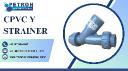
In modern industrial piping systems, maintaining clean and uninterrupted fluid flow is critical for operational efficiency, equipment protection, and long-term system reliability. Contaminants such as debris, scale, rust particles, and sediments can severely impact pumps, valves, meters, and other sensitive components. This is where CPVC Y strainers play a vital role.
Designed for durability, corrosion resistance, and high-performance filtration, CPVC Y strainers have become an essential component in chemical processing plants, water treatment facilities, HVAC systems, pharmaceutical units, and various industrial fluid handling applications. This blog explores how CPVC Y strainers ensure clean flow, their advantages, applications, and why they are a preferred choice for demanding industrial environments.
A CPVC Y strainer is a mechanical filtration device installed in pipelines to remove unwanted solid particles from liquids. The strainer is named after its “Y” shaped body, which allows contaminants to settle in a removable screen without significantly restricting flow.
Manufactured using Chlorinated Polyvinyl Chloride (CPVC), these strainers are specially designed to withstand corrosive chemicals, high temperatures, and pressure conditions commonly found in industrial systems. Unlike metal strainers, CPVC Y strainers do not corrode, scale, or react with aggressive fluids, ensuring consistent performance over time.
Unfiltered fluid flow can introduce solids that damage equipment and disrupt processes. Even small particles can cause:
By installing CPVC Y strainers at critical points in the pipeline, industries can protect downstream equipment, improve operational efficiency, and ensure smooth, uninterrupted fluid flow.
CPVC material offers outstanding resistance to acids, alkalis, salts, and aggressive chemicals. This makes CPVC Y strainers ideal for chemical handling and corrosive fluid applications where metal strainers may fail.
CPVC Y strainers can handle higher operating temperatures compared to standard PVC, making them suitable for hot water lines, chemical processing, and industrial fluid transfer systems.
The smooth bore of CPVC minimizes pressure loss and prevents material buildup, ensuring continuous and efficient fluid flow.
The Y-type design allows easy access to the filter screen for cleaning or replacement without dismantling the entire piping system, reducing downtime.
CPVC Y strainers are significantly lighter than metal alternatives, simplifying installation and reducing stress on pipeline supports while maintaining high mechanical strength.
Reliable Filtration Performance
CPVC Y strainers efficiently trap debris, rust particles, and solid contaminants before they enter critical equipment, ensuring cleaner fluid flow.
Longer Equipment Life
By preventing solids from reaching pumps, valves, heat exchangers, and meters, CPVC Y strainers significantly extend equipment lifespan.
Reduced Maintenance Costs
With fewer breakdowns and blockages, industries benefit from lower maintenance expenses and minimized operational disruptions.
Chemical Compatibility
CPVC Y strainers are compatible with a wide range of industrial chemicals, making them suitable for multiple applications across industries.
Cost-Effective Solution
Compared to metal strainers, CPVC Y strainers offer a cost-effective alternative without compromising on performance or durability.
Chemical Processing Plants
In chemical industries, fluid purity is critical. CPVC Y strainers protect pumps, reactors, and control valves from particulate contamination while handling corrosive chemicals safely.
Water Treatment & Desalination
CPVC Y strainers are widely used in water treatment plants to remove suspended solids and prevent damage to downstream filtration equipment.
Pharmaceutical & Food Processing
For processes requiring clean and contamination-free fluid transfer, CPVC Y strainers provide reliable filtration without reacting with process media.
HVAC & Cooling Systems
In HVAC systems, CPVC Y strainers prevent debris from entering chillers, boilers, and heat exchangers, ensuring efficient heat transfer and system longevity.
Industrial Manufacturing Units
Manufacturing facilities rely on CPVC Y strainers for smooth fluid circulation in process pipelines, cooling lines, and chemical dosing systems.
A standard CPVC Y strainer consists of:
The angled Y-design ensures minimal pressure drop while effectively separating contaminants from the fluid stream.
|
Feature |
CPVC Y Strainer |
Metal Y Strainer |
|
Corrosion Resistance |
Excellent |
Moderate to Low |
|
Weight |
Lightweight |
Heavy |
|
Chemical Compatibility |
High |
Limited |
|
Maintenance |
Low |
High |
|
Cost |
Economical |
Expensive |
|
Scaling & Rust |
None |
Common |
To ensure optimal performance of CPVC Y strainers:
Proper installation enhances filtration efficiency and prolongs strainer life.
Petron Thermoplast is a trusted manufacturer and supplier of industrial CPVC piping components, delivering high-quality solutions for demanding applications. Our CPVC Y strainers are engineered to meet international standards and industrial performance expectations.
What Sets Petron Thermoplast Apart:
With a strong focus on quality, durability, and customer satisfaction, Petron Thermoplast ensures filtration solutions that support uninterrupted industrial operations.
CPVC Y strainers are a crucial component for maintaining clean and uninterrupted fluid flow in industrial piping systems. Their corrosion resistance, high-temperature performance, ease of maintenance, and cost-effectiveness make them an ideal choice for industries handling aggressive and high-purity fluids.
By investing in high-quality CPVC Y strainers, industries can protect equipment, reduce downtime, and enhance overall system efficiency. When sourced from a trusted manufacturer like Petron Thermoplast, CPVC Y strainers deliver long-term reliability and consistent filtration performance across diverse industrial applications.
In today’s rapidly evolving industrial landscape, piping systems play a critical role in ensuring safe, efficient, and uninterrupted operations. From chemical processing plants to water treatment facilities and large-scale infrastructure projects, the choice of pipe fittings directly impacts system reliability and long-term performance. Among the various material options available, UPVC pipe fittings have emerged as the preferred choice for industrial buyers worldwide due to their durability, corrosion resistance, cost efficiency, and proven performance across diverse applications.
This blog explores why UPVC pipe fittings continue to gain global acceptance and why industrial buyers trust them for both standard and mission-critical piping systems.
UPVC (Unplasticized Polyvinyl Chloride) is a rigid thermoplastic material widely used in industrial piping systems. Unlike plasticized PVC, UPVC does not contain added plasticizers, making it stronger, more chemically resistant, and suitable for demanding industrial environments.
UPVC pipe fittings include a wide range of components such as elbows, tees, reducers, couplers, unions, flanges, crosses, and adaptors. These fittings are designed to create leak-free, reliable connections in pipelines carrying water, chemicals, and other industrial fluids.
One of the biggest reasons for the global popularity of UPVC pipe fittings is their outstanding resistance to corrosion. Unlike metal fittings, UPVC does not rust, oxidize, or degrade when exposed to moisture, chemicals, or aggressive environments.
Industrial buyers operating in chemical plants, electroplating units, and wastewater treatment facilities rely on UPVC fittings to handle acids, alkalis, salts, and corrosive fluids without compromising performance. This corrosion resistance significantly extends system life and reduces replacement costs.
UPVC pipe fittings are known for their long operational life, even under continuous-duty conditions. When properly installed, UPVC systems can last for decades with minimal maintenance.
For industrial buyers managing large-scale facilities, low maintenance requirements translate into:
This makes UPVC fittings a cost-effective solution over the entire lifecycle of an industrial piping system.
Cost is a key consideration for industrial buyers, especially for large infrastructure and EPC projects. UPVC pipe fittings offer an excellent balance between performance and affordability.
Compared to metal or specialty polymer alternatives, UPVC fittings are:
These advantages make UPVC pipe fittings a preferred option for projects requiring both quality and budget control.
UPVC pipe fittings are significantly lighter than metal fittings, which simplifies handling and installation on-site. This is particularly beneficial for large industrial projects where thousands of fittings may be installed.
Key installation benefits include:
Industrial buyers value UPVC fittings for helping projects stay on schedule without compromising installation quality.
Despite being lightweight, UPVC pipe fittings offer excellent mechanical strength. They are designed to withstand internal pressure, external loads, and mechanical stress commonly encountered in industrial environments.
High-quality UPVC fittings are manufactured with precise dimensions and uniform wall thickness, ensuring:
This makes them suitable for both utility lines and process pipelines.
UPVC pipe fittings are used across multiple industries, which further strengthens their global acceptance.
Chemical & Process Industries
UPVC fittings are ideal for transporting corrosive chemicals, process water, and treatment solutions. Their chemical resistance and leak-free performance make them a trusted choice for process plants.
Water & Wastewater Treatment
From raw water intake to effluent discharge, UPVC pipe fittings support efficient fluid handling in water treatment plants, desalination facilities, and sewage systems.
Power Plants & Utilities
UPVC fittings are commonly used in cooling water lines, utility pipelines, and chemical dosing systems within power generation facilities.
Infrastructure & EPC Projects
EPC contractors worldwide prefer UPVC pipe fittings for infrastructure and industrial construction projects due to ease of installation, consistency, and long-term reliability.
Global Standards and Quality Compliance
Industrial buyers worldwide look for products that comply with international quality standards. Reputable manufacturers produce UPVC pipe fittings that meet recognized norms such as:
These standards ensure dimensional accuracy, pressure rating compliance, and material consistency—critical factors for global buyers working on export and multinational projects.
Leak-Free Performance and System Safety
Leakage in industrial piping systems can result in production loss, safety hazards, and environmental damage. UPVC pipe fittings are designed to provide secure and leak-proof joints when installed correctly.
Solvent cement joints create a strong chemical bond, while threaded and flanged connections offer flexibility for maintenance and system expansion. This reliability enhances overall system safety and buyer confidence.
Sustainability and Environmental Benefits
Sustainability is becoming increasingly important for industrial buyers worldwide. UPVC pipe fittings support environmentally responsible operations by offering:
By choosing UPVC, industries contribute to reduced resource consumption and more sustainable infrastructure development.
While UPVC as a material offers many advantages, the quality of manufacturing plays a crucial role in performance. Global industrial buyers prefer sourcing UPVC pipe fittings from experienced manufacturers who provide:
Partnering with a trusted manufacturer ensures that fittings perform as expected across different operating conditions and project scales.
UPVC pipe fittings continue to see growing demand in regions such as the Middle East, Africa, Southeast Asia, and Europe. Rapid industrialization, infrastructure expansion, and water management projects have driven the need for reliable and cost-effective piping solutions.
Industrial buyers in these regions value UPVC fittings for their adaptability to harsh climates, chemical exposure, and continuous operation requirements.
The global preference for UPVC pipe fittings is driven by a combination of performance, durability, cost efficiency, and versatility. From chemical processing plants to large infrastructure projects, Petron Thermoplast deliver reliable service while helping industrial buyers control costs and minimize maintenance.
As industries worldwide continue to expand and modernize their piping networks, UPVC pipe fittings remain a trusted and proven solution. By choosing high-quality fittings from experienced manufacturers, industrial buyers can ensure safe, efficient, and long-lasting piping systems that meet both current and future operational demands.
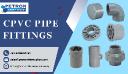
Industrial plant expansion projects demand careful planning, reliable materials, and long-term performance assurance. As industries scale up operations to meet growing demand, the selection of piping systems becomes a critical decision that directly impacts safety, efficiency, and lifecycle costs. Among modern thermoplastic piping solutions, CPVC Pipe Fittings have emerged as one of the best choices for industrial plant expansion projects.
With excellent chemical resistance, high temperature tolerance, and proven durability, CPVC pipe fittings support seamless integration into existing systems while meeting the rigorous demands of expanded industrial operations.
Plant expansion projects often involve:
In such scenarios, traditional metal piping systems can face challenges like corrosion, scaling, and high maintenance costs. CPVC pipe fittings provide a reliable alternative that aligns with the performance and cost objectives of modern industrial expansions.
CPVC (Chlorinated Polyvinyl Chloride) pipe fittings are manufactured from an advanced thermoplastic material created by chlorinating PVC resin. This process enhances the material’s temperature resistance, chemical compatibility, and mechanical strength.
CPVC fittings are designed to connect pipes and manage direction changes, branching, and transitions within industrial piping systems. Common CPVC fittings include elbows, tees, reducers, couplers, unions, and flanges.
Industrial expansions often introduce higher process temperatures. CPVC pipe fittings can handle significantly higher operating temperatures than standard UPVC, making them suitable for:
This thermal stability ensures consistent performance without deformation or loss of strength.
CPVC pipe fittings offer outstanding resistance to a wide range of chemicals, including:
Unlike metal fittings, CPVC does not rust or corrode, eliminating common failure points and ensuring long-term reliability in aggressive industrial environments.
Plant expansions often require new piping to integrate seamlessly with existing infrastructure. CPVC pipe fittings provide:
This simplifies installation and reduces downtime during expansion activities.
Smooth Flow & Low Pressure Loss
The smooth internal surface of CPVC pipe fittings minimizes friction losses, improving flow efficiency and reducing energy consumption in pumps and process systems. This is especially beneficial in expanded plants with longer pipeline runs.
Lightweight & Easy Handling
Compared to metal fittings, CPVC fittings are lightweight, which:
This advantage becomes critical in large-scale expansion projects where thousands of fittings may be installed.
Low Maintenance & Long Service Life
CPVC pipe fittings require minimal maintenance due to their corrosion-free nature. Their long service life reduces replacement frequency, helping industries achieve lower total cost of ownership over the plant’s lifecycle.
CPVC pipe fittings are widely used across various sections of expanding industrial facilities:
Chemical Processing Units
Handling corrosive chemicals safely with reliable flow control.
Utility & Service Lines
Hot water, cooling systems, and chemical utility pipelines.
Manufacturing & Production Lines
Supporting continuous operations with minimal downtime.
Effluent & Wastewater Systems
Resistant to treated wastewater and chemical effluents.
Corrosion Resistance
Metal fittings are vulnerable to corrosion in chemical environments, whereas CPVC fittings remain unaffected.
Installation Speed
CPVC fittings are faster and easier to install than welded or threaded metal systems.
Maintenance Costs
CPVC systems require significantly less maintenance, reducing operational costs.
Lifecycle Value
Longer service life and lower maintenance make CPVC fittings a cost-effective solution for expansion projects.
Engineering, Procurement, and Construction (EPC) contractors play a key role in industrial expansions. CPVC pipe fittings are often specified because they offer:
These factors help EPC contractors deliver projects on time and within budget.
Industrial expansion across the Middle East is driven by investments in chemicals, water treatment, power, and manufacturing. CPVC pipe fittings are particularly suitable for these projects due to:
This makes CPVC fittings a preferred choice for export-oriented industrial projects.
Petron Thermoplast is a trusted manufacturer and supplier of industrial-grade CPVC pipe fittings, supporting industrial plant expansion projects across India and international markets.
Premium Raw Materials
Manufactured using high-quality CPVC resin for superior thermal and chemical performance.
Precision Manufacturing
Advanced molding processes ensure accurate dimensions and consistent quality.
Wide Product Range
Complete range of CPVC fittings to meet complex industrial piping requirements.
Export-Ready Quality
Designed to meet international standards for global project execution.
Proven Industrial Reliability
Trusted by EPC contractors and industrial clients for demanding applications.
Supporting Safety & Sustainability
CPVC pipe fittings enhance plant safety by minimizing leakage risks and corrosion-related failures. Their durability and low maintenance requirements also support sustainable operations by reducing material waste and frequent replacements.
As industries continue to modernize and expand, demand for high-performance thermoplastic piping systems will grow. CPVC pipe fittings offer the ideal balance of performance, safety, and cost efficiency, making them a future-ready solution for industrial plant expansions.
The best CPVC pipe fittings for industrial plant expansion projects provide reliable performance, excellent chemical resistance, high temperature tolerance, and long-term value. Their ease of installation, low maintenance, and compatibility with modern industrial systems make them an ideal choice for growing facilities.
By choosing Petron Thermoplast CPVC Pipe Fittings, industries and EPC contractors gain access to high-quality, export-ready solutions that support safe, efficient, and scalable plant expansion. For industrial growth projects where reliability matters, CPVC pipe fittings remain a proven and trusted solution.
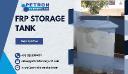
Global chemical projects demand storage solutions that meet the highest standards of safety, durability, and performance. Whether it is a large-scale chemical plant, water treatment facility, or industrial processing unit, storage tanks play a critical role in ensuring smooth and safe operations. In this context, export quality FRP storage tanks for chemical projects have emerged as a preferred solution for EPC contractors, project developers, and industrial operators worldwide.
Designed to withstand aggressive chemicals, harsh environmental conditions, and long-term industrial use, FRP (Fiber Reinforced Plastic) storage tanks offer an ideal balance of strength, corrosion resistance, and cost efficiency for export-oriented chemical projects.
Chemical projects executed for international markets must comply with stringent quality, safety, and performance requirements. Export quality tanks are not just about transportation—they reflect a commitment to:
FRP storage tanks fulfill these requirements, making them a trusted choice for chemical projects across the Middle East, Africa, Southeast Asia, and other global markets.
FRP storage tanks are manufactured using a combination of resin systems and high-strength fibers such as glass fiber. This composite construction results in tanks that are lightweight yet extremely strong, with excellent resistance to corrosion and chemical attack.
FRP tanks can be custom-designed in various shapes, capacities, and configurations to suit specific chemical storage and process requirements, making them ideal for complex chemical projects.
FRP storage tanks offer excellent resistance to a wide range of chemicals, including acids, alkalis, salts, and industrial effluents. By selecting the appropriate resin system, FRP tanks can be tailored for specific chemical compatibility.
Unlike steel or metal tanks, FRP tanks do not rust, corrode, or scale. This corrosion-free nature significantly reduces maintenance costs and ensures consistent performance over long periods.
FRP tanks provide high structural strength while remaining lightweight. This makes them easier to transport, install, and commission, especially for export chemical projects.
Designed for durability, FRP storage tanks offer extended service life even under continuous chemical exposure and harsh operating conditions.
Export quality FRP storage tanks are manufactured under strict quality control processes to ensure consistent performance and safety. These include:
Such quality assurance is essential for international chemical projects where reliability and compliance are non-negotiable.
Chemical Manufacturing Plants
FRP storage tanks are widely used to store raw chemicals, intermediates, and finished products in chemical manufacturing facilities.
Acid & Alkali Storage
Thanks to their corrosion resistance, FRP tanks are ideal for storing sulfuric acid, hydrochloric acid, caustic soda, and other aggressive chemicals.
Water & Wastewater Treatment
In chemical treatment systems, FRP storage tanks safely store coagulants, disinfectants, and treatment chemicals.
Process & Utility Systems
FRP tanks serve as buffer, holding, and process tanks in continuous industrial operations.
High-quality FRP storage tanks for chemical projects incorporate advanced design and engineering features, such as:
These features ensure safe operation, ease of maintenance, and long-term reliability.
FRP vs Steel Tanks
Steel tanks are susceptible to corrosion and often require linings or coatings. FRP tanks eliminate these issues, offering lower maintenance and longer service life.
FRP vs Plastic Tanks (HDPE / PP)
While plastic tanks are corrosion resistant, FRP tanks provide higher structural strength and are better suited for large-capacity chemical storage.
FRP vs Concrete Tanks
Concrete tanks are heavy, difficult to transport, and prone to chemical attack. FRP tanks offer superior chemical resistance and easier installation.
EPC contractors prefer export quality FRP storage tanks because they offer:
These benefits help contractors meet tight project schedules and quality expectations.
FRP storage tanks are easy to install due to their lightweight construction. They require minimal on-site assembly and can be quickly commissioned.
Maintenance benefits include:
These advantages make FRP tanks ideal for long-term chemical storage solutions.
Safety and Environmental Considerations
Safety is a critical factor in chemical projects. FRP storage tanks help enhance safety by:
Their non-corrosive nature also minimizes environmental impact over the tank’s lifecycle.
Sustainability & Lifecycle Cost Benefits
Export quality FRP storage tanks support sustainable industrial practices by:
The lower total cost of ownership makes FRP tanks a smart long-term investment for chemical projects.
Petron Thermoplast is a trusted manufacturer and supplier of export quality FRP storage tanks for chemical projects. With extensive experience in industrial thermoplastics and composite fabrication, Petron Thermoplast delivers reliable storage solutions for domestic and international markets.
Key advantages include:
Export quality FRP storage tanks for chemical projects are essential for ensuring safe, efficient, and long-lasting chemical storage across global industrial markets. Their superior chemical resistance, corrosion-free performance, structural strength, and adaptability make them an ideal solution for modern chemical projects.
As international chemical infrastructure continues to expand, FRP storage tanks will remain a preferred choice for reliable and sustainable chemical storage. By partnering with an experienced manufacturer like Petron Thermoplast, project owners and EPC contractors can ensure quality, compliance, and long-term value for their chemical storage requirements.