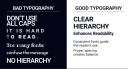
Typography influences brand perception more than many businesses realize. Before customers read your message, they subconsciously react to how it looks. Fonts communicate tone, professionalism, trust, creativity, and authority within seconds. That is why choosing the wrong typography can quietly damage credibility, especially in competitive industries where first impressions matter. Understanding fonts that harm brand identity is not about following design trends blindly — it is about ensuring visual communication aligns with business goals.
Many companies invest heavily in logos, websites, and advertising campaigns while overlooking typography consistency entirely. In practice, what often happens is that businesses select fonts based on personal preference rather than audience psychology, readability, or brand positioning. Companies working with a professional graphic design agency often discover that typography decisions directly affect user trust, conversion behavior, and overall visual identity consistency.
As digital branding continues evolving across websites, apps, and social platforms, typography choices increasingly influence both user experience and marketing effectiveness. Discussions around modern digital branding and mobile-first user experience trends also reinforce how design consistency shapes audience perception across every touchpoint.
Why Fonts Matter More Than Businesses Think
Fonts are not simply decorative elements. They influence how people interpret information emotionally and psychologically.
Typography affects perceptions of:
- Professionalism
- Trustworthiness
- Creativity
- Luxury
- Simplicity
- Authority
- Modernity
Based on how this typically works, users make rapid judgments about businesses before reading substantial content. Poor typography can unintentionally create confusion, inconsistency, or even distrust.
A common mistake businesses make is assuming customers consciously notice typography decisions. Most reactions happen subconsciously, which makes font selection even more important.
1. Overused Generic Fonts
Some fonts become so overused that they lose distinctiveness entirely.
Examples often include:
- Arial
- Times New Roman
- Calibri
- Verdana
These fonts are functional but rarely memorable. While they may work in internal documents, they often fail to create strong brand identity differentiation.
It is worth noting that simplicity itself is not the issue. Many successful brands use clean typography effectively. The problem arises when fonts feel default, outdated, or disconnected from brand personality.
2. Comic Sans
Comic Sans remains one of the most criticized fonts in branding discussions for a reason.
Originally designed for informal communication, it often undermines professionalism when used in corporate branding, financial services, healthcare, or technology industries.
In practice, what often happens is that businesses choose playful fonts to appear “friendly,” but the result may feel amateurish rather than approachable.
That said, context matters. Comic Sans may still work appropriately in children’s education, casual event materials, or playful niche branding when intentionally aligned with audience expectations.
3. Difficult-to-Read Script Fonts
Elegant script fonts can appear sophisticated at first glance, but readability often becomes a major issue.
Overly decorative cursive fonts may create problems in:
- Mobile viewing
- Website navigation
- Logo scalability
- Social media graphics
- Small-screen readability
Based on how this typically works, readability should almost always take priority over decoration in digital branding.
A common mistake businesses make is choosing highly stylized fonts because they “look premium” without testing how users actually interact with them.
4. Excessively Thin Fonts
Ultra-thin typography became popular in minimalist design trends, particularly in luxury and tech branding.
However, thin fonts can create accessibility and readability problems, especially on mobile devices or lower-resolution screens.
Users may struggle with:
- Small text visibility
- Low contrast
- Eye strain
- Poor readability in bright environments
It is worth noting that minimalism works best when usability remains strong. Elegant typography should still be functional across devices and audiences.
5. Trendy Fonts That Age Quickly
Some fonts explode in popularity because they reflect temporary design trends.
The challenge is that trendy typography may start looking outdated surprisingly fast.
Examples often include:
- Overly futuristic fonts
- Experimental display fonts
- Viral social media typography styles
In practice, what often happens is that businesses redesign branding repeatedly because their typography lacks long-term flexibility.
Timeless typography usually provides better long-term brand consistency than aggressively trend-driven design choices.
6. Fonts That Clash With Brand Personality
Typography must align with brand positioning.
For example:
- A law firm using playful bubble fonts may appear less trustworthy
- A luxury brand using casual typography may lose sophistication
- A tech startup using outdated serif fonts may feel less innovative
Based on how this typically works, successful typography reinforces the emotional tone a business wants customers to associate with its brand.
A common mistake businesses make is selecting fonts they personally like instead of evaluating whether the typography supports strategic brand perception.
7. Overly Decorative Display Fonts
Display fonts can attract attention, but they are often difficult to scale across multiple platforms.
These fonts may create problems when used excessively in:
- Website body text
- Long paragraphs
- Mobile interfaces
- Navigation menus
Decorative typography works best selectively — usually in headlines or campaign graphics rather than core readability areas.
It is worth noting that strong branding usually balances visual personality with usability.
8. Poor Font Pairing Choices
Even good fonts can become problematic when paired poorly.
Common pairing issues include:
- Clashing styles
- Inconsistent hierarchy
- Similar-looking fonts competing visually
- Too many font families on one page
In practice, what often happens is that businesses overload websites with multiple typography styles in an attempt to look creative, but the result feels chaotic and inconsistent.
Most professional brand systems use limited, carefully coordinated font combinations.
9. All Caps Overuse
ALL CAPS can create emphasis, but overusing it may hurt readability and create an aggressive visual tone.
Large blocks of uppercase text are harder to scan, particularly on mobile devices.
This can affect:
- User engagement
- Website readability
- Accessibility
- Conversion rates
Based on how this typically works, strategic emphasis is more effective than constant visual shouting.
10. Low-Contrast Typography
Typography design involves more than font selection alone. Color contrast matters significantly as well.
Light gray text on white backgrounds may appear modern but often creates readability challenges.
A common mistake businesses make is prioritizing aesthetic minimalism over accessibility and user comfort.
Poor contrast can negatively affect:
- Mobile usability
- Older audiences
- Accessibility compliance
- Reading retention
It is worth noting that accessible typography often improves overall user experience for everyone.
Typography and Mobile Experience
Typography choices now directly affect mobile performance.
Mobile-first design requires fonts that:
- Scale properly
- Remain readable on small screens
- Load efficiently
- Maintain clarity across devices
In practice, what often happens is that desktop-focused typography breaks down on smartphones, creating awkward spacing and difficult navigation.
As mobile traffic continues dominating digital experiences, typography flexibility becomes increasingly important.
Fonts and Brand Trust
Typography influences trust more than many businesses realize.
Clean, readable, well-structured typography often signals:
- Professionalism
- Stability
- Credibility
- Attention to detail
Poor typography, on the other hand, may subconsciously suggest inconsistency or lack of professionalism.
Based on how this typically works, users often associate visual polish with operational reliability — even before direct interaction with the business itself.
How to Choose Better Brand Fonts
Strong typography decisions usually start with brand clarity.
Businesses should evaluate:
- Target audience
- Industry expectations
- Brand personality
- Platform usage
- Accessibility needs
- Scalability across devices
For example:
- Sans-serif fonts often feel modern and digital-friendly
- Serif fonts may communicate authority or tradition
- Minimal typography usually supports clean UX design
There is no universally “perfect” font. The best choice depends on context and strategic alignment.
When Businesses Should Seek Professional Design Help
Professional typography guidance becomes especially valuable when businesses:
- Rebrand digitally
- Launch new websites
- Expand nationally
- Create visual identity systems
- Struggle with inconsistent branding
- Improve conversion-focused design
A common mistake businesses make is treating typography as a small visual detail rather than a core part of brand communication strategy.
Final Thoughts
Typography quietly shapes how customers perceive businesses long before they evaluate products or services directly. Fonts influence professionalism, readability, emotional tone, and trust — which is why poor font choices can weaken brand identity without businesses fully realizing it.
Avoiding fonts that harm brand perception does not mean following rigid design rules or chasing trends endlessly. Instead, it involves choosing typography that supports clarity, consistency, usability, and long-term brand positioning.
Most importantly, effective typography balances aesthetics with function. Businesses that prioritize readable, intentional, audience-focused typography are often better positioned to create stronger user experiences, stronger credibility, and more memorable digital branding over time.