


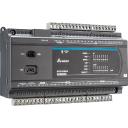
Automation is no longer optional in modern manufacturing; it’s essential for efficiency, consistency, and scalability. One of the key technologies driving this shift is the Delta PLC (Programmable Logic Controller).
Known for reliability and flexibility, Delta PLC systems are widely used across industries to streamline operations and reduce manual dependency.
If you’re exploring automation solutions, understanding where and how Delta PLC is applied can help you make more informed decisions for your production setup.
A Delta PLC is an industrial control system designed to automate machines and processes. It receives input signals from sensors, processes the data based on programmed logic, and controls outputs such as motors, valves, and actuators.
What makes Delta PLC particularly useful in manufacturing is its ability to:
This allows manufacturers to maintain consistent production quality while improving overall efficiency.
One of the most common applications of Delta PLC is in automated production lines.
In manufacturing environments, multiple processes need to work in sync, from material feeding to assembly and packaging. Delta PLC ensures that each step happens at the right time and in the correct sequence.
For example, in an assembly line, the PLC can control conveyor belts, robotic arms, and sensors simultaneously. This reduces human error and ensures smooth workflow, especially in high-volume production setups.

Precision is critical in manufacturing, and even small errors can lead to material waste or product defects.
Delta PLC systems provide accurate control over machinery by constantly monitoring inputs and adjusting outputs in real time. Whether it’s controlling temperature, pressure, or speed, the PLC ensures that operations stay within defined parameters.
This level of control improves product quality and reduces the chances of inconsistencies.
Packaging is another area where Delta PLC plays a significant role.
From filling and sealing to labeling and sorting, PLC systems automate repetitive tasks with speed and accuracy. They also help coordinate different machines involved in the packaging process, ensuring everything runs smoothly.
In material handling, Delta PLC controls systems like conveyors, lifts, and automated storage units. This reduces manual labour and improves efficiency in moving goods across the facility.
Manufacturers today are not just focused on output; they also want to reduce operational costs.
Delta PLC helps optimize energy usage by controlling when and how machines operate. For instance, it can shut down idle equipment or adjust motor speeds based on load requirements.
Over time, this leads to significant energy savings and lower production costs, making operations more sustainable.
Modern manufacturing is moving towards smart factories, where systems are interconnected and data-driven.
Delta PLC can integrate with Industrial IoT (IIoT) platforms, allowing real-time monitoring and data analysis. This enables manufacturers to:
With this level of insight, decision-making becomes faster and more accurate.
Unexpected machine breakdowns can disrupt production and lead to losses.
Delta PLC systems help minimize downtime by enabling predictive maintenance. They can detect irregularities in machine performance and alert operators before a failure occurs.
This proactive approach helps maintain continuous production and reduces costly interruptions.
One of the strengths of Delta PLC is its adaptability.
It is used across various manufacturing sectors, including:
Each industry has different requirements, but Delta PLC can be customized to suit specific processes and operational needs.
Manufacturers choose Delta PLC not just for automation, but for its long-term value.
It offers:
This makes it a practical choice for both small-scale and large-scale manufacturing units.
The role of Delta PLC in manufacturing industries continues to grow as businesses move towards smarter, more efficient operations.
From production line automation to energy optimisation and real-time monitoring, its applications are wide-ranging and impactful.
If you’re looking to implement or upgrade automation systems, working with the right technology partner is essential.
Luova provides advanced industrial automation solutions, helping manufacturers integrate Delta PLC systems effectively and improve productivity with reliable, future-ready setups.
Selecting the right supplier is not just about buying a product. It directly affects performance, reliability, and long-term efficiency of your system. This becomes even more important when dealing with equipment like Variable Frequency Drives.
VFDs play a critical role in controlling motor speed, reducing energy consumption, and improving overall system performance. But even the best VFD will not deliver expected results if it comes from an unreliable supplier.
Many businesses search for VFD suppliers in Ahmedabad and choose based on price or availability. However, the right approach is to evaluate multiple factors before making a decision.
Choosing the right supplier ensures not only product quality but also proper support, guidance, and long-term reliability.
The first and most important factor is product quality.
A reliable supplier provides VFDs that meet industry standards and are tested for performance and durability. Poor-quality products may work initially but often lead to failures, downtime, and higher maintenance costs.
Quality is not just about the product itself. It also reflects in how consistently the supplier delivers performance across different applications.
Choosing a supplier who focuses on quality ensures stability and long-term efficiency.
Every application has different requirements.
A good supplier offers a wide range of VFD options suitable for various industries and load conditions. This flexibility helps in selecting the right product for your specific need instead of adjusting your system to fit a limited option.
Compatibility is equally important. The VFD should match your motor specifications, load type, and operational requirements.
Suppliers who understand these technical aspects can guide you better in choosing the right solution.

VFD selection and installation require proper technical understanding.
A reliable supplier does not just sell the product. They provide guidance on selection, installation, and operation. This support is crucial, especially for complex systems.
Technical expertise helps in avoiding common mistakes such as incorrect sizing, improper configuration, or inefficient setup.
Suppliers with strong technical knowledge add value beyond just supplying equipment.
Support after purchase is often overlooked but extremely important.
VFDs are long-term components, and issues may arise during operation. A good supplier provides timely support for troubleshooting, maintenance, and repairs.
Lack of after-sales service can lead to delays and operational losses.
Choosing a supplier who offers reliable support ensures that your system continues to run smoothly without unnecessary downtime.
Timely availability is another key factor.
Delays in delivery can affect project timelines and disrupt operations. A dependable supplier maintains proper inventory and ensures quick delivery when required.
Consistency in supply is important, especially for businesses that rely on continuous operations.
A supplier who can meet deadlines adds reliability to your workflow.
Different industries have different needs.
A supplier who understands your application can recommend better solutions. Whether it is for industrial automation, HVAC systems, or manufacturing units, the right configuration matters.
Customization ensures that the VFD performs efficiently within your specific setup.
Suppliers who take time to understand your requirement provide more accurate and effective solutions.
Price is an important factor, but it should not be the only deciding point.
Low-cost products may seem attractive initially but can lead to higher expenses in maintenance and replacements.
It is better to focus on value rather than just price. A slightly higher investment in a reliable product often results in better performance and lower long-term costs.
Balancing cost with quality ensures a smarter decision.
A supplier’s reputation reflects their reliability.
Experienced suppliers have a better understanding of industry requirements and challenges. They are more likely to provide consistent quality and dependable service.
Checking experience, past projects, and client feedback helps in evaluating credibility.
A well-established supplier reduces risk and builds trust.
Electrical equipment must meet safety standards.
A reliable VFD supplier ensures that their products comply with necessary certifications and safety regulations. This reduces risks and ensures smooth integration into your system.
Ignoring this factor can lead to operational issues and safety concerns.
Compliance is essential for both performance and protection.
Clear communication makes the entire process smoother.
A good supplier is responsive, transparent, and easy to work with. They provide clear information about products, timelines, and support.
Poor communication can lead to misunderstandings and delays.
Choosing a supplier who communicates effectively ensures better coordination and overall experience.
Choosing the right VFD supplier is a decision that impacts performance, efficiency, and long-term reliability. It is not just about selecting a product, but about choosing a partner who understands your requirements and supports your system.
Factors like product quality, technical expertise, support, and reliability play a key role in making the right choice.
If you are looking for dependable VFD suppliers in Ahmedabad, you can explore luova.in for solutions that combine quality, performance, and professional support tailored to your needs.