


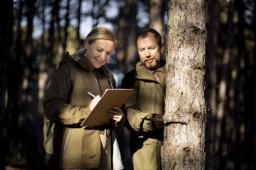
Description: Discover how Vermont timber management services help landowners maintain healthy forests, support biodiversity, and sustain long-term ecological and economic value.
Vermont's forests cover more than 4.5 million acres, making the state one of the most heavily forested in the entire United States. Managing these woodlands responsibly is not simply a matter of harvesting trees — it involves a careful, science-based approach to maintaining ecological balance, supporting wildlife habitats, and ensuring that forests remain productive for generations to come. Vermont timber management services play a central role in this ongoing effort.
What Vermont Timber Management Services Involve
Timber management in Vermont encompasses a wide range of activities carried out by trained forestry professionals. At its core, the practice involves assessing the current condition of a forest, identifying timber resources, and developing a management plan tailored to the landowner's goals. These goals may include improving forest health, generating sustainable income from timber harvests, wildlife habitat enhancement, or a combination of all three.
A typical management process begins with a forest inventory, where professionals evaluate tree species, age, density, and overall stand structure. Based on this data, a written forest management plan is developed. This plan outlines recommended treatments such as selective harvesting, thinning, or invasive species control — all aimed at improving long-term forest vitality.
Why Timber Management Matters in Vermont
Vermont's forests are a complex ecosystem that supports hundreds of species of plants, birds, mammals, and insects. Without active management, forests can become overcrowded, reducing sunlight penetration and limiting the growth of younger trees. Poorly structured stands are also more vulnerable to wind damage, disease, and pest infestations such as the emerald ash borer.
Vermont timber management services address these issues directly. By removing low-quality or diseased trees, forests become more resilient and diverse. Managed forests tend to have a healthier mix of age classes and species, which directly benefits wildlife that depend on varied forest structures for nesting, feeding, and shelter.
Regulatory Framework and Certification in Vermont
Vermont has established guidelines to ensure that timber harvesting is conducted responsibly. The Use Value Appraisal (Current Use) Program encourages landowners to keep forest land in active, long-term management by offering property tax benefits in exchange for following approved management plans. Additionally, many Vermont foresters work under certification programs such as the American Tree Farm System or the Forest Stewardship Council, which set rigorous standards for sustainable forest management.
Working with a licensed consulting forester ensures that any timber operation complies with Vermont's logging regulations, including the Acceptable Management Practices (AMPs) for maintaining water quality during forestry operations.
Long-Term Benefits for Landowners and Communities
Beyond ecological gains, well-managed forests provide tangible economic returns. Selective harvests conducted under a professional management plan can generate income while preserving the long-term timber base. Healthy forests also contribute to clean water, carbon sequestration, and recreational opportunities — benefits that extend well beyond individual land parcels to Vermont communities as a whole.
Vermont timber management services represent a thoughtful intersection of ecological stewardship and practical land use, supporting forests that are both productive and resilient for the future.
| No comments yet. Be the first. |

