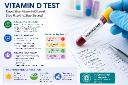
Vitamin D is an essential nutrient that plays a crucial role in maintaining overall health. It helps the body absorb calcium, supports strong bones and teeth, strengthens the immune system, and contributes to proper muscle function. Despite its importance, vitamin D deficiency is common worldwide due to limited sun exposure, dietary habits, and certain medical conditions. A Vitamin D Test is a simple blood test that measures the level of vitamin D in your body and helps identify deficiencies or excess levels.
What Is a Vitamin D Test?
A Vitamin D Test is a laboratory examination used to determine the amount of vitamin D in the bloodstream. The most common test measures 25-hydroxy vitamin D [25(OH)D], which is considered the best indicator of vitamin D status. This test helps healthcare professionals assess whether a person has adequate, insufficient, or deficient vitamin D levels.
The procedure involves drawing a small sample of blood from a vein, usually in the arm. The sample is then analyzed in a laboratory, and results are generally available within a short period.
Why Is a Vitamin D Test Important?
Vitamin D is essential for maintaining healthy bones and overall well-being. A deficiency can lead to various health issues, including weakened bones, muscle weakness, fatigue, and an increased risk of fractures. In children, severe deficiency can cause rickets, while in adults, it may lead to osteomalacia or osteoporosis.
A Vitamin D Test is important because it helps detect low levels before serious health complications develop. It also helps healthcare providers monitor the effectiveness of vitamin D supplements and treatment plans.
Who Should Get a Vitamin D Test?
Healthcare professionals may recommend a Vitamin D Test for individuals who:
- Experience bone pain or frequent fractures
- Have muscle weakness or chronic fatigue
- Have limited exposure to sunlight
- Follow strict vegetarian or vegan diets
- Suffer from digestive disorders that affect nutrient absorption
- Have osteoporosis or other bone-related conditions
- Are elderly or at higher risk of deficiency
- Have kidney or liver diseases
Pregnant women and individuals with autoimmune conditions may also benefit from regular vitamin D monitoring.
Symptoms of Vitamin D Deficiency
Vitamin D deficiency often develops gradually and may not cause noticeable symptoms initially. However, some common signs include:
- Persistent fatigue and tiredness
- Bone and back pain
- Muscle weakness
- Mood changes, including depression
- Frequent illnesses or infections
- Slow wound healing
- Hair loss
- Reduced bone density
If you experience these symptoms, your doctor may recommend a Vitamin D Test to determine whether low vitamin D levels are the cause.
Understanding Vitamin D Test Results
Vitamin D Test results are typically measured in nanograms per milliliter (ng/mL). While reference ranges may vary slightly between laboratories, general guidelines include:
- Deficient: Less than 20 ng/mL
- Insufficient: 20–29 ng/mL
- Sufficient: 30–100 ng/mL
- Potentially Excessive: Above 100 ng/mL
Low levels indicate a need for increased vitamin D intake through sunlight exposure, diet, or supplements. High levels may occur due to excessive supplementation and should be evaluated by a healthcare professional.
How to Maintain Healthy Vitamin D Levels
Maintaining adequate vitamin D levels is important for long-term health. Some effective ways include:
Sunlight Exposure
The body naturally produces vitamin D when the skin is exposed to sunlight. Spending 10–30 minutes in the sun several times a week may help maintain healthy levels, depending on skin type and environmental conditions.
Vitamin D-Rich Foods
Include foods such as:
- Fatty fish like salmon and tuna
- Egg yolks
- Fortified milk and cereals
- Cheese
- Mushrooms exposed to sunlight
Supplements
If dietary intake and sunlight exposure are insufficient, healthcare providers may recommend vitamin D supplements. Always follow professional guidance to avoid excessive intake.
Benefits of Regular Vitamin D Testing
Regular Vitamin D testing offers several advantages:
- Early detection of deficiencies
- Improved bone and muscle health
- Better immune system support
- Monitoring of supplement effectiveness
- Prevention of long-term health complications
- Personalized healthcare recommendations
Routine testing can be especially beneficial for individuals at higher risk of deficiency.
Conclusion
A Vitamin D Test is a valuable diagnostic tool that helps assess vitamin D levels and supports overall health management. Since vitamin D plays a critical role in bone strength, immune function, and general well-being, maintaining adequate levels is essential. If you experience symptoms of deficiency or belong to a high-risk group, consult a healthcare professional about getting tested. Early detection and proper management can help prevent complications and promote a healthier, more active life.