


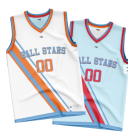
Ordering custom team jerseys in Australia is easier when the team follows a clear process. Most problems happen from missing sizes, unclear logo files, late approvals, or too many people changing the design.
A step-by-step plan keeps the order clean. It helps coaches, managers, players, parents, and sponsors stay aligned from the first idea to delivery.
Use this guide before starting your next team jersey order.
Start with the reason for the order. A match kit, training jersey, social team shirt, school sports jersey, and event uniform all need different choices.
A match kit needs clear numbers and league-friendly colours. A training jersey can be simpler. A social jersey can be louder and more playful. An event jersey can include dates, sponsors, and campaign details.
The purpose sets the design rules before colours even enter the conversation.
Each sport needs a different jersey shape. Soccer shirts need movement through the shoulders and chest. Basketball jerseys need open arms. Rugby-style jerseys often need a stronger feel.
Choose the right product before building the design. This prevents layout issues later. A design that works on a sleeve jersey may not suit a sleeveless cut.
Check whether the order needs men’s, women’s, youth, or mixed sizing options.
A good design brief saves time. It should include team name, sport, main colours, logo files, sponsor details, design style, and any must-have notes.
Use plain language. A phrase like “black base, gold trim, clean look, large white numbers” is more helpful than ten screenshots with no direction.
If the team has old jerseys, take photos and mark what should stay and what should change.
Player details should sit in one clean list. Include name, number, size, cut, and quantity. For junior teams, add parent approval if needed.
Avoid collecting details through scattered messages. A shared spreadsheet or form works better. It reduces missed names and duplicate numbers.
Set one deadline for players. Late details can delay the whole order.
Do not guess sizes. Custom jerseys may fit differently from everyday shirts. Each player should compare chest width and shirt length with the supplier’s size chart.
For the safest choice, measure a jersey that already fits. Lay it flat, measure across the chest, and compare that number to the chart.
A team manager should remind players that a preferred fit matters. Some want match fit. Some want more room.
Logo quality affects the final jersey. A blurry file can make the shirt look cheap even if the design itself is strong.
Ask sponsors for high-quality logo files. Vector files are ideal. Clear PNG files can work in many cases. Screenshots and tiny social media images should be avoided.
Keep logo names clear so the designer knows which file belongs to the club and which belongs to the sponsor.
The proof is the final checkpoint before production. It should be reviewed by one person who has the full order list.
Check spelling, player numbers, logo positions, colours, sponsor size, and garment style. Read names one by one. Look at the front and back.
This is not the stage for a full redesign. It is the stage for checking accuracy.
Once the proof is correct, approve it and keep the confirmation details in one place. Save the final artwork, size list, order number, and delivery details.
For custom team jerseys australia, teams should keep the same approved list until the jerseys arrive. This makes it easier to check the delivery against the order.
A team manager can then share a simple update with players so everyone knows the jerseys are in production.
When the jerseys arrive, count the items before distribution. Match each jersey against the player list.
Check names, numbers, sizes, and any visible print issues. It is easier to fix a problem before players take jerseys home.
Sort jerseys by player name or number, then hand them out at training or before the event.
Teams often need more jerseys later. A new player joins, a shirt gets lost, or the club wants fan versions.
Keep the final design file and order details. Reorders are easier when the team can refer to the exact style, colour, font, and logo placement.
This small habit can save a lot of time next season.
Custom team jerseys are simple to order when the process is controlled. Choose the purpose, collect sizes, prepare artwork, review the proof, and check the delivery.
The best orders feel calm. Everyone knows what is needed, and the final jerseys match what the team approved.
Teams need sport type, colours, logo files, sponsor files, player names, numbers, sizes, and delivery details.
One manager or club contact should approve the proof after checking the full order list.
Yes, but it is easier when the team keeps the final design, order details, colours, and sizing list.