


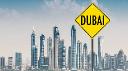
Dubai is a city that speaks to success—literally. With over 200 nationalities living and working in this global hub, communication goes far beyond English and Arabic. Translation in Dubai isn't just necessary; it's a strategic asset for businesses, government bodies, and the tourism industry.
Whether it's translating legal contracts, retail signage, or hotel brochures, clear and culturally adapted communication opens doors. The cool factor lies in how translation services have evolved—becoming not just about language but about connecting people, ideas, and ambitions in a city that thrives on global engagement and multicultural collaboration.
Translation is a silent partner in success for companies aiming to grow in this market. It helps bridge cultural nuances and avoids costly miscommunication. Professional translation ensures a message lands right with every audience, from product manuals to marketing campaigns.
Meaning, intent, and tone are all important aspects of translation in addition to words. This cultural fluency helps companies gain trust, close deals, and create powerful local impressions. In business, translation is not just support—it's a strategy, especially in a vibrant, multilingual market like Dubai.
While English and Arabic are the official languages, Dubai's population speaks everything from Hindi and Tagalog to Russian, Mandarin, and French. In this mosaic of languages, companies and public services must communicate seamlessly with diverse audiences.
Translation is the solution, ensuring no one feels left out. For instance, hospitals need accurate medical translation, schools must cater to various linguistic backgrounds, and retail brands must resonate with global customers. In this way, translation is not a luxury—it's a necessity. Dubai's multicultural magnet identity demands translation, making it central to daily life and success.
Dubai welcomed over 17 million international visitors last year, making tourism a pillar of its economy. Translation is important in making every person's experience smooth and enjoyable. Multilingual signs, translated restaurant menus, hotel concierge materials, and tour guides all ensure travelers feel understood and respected.
It's not just about clarity—it's about comfort and connection. A French tourist reading a menu in their native language or a Chinese visitor understanding museum information will naturally feel more welcome. Tourism in Dubai thrives because translation allows people from around the globe to experience the city easily.
Legal translation in Dubai is one of the industry's most critical and sensitive areas. With international businesses setting up operations and people from across the world signing contracts, accuracy is non-negotiable. A single misinterpreted clause can lead to costly legal consequences.
Certified legal translators bridge the gap between languages and legal systems, ensuring documents like court papers, contracts, and licenses retain their original meaning across languages. In Dubai, legal translation is also regulated, requiring official approval. In such a fast-paced, global city, this level of linguistic precision is both a safeguard and a necessity.
In Dubai, marketing initiatives cannot adopt a one-size-fits-all strategy. What works for an Arabic-speaking audience may not work for a group that speaks English or Urdu. Translation in marketing is therefore about localization rather than just changing words. Translations that are culturally sensitive modify colour schemes, references, tone, and humour to conform to cultural norms.
A cool ad campaign in English must be equally incredible—and relevant—in Arabic. Translation makes this possible, helping brands speak to audiences in their language while maintaining the original brand voice. In Dubai's diverse consumer base, successful marketing starts with innovative, creative, and culturally aligned translation.
Technology is changing the translation game in Dubai. While human translators remain essential, innovative tools like AI-assisted translation, language recognition apps, and real-time interpretation are revolutionizing the industry. Dubai's government and private sectors increasingly use these technologies to streamline services and improve user experience. However, tech alone isn't enough—the blend of human accuracy and digital speed makes translation cool and practical.
For instance, instant multilingual chatbots in customer service or AI tools assist legal translators in maintaining consistency. Dubai's push for innovation extends to translation, showing how tech and language can work hand in hand.
In Dubai, many official transactions require certified translations—immigration documents, academic certificates, or business licenses. These aren't just regular translations—they come with legal standing and are recognized by government authorities. Only certified professionals can perform these translations, ensuring trust and accuracy.
Its process helps maintain the integrity of official documentation and avoids delays or rejections in government procedures. Certified translation acts like a stamp of approval, validating a document's credibility across languages. For residents, expats, and companies in Dubai, using certified services isn't just the right choice—it's often the only one for smooth legal processing.
The translation industry in Dubai is booming, with countless freelancers, boutique agencies, and large firms offering specialized services. The market continues to expand due to increasing demand across industries like healthcare, education, tourism, and tech.
Future trends include hyper-specialized translators, more emphasis on cultural training, and deeper integration with AI. As Dubai grows as a global business and lifestyle destination, the need for faster, more innovative, and more personalized translation will rise. The coolest part? Translation in Dubai is no longer behind the scenes—it's becoming a celebrated part of how businesses and people connect in real time.
Translation is the invisible thread weaving together Dubai's multicultural fabric. It helps businesses grow, tourists feel welcome, and institutions function smoothly. More than just a linguistic service, translation in Dubai is a strategic advantage—ensuring every message lands exactly as intended in every language that matters.
From sleek marketing slogans to airtight legal documents, translation is where clarity meets culture. If you want to thrive in Dubai, speaking fluent success means more than knowing English—it means embracing translation's incredible, creative, and crucial power.

Exterior signage is your business's first impression, so making it eye-catching and memorable is key. Whether it's a mounted storefront sign, window decals, or sandwich boards, your outdoor signage must represent your brand and invite curiosity.
For small sign shop and stores, this means leveraging bold fonts, readable text, and brand colors that pop even from a distance. Additionally, lighting can be quite important; illuminated signs guarantee visibility in inclement weather and at night. Keep in mind that the objective is to draw attention to your site and promote foot traffic and walk-ins.
Window graphics are perfect for small stores that want to share promotions, store hours, or branding dynamically and affordably. These graphics can be full-coverage vinyl wraps or smaller decals on door glass or windows.
They are easy to update seasonally and offer a flexible solution for businesses without a large marketing budget. Plus, window graphics double as privacy screens or sunshades. By turning your windows into advertising space, you're using what you already have to engage passersby and create curiosity. Bright colors and compelling messages are key to making these signs effective.
Despite being frequently disregarded, interior signage has a significant impact on how customers interact with businesses. Once customers are inside, these signs aid in navigation, draw attention to special offers, and strengthen branding. Clarity and enjoyment are increased when toilets, changing rooms, or checkout areas are marked with directional signs.
Informational signage like pricing details or product descriptions can also aid in sales. For a sign shop, this is an opportunity to demonstrate your work—showcasing various sign types in action. Clear, professional interior signs elevate your store's atmosphere and make it easier for customers to explore and engage with your offerings.
A-frame or sandwich board signs are ideal for small shops in busy pedestrian areas. They're portable, easy to update, and excellent for grabbing attention at eye level. Whether you're promoting a flash sale, displaying a clever quote, or simply inviting customers in, these signs are versatile tools.
A-frames are a low-cost product to showcase for sign shop, often with interchangeable inserts for daily specials. Adding humor, limited-time deals, or bright chalk-style designs can significantly boost foot traffic. Their flexibility makes them one of the most practical signage options for businesses that rely on local walk-ins.
Digital signage, which was once thought to be expensive, is now more accessible and reasonably priced, even for small enterprises. Videos, menu boards, and changing promos can all be shown on a screen behind the counter or at your storefront. It is a great approach for a sign business to display portfolio items or client endorsements in real time.
In addition to being visually appealing, digital signs are simple to update without requiring new printing, which ultimately saves money. This contemporary signage choice improves the appearance of your store and lets you convey several messages at once, keeping the content interesting and engaging.
Banners are a classic signage solution that works exceptionally well for temporary promotions, events, or seasonal messaging. They are perfect for community events, sales, and grand openings because they are simple to print, transport, and install. Vinyl banners are long-lasting and weatherproof, making them appropriate for both indoor and outdoor applications.
For a small sign shop, offering custom banner printing is a steady revenue stream, and displaying examples in-store demonstrates your capabilities. Because banners can be produced quickly, they provide a fast turnaround for urgent signage needs, which many small business clients value. Clear, bold messaging ensures the best results.
POP signs are those that are positioned inside stores close to cash registers or other busy sales areas. These may advertise impulsive purchases, provide information about loyalty plans, or provide temporary savings. This kind of signage, which can be hanging displays, counter mats, or tabletop placards, demonstrates innovation in compact formats.
They function best with eye-catching images and calls to action like "Today Only" or "Buy One, Get One Free." These indicators can have a big influence on upselling and client retention tactics because this is where customers are most prepared to make a purchase.
If your store offers a variety of goods or services, make it easier for customers to choose by using menu boards and product display signage. These signs serve as a silent salesman by providing information in an organized, readable fashion. An attractive menu board is a must for companies or service providers in the food industry.
This can also serve as a demonstration for small sign shops to highlight several design styles and material alternatives (such as metal, acrylic, and chalkboards). Good menu boards help a store feel more streamlined and reliable while also reinforcing brand consistency. Your business will feel current and fresh if you update them with popular items or according to the seasons.
Vehicle graphics are a powerful yet often underutilized signage for small sign shop. Whether it's a full wrap or magnetic door signs, your vehicle becomes a mobile advertisement seen by thousands daily. It is also a perfect portfolio sample for sign shops—your car becomes proof of your services.
Use bold colors, a clean logo, and contact info to maximize impact. Vehicle signage is especially useful for mobile businesses or those that deliver. Even parked, a branded vehicle builds awareness and credibility, endorsing professionalism wherever it goes.
A consistent brand identity is produced by using the same typefaces, colours, and voice on vehicle, promotional, interior, and outside signs. It increases consumer recognition and trust while giving your store a polished appearance.
Stressing branding consistency for sign shops creates a powerful example for customers. To get the most out of their marketing, encourage clients to create a signage bundle rather than individual signs. The brand as a whole is stronger than the sum of its parts when the signs function as a system.
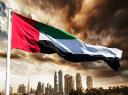
Legal translation becomes essential in a diverse business environment like Dubai, where Arabic is the official language, and English is widely used in corporate settings. Multinational companies often deal with contracts, licenses, and government documents that must be submitted in Arabic. Translation of law Dubai guarantees the proper translation of these documents while maintaining their legal significance.
Certified legal translators, approved by the UAE Ministry of Justice, help businesses avoid costly misunderstandings, legal delays, or rejections due to language inconsistencies. This seamless communication fosters smoother operations and legal compliance, which is critical for companies expanding into or operating in the UAE.
Many legal papers in the United Arab Emirates need to be translated into Arabic and validated by a Ministry of Justice (MOJ)-licensed translator. Multinational companies must submit these documents to courts, ministries, and free zone authorities during business registration, visa applications, and legal proceedings.
Without certified legal translation, even valid documents can be rejected. Legal translators in Dubai are trained to meet strict regulatory standards, ensuring that every translated document is acceptable to UAE authorities. It minimizes delays and legal obstacles, allowing businesses to maintain compliance and focus on core operations without getting entangled in bureaucratic hurdles.
When multinational companies enter the Dubai market, they must submit various legal documents—such as Memorandums of Association (MOA), Articles of Incorporation, and shareholder agreements—in English and Arabic. Accurate legal translation of these documents is crucial during company registration with entities like the Department of Economic Development (DED) or free zone authorities.
A certified translator ensures that every clause is translated precisely, preventing legal misinterpretations. This step is essential for obtaining trade licenses, bank accounts, and approvals. Without reliable legal translation services, these companies risk delays in setting up operations and may face legal complications.
Legal translation Dubai is vital when drafting bilingual employment contracts, HR policies, and labor agreements, especially in companies with international employees. UAE labor law requires that employment contracts be in Arabic, even if the company's primary business language is English.
They help employers avoid disputes, protect employee rights, and provide transparency in the hiring process. Moreover, multilingual communication in HR reduces confusion and enhances employee satisfaction, which is critical in managing a diverse workforce in a global business hub like Dubai. Translation companies provide the Services of legal translation Dubai. They are very useful for your document translation.
Legal translation is essential in litigation and arbitration cases involving multinational companies in Dubai. Disputes between international parties often involve documents in multiple languages that must be submitted to local courts or arbitration panels in Arabic.
Legal translators ensure these documents—such as contracts, evidence, witness statements, and legal notices—are accurately translated and maintain their evidentiary value. By working with professional legal translators, companies ensure that their legal arguments are effectively communicated, essential for fair representation and successful resolution of disputes in the UAE legal system.
In the UAE, multinational firms frequently participate in corporate restructuring or mergers and acquisitions (M&A), which entails examining and submitting copious amounts of legal data. These documents include share purchase agreements, due diligence reports, and board resolutions. Since these legal processes must comply with UAE commercial law, all documentation must be accurately translated into Arabic.
Legal translators play a key role in translating sensitive corporate material while maintaining confidentiality and legal accuracy. Translation errors made during M&A transactions may lead to delays, monetary losses, or legal repercussions. Reliable legal translation ensures smooth negotiations, transparent processes, and successful corporate transitions in Dubai.
Dubai's multinational firms must comply with financial regulations such as VAT filing, ESR (Economic Substance Regulations), and anti-money laundering laws. Financial documents, tax reports, and audit summaries must often be submitted to authorities in Arabic. Legal translation ensures these documents retain their integrity and align with local financial regulations.
Certified translators understand legal and financial terminology, reducing the risk of misinterpretation. Companies can confidently navigate financial regulations by relying on professional translation services while maintaining transparency with UAE regulatory bodies.
Contracts and commercial agreements are the backbone of business relationships, especially in a global market like Dubai. Multinational companies often enter into joint ventures, distribution deals, and service contracts that require bilingual documentation. Legal translation ensures these agreements are understood and enforceable by all parties under UAE law.
It helps mitigate risks, clarify obligations, and prevent future disputes. By using certified legal translators, businesses protect their interests and foster trust with local partners. Clear, bilingual agreements are essential for legal certainty and successful long-term collaborations.
For multinational companies, professionalism isn't just about delivering services—it's also about how you communicate. Legal translation helps businesses maintain brand integrity and professional credibility when engaging with clients, employees, and government officials in Dubai. It demonstrates respect for local language and legal customs, building stakeholder trust.
Accurate legal communication in Arabic and English enhances a company's image in industries like real estate, healthcare, and finance, where compliance and client confidence are key. Legal translation helps with paperwork and positions a company as reliable and culturally aware—two invaluable traits in competitive international markets.
For multinational companies operating in Dubai or expanding into the UAE, working with certified and experienced legal translators is more than necessary—it's a strategic investment. These experts help companies comply with local laws, reduce legal risks, and operate smoothly in a bilingual legal environment.
Legal translation services contribute to everything from registration and contracts to court cases and compliance audits. By outsourcing to reputable translation agencies, companies gain peace of mind and focus on their growth and innovation. Professional legal translation is key to sustainable success and global integration in a legally complex and multilingual market like Dubai.