


Peyronie’s disease is a sensitive yet important men’s health condition that affects both physical function and emotional well-being. Despite being relatively common, many men delay seeking help due to embarrassment or lack of awareness, which can worsen the condition over time.
This in-depth, SEO-optimized article provides a well-researched and up-to-date overview of Peyronie's Disease, including causes, symptoms, diagnosis, and the most advanced treatment options available today.
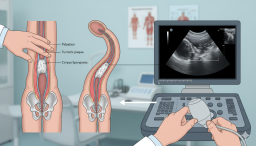
Peyronie’s disease is a disorder in which fibrous scar tissue (plaque) develops beneath the skin of the penis. This scar tissue disrupts normal elasticity, causing the penis to bend or curve abnormally during erection.
While a slight natural curvature is normal, Peyronie’s disease leads to:
In more severe cases, it can also cause erectile dysfunction and penile shortening.
The penis contains two cylindrical chambers called the corpora cavernosa, which fill with blood during an erection. These chambers are surrounded by a flexible sheath called the tunica albuginea.
When scar tissue forms in this sheath:
The exact cause is not always identifiable, but most experts agree it is linked to penile trauma combined with abnormal healing.
This is the most common cause. Injury may occur due to:
Even minor repeated injuries can lead to scar formation over time.
Instead of healing normally, the body forms excess fibrous tissue, which hardens into plaque.
This may be influenced by:
Men with a family history of connective tissue disorders are more likely to develop Peyronie’s disease.
Certain health conditions increase the risk:
With age:
Men with the following are at higher risk:
Symptoms vary from mild to severe and may develop gradually.
The most prominent symptom:
Scar tissue can restrict blood flow, making erections difficult to achieve or maintain.
Understanding the stage helps determine the best treatment approach.
Diagnosis is usually straightforward but requires proper evaluation.
The doctor will ask about:
Helps evaluate:
Sometimes performed to measure curvature accurately.
Treatment depends on:
Limited effectiveness but sometimes prescribed:
Best suited for moderate cases.
A modern and effective approach:
Requires consistent daily use over months.
Used mainly for:
Its effect on curvature remains limited.
Recommended for severe or stable cases.
Ideal for men with erectile dysfunction:
Ignoring Peyronie’s disease can lead to:
The emotional effects are often underestimated. Men may experience:
Professional counseling can be highly beneficial.
Advancements in medical science are improving outcomes:
These treatments aim to repair damaged tissue rather than just manage symptoms.
While not fully preventable, you can reduce risk:
Seek medical attention if you notice:
Early treatment leads to better outcomes.
Myth: It’s a sexually transmitted disease
Fact: It is not contagious
Myth: Surgery is always required
Fact: Many cases are treated non-surgically
Myth: Only older men are affected
Fact: It can occur at any age
Peyronie's Disease is a manageable medical condition that requires awareness, early diagnosis, and proper treatment. With modern medical advancements, patients now have access to a wide range of effective solutions—from non-invasive therapies to advanced surgical procedures.
Ignoring the condition can lead to complications, but seeking timely care can restore both physical function and confidence.
| No comments yet. Be the first. |
