


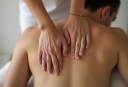
After surgery or a bad injury, the body patches itself up with scar tissue. That is a good thing at first, since it closes the wound and holds everything together. The trouble comes later, when that scar tissue sticks to the layers around it and starts limiting how you move. Scar tissue massage therapy is a hands-on way to work on that, and it can make a real difference in how a scar heals and feels over time. Here is how it works.
How Scar Tissue Forms
To see why massage helps, it helps to know what the body is doing when it lays down a scar.
The Body's Repair Job
When skin and the tissue beneath it get damaged, the body rushes in collagen to rebuild. The problem is that this repair collagen is laid down in a messy, crisscross pattern rather than the neat, lined-up way healthy tissue is arranged. That is why scar tissue is stiffer and less flexible than the tissue around it. It got the job done fast, but it is not as organized.
When Scar Tissue Causes Problems
Scar tissue can form adhesions, which is when the scar binds to the muscle, nerve, or other layers underneath. Think of it like glue sticking together sheets that used to slide freely. When that happens, you get tightness, pulling, limited movement, and sometimes pain or numbness. A scar on the surface might look healed while it is causing trouble underneath. That is the situation scar massage is built for.
What Scar Tissue Massage Does
The goal is to work on that disorganized, stuck tissue and get it moving and behaving more like the tissue around it.
Softening & Realigning the Tissue
Hands-on work on a scar helps break up the tight, crisscrossed fibers and encourages them to line up in a more organized way. Over time this softens the scar, making it flatter, more flexible, and less raised. The tissue starts to move more like normal skin and muscle instead of a stiff patch.
Restoring Movement
When adhesions are holding tissue layers together, massage works to free them so the layers glide again. This is where people notice the biggest change. A scar near a joint or across a muscle that was limiting movement starts to loosen, and range of motion comes back. For scars that pull every time you stretch or reach, this is the payoff.
Reducing Pain & Sensitivity
Scars can be tender, tight, or oddly numb, especially when nerves got caught in the healing. Gentle, regular work on the area helps calm that sensitivity down and gets the nerves used to touch again. Many people find a scar that used to feel raw or uncomfortable becomes much easier to live with after consistent sessions.
When to Start & What to Expect
Timing and technique both matter here, and rushing it is a mistake.
Waiting for the Green Light
You do not work on a fresh wound. The incision or injury needs to be fully closed and healed on the surface first, and that usually means waiting several weeks and getting the okay from your doctor or surgeon. Starting too early risks reopening things or causing harm. Once you are cleared, that is the time to begin. A therapist will always ask about your healing before touching a recent scar.
What a Session Feels Like
The therapist works directly on and around the scar using specific strokes, sometimes with a little oil or lotion, applying pressure that stays within what the area can handle. Early on the touch is light, building as the tissue tolerates more. It can feel odd, since the area may be sensitive, but it should not be sharply painful. Sessions are often short and focused, and the therapist may give you self-massage moves to do at home between visits, which speeds things along.
Types of Scars That Respond
Scar massage helps with more than just one kind of mark.
Surgical Scars
Scars from surgeries like C-sections, knee and hip replacements, abdominal procedures, and many others respond well. These scars often sit near muscles and joints, so freeing up adhesions there brings back movement and eases pulling. A clinic that does clinical bodywork, such as Focused Care Therapeutic Massage in Lancaster, often sees people working through post-surgical scars as part of their recovery.
Injury & Burn Scars
Scars from deep cuts, tears, and burns also benefit. Burn scars in particular can tighten the skin and limit movement badly, so keeping that tissue flexible with regular work matters. The same goes for scars left by serious sports injuries or accidents.
Scar tissue massage is a patient process, not a one-time fix. It softens the scar, frees stuck tissue, brings back movement, and calms sensitivity, all of which help a scar heal into something that moves and feels closer to normal. Wait until you are cleared to start, work with a therapist who knows scar work, and stay consistent. For people in Lancaster recovering from surgery or injury, it is a straightforward way to make sure a scar does not hold them back for years to come.