
Blogs
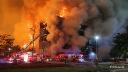
Construction projects do not always open an entire building at once. Developers may need to occupy completed floors, areas, or tenant spaces while work continues elsewhere. This approach can support business schedules, reduce delays, and allow owners to use finished areas sooner. However, it also creates important fire and life safety responsibilities.
During construction, the building may have incomplete fire protection systems, temporary barriers, changing access routes, active work areas, and contractors working near future occupants. A well-prepared partial occupancy plan helps manage these conditions and establishes practical controls for people, property, and emergency responders. Experienced fire safety consultants can review project conditions, applicable codes, fire protection systems, evacuation routes, and construction sequencing to support a safe transition into occupancy.
Why Partial Occupancy Requires Careful Planning
Partial occupancy refers to occupying certain parts of the building while others are still under construction. In such a scenario, it is essential to provide appropriate protection in the occupied section despite the building not being fully completed. Fire alarm systems, fire sprinklers, fire separations, exits, emergency lighting, smoke control systems, firefighting operations, and temporary construction barriers could be impacted by this condition.
The plan should state clearly the sections that are occupied and those that are still under construction and indicate how these two zones are separated from each other. A partial occupancy plan should indicate the duties in terms of inspection, maintenance, emergency procedures, and communication.
Key Fire Protection Systems to Review
Fire protection systems call for particular care prior to entry by occupants of a building not entirely built. The type of project under consideration will determine whether the following fire protection systems are subject to inspection: automatic sprinkler systems, fire alarm systems, standpipes, emergency lighting, exit signs, fire extinguishers, smoke control systems, and fire department access.
Systems for the occupied area should be functioning and properly maintained. In cases where there is no permanent system, an approved temporary one should be provided. Any impairment should be handled using proper procedures, including notice, control, fire watch services, and restoration planning.
Fire doors and assemblies should also be inspected. Construction activities may lead to openings in walls, ceilings, shafts, and service penetrations and reduce fire resistance as required.
Evacuation Routes and Emergency Access
Occupants need reliable and clearly identified means of egress. During construction, normal corridors, stairwells, doors, and exterior paths may change frequently. Materials, equipment, temporary partitions, or construction debris must not obstruct required exit routes.
A partial occupancy plan should show the approved paths of travel and explain how changes will be communicated. Emergency exits should remain accessible, properly marked, illuminated, and free from unnecessary storage. Where construction affects a route, an alternative path may need to be provided and reviewed.
Fire department access is equally important. Responders need clear access to the building, fire department connections, hydrants, alarm panels, and other critical equipment. Construction vehicles, fencing, scaffolding, and temporary storage should be arranged so they do not interfere with emergency operations.
Managing Construction and Occupied Areas
Separating occupied areas from active construction zones is a central part of fire safety management. Temporary walls, barriers, doors, and fire-rated assemblies should be appropriate for the risks and maintained throughout the construction period. The separation should limit smoke, dust, heat, and other hazards from reaching occupied spaces.
Hot work presents an additional concern. Welding, cutting, grinding, and similar activities can introduce ignition sources near combustible materials. A hot work permit process, fire watch, combustible control, suitable extinguishers, and post-work monitoring can help reduce risk.
Construction workers and building occupants should understand their responsibilities. Site orientation, emergency contact information, evacuation instructions, alarm procedures, and reporting requirements should be communicated before occupancy begins. Regular coordination meetings can help address changing site conditions.
Developing an Effective Occupancy Plan
An effective partial occupancy plan should be specific to the building and construction sequence rather than relying on a generic template. It should identify occupied areas, construction boundaries, fire protection provisions, egress routes, emergency access, responsible personnel, inspection requirements, and procedures for system impairments.
The plan should be reviewed whenever construction conditions change. A new floor opening, temporary wall, relocated exit, disabled alarm zone, or change in occupancy can affect the original strategy. Regular inspections and documented compliance updates help effectively ensure the plan remains accurate, practical, current, and aligned with changing construction conditions throughout the project and emergency needs.
Professional code review can add value where projects involve complex construction phases or multiple occupancies. A qualified consultant can coordinate with architects, engineers, contractors, owners, and authorities to identify practical solutions and support compliance with applicable fire and building codes.
Conclusion
Phased and Partial Occupancy requires active management because safety conditions can change throughout construction. A strong plan combines fire protection, emergency preparedness, accessible egress, construction controls, inspections, and clear responsibilities. Phased and Partial Occupancy planning should be treated as an ongoing process rather than a one-time document.
Fire safety consultants can help project teams assess temporary conditions, review fire protection measures, coordinate evacuation routes, and prepare documentation for authorities and building stakeholders. Early professional involvement can reduce uncertainty, support safer occupancy, and help prevent costly changes later.
FAQs
1. What is partial occupancy?
Partial occupancy occurs when a defined portion of a building is occupied while construction or renovation continues in another area.
2. Why is a partial occupancy plan important?
It identifies safety controls, occupied areas, construction boundaries, emergency routes, fire protection systems, and responsibilities during a changing project phase.
3. What systems should be checked before occupancy?
Important systems may include sprinklers, fire alarms, emergency lighting, exit signs, fire extinguishers, standpipes, smoke control, and firefighter access.
4. Can construction continue after occupancy begins?
Yes, provided the occupied area and construction activities are properly separated and applicable safety, fire protection, building code, and authority requirements are satisfied.
5. When should the plan be updated?
The plan should be reviewed whenever construction sequencing, occupancy, egress routes, fire protection systems, temporary barriers, or site conditions change.

Convex Mirror Price in Bangladesh – Complete Guide by Power Ark Engineering
Convex mirrors are essential safety equipment widely used across roads, parking areas, factories, warehouses, and commercial buildings. If you are searching for the Convex Mirror Price in Bangladesh, you are likely looking for a reliable, durable, and cost-effective solution to improve visibility and reduce accidents.
At Power Ark Engineering, we provide high-quality convex mirrors designed for both indoor and outdoor applications, ensuring maximum safety and long-term performance. In this guide, we will explore convex mirror prices in Bangladesh, types, features, applications, and factors that affect pricing.
What is a Convex Mirror?
A convex mirror is a curved mirror with an outward reflective surface that provides a wide-angle view. Unlike flat mirrors, convex mirrors allow users to see a larger area, making them ideal for eliminating blind spots.
These mirrors are commonly used in:
Road intersections and blind corners
Parking lots and garages
Industrial warehouses
Retail shops for surveillance
Hospitals and educational institutions
Convex mirrors improve safety by offering better visibility and reducing the risk of collisions and accidents.
Convex Mirror Price in Bangladesh (2026 Updated)
The Convex Mirror Price in Bangladesh varies depending on size, material, and application. Below is an estimated price range based on current market trends:
Standard Convex Mirror Price List
Size Application Price Range (BDT)
18 inch Indoor use, shops 1,000 – 5,500
24 inch Parking & medium areas 1,800 – 8,000
32 inch Industrial & road use 2,800 – 12,000+
39 inch Highways & large areas 4,000 – 18,000+
Prices may vary depending on quality, material, and supplier.
For example:
A 24-inch convex mirror can cost around ৳7,000
A 32-inch mirror ranges from ৳9,500 to ৳17,500
A 39-inch mirror can go up to ৳13,450 or more
At Power Ark Engineering, we offer competitive pricing with premium quality to ensure the best value for your investment.
Types of Convex Mirrors Available in Bangladesh
Road Safety Convex Mirrors
Used at intersections, sharp turns, and highways to prevent accidents by improving visibility.
Parking Convex Mirrors
Installed in parking lots, basements, and garages to help drivers avoid collisions.
Indoor Security Mirrors
Common in retail stores, warehouses, and offices for monitoring blind spots and preventing theft.
Industrial Convex Mirrors
Designed for factories and heavy-duty environments to ensure worker safety and smooth operations.
Factors Affecting Convex Mirror Price in Bangladesh
Several factors influence the cost of convex mirrors. Understanding these can help you choose the right product within your budget.
Size of the Mirror
Larger mirrors provide a wider field of view but cost more. For example, a 39-inch mirror is significantly more expensive than an 18-inch one.
Material Quality
Convex mirrors are typically made from:
Acrylic (PMMA) – lightweight and affordable
Polycarbonate – highly durable and impact-resistant
Glass – premium quality but fragile
High-quality materials ensure better reflection and longer lifespan.
Indoor vs Outdoor Use
Outdoor mirrors are more expensive due to weather-resistant coatings and UV protection.
Mounting Accessories
Additional components like brackets, poles, and anti-vandal covers can increase the overall cost.
Brand and Supplier
Trusted Convex Mirror Price in Bangladesh suppliers like Power Ark Engineering ensure better durability, warranty, and after-sales service.
Key Features of High-Quality Convex Mirrors
When purchasing a convex mirror, consider the following features:
Wide-angle visibility (up to 160–180 degrees)
Anti-glare and UV protection coating
Shatterproof and weather-resistant material
Durable mounting bracket
Clear and distortion-free reflection
These features ensure maximum safety and long-term performance.
Applications of Convex Mirrors in Bangladesh
Convex mirrors are widely used across different sectors in Bangladesh:
Road Safety
Installed at blind intersections, narrow roads, and highways to reduce accidents.
Industrial Use
Factories and warehouses use convex mirrors to monitor machinery movement and prevent collisions.
Commercial Security
Retail stores use convex mirrors to prevent shoplifting and improve surveillance.
Parking Management
Parking lots and garages use convex mirrors to assist drivers and avoid accidents.
Why Choose Power Ark Engineering?
When it comes to convex mirror suppliers in Bangladesh, Power Ark Engineering stands out for several reasons:
Premium Quality Products
We supply durable and high-performance convex mirrors suitable for all environments.
Competitive Pricing
Our pricing is affordable without compromising quality.
Wide Product Range
We offer various sizes and types to meet different needs.
Expert Consultation
Our team helps you choose the right mirror based on your application.
Reliable Support
We ensure fast delivery and excellent customer service.
How to Choose the Right Convex Mirror
Choosing the right convex mirror depends on your specific requirements. Here are some tips:
Small indoor areas → 18-inch mirror
Parking areas → 24-inch mirror
Industrial use → 32-inch mirror
Highways and large spaces → 39-inch mirror
Also consider installation height, viewing distance, and traffic volume for optimal performance.
Benefits of Using Convex Mirrors
Investing in convex mirrors offers multiple benefits:
Reduces accidents and improves safety
Eliminates blind spots
Enhances security and surveillance
Cost-effective safety solution
Easy installation and maintenance
Convex mirrors are a simple yet highly effective tool for improving visibility and safety in any environment.
Maintenance Tips for Convex Mirrors
To ensure long-lasting performance:
Clean the mirror regularly with a soft cloth
Avoid harsh chemicals
Check mounting brackets periodically
Replace damaged mirrors immediately
Proper maintenance ensures clear visibility and extends the lifespan of the mirror.
Conclusion
The convex mirror price in Bangladesh varies depending on size, material, and application, typically ranging from ৳1,000 to ৳18,000+. Whether you need a small indoor mirror or a large outdoor traffic mirror, investing in a high-quality product is essential for safety and durability.
At Power Ark Engineering, we provide reliable, cost-effective, and high-quality convex mirrors tailored to your needs. Our solutions are designed to enhance safety, improve visibility, and deliver long-term value.
If you are looking for the best convex mirror supplier in Bangladesh, contact Power Ark Engineering today for expert advice and competitive pricing.
How Daily Safety Inspections Help Prevent Workplace Hazards
In construction, utilities, and other high-risk environments, workplace safety can never be treated as a finished task. Conditions change continuously, and each new working day can introduce risks that were not present before. Equipment may be moved, crews may change, temporary structures can appear or disappear, and weather or surrounding conditions may shift unexpectedly. As a result, safety measures that worked effectively yesterday may not be sufficient for the conditions workers face today.
This makes a daily workplace safety checklist an important part of everyday site management. It should not simply be regarded as paperwork that needs to be completed. Instead, it provides a practical and organised way to examine the workplace, recognise hazards, and address concerns before employees begin their tasks. When inspections are carried out at the beginning of every shift, organisations can strengthen risk control, protect their workforce, fulfil safety responsibilities, and maintain better control over site conditions.
Starting every shift with a detailed inspection allows supervisors and workers to evaluate the workplace as it actually exists rather than depending on previous observations or assumptions. It creates an opportunity to confirm that established controls are still working, identify newly introduced hazards, and correct unsafe conditions before they escalate. With digital inspection systems, findings can be documented immediately, corrective measures can be allocated to responsible individuals, and progress can be followed, turning the checklist into a practical tool for both safety management and operational efficiency.
Understanding a Daily Workplace Safety Checklist
A daily workplace safety checklist is a structured inspection performed before work begins to establish whether the workplace is ready for the day's planned activities. It gives workers and supervisors a consistent framework for examining site conditions, spotting potential hazards, checking equipment, and confirming that employees are prepared for the work they have been assigned.
Its role is not simply to establish that safety procedures are present. The inspection also considers whether those controls remain suitable for current site conditions and whether recent changes have created issues that need to be addressed before operations continue.
In construction and utility environments, daily inspections may cover worker preparedness, fire protection, electrical systems, equipment condition, housekeeping, and areas where access is restricted. At its core, the checklist helps answer a straightforward but critical question: Is this workplace safe and properly prepared for today's work?
Why Daily Safety Inspections Are Essential
High-risk workplaces are constantly evolving. An excavation may be deeper than it was the previous day, scaffolding may have been altered, new contractors may have joined the project, or temporary electrical equipment may have been introduced. Every one of these changes can alter the site's risk profile and create hazards that were not identified during an earlier inspection.
Without a reliable daily inspection process, these changing conditions can easily go unnoticed until they contribute to an injury, damaged equipment, lost productivity, project disruption, or compliance concern. Daily inspections give organisations the opportunity to identify problems while they can still be controlled. Keeping clear inspection records also demonstrates that workplace safety is being actively managed and creates documented evidence of due diligence when an incident requires investigation.
Core Elements of a Daily Workplace Safety Checklist
A useful daily checklist should examine the workplace broadly rather than concentrating on only one or two safety concerns. A well-rounded inspection helps ensure that important areas of site safety receive attention before employees begin their work.
Worker Readiness and Personal Protective Equipment
Before activities begin, supervisors should verify that workers are suitably qualified for their responsibilities, understand the procedures relevant to their tasks, and have the necessary personal protective equipment (PPE). PPE itself should be examined to make sure it is in acceptable condition and being used correctly by employees across the site.
Site Housekeeping and General Safety
A clean and organised workplace can play an important role in preventing everyday accidents. Materials that are no longer needed should not create unnecessary obstructions, walkways should remain accessible, and emergency exits must be kept clear. These simple controls can help reduce hazards associated with slips, trips, falls, and blocked escape routes. Effective housekeeping ultimately contributes to a safer environment for everyone working on the site.
Fire Safety Readiness
Fire protection should form part of every daily inspection. Teams should confirm that fire extinguishers are accessible and ready for use, verify that required hot work permits have been obtained, and ensure combustible materials are stored safely. Where applicable, emergency alarms and evacuation paths should also be checked so that workers can rely on them if an emergency occurs.
Electrical Safety Checks
Electrical problems can sometimes exist without obvious warning signs, which makes regular inspection particularly important. Daily checks should examine electrical equipment, cables, and connections for signs of damage or unsafe conditions. Where required, workers should also confirm that lockout/tagout procedures are being applied properly.
Equipment and Tool Condition
Machinery, power tools, and equipment used by multiple workers should be checked before they are put into service. Guards, emergency stops, operating controls, and other safety mechanisms should be examined to confirm that the equipment remains appropriate for safe use during the shift.
Making Daily Safety Checklists More Effective
A checklist only delivers value when it is completed properly and consistently. Inspections rushed simply to satisfy a requirement, or performed after workers have already started, can significantly reduce their ability to prevent exposure to hazards.
Paper-based inspection processes can introduce additional difficulties. Forms can be lost, records may arrive late, and maintaining large volumes of paperwork can create unnecessary administrative work.
Digital inspection platforms can address many of these problems by allowing teams to complete inspections as conditions are observed, attach photographs, and document findings immediately. Corrective actions can then be assigned and tracked more efficiently. When inspection information is connected with permit-to-work activities and risk assessments, safety management becomes part of everyday operations rather than a collection of disconnected administrative processes.
Creating a Stronger Safety Culture
A daily workplace safety checklist should represent more than an exercise in compliance. When inspections become a consistent and meaningful part of the working routine, they help create an environment where maintaining safety is understood as a shared responsibility.
Frequent inspections keep workers focused on changing hazards, encourage supervisors to take greater ownership of site conditions, and provide organisations with useful information for improving their safety practices. As this process becomes routine, it can strengthen workforce confidence while allowing safety decisions to be informed by actual operational observations and recorded findings.
In high-risk industries, even a minor oversight can have serious consequences. Beginning every workday with a structured safety inspection shows a clear commitment to protecting employees, maintaining reliable operations, and supporting long-term organisational performance. A properly implemented daily workplace safety checklist is therefore much more than another item to complete. It is a proactive approach to identifying hazards, addressing risks early, and creating safer workplaces through consistent action and better preparation.
Book Free Demo @ https://toolkitx.com/blogsdetails.aspx?title=Daily-Workplace-Safety-Checklist-for-Construction-and-Utilities

The liver does a lot of things for our body like helping us digest food and getting rid of bad stuff we do not need. When the liver is not working well because of diseases like hepatitis or fatty liver disease doctors can use blood tests to see how well the liver is doing.
A Liver Function Test in Jaipur is a blood test that checks how well the liver is working. This test looks at things in the blood like enzymes and proteins that are related to the liver. According to MedlinePlus this test usually includes things like ALT, AST, ALP, GGT, bilirubin, albumin and total protein.
What is a Liver Function Test?
A Liver Function Test, also called a liver panel is a group of blood tests that doctors use to see if the liver is healthy. Doctors do not just look at one test result they look at all of them together to see if there is a problem with the liver.
The tests that are included in a Liver Function Test can be different depending on the laboratory. The test that RDC Care offers in Jaipur includes 11 things, like albumin alkaline phosphatase, bilirubin, total protein, AST, ALT, globulin and some ratios.
What does a Liver Function Test check?
- The different parts of the test give doctors information.
- ALT is mostly found in the liver so if the level is high it could mean the liver is hurt.
- AST can be high if the liver or other parts of the body are damaged.
- Alkaline Phosphatase is an enzyme that can tell doctors about the liver and bile ducts.
- Bilirubin is a substance that the liver helps get rid of. If the level is not normal it could mean there is a problem with the liver or bile ducts.
- Albumin is a protein made by the liver. If the level is not normal it could mean the liver is not working well.
- Total Protein and Globulin give doctors information about the proteins in the blood.
It is very important to remember that if one test result is not normal it does not mean you have liver disease. Doctors need to look at all the results your symptoms and your medical history to figure out what is going on.
When do doctors recommend a Liver Function Test?
Doctors might recommend this test if you have symptoms like skin or eyes feeling tired stomach pain or dark urine. They might also recommend it if you have hepatitis or another liver disease or if you are taking medicine that could hurt the liver.
For example if you have symptoms like feeling tired, nauseous or itchy or if you have jaundice, abdominal swelling or dark urine doctors might order an ALT test.
Do you need to fast before a Liver Function Test?
It depends on the laboratory. What other tests you are having. RDC Care says you do not need to fast for their Liver Function Test. You should follow the instructions they give you when you book the test.
Understanding your Liver Function Test results
You should not just look at one test result you need to look at all of them.. You should compare your results to the normal range on the laboratory report. If you have any questions you should talk to a doctor.
Where can you get a Liver Function Test in Jaipur?
You can go to a laboratory that offers a clear test panel, convenient sample collection and reliable reporting. RDC Care offers an 11-parameter Liver Function Test. You can book it online. They also offer home sample collection so you can have the blood test done at home or at your office.
You can find information about the Liver Function Test and book it here:
Liver Function Test in Jaipur – RDC Care
Why is regular health monitoring important?
The liver can be affected by things and some liver diseases might not have symptoms at first. Blood tests can give doctors information to help them decide if you need more tests.. A Liver Function Test is not the only test doctors use to diagnose liver disease. They might use tests, like imaging or physical exams depending on what is going on.
Conclusion
Finally a Liver Function Test is a tool to check how well the liver is working. If you are looking for a Liver Function Test in Jaipur you should check what is included in the test how to prepare and how to get the results.. Most importantly you should talk to a doctor, about your results rather than trying to figure it out on your own.
Safe Systems of Work: A Practical Approach to Workplace Risk
ss
Industrial workplaces regularly involve activities where a certain degree of risk exists, even when those tasks are routine and carried out on a daily basis. Employees may operate large machinery, service critical equipment, perform work at height, or work near energised systems where precision and careful control are essential. Such activities are often fundamental to normal operations, but they can also expose both workers and organisations to hazards that must be identified and controlled effectively.
For this reason, workplace safety should be treated as far more than paperwork prepared for inspections, audits, or compliance exercises. Construction, manufacturing, utilities, offshore operations, and other industrial sectors rely on dependable working methods to maintain safe and efficient operations. Poorly controlled workplace hazards can create consequences that reach far beyond an individual incident. Worker injuries, damaged equipment, production delays, declining employee confidence, and lower productivity can all influence an organisation's long term performance and stability.
A Safe System of Work (SSoW) offers a structured approach for addressing these risks before they develop into unwanted events. Rather than serving only as evidence of compliance, it provides a consistent framework for planning, coordinating, and carrying out work safely. By replacing informal decision making with clearly defined processes, duties, and controls, it helps reduce uncertainty and encourages workers to consider potential hazards before a task begins. In this way, safety becomes an integral part of the work itself rather than something considered only once an incident has occurred.
The Purpose of a Safe System of Work
A Safe System of Work is fundamentally a documented approach that explains how an activity should be performed while keeping associated risks at a reasonably practicable level. It gives employees a clear and reliable method for completing work safely, beginning with preparation and continuing through the final stage of the activity. By establishing expectations in advance, it can remove much of the uncertainty that might otherwise arise during the job.
An SSoW can be thought of as a practical route map for completing a task. It identifies the various steps involved, explains what conditions need to be satisfied before work begins, and assigns responsibility for the different stages of the activity. It also identifies the precautions and safeguards required to protect employees, equipment, and the surrounding workplace. When these arrangements become part of normal operating practices, safety is incorporated directly into the way work is performed instead of being treated as an additional requirement.
Looking Beyond Regulatory Compliance
Safe Systems of Work are frequently introduced because organisations need to meet legal duties, industry standards, contractual conditions, or other compliance expectations. While satisfying these obligations remains important, compliance is only one part of what a well designed SSoW can achieve. Its wider value comes from helping organisations plan, coordinate, control, and complete work in a more consistent and effective manner.
One of the clearest benefits is improved preparation. Identifying hazards before an activity starts and establishing suitable controls in advance reduces the likelihood that employees will face unexpected difficulties or be forced into rushed decisions while work is taking place. Standardised procedures can also create a consistent approach to similar activities, even when tasks are performed at different locations, by different teams, or across different shifts. Greater consistency can reduce mistakes, improve operational reliability, and help workers feel more confident about the processes they are required to follow.
A well designed Safe System of Work can also support the development of a stronger safety culture. Employees are generally more willing to follow procedures when they understand that the controls exist to protect them rather than simply to satisfy an administrative or regulatory requirement. This can encourage clearer communication, stronger teamwork, and greater trust across different levels of an organisation. When responsibility for safe working is shared throughout the workforce, safety can gradually shift from being something imposed by management to becoming a collective responsibility.
The operational benefits are equally important. Fewer incidents can mean fewer disruptions and less time devoted to investigations, corrective actions, and unexpected downtime. More predictable operations can help projects remain on schedule while supporting productivity. Well maintained documentation can also simplify audit activities and provide valuable information that organisations can use to assess existing practices and identify areas where further improvements may be possible.
Essential Elements of an Effective Safe System of Work
An effective Safe System of Work should never be reduced to a checklist that has simply been completed. The process begins with developing a detailed understanding of the activity before the work takes place. This includes examining the work environment, determining which equipment and tools will be required, and considering site specific conditions that may influence how the task needs to be carried out. Without sufficient preparation, important hazards can easily remain unnoticed.
Once the activity is understood, its potential hazards should be identified in a systematic manner. This requires consideration of anything that could potentially cause harm, including machinery, hazardous energy, environmental conditions, and human factors. Issues such as fatigue, excessive workloads, or pressure to finish work quickly may also influence the level of risk. Each risk can then be considered in terms of both the likelihood of an event occurring and the seriousness of its possible consequences. This allows organisations to determine where stronger controls and additional attention may be necessary.
Following the assessment of risks, appropriate control measures should be established. Wherever reasonably possible, hazards should first be removed. Where elimination is not practical, suitable measures should be implemented to reduce exposure or limit the potential impact of an incident. The controls selected will depend on the nature of the task and may include engineering measures, isolation of equipment, physical safeguards, safety mechanisms, personal protective equipment, or adjustments to established working methods.
Clear and practical instructions are another essential component of an effective SSoW. The procedure should accurately reflect the conditions employees encounter in the workplace while remaining simple enough for workers to understand and follow. Training is equally important because even a well developed procedure will have limited value if employees are unfamiliar with how it should be applied. Regular review is also necessary to ensure that the system remains appropriate when equipment, technology, processes, or workplace circumstances change.
Integrating Safe Systems of Work into Everyday Activities
The real effectiveness of a Safe System of Work becomes apparent when it is incorporated into routine operations instead of being left as a standalone safety document. Making this happen requires participation and commitment throughout the organisation. Safety professionals can contribute specialist knowledge and guidance, while employees who perform the work can provide practical understanding based on their everyday experience. Combining these viewpoints can help organisations develop procedures that are both robust and realistic.
Regular communication, ongoing training, and consistent reinforcement can help workers make safe practices a natural part of their daily routines. As these systems become integrated into normal operations, tasks can be better organised, responsibilities can become clearer, and the likelihood of incidents can be reduced. Over time, this approach can help establish safety as a normal feature of organisational culture rather than treating it as a separate initiative.
Ultimately, a Safe System of Work is far more than a document produced to demonstrate compliance. It offers a structured and dependable method for identifying and controlling workplace hazards, protecting employees, supporting operational performance, and ensuring that activities are completed safely and consistently. When properly developed and integrated into everyday work, it can reduce uncertainty, strengthen confidence, and make effective safety management an inherent part of how an organisation operates.
Book a free demo @ https://toolkitx.com/blogsdetails.aspx?title=Safe-System-of-Work-(SSoW)-Meaning,-Definition,-Examples-and-HSE-Requirements
Understanding RIDDOR: Workplace Injuries, Diseases and Dangerous Occurrences
Workplace hazards cannot be eliminated completely, even when an organisation follows comprehensive health and safety procedures. Effective planning, employee education, and preventative controls can significantly reduce risks, yet accidents, work related illnesses, and serious incidents can still occur. When a significant workplace event happens, UK law requires certain incidents to be officially reported under the RIDDOR reporting framework.
RIDDOR reporting is about more than meeting a statutory requirement. It creates an official record of significant workplace events and helps organisations and regulators build a clearer understanding of what occurred, what contributed to it, and what measures could reduce the likelihood of it happening again. Records covering serious injuries, occupational diseases, and dangerous occurrences can also support broader improvements in workplace health and safety.
What Is RIDDOR Designed to Achieve?
RIDDOR stands for the Reporting of Injuries, Diseases and Dangerous Occurrences Regulations. It provides the legal structure for reporting particular types of workplace incidents. The regulations define which events must be reported and identify the appropriate authority responsible for receiving those notifications. In many situations, that authority is the Health and Safety Executive (HSE), while some workplaces are overseen by their local authority.
The obligation to report does not normally apply to every individual present at a workplace. Instead, responsibility usually belongs to the person or organisation controlling the premises or work being carried out. Depending on the situation, this may include employers, managers, supervisors, site controllers, and self employed workers who are responsible for their own activities.
Although meeting the law is an important objective, RIDDOR serves a wider purpose. Incident information can help regulators identify recurring dangers, monitor patterns across different industries, and encourage safer working methods. This can be particularly important in higher risk environments such as construction, manufacturing, facilities management, and oil and gas, where lessons from previous incidents can help drive continuous safety improvements.
Why Accurate RIDDOR Reporting Is Important
Precise reporting provides value beyond simply completing a legal requirement. Consistent incident records give organisations a stronger understanding of their safety performance and create evidence that can be used when reviewing existing controls. Analysing incidents can uncover repeated weaknesses, identify contributing factors, and guide preventative measures before comparable events happen again.
Accurate reporting also forms an important part of workplace legal compliance. Failing to report an incident that falls within RIDDOR requirements can lead to regulatory scrutiny, enforcement action, financial penalties, and damage to an organisation's reputation. Making the required notification demonstrates that an organisation takes its responsibilities seriously and is willing to act transparently when workplace events occur.
A reliable reporting approach can further contribute to a stronger safety culture. Every report creates an opportunity to examine procedures, reassess existing risks, and determine whether employees require additional instruction or training. By learning from incidents, organisations can address hazards before they result in another accident rather than reacting only after harm has occurred.
Which Workplace Incidents Require Reporting?
RIDDOR does not apply to every accident that occurs at work. An incident must meet defined categories and reporting conditions before a formal notification is required.
Work related fatalities are reportable when they result from workplace activities, regardless of whether death occurs immediately or sometime afterwards.
Specific serious injuries also fall within the reporting requirements. These may include amputations, fractures involving areas other than fingers or toes, severe burns, permanent sight loss, and injuries resulting from crushing.
A report is also required when a workplace accident prevents an employee from carrying out their normal work for more than seven consecutive days. The day on which the accident happened is not counted when calculating this period.
Certain occupational diseases may also be reportable when medical evidence confirms that workplace exposure caused or contributed to the condition. Examples include occupational skin disorders and respiratory diseases associated with work activities.
Dangerous occurrences form another important reporting category. These are serious near misses where an injury may not have occurred, but the circumstances presented a significant potential for harm. Examples may include major equipment failures, structural collapses, and explosions.
Reporting obligations can also apply when a member of the public, rather than an employee, is taken directly to hospital because of an incident connected with workplace activities.
Who Is Responsible for Reporting?
The responsibility for making a RIDDOR notification generally belongs to the individual or organisation with control over the workplace or the relevant work activities. In many circumstances, this will be the employer or a manager with designated health and safety responsibilities. Self employed workers may also have reporting obligations when they control their own activities and the relevant criteria apply.
Employees, contractors, and visitors will not usually submit the formal RIDDOR notification themselves. They should nevertheless report a potentially serious incident to the appropriate responsible person without unnecessary delay. This gives the organisation an opportunity to establish whether the event falls within RIDDOR and ensure the notification is completed correctly and within the required timeframe.
Reporting Timeframes and Submission Process
Following the applicable RIDDOR deadlines is a key element of compliance. Fatalities, specified injuries, occupational diseases, and dangerous occurrences should generally be reported as soon as reasonably practicable and typically within ten days. Where a workplace injury leaves an employee unable to carry out their usual duties for more than seven consecutive days, the report should generally be made within fifteen days.
Most organisations complete RIDDOR notifications through the official online reporting system. The information submitted should be accurate and sufficiently detailed, including the date and location of the event, the individuals involved, and a clear description of what occurred. Complete records help regulators evaluate incidents and also provide organisations with valuable information for investigations, safety assessments, and future risk control.
Conclusion
RIDDOR reporting should not be viewed simply as a legal administrative exercise. It contributes to stronger workplace health and safety by encouraging transparency, accountability, and learning after serious incidents. When organisations understand which events fall within RIDDOR, know who is responsible for reporting them, and follow the applicable deadlines, they can meet their statutory duties while supporting safer working conditions for employees, contractors, visitors, and members of the public.
Book a Free Demo @ https://toolkitx.com/blogsdetails.aspx?title=RIDDOR-Reporting:-What-Must-Be-Reported-and-How
LifeGauge Breeze Frigorifero Portatile: Tutto Quello [LifeGauge Breeze Istruzioni] che Devi Sapere Prima dell’Acquisto
By lifegaugebreeze, 2026-08-20
Sito ufficiale
https://www.fitprodiet.com/lifegauge-breeze-frigorifero-portatile/
Manutenzione e pulizia
La manutenzione è spesso sottovalutata.
Polvere e sporco possono accumularsi nelle aree di aspirazione dell'aria e ridurre la qualità della circolazione.
Per la pulizia bisogna seguire esclusivamente le indicazioni del manuale del prodotto. Prima di intervenire sull'apparecchio, è buona pratica scollegarlo dall'alimentazione.
Non bisogna immergere componenti elettrici nell'acqua e non è consigliabile utilizzare detergenti aggressivi senza verificare prima le istruzioni del produttore.
Una manutenzione corretta contribuisce anche a mantenere più igienico il sistema di circolazione dell'aria.
https://www.instagram.com/p/DcIhjvIk3aR/
https://www.instagram.com/p/DcIhtfMExKy/
https://www.instagram.com/p/DcIh4AokzJ6/
https://x.com/NehaGup50254254/status/2089257406161428948
https://x.com/NehaGup50254254/status/2089269264926794074
https://x.com/NehaGup50254254/status/2089269369792876580
https://www.youtube.com/watch?v=N72ocCPEa8Y
https://in.pinterest.com/pin/1094515515721010019
https://in.pinterest.com/pin/1094515515721010062
https://in.pinterest.com/pin/1094515515721010101
https://lifegaugebreeze.blogspot.com/2026/08/lifegauge-breeze-recensione.html
https://lifegaugebreezerecensioni.blogspot.com/2026/08/lifegauge-breeze-recensioni-funziona.html
https://lifegaugebreezefrigoriferoportatile.blogspot.com/2026/08/lifegauge-breeze-frigorifero-portatile.html
https://www.readawrite.com/a/b3ad5c6f2a69fda48ddb8d688c79b027
https://writer.dek-d.com/dek-d/writer/view.php?id=2695099
https://open.firstory.me/story/cmsx3bqzd0hpi01zd6yxff5zy
https://www.dailymotion.com/video/xayfyti
https://ask.varindia.com/question/lifegauge-breeze-recensioni-funziona-davvero-opinioni-lifegauge-breeze-come-funziona-e-risultati
https://www.febspot.com/video/3349835
https://www.tm-town.com///translators/lifegaugebreeze
https://grabcad.com/library/lifegauge-breeze-recensione-funzionamento-vantaggi-e-prezzo-life-gauge-breeze-recensioni-1
County Sector 88A Gurgaon: What Makes This Location Attractive to Homebuyers?
By countysector88a, 2026-08-20

For homebuyers exploring the evolving residential landscape of New Gurgaon, County Sector 88A presents an interesting combination of location, connectivity, residential development and lifestyle convenience. Located along the Pataudi Road corridor, Sector 88A benefits from its proximity to the Dwarka Expressway and NH-48, while the wider neighbourhood continues to develop with housing communities and supporting infrastructure.
But what exactly makes this location attractive to modern homebuyers? The answer lies in a combination of accessibility, planned surroundings and the growth of New Gurgaon as a residential destination.
Strategic Location in New Gurgaon
Location is one of the first factors buyers consider when choosing a home, and Sector 88A has an advantage because it sits within the larger New Gurgaon development belt. The area is positioned along Pataudi Road and has convenient access to major road corridors connecting different parts of Gurugram, Manesar and Delhi.
Unlike some of the older parts of Gurgaon, New Gurgaon offers comparatively newer residential communities and developing infrastructure. Sector 88A is part of this transformation, making it relevant for buyers who want a modern residential environment without moving too far away from established employment and commercial destinations.
The location also offers access towards Manesar and NH-48, which can be useful for professionals working in the industrial and corporate hubs along this corridor.
Strong Road Connectivity
Connectivity is arguably one of the biggest attractions of Sector 88A. Pataudi Road provides an important local and regional connection, while the Dwarka Expressway provides access towards Delhi and other parts of the NCR. NH-48 further expands connectivity towards central Gurgaon, Manesar and the Delhi-Jaipur corridor.
The development of the Dwarka Expressway has also strengthened the strategic importance of the surrounding areas. Infrastructure improvements on the Delhi-Gurugram section, including underpasses and other mobility initiatives, are intended to improve traffic movement along this important corridor.
For homebuyers, this means the location can work well for people whose daily routines involve travelling across different parts of Gurgaon and the NCR.
A Developing Residential Neighbourhood
Another reason Sector 88A attracts attention is the ongoing development of the surrounding neighbourhood. New residential projects, commercial spaces and supporting infrastructure are gradually creating a more organised urban environment.
The area is still developing, which can be an advantage for buyers who prefer newer neighbourhoods with modern planning and residential communities. At the same time, buyers should recognise that some infrastructure and retail facilities are still evolving compared with mature parts of Gurgaon.
This balance between present-day connectivity and future neighbourhood development is an important part of Sector 88A's appeal.
Convenient Access to Schools, Healthcare and Retail
A home is not only about the apartment itself. Everyday convenience depends heavily on access to schools, healthcare, shopping and other services.
Sector 88A benefits from social infrastructure in the surrounding New Gurgaon sectors. Schools such as St. Xavier's High School, GD Goenka School and other educational institutions are accessible from the broader locality, while healthcare facilities and hospitals are also available within the surrounding catchment.
For daily shopping and leisure, residents can access local markets as well as retail and commercial destinations in nearby sectors. Shopping and entertainment options around the New Gurgaon belt are also expanding as residential occupancy increases.
This growing ecosystem is particularly relevant for families looking for a location where essential services are accessible without depending entirely on the older city centre.
Suitable for Families and Working Professionals
Sector 88A can appeal to different categories of homebuyers because of its combination of residential surroundings and road connectivity.
For families, the attraction lies in the availability of modern housing communities, access to schools and healthcare, and a neighbourhood that is gradually becoming more self-sufficient. For working professionals, connectivity towards Manesar, NH-48, central Gurgaon and Delhi can make the location practical for daily commuting.
The area can therefore offer a middle ground: a relatively developing residential environment while remaining connected to established employment and lifestyle destinations.
The Larger New Gurgaon Growth Story
The appeal of County Sector 88A cannot be viewed separately from the broader growth of New Gurgaon. The region has been experiencing continued residential and infrastructure development, with new housing, retail and social infrastructure emerging across several sectors.
Pataudi Road and the surrounding corridors are also seeing infrastructure activity. Recent developments concerning improvements to sections of Pataudi Road indicate the continuing focus on strengthening regional connectivity.
As more residential communities become occupied and supporting services expand, sectors such as 88A have the potential to become increasingly integrated into the wider urban fabric of Gurgaon.
A Location Worth Considering for Homebuyers
The attractiveness of County Sector 88A Gurgaon ultimately comes down to its combination of location and growth. Its position along Pataudi Road, proximity to the Dwarka Expressway and access towards NH-48 give residents multiple road connectivity options. At the same time, the surrounding New Gurgaon belt is developing into a larger residential and lifestyle ecosystem.
For buyers looking beyond the established and often more congested parts of Gurgaon, Sector 88A offers the possibility of living in a newer residential zone while maintaining access to important parts of the NCR.
However, prospective buyers should always evaluate the specific project's construction quality, amenities, approvals, maintenance, exact road access and actual commuting times before making a purchase decision.
Overall, County Sector 88A stands out because it combines the practical advantages of connectivity with the evolving character of New Gurgaon. For homebuyers seeking a residential address with modern surroundings, access to major roads and the potential benefits of a developing neighbourhood, Sector 88A is certainly a location worth putting on the shortlist.
How Tank Farm Management Impacts Refinery Safety and Profitability
Refinery tank farms do far more than hold crude oil and finished products between stages of operation. They sit at a critical point in the refining process, coordinating the receipt, storage, blending, transfer, and distribution of materials across the facility. Because these functions touch so many production activities, the way a tank farm is managed can affect plant reliability, product consistency, operating expenses, and overall profitability. Strong operational controls help maintain production, reduce delays, and create safer working conditions. Poorly controlled processes can lead to disruptions, unnecessary costs, compliance challenges, and preventable product losses. With regulatory requirements becoming more demanding, feedstock characteristics changing, and safety expectations rising, refineries have increasing reason to improve tank farm performance.
A Tank Farm Management System (TFMS) provides a centralized digital framework for managing storage operations and product movement throughout a refinery. Instead of relying on disconnected technologies, it brings field instrumentation, automation, and operational workflows together within one environment. Yet many facilities still depend on manual tank measurements, paper records, spreadsheets, and isolated software that does not exchange information immediately. These fragmented approaches limit visibility, increase administrative effort, and slow access to the information operators need when making time sensitive decisions.
Digital TFMS platforms can connect these previously separated activities through coordinated automation. Inventory management, transfer activities, and reporting can operate through a shared system rather than separate tools. As a result, the tank farm can evolve from a passive storage area into an actively managed operational resource, supported by continuous information, stronger planning, and quicker responses to changing refinery needs.
Even with its central role, tank farm management continues to face recurring challenges that can affect both operational efficiency and financial results if they are not addressed.
Safety and compliance are two of the most critical areas. A tank that overfills, a product leak, an incorrect transfer path, or an unauthorized material movement can rapidly become an environmental event, production disruption, or serious safety issue. Meeting modern regulatory expectations requires more than occasional inspections and basic alarm systems. Refineries need reliable safeguards, accurate measurement, and comprehensive records showing what occurred and when. If monitoring cannot be trusted or records are incomplete, recognizing and managing operational risks becomes considerably harder.
Maintaining accurate inventory is another ongoing challenge. Across large storage operations, small differences in measurement can eventually translate into significant financial impacts. Inaccuracies involving volume calculations, temperature corrections, or density measurements may appear minor individually, but together they can progressively affect inventory balances and the value assigned to products. When information is manually recorded or spread across systems that do not communicate, discrepancies can remain hidden until the resulting losses become substantial.
Blending also demonstrates how operational visibility can influence refinery economics. Consistently producing material within required specifications while controlling the use of expensive blending components requires current and dependable inventory information. Without a clear understanding of available materials, operators may choose a more cautious blending approach. That can lead to greater use of costly components, off specification production, additional reprocessing, and unnecessary delays. Across time, these inefficiencies can reduce throughput and limit potential refinery revenue.
A well designed TFMS helps address these challenges by continuously collecting current information from equipment including level transmitters, flow meters, temperature sensors, and density measurement instruments. The value of the platform goes beyond displaying readings. It converts operating data into practical insight, allowing teams to make more informed decisions, strengthen compliance processes, and prepare more effectively for audits. This operational visibility also helps different teams work from the same information, reducing uncertainty between storage, production, maintenance, and logistics activities while supporting more consistent decisions throughout the refinery and across changing operating conditions during routine and unexpected operating situations.
Reliable, traceable inventory accounting is a major capability of such a system. Automated calculations can update volume and mass information continuously while accounting for changing operating conditions, giving personnel a clearer view of materials in storage. Continuous material balance checks can also reveal unusual gains or losses sooner. Operators can then investigate potential leaks, equipment faults, or calibration problems before they develop into larger operational issues.
A TFMS can also improve control over product transfers. Moving material between tanks requires accurate coordination of pumps, valves, and pipeline routes. Before a transfer begins, the system can check the intended route, reducing the risk of misrouting and cross contamination. Connecting the platform with production planning systems can further improve scheduling, reduce waiting time, and align tank farm movements with wider refinery logistics.
The advantages are not limited to transfer activities and safety. Better visibility into tank and storage conditions can support more informed blending decisions and reduce unnecessary use of high value components. More accurate forecasting of available capacity can help prevent storage bottlenecks, reduce turnaround time, and improve utilization of infrastructure already in place.
Equipment performance data also supports a more proactive maintenance strategy. Maintenance teams can identify early signs of deterioration and schedule corrective action before a failure disrupts refinery operations. This can reduce the chance of unplanned shutdowns while helping preserve reliability and production continuity. Scenario planning adds further resilience by allowing teams to prepare for circumstances such as unavailable tanks or unexpected schedule changes, making stable operations easier to maintain when conditions change quickly.
For modern refineries, managing tank farms through paper files, spreadsheets, and isolated applications is becoming increasingly difficult to sustain. A modern Tank Farm Management System transforms storage into a connected operational capability, strengthening visibility, inventory accuracy, safety, and logistics coordination. For organizations pursuing stronger compliance, improved efficiency, reduced operating costs, and healthier long term profitability, an advanced TFMS is increasingly a business essential rather than an optional technology enhancement. By unifying important information and workflows, it provides teams with a clearer understanding of operations and enables more confident responses as priorities, conditions, and production demands evolve.
Book a free demo @ https://toolkitx.com/blogsdetails.aspx?title=Refinery-tank-farms-management:-the-digital-imperative-for-safety-and-profit
The Overlooked Risks That Can Threaten Oil and Gas Operations
A safer oil and gas workplace cannot be created by completing paperwork or satisfying regulatory requirements alone. Inspections, compliance audits, and safety reviews are valuable parts of a sound safety management system, yet they cannot expose every danger that develops during work. Risks often appear when conditions shift, tasks change, or unexpected events interrupt normal procedures. Effective hazard identification therefore requires understanding how work happens in the field and how changing circumstances alter exposure throughout an activity.
Hazard identification is the structured process of finding conditions, actions, or situations that could injure people, damage assets, interrupt operations, or harm the environment. In oil and gas facilities, hazards can originate in machinery, chemicals, procedures, surrounding conditions, or human actions. Because operations involve interconnected systems and activities, hazard identification cannot simply mean completing a checklist. Teams must examine how these elements influence one another and where those relationships may create unfamiliar, evolving, or overlooked risks.
The complexity of oil and gas operations makes this process especially critical. Facilities routinely handle pressurized systems, combustible substances, and complex equipment, meaning a seemingly insignificant problem can quickly become serious. A warning that goes unnoticed may contribute to injuries, production losses, environmental consequences, or increased regulatory attention. Detecting hazards early allows organizations to address weaknesses before they escalate, emphasizing prevention instead of relying on action after an incident.
Even a mature safety management system cannot ensure that every hazard will be identified. Multiple teams may perform different activities in the same location, with each task appearing safe when reviewed separately. When those activities intersect, however, their combined impact can introduce dangers absent from individual assessments. Interactions among people, equipment, and work processes can create new exposure that remains invisible when each activity is evaluated in isolation.
Temporary maintenance arrangements, altered procedures, or limited staffing can be underestimated because they are viewed as short-lived changes. Their temporary nature does not make them harmless. Even a brief adjustment can change how work is performed and create new exposure. When such modifications are introduced without considering their effects, workers can encounter hazards that did not exist under the normal operating setup.
Human performance must also be included in hazard identification. Long shifts, fatigue, rushed handovers, and poor communication between groups can gradually weaken controls that might otherwise work effectively. These influences are less obvious than damaged machinery or visible equipment faults, making them easier to overlook. Ignoring human factors can therefore create significant gaps in an organization's ability to recognize workplace hazards.
Assets operating under demanding conditions for years may deteriorate because of corrosion, wear, or material fatigue. Standard inspections do not necessarily expose every weakness as it develops, so ongoing observation and periodic reassessment remain important. If aging equipment is not reviewed consistently, deterioration can continue unnoticed until failure occurs, potentially creating major safety problems and operational interruption.
Chemical hazards deserve particular attention during activities that occur less frequently than routine production work. Equipment cleaning, waste handling, and sample collection can expose workers to dangerous substances under circumstances that differ from normal operations. Because these activities are less frequent, their risks may receive less consideration during planning, leaving workers exposed to conditions that deserve the same scrutiny as everyday production tasks.
Environmental changes can alter the danger associated with a task that normally appears familiar and controlled. High temperatures, heavy rainfall, strong winds, and poor visibility can influence workers, equipment, and work methods. Treating weather simply as an outside condition may cause teams to overlook how directly it affects risk. Environmental factors should remain within hazard assessment whenever changing conditions could weaken controls or alter how safely an activity is performed.
Work inside enclosed areas presents another changing risk. Ventilation can shift, and air quality can deteriorate after the initial assessment. An atmosphere judged acceptable at the beginning of a job may no longer be safe later in the same task. Continuous monitoring and repeated assessment are therefore essential for detecting atmospheric changes and other developing hazards before workers face dangerous conditions.
Hazard management becomes more complicated when contractors and company employees share the same workplace. Differences in procedures, communication methods, and safety expectations can leave gaps where risks are missed. Temporary wiring, provisional power arrangements, and protective devices that have been bypassed or disabled can introduce additional exposure. Because these arrangements may be viewed as temporary, they do not always receive the thorough examination needed to confirm that controls remain effective.
Paper-based forms, manual documentation, and approval processes can delay the transfer of critical information from field workers to decision-makers. By the time a reported concern reaches the right person, the conditions that produced it may have changed. Such delays can reduce the chance of applying corrective action when intervention would provide the greatest benefit.
Digital safety platforms offer a more connected approach to identifying, communicating, and controlling hazards. Workers can record observations directly from the field, while standardized risk assessment workflows support greater consistency across operations. Connecting hazard observations with permits, inspections, and other safety activities can create a more complete view of workplace risk. Faster information flow helps teams respond effectively, strengthen visibility, and resolve weaknesses before they develop into serious incidents.
Ultimately, hazard identification in oil and gas should not be reduced to a compliance task. It is a core part of protecting employees, preserving valuable assets, sustaining operational continuity, and limiting environmental harm. Organizations can strengthen resilience by looking beyond traditional identification methods, recognizing less visible risks, and using systems that encourage continuous observation and timely action. A proactive approach can create a workplace that is safer, more reliable, and better prepared for changing conditions over the long term.
Book a Free Demo @ https://toolkitx.com/blogsdetails.aspx?title=Oil-and-Gas-Hazard-Identification:-The-10-Most-Overlooked-Risks