
Blogs
When it comes to purchasing a sex doll, weight is often one of the most underestimated — yet most important — factors to consider. While appearance, materials, and functionality often grab the spotlight, the weight of a sex doll can significantly affect the user experience, storage, portability, and even long-term satisfaction.
In this article, we’ll dive into the topic of sex doll weight in depth: what determines it, how it varies by size and material, why it matters, and tips for choosing the right weight for your lifestyle.
Why Weight Matters
At first glance, the weight of a sex doll might seem like a minor detail, but it plays a major role in several areas:
-
Ease of Use: Heavier dolls can be difficult to move, lift, and position, especially if you're alone.
-
Storage: A heavier doll may require more careful handling and stronger storage supports.
-
Durability: Generally, heavier dolls are built with more material, which can add realism but also complexity.
-
Realism: For some users, a heavier weight provides a more lifelike, immersive experience.
If you're new to sex dolls, you may not realize how important these points are — until your first attempt to carry your 35 kg (77 lb) doll up a staircase alone.
Average Weight by Height and Material
Sex dolls come in various shapes, sizes, and materials. The two most common materials used are TPE (Thermoplastic Elastomer) and silicone. Each has unique characteristics that influence the final weight.
Keep in mind these figures are averages. A busty doll with extra thigh volume or internal skeleton features (e.g. articulated fingers, heating elements) will weigh more than a leaner model of the same height.
TPE vs. Silicone: Weight Differences
Although both TPE and silicone sex dolls are designed to provide a realistic feel and appearance, they have subtle differences when it comes to weight.
TPE Dolls
-
Typically heavier due to higher oil content
-
More flexible and softer to the touch
-
Generally more affordable
-
Require more maintenance (oil and powdering)
Silicone Dolls
-
Slightly lighter than their TPE counterparts
-
Hold up better over time
-
More expensive
-
Easier to clean and maintain
If minimizing weight is a priority, a silicone doll may be the better choice, especially for full-size models.
What Adds to a Doll’s Weight?
Several factors contribute to the final weight of a sex doll:
-
Height and Volume
Taller dolls naturally require more material, making them heavier. Volume also plays a role — dolls with large busts, hips, or muscular builds weigh significantly more. -
Material Density
TPE is typically denser and oilier than silicone, which adds a few extra kilograms even when dimensions are equal. -
Skeleton and Joints
Most sex dolls have an internal metal skeleton. The complexity of this skeleton (e.g. double-jointed knees, flexible fingers, movable jaws) can increase the overall weight. -
Built-In Features
Dolls with heating systems, moaning functions, or AI components weigh more due to added hardware. -
Accessories
Implanted hair, wigs, clothing, or built-in pubic hair can add marginal weight but may be noticeable when lifting.
Practical Tips for Managing Doll Weight
Before purchasing a sex doll, consider how its weight will affect your day-to-day interaction with it. Here are some practical suggestions:
1. Choose a Manageable Size
If you live alone or have back or joint issues, consider opting for a doll under 150 cm. These typically weigh 20–30 kg and are much easier to move and clean.
2. Use Storage Solutions
Use a doll stand, hanging hook, or under-bed storage solution to keep the doll safe and easily accessible without excessive lifting.
3. Invest in a Wheelchair or Trolley
Some users buy a small wheelchair or dolly for moving their doll around the house. This greatly reduces the physical effort required.
4. Practice Safe Lifting
Always bend your knees and keep your back straight when lifting. Lift from the thighs, not your lower back.
5. Try a Torso Doll
If weight is a major concern, consider a torso-only doll. These offer a realistic experience with significantly less weight (5–10 kg).
Is Heavier Better?
It depends on what you're looking for.
-
Pros of Heavier Dolls:
-
More realistic in bed
-
Greater physical presence and immersion
-
Generally more stable when posed
-
-
Cons of Heavier Dolls:
-
Harder to clean, lift, and reposition
-
Risk of injury if dropped
-
Requires more storage space and planning
-
The key is to strike a balance between realism and practicality. For many users, a mid-range doll (e.g., 140–155 cm, ~30 kg) offers the perfect blend of size and usability.
Real-World Example: Aotumedoll
One example of a brand offering a wide range of weight options is Aotumedoll. Their product line includes petite models ideal for first-timers as well as full-sized, voluptuous dolls for experienced users who prioritize realism. With thoughtful engineering and various customization choices, users can select a doll that suits both their fantasy and lifestyle.

Final Thoughts
So, how much does a sex doll weigh? The answer can range from 10 kg for compact torso models to 50 kg or more for full-sized, feature-rich dolls. The right choice depends on your physical ability, living space, and how much realism you want.
While appearance and cost often dominate the decision-making process, weight should never be ignored. The most beautiful doll in the world won’t bring joy if it’s too heavy to handle comfortably.
Whether you’re a first-time buyer or upgrading your collection, always take time to research and plan ahead. Choosing a sex doll is an investment — and weight plays a much bigger role than most people expect.
If you’d like help comparing models based on size, weight, and features, feel free to reach out or explore more buying guides tailored to your preferences.


Report Overview:
The global hydraulic hoses market is a key role in the industrial equipment landscape, serving vital sectors such as construction, mining, manufacturing, and agriculture. As of 2024, the market is valued at approximately USD 11.4 billion, and it’s forecasted to climb to around USD 18.6 billion by 2034, growing at a compound annual growth rate (CAGR) of about 5.0%. This consistent growth is being driven by increasing mechanization, infrastructure development, and the widespread adoption of hydraulic machinery across developing and developed regions.
Hydraulic hoses are critical components in fluid power systems, providing strength, flexibility, and durability in high-pressure applications. Their adaptability across various industries makes them indispensable, particularly in equipment requiring robust fluid transfer capabilities.
Key Takeaways
-
Product Segmentation: Braided hoses are the most popular type, capturing over 54% of the market due to their flexibility and ability to handle high pressures.
-
Material Preferences: Rubber-based hoses dominate the market, making up around 56.4% of total use. Despite this, synthetic alternatives are gaining interest for their enhanced resistance to chemicals and temperature extremes.
-
Pressure Ratings: Hoses within the 2000–3000 psi range are the most utilized, representing about 32% of market demand. These are especially useful in mid-pressure industrial operations.
-
Regional Distribution: North America leads with a strong base in construction and agricultural sectors, while the Asia-Pacific region is growing rapidly, supported by infrastructure expansion in countries like China and India.

Sample Report Request For More Trending Reports:
https://market.us/report/global-hydraulic-hoses-market/free-sample/
Key Market Segments
By Product Type
- Braided
- Spiraled
- Helical
By Material Type
- Rubber
- Thermoplastic
- Metals
By Pressure Rating
- Below 1000 Psi
- 1000-2000 Psi
- 2000-3000 Psi
- 3000-4000 Psi
- 4000-5000 Psi
- Above 5000 Psi
By End-use
- Construction
- Agriculture
- Automotive
- Oil and Gas
- Mining
- Aerospace
- Others
DORT Analysis
Drivers:
-
Major infrastructure and agricultural projects across the globe.
-
Rising demand for reliable, high-performance hydraulic systems.
-
Accelerated adoption of automation and smart machinery in farming and industry.
Opportunities:
-
Innovation in eco-friendly, bio-based hose materials.
-
Expansion of aftermarket services like predictive maintenance and diagnostics.
-
Increasing demand in electric and hybrid vehicles, requiring specialized hydraulic components.
Restraints:
-
Volatility in raw material prices, especially rubber and synthetics.
-
Strict regulatory requirements for high-pressure equipment.
-
Price competition from unorganized or local suppliers in emerging regions.
Trends:
-
Growing use of hybrid materials, blending rubber with synthetic fibers.
-
Focus on durability and heat resistance in new product designs.
-
Integration of smart technologies like sensors and digital diagnostics.
Growth Opportunity
-
Urban Development Initiatives: Government-backed infrastructure projects, particularly in Asia and Africa, are boosting demand for construction equipment, fueling hydraulic hose sales.
-
Sustainable Product Development: Rising environmental awareness is encouraging the use of recyclable and longer-lasting hose materials.
-
OEM Collaboration: Strategic partnerships with original equipment manufacturers (OEMs) in automotive and industrial machinery are creating steady revenue channels.
-
Digital Transformation: Incorporating IoT into hydraulic systems enables real-time monitoring and performance optimization, opening up new product categories.
Latest Trends
-
Surge in multi-spiral and hybrid hoses engineered for demanding use cases.
-
Increasing emphasis on customization to meet unique industrial needs.
-
Broader adoption of predictive maintenance solutions across sectors.
-
Rise in M&A activity as global players consolidate to enhance product portfolios and market reach.
Market Key Players
- Parker Hannifin Corporation
- Manuli Hydraulics
- Danfoss
- ALFA GOMMA Spa
- Gates Corporation
- RYCO Hydraulics
- Semperit AG Holding
- Bridgestone Corporation
- GoodYear Rubber Products Inc.
- Kingdaflex Industrial
- Dunlop Hiflex
- Polyhose
- Sinopulse Hose Factory Co., Ltd.
- Eaton
- Other Key Players
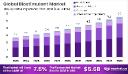
The global biostimulant market is projected to grow from an estimated $2.7 billion in 2023 to around $5.6 billion by 2033. That’s a solid compound annual growth rate of 7.5% over the forecast period
In the ever-evolving landscape of cybersecurity, staying one step ahead of threat actors is crucial for protecting sensitive data and systems. Cyber HUMINT, which stands for Human Intelligence, is a valuable tool that can provide invaluable insights into the tactics, techniques, and procedures of malicious actors. By leveraging Cyber HUMINT services, organizations can gain a deeper understanding of potential threats and take proactive measures to safeguard their digital assets.
What is Cyber HUMINT?
Cyber HUMINT involves the collection and analysis of intelligence gathered through human sources. This can include a wide range of techniques, such as open-source research, social engineering, and insider threat detection. By tapping into human intelligence, organizations can uncover valuable information about potential cyber threats, including the motivations, capabilities, and methodologies of threat actors.
Benefits of Cyber HUMINT Services
- Early Threat Detection: Cyber HUMINT allows organizations to detect threats at an early stage, before they have the chance to cause significant damage. By monitoring human intelligence sources, organizations can identify potential threats and take swift action to mitigate risks.
- Insider Threat Detection: Human intelligence can also help organizations identify insider threats, such as employees or contractors who may pose a risk to security. By gathering intelligence from internal sources, organizations can proactively address potential insider threats before they escalate.
- Competitive Intelligence: Cyber HUMINT can also provide valuable insights into the activities of competitors, allowing organizations to stay ahead of the competition. By monitoring human intelligence sources, organizations can gather intelligence on competitors' strategies, capabilities, and vulnerabilities.
- Strategic Planning: By leveraging human intelligence, organizations can develop more effective cybersecurity strategies and response plans. Cyber HUMINT can provide valuable insights into the tactics and techniques used by threat actors, helping organizations better prepare for potential cyber attacks.
The Role of Cyber HUMINT in Threat Actor Assessment
When it comes to assessing threat actors, Cyber HUMINT plays a vital role in understanding the motivations and intentions behind cyber attacks. By gathering intelligence from human sources, organizations can gain insights into the tactics, techniques, and procedures used by threat actors, allowing them to better protect against potential threats.
Key Components of Threat Actor Assessment
- Attribution: Identifying the actors behind cyber attacks is a critical component of threat actor assessment. Cyber HUMINT can provide valuable insights into the identities and motivations of threat actors, helping organizations understand the potential risks they may face.
- Motive: Understanding the motives behind cyber attacks is crucial for developing effective cybersecurity strategies. Cyber HUMINT can help organizations uncover the motivations of threat actors, whether they are financially motivated, politically motivated, or seeking to disrupt operations.
- Capabilities: Assessing the capabilities of threat actors is essential for determining the level of risk posed to an organization. Cyber HUMINT can provide insights into the tools, techniques, and procedures used by threat actors, helping organizations gauge the potential impact of a cyber attack.
Conclusion
In conclusion, Cyber HUMINT services are essential tools for threat actor assessment in the cybersecurity landscape. By leveraging human intelligence sources, organizations can gain valuable insights into potential threats, insider risks, and competitive intelligence. Cyber HUMINT plays a vital role in understanding the tactics, techniques, and procedures used by threat actors, allowing organizations to better protect against cyber attacks. By incorporating Cyber HUMINT into their cybersecurity strategies, organizations can stay ahead of evolving threats and strengthen their overall security posture.
Connected Vehicles Market Outlook 2030: Opportunities, Challenges, and Strategic Insights
By NOVAQUINN, 2025-06-15

Introduction
Connected vehicles, once a distant dream, have emerged as pivotal nodes in the intelligent transportation ecosystem. These are not merely automobiles; they are data centers on wheels, equipped to communicate with other vehicles, infrastructure, and networks. At the confluence of automotive engineering and information technology, connected vehicles represent a paradigm shift in how mobility is experienced and managed.
The genesis of vehicle connectivity can be traced back to rudimentary GPS and basic telematics systems. However, rapid advancements have catalyzed a transformation—from simple point-to-point communication to complex, multi-modal data exchanges. This evolution is redefining vehicular design, utility, and value.
For more info please visit: https://market.us/report/connected-vehicles-market/
Market Dynamics
Key Drivers Fueling Market Growth
The proliferation of high-speed internet, the ubiquity of smartphones, and the surging demand for intelligent mobility solutions are propelling the connected vehicles market. Governments and city planners are increasingly embracing smart transportation to reduce congestion and carbon emissions. Moreover, consumer expectations for enhanced safety, convenience, and personalization are acting as catalysts for innovation.
Original equipment manufacturers (OEMs) are integrating advanced connectivity features as standard offerings, reflecting a strategic pivot toward digital services as a new revenue stream.
Challenges Hindering Adoption
Despite its meteoric rise, the market grapples with formidable challenges. Data privacy and cybersecurity loom large, with the potential to cripple user trust if not meticulously managed. Interoperability issues, exacerbated by a fragmented ecosystem of technologies and standards, hinder seamless communication between systems.
Infrastructure deficiencies, particularly in developing regions, also curtail widespread deployment. Moreover, the high cost of connected solutions can be prohibitive for price-sensitive consumers.
Opportunities in Emerging Economies
Emerging markets present a fertile ground for connected vehicle technologies. Rapid urbanization, burgeoning middle classes, and increasing smartphone penetration create a conducive environment for adoption. Government-led initiatives, such as India's Smart Cities Mission, are further accelerating digital infrastructure investments.
Localized innovation, tailored to address specific regional pain points, will be instrumental in unlocking untapped potential.
Technological Landscape
Role of 5G, IoT, and AI
The trifecta of 5G, Internet of Things (IoT), and Artificial Intelligence (AI) is the technological backbone of the connected vehicle market. 5G's ultra-low latency ensures real-time communication between vehicles and infrastructure. IoT enables a constant data stream from sensors embedded in the vehicle and the environment.
AI algorithms process this data to deliver predictive maintenance alerts, adaptive navigation, and driver behavior analysis—augmenting safety and efficiency.
Vehicle-to-Everything (V2X) Communication
V2X communication is the lynchpin of connected mobility, encompassing Vehicle-to-Vehicle (V2V), Vehicle-to-Infrastructure (V2I), and Vehicle-to-Pedestrian (V2P) protocols. These interactions enable collision avoidance, traffic optimization, and emergency response coordination.
As vehicles become increasingly autonomous, V2X will serve as the neural network that binds disparate entities into a cohesive, intelligent system.
Cybersecurity Innovations
With greater connectivity comes heightened vulnerability. The connected vehicle is a high-value target for cyber threats, necessitating robust, adaptive security architectures. Innovations such as blockchain for data integrity, over-the-air (OTA) security updates, and zero-trust frameworks are gaining traction.
Regulatory bodies are also imposing stringent guidelines to safeguard user data and vehicular functions.
For more info please visit: https://market.us/report/connected-vehicles-market/
Segmental Analysis
Passenger vs. Commercial Vehicles
While passenger vehicles dominate the connected vehicle landscape in terms of volume, commercial vehicles offer significant growth opportunities due to their operational complexity. Fleet management, route optimization, and cargo monitoring are key application areas driving adoption in logistics and transportation sectors.
Embedded, Tethered, and Integrated Systems
Connected vehicles are categorized based on the connectivity architecture:
-
Embedded systems feature built-in hardware and offer superior integration.
-
Tethered systems rely on external devices like smartphones.
-
Integrated systems combine the strengths of both, offering versatility and user-centricity.
Each configuration presents distinct cost-benefit trade-offs, influencing OEM strategies.
Applications: Navigation, Telematics, Infotainment, ADAS
From real-time navigation and predictive traffic routing to infotainment and Advanced Driver Assistance Systems (ADAS), the scope of applications is vast. Telematics services such as vehicle diagnostics and stolen vehicle tracking enhance operational efficiency and safety.
Infotainment systems, powered by streaming services and voice assistants, redefine in-car experiences, blurring the line between mobility and entertainment.
Regional Insights
North America: Infrastructure & Innovation
North America, particularly the U.S., leads in R&D, driven by robust infrastructure and strong regulatory frameworks. Silicon Valley’s tech ecosystem fuels innovation, while government agencies promote interoperability through standards like DSRC (Dedicated Short Range Communications) and C-V2X.
Europe: Regulatory Push and Sustainability
Europe is leveraging stringent emissions norms and data protection laws to spearhead connected vehicle adoption. Initiatives such as the EU's Cooperative Intelligent Transport Systems (C-ITS) framework emphasize sustainability, safety, and cross-border interoperability.
Germany and the Nordic countries are pioneering autonomous trials integrated with connected solutions.
Asia-Pacific: Market Volume & Urban Mobility Trends
Asia-Pacific, led by China, Japan, and South Korea, is the fastest-growing market. High urban density and governmental mandates for smart mobility are key growth levers. Chinese tech giants and automakers are investing heavily in V2X and AI capabilities, seeking to dominate the global landscape.
India, though nascent, is witnessing a policy-driven push, with pilot projects in smart mobility corridors.
Competitive Environment
Major Players and Strategic Initiatives
Industry titans like Tesla, BMW, Ford, and Toyota are embedding connectivity as a core strategic pillar. These players are forging alliances with technology firms to co-develop platforms that extend beyond hardware into cloud and software services.
Collaborations and M&A Activities
The market is characterized by synergistic partnerships—automakers joining forces with telecom giants, chipmakers, and cloud service providers. Mergers and acquisitions are reshaping the landscape, fostering vertical integration and innovation acceleration.
Startup Ecosystem and Disruptive Entrants
Startups are injecting agility and innovation into the market. Companies like Nuro, Aeva, and Zubie are redefining business models and technology approaches, often outpacing legacy players in niche domains such as lidar, data analytics, and fleet intelligence.
Future Outlook
Autonomous Driving and Connected Ecosystems
The convergence of autonomy and connectivity is poised to unlock transformative possibilities. Fully autonomous vehicles will rely on real-time data from connected environments to operate safely and efficiently. The car will no longer be an isolated entity but a dynamic node within a larger mobility-as-a-service (MaaS) framework.
Policy & Regulatory Landscape
Harmonizing regulations across jurisdictions remains a pressing challenge. Uniform standards for data exchange, cybersecurity, and functional safety are imperative to scale operations globally. Policymakers must strike a balance between innovation and oversight.
Forecasts and Long-Term Implications
The global connected vehicles market is expected to surpass $250 billion by 2030, driven by technological convergence, digital ecosystems, and evolving consumer behaviors. As connectivity becomes intrinsic to mobility, the automotive industry will undergo a metamorphosis—shifting from product-centric to experience-centric value creation.
In this brave new world, the vehicle is not merely a means of transport. It is an intelligent partner—aware, adaptive, and always online.
In today’s quality-driven business environment, ISO 9001:2015 has become the benchmark for quality management systems (QMS). Organizations around the world implement ISO 9001 to enhance customer satisfaction, streamline operations, and improve product or service quality. But implementation is just the beginning—ensuring compliance and continual improvement requires skilled auditors.
This is where ISO 9001 Lead Auditor Training comes in. It equips professionals with the skills and credentials to lead audits, assess compliance, and help organizations uphold the highest quality standards. Whether you're a quality manager, consultant, or looking to advance your career, this training is a critical step.
This article covers everything you need to know about ISO 9001 Lead Auditor Training—what it is, why it matters, course content, eligibility, certification bodies, costs, and career opportunities.
What is ISO 9001 Lead Auditor Training?
ISO 9001 Lead Auditor Training is a formal course designed to provide individuals with the knowledge and skills to conduct and lead first-party (internal), second-party (supplier), and third-party (external/certification) audits of Quality Management Systems against ISO 9001:2015.
This training includes both theoretical and practical components, including classroom sessions, case studies, mock audits, and final assessments. Upon successful completion, participants receive a certification recognized globally, qualifying them to work as lead auditors on behalf of certification bodies or in corporate audit teams.
Why ISO 9001 Lead Auditor Training Matters
1. Global Recognition
ISO 9001 is the most widely adopted ISO standard in the world. Becoming a certified lead auditor means your skills are valued globally across all industries.
2. Career Advancement
The certification enhances your resume, opening doors to roles such as QMS Lead Auditor, Quality Assurance Manager, Compliance Officer, or ISO Consultant.
3. Organizational Value
Companies with certified auditors on staff save costs by conducting internal audits independently and preparing thoroughly for external certification audits.
4. Consulting and Freelance Opportunities
Freelancers and consultants can offer ISO 9001 implementation and auditing services to businesses, particularly SMEs.
Who Should Take the ISO 9001 Lead Auditor Training?
The course is ideal for:
-
Quality managers and executives
-
Management system consultants
-
Internal auditors looking to upgrade
-
Engineers or supervisors involved in quality control
-
Professionals seeking certification body auditor roles
-
Anyone responsible for implementing or managing ISO 9001
Eligibility and Prerequisites
While most ISO 9001 Lead Auditor Training courses are open to all professionals, it’s highly recommended that participants have:
-
Basic understanding of ISO 9001:2015 requirements
-
Familiarity with audit principles (e.g., through an internal auditor course)
-
Some industry experience related to quality management
If you’re new to ISO 9001, it's advised to first take an ISO 9001 Awareness or Internal Auditor course before progressing to Lead Auditor level.
Course Structure and Curriculum
ISO 9001 Lead Auditor Training courses typically follow a 5-day structure (around 40 hours), whether in-person or online. They are designed according to ISO 19011:2018 (guidelines for auditing management systems) and ISO/IEC 17021.
Modules Generally Include:
-
Introduction to ISO 9001:2015
-
Understanding quality management principles
-
Structure of the ISO 9001 standard
-
-
Audit Fundamentals
-
Types of audits
-
Principles of auditing
-
Roles and responsibilities of auditors
-
-
Planning the Audit
-
Preparing audit checklists
-
Understanding processes and risk-based thinking
-
Audit scope and objectives
-
-
Conducting the Audit
-
Opening meetings
-
Gathering evidence through interviews and observation
-
Document and record review
-
-
Reporting and Follow-Up
-
Writing non-conformity reports
-
Final audit reports
-
Closing meetings and corrective action
-
-
Audit Simulation/Role Plays
-
Live audit scenarios
-
Team auditing exercises
-
-
Examination and Certification
-
Final written exam
-
Evaluation of practical performance
-
Accredited Training and Certification Bodies
To ensure your training is recognized globally, it is important to choose a certification body accredited by organizations like:
-
IRCA (International Register of Certificated Auditors) – UK-based, globally respected
-
Exemplar Global – USA-based, widely accepted
-
PECB – International certification body with a strong global presence
-
CQI – Chartered Quality Institute, often paired with IRCA
Popular Training Providers:
-
BSI (British Standards Institution)
-
TÜV SÜD or TÜV Rheinland
-
SGS
-
Intertek
-
Lloyd’s Register (LRQA)
ISO 9001 Lead Auditor Training: Online vs. In-Person
With the evolution of digital learning, many training providers now offer virtual classrooms and self-paced online courses. Here’s a quick comparison:
Duration and Cost
Duration:
Most ISO 9001 Lead Auditor courses are 5 days long (40 hours).
Cost Estimate (2025):
-
Online (Self-paced): $400 – $900
-
Live Online Training: $800 – $1,200
-
In-Person (with IRCA/Exemplar Global certification): $1,000 – $2,000
Prices may vary depending on the provider, location, and whether materials and certification fees are included.
Certification and Exam
At the end of the course, candidates are required to pass a written examination (typically 2–3 hours long) and demonstrate competency through participation in exercises and case studies.
Certification Awarded:
-
“ISO 9001:2015 Lead Auditor Certificate”
-
Includes accreditation mark (e.g., IRCA or Exemplar Global)
This certificate qualifies you to lead ISO 9001 audits independently or as part of an audit team for internal, supplier, or third-party audits.

Banks offer custody solutions to keep large amounts of Crypto Friendly bank safe. These often include security protocols and sometimes insurance. Some banks also provide digital wallets, making it easy to manage your crypto holdings.
Blockchain-Based Payment Solutions
Crypto makes cross-border payments nearly instant. Banks are partnering with blockchain companies to offer cheaper, faster remittance services. These solutions can cut down on transaction costs and time for international transfers.
Institutional and Corporate Crypto Services
Banks are helping companies tokenize assets, manage smart contracts, and explore decentralized finance (DeFi). These services open new ways for companies to raise funds or streamline operations.
Benefits and Challenges of Crypto Integration in Banking
Adding crypto options gives you more ways to grow your finances. Transactions are faster and more transparent. Digital assets diversify your investment choices, adding to your financial safety net.
Risks and Regulatory Hurdles
Crypto’s rapid growth comes with hurdles. Laws keep changing, making compliance tough. Security is a significant concern; cyberattacks target crypto wallets and exchanges. Market swings can also wipe out investments quickly. Banks and users must proceed with caution.
Future Outlook and Market Trends
The future looks bright for crypto banking. More banks will likely join in as regulations become clearer. Tech improvements will make crypto services more accessible and safe. Mainstream adoption will grow, shaping the future of money in ways we can’t fully predict yet.
Actionable Tips for Consumers and Investors
When choosing a bank with crypto services, look for security, ease of use, and transparency.
Protect your digital assets by enabling two-factor authentication and using secure passwords.
Use bank-backed crypto features to diversify your investments, but avoid investing more than you can afford to lose.
Stay informed about new regulations and market changes to make smarter decisions.
Conclusion
Several major banks now offer Crypto Friendly bank features, turning digital assets into mainstream financial tools. From JPMorgan’s blockchain payments to Goldman Sachs’s trading platforms, these innovations make it easier to access and grow your digital wealth. As crypto becomes more integrated into banking, it can shape how we manage money for years to come.
Discover More At:-
Follow Us On LinkedIn :- https://www.linkedin.com/company/digital-era-bank
Follow Us On Twitter :- https://x.com/digitalerabank
Follow Us On Telegram :- https://t.me/debctokens
Follow Us On Discord :- https://discord.gg/Ez5g6dHeB5
Follow Us On Medium :- @digitalerabank">https://medium.com/@digitalerabank
Follow Us On Reddit :- https://www.reddit.com/r/DigitalEraBank/
Address :- Intershore Chambers, Road Town, Tortola, British Virgin Islands
Email Us :- investor.relations@digitalerabank.com
Call Us :- +1 (604) 800-0932

Overview
Moving from one place to another in a busy city like Dubai can be challenging, especially when it involves heavy furniture, delicate items, and tight schedules. That’s why hiring a professional نقل اثاث دبي (Furniture Moving in Dubai) service is essential to ensure a smooth, safe, and stress-free relocation.
Why Choose Professional Furniture Movers in Dubai?
Shifting furniture involves more than just loading items into a truck. Without professional help, you risk damage, delays, and unnecessary stress. Here’s why hiring expert movers in Dubai is a smart choice:
- Safe packing with quality materials
- Trained teams for lifting and transporting
- Use of modern tools and equipment
- Timely and efficient service
- Insurance and damage protection
Services Offered by نقل اثاث دبي Companies
Leading Dubai movers offer a full range of services that meet the unique needs of homes, offices, and commercial spaces. Common services include:
1. Home Furniture Moving
Whether you're shifting to a villa or an apartment, expert movers can handle everything from sofas and beds to electronics and kitchenware.
2. Office Relocation
Office moving requires careful handling of computers, documents, and furniture with minimal disruption to business operations.
3. Furniture Dismantling and Assembly
Movers disassemble bulky items like wardrobes and beds, then reassemble them professionally at the new location.
4. Packing Services
High-quality packaging materials such as bubble wrap, cartons, and foam sheets ensure safety during transportation.
5. Storage Facilities
Need to store your items temporarily? Many movers in Dubai offer secure and climate-controlled storage units.
Key Features to Look for in نقل اثاث دبي Services
When selecting a moving company in Dubai, consider these important features:
- Experience and reputation
- Licensed and insured company
- Competitive pricing
- Free site inspection and quotation
- Availability of customer support
Choosing the right movers ensures that your belongings are in safe hands and the moving process is stress-free.
Tips for a Smooth Furniture Moving Experience in Dubai
Here are some helpful tips to make your move more efficient and less stressful:
- Plan Ahead: Start planning at least two weeks before your move.
- Declutter: Sell or donate items you no longer need.
- Label Everything: Clearly label each box to simplify unpacking.
- Pack an Essentials Box: Keep daily items like chargers, toiletries, and documents in a separate box.
- Hire Early: Book your mover in advance to avoid last-minute hassle.
Related more articles, نقل أثاث الشارقة
Benefits of Hiring نقل اثاث دبي Services
Hiring a reliable Dubai-based moving company provides several advantages:
- Local Expertise: Movers are familiar with Dubai’s roads, traffic, and regulations.
- Time-Saving: Professionals complete the task faster and more efficiently.
- Damage-Free Move: Items are safely packed, loaded, and delivered without damage.
- Stress Reduction: No lifting, packing, or worrying — everything is handled for you.
Popular Areas Movers Serve in Dubai
Furniture movers in Dubai offer services in almost all regions, including:
- Dubai Marina
- Business Bay
- Downtown Dubai
- Deira
- Jumeirah
- Al Barsha
- Palm Jumeirah
Whether it’s a high-rise apartment or a villa, they know how to navigate buildings, parking zones, and elevators efficiently.
Affordable نقل اثاث دبي Packages
Most moving companies in Dubai offer budget-friendly packages customized to your needs. Pricing may depend on:
- The size of your home or office
- Distance between pickup and drop-off
- Additional services like packing, storage, or assembly
Get a free quote by contacting a few companies and comparing their offers.
Final Thoughts
When it comes to نقل اثاث دبي, choosing the right moving company can make all the difference. A professional service not only saves you time and effort but also ensures that your valuable items arrive safely and on schedule. So, if you're planning to move in or out of Dubai, don’t take chances. Let the experts handle your furniture with care while you sit back and enjoy a stress-free relocation experience.
Related more articles, visit here

Introduction
In today’s modern environment, heavy metals like lead, mercury, arsenic, and aluminum are everywhere — in the air we breathe, the food we eat, and even the water we drink. Over time, these metals can accumulate in our bodies and affect our overall health.
If you’re feeling tired, foggy, or dealing with unexplained health issues, it might be time to consider a metal detox. In this guide, you’ll discover the best metal detox methods, natural ingredients, and tips for safely removing toxic metals from your body.
What Is a Metal Detox?
A metal detox is a process that helps your body eliminate harmful heavy metals through natural or supplemental support. This detox targets the liver, kidneys, gut, and lymphatic system — the body’s natural detox pathways.
The best metal detox doesn’t require extreme diets or risky treatments. Instead, it uses gentle, science-backed methods to support your body's natural cleansing systems.
Signs You May Need a Metal Detox
You might not realize you’ve been exposed to heavy metals, but here are some symptoms that may indicate a build-up:
- Fatigue and low energy
- Brain fog or memory issues
- Digestive problems
- Headaches or mood swings
- Joint pain or muscle cramps
- Skin issues like rashes or acne
If you notice any of these symptoms regularly, a metal detox may offer some relief.
The Best Ingredients for Metal Detox
A good metal detox includes natural substances known to bind and remove heavy metals. Here are the top ingredients to look for:
1. Chlorella
A green algae rich in chlorophyll, chlorella binds to heavy metals and helps flush them out of the system.
2. Cilantro
This herb is known to mobilize mercury and other metals from tissues, especially the brain.
3. Spirulina
Another powerful algae that supports detoxification and provides important nutrients.
4. Milk Thistle
Supports liver health, a vital organ in detoxing metals.
5. Activated Charcoal
Helps absorb and remove toxins from the digestive tract.
6. Zeolite
A natural volcanic mineral that traps heavy metals and helps excrete them safely.
Related articles, detox pack
Best Metal Detox Methods
There are many ways to detox from heavy metals, but the best metal detox method combines diet, lifestyle, and supplements.
Step 1: Eat a Detox-Friendly Diet
- Increase fruits and vegetables
- Add garlic, ginger, turmeric, and leafy greens
- Eliminate processed foods and sugars
- Drink clean, filtered water
Step 2: Use Natural Supplements
Choose a quality supplement that contains chlorella, cilantro, or zeolite. Follow the dosage instructions carefully.
Step 3: Support Your Organs
- Drink dandelion or liver detox teas
- Use probiotics to support your gut
- Add lemon water daily for liver support
Step 4: Sweat It Out
Exercise and sauna therapy can help eliminate metals through sweat.
Step 5: Rest and Hydrate
Your body detoxes best when it’s rested. Get 7–9 hours of sleep and stay hydrated.
How Long Does a Metal Detox Take?
A typical metal detox can take anywhere from 7 to 30 days, depending on the level of toxicity. Start slowly and listen to your body. Some people may feel tired or have mild symptoms as the body begins releasing stored toxins — this is normal and temporary.
Is Metal Detox Safe for Everyone?
Metal detox is generally safe for healthy adults when done properly. However, consult your doctor before starting a detox if:
- You’re pregnant or breastfeeding
- You have chronic illnesses (kidney, liver, or heart issues)
- You’re taking medications that may interact with detox ingredients
Choosing the Best Metal Detox Product
When shopping for the best metal detox, keep these tips in mind:
- Choose reputable brands with clean labels
- Look for third-party lab testing
- Avoid artificial additives or harsh chemicals
- Read reviews and testimonials
- Look for organic, plant-based ingredients
Final Thoughts
Toxic heavy metals can have a serious impact on your health, but the good news is that your body can heal, especially with the right support. A metal detox doesn’t have to be complicated or extreme. With natural ingredients like chlorella, cilantro, and milk thistle, plus healthy habits, you can help your body eliminate toxins and feel more energetic, focused, and balanced.
Always start slow, stay consistent, and choose safe, well-formulated products. A clean body leads to a clearer mind and a healthier life.
more related articles, visit here