


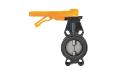
A butterfly valve is one of the simplest ways to control water in an irrigation line. A disc sits inside the pipe and turns with the handle. When it lines up with the flow, water passes through. When it turns across, flow slows down or stops.
Because the movement is simple, these valves are widely used in irrigation. But choosing the right one is not just about size or price. It depends on how the system actually runs, day after day, in the field.
Irrigation systems don’t work in a fixed state. Pumps start and stop. Sections open and close. Pressure moves through the pipeline depending on what else is running.
When these changes happen suddenly, the system feels it. Water can surge or drop without warning. Emitters react unevenly and joints take strain. A valve that opens and closes smoothly helps reduce these effects, which is why the butterfly valve type matters more than it first appears.
Material choice shows up over time, not on day one. Plastic wafer butterfly valves are lighter, so they’re easier to install and move around when lines are being adjusted. They also don’t need much effort to operate, which makes a difference when valves are handled often.
Hybrid wafer butterfly valves are usually picked when systems run longer hours or see higher pressure. The PVC body keeps things practical, while the stainless steel disc holds up better under load. In the end, choosing a butterfly valve type comes down to how hard the system works, not how good it looks on a spec sheet.
In many fields, pressure is not the same everywhere. Long pipelines and shared pumps mean one change affects another part of the system.
If a valve reacts too quickly, those changes become sharper. When a valve allows water to enter more gradually, the system settles better. This shows up in situations where filtration backwash or section changes cause short pressure shifts.
Valves are adjusted often during the season. A valve that stays where it is set and does not vibrate makes daily work easier.
Wafer type butterfly valves are commonly used because they fit between flanges without needing extra space. Their construction is straightforward, and it is easy to see whether the valve is open or closed. Over a long season, this simplicity matters.
A flow control valve does more than stop or start water. It influences how water enters the system and how calmly it moves through it.
If flow is forced in suddenly, pressure stress travels down the line. When it comes in more gently, the system stays balanced. Butterfly valves support this kind of control by allowing gradual adjustment instead of abrupt restriction.
Field conditions are not kind to equipment. Heat, dust, and long operating hours are normal. Valves often sit outdoors for months with minimal attention.
In these conditions, simpler designs usually last longer. A butterfly valve type with fewer moving parts is easier to manage and less likely to develop issues as the season progresses.
This is the same way Automat looks at valve design. The idea is to keep things working steadily in real field conditions, without adding parts that make day-to-day use harder.
Choosing a Butterfly valve type affects more than just one point in the line. It influences how the whole system behaves during every irrigation run.
When the valve suits the pressure range and layout of the field, irrigation tends to run with fewer interruptions.
Valve choice in irrigation isn’t something farmers can afford to treat lightly. How it handles pressure changes, repeated use, and rough field conditions shows up over time.
When the butterfly valve type suits the way the system actually runs, water tends to move more evenly and the rest of the setup stays under less strain through the season.