


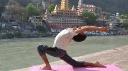
Rishikesh, often called the Yoga Capital of the World, is a sacred land where the ancient wisdom of yoga has been passed down through generations. Surrounded by the Himalayas and blessed by the spiritual energy of the Ganges River, Rishikesh offers the ideal environment for deep learning, inner transformation, and personal growth. For anyone seeking an authentic yogic journey, Yoga Teacher Training in Rishikesh opens doors to timeless knowledge, holistic well-being, and profound self-discovery.
While yoga is taught globally today, the roots of traditional yoga run deep in Rishikesh. The training here isn’t just about perfecting poses; it’s about understanding yoga as a lifestyle and spiritual science. When you learn yoga in this ancient city, you experience a form of education that blends physical practice, philosophical exploration, and meditative awareness—exactly the way it has been taught in India for thousands of years.
One of the most remarkable aspects of doing a Yoga Teacher Training in Rishikesh is the environment itself. The city is nestled at the foothills of the Himalayas, where peace, purity, and serenity naturally surround you. The air feels lighter, the views calmer, and the sound of the flowing Ganga becomes a continual reminder of renewal and clarity.
For many students, the setting amplifies their learning. Practicing yoga by the riverbanks at sunrise or chanting mantras in the stillness of twilight creates an atmosphere that helps you connect more deeply with your inner self. Rishikesh is not just a destination; it becomes a teacher in itself.
In Rishikesh, yoga isn’t treated as a trend but as a sacred legacy. Here, many teachers come from long lineages of yogic knowledge. Their teachings are grounded in ancient scripture and enriched by years of personal experience and disciplined practice.
During Yoga Teacher Training programs, students receive guidance on foundational principles such as:
Asanas (postures)
Pranayama (breathwork techniques)
Shatkarma (cleansing practices)
Meditation and Mantras
Yoga Philosophy (especially Patanjali’s Yoga Sutras)
Anatomy of the human body
Teaching methodology and class design
The blend of physical training, mental discipline, and spiritual exploration ensures that every student understands yoga far beyond the surface level. It becomes a journey toward self-awareness and balance.
Yoga Teacher Training programs in Rishikesh—whether 200-hour, 300-hour, or 500-hour—follow a curriculum designed to nurture your body, mind, and soul. Unlike fitness-oriented yoga found in many parts of the world, here the training is complete and time-tested.
The daily practice of asanas helps you develop strength, stamina, and flexibility. Instructors focus heavily on correct alignment, safe transitions, and how to adapt postures for all levels of students. Over time, you learn to feel the posture from within, rather than simply mimicking shapes.
Breathwork is one of the most transformative tools in yoga. Through pranayama, you learn to channel your energy, calm your nervous system, and develop deeper concentration. Techniques such as Nadi Shodhana, Kapalabhati, and Bhastrika are taught with traditional precision.
Meditation in Rishikesh feels different because of the spiritual vibration of the place. Daily meditation practices guide you into deeper awareness, helping you understand your thoughts, emotions, and inner patterns. Over time, meditation becomes a natural part of your lifestyle.
Traditional YTT programs explore the teachings from ancient texts such as:
Bhagavad Gita
Patanjali’s Yoga Sutras
Hatha Yoga Pradipika
Upanishads
Understanding these scriptures helps you see yoga as a holistic system designed for inner liberation and harmony.
To become an effective teacher, you must understand the science behind each movement. The anatomy classes in Rishikesh give you practical knowledge about muscles, joints, breath mechanics, and how to prevent injuries in your students.
Living the Ashram Lifestyle
One of the most enriching aspects of the training is the yogic lifestyle you adopt during the program. Daily routines are structured to support discipline, focus, and mental clarity. Students follow a routine that includes:
Early morning wake-up
Meditation and pranayama
Asana practice
Yogic meals
Philosophy and anatomy classes
Evening chanting or Satsang
Moments of silence
Living in an ashram setting helps cleanse your mind of distractions and brings you into a deeper connection with your inner truth. You begin to experience yoga not just on the mat but in the way you live, eat, breathe, and interact with others.
Rishikesh attracts seekers from every corner of the world. During your Yoga Teacher Training, you meet people who share similar aspirations and spiritual curiosity. This creates a warm, supportive, and inspiring community where you grow together, learn from each other, and build lasting bonds.
The shared experience of learning yoga in such a sacred place becomes a powerful memory that stays with you long after your training ends.
While the certification you receive after completing your Yoga Teacher Training is valuable, the true reward lies in how the journey transforms you internally.
You may notice:
Increased self-confidence
Greater emotional balance
A deeper sense of purpose
A clearer understanding of your spiritual path
Improved mental clarity
A calmer response to challenges
A healthier lifestyle
Many students describe their training in Rishikesh as a turning point in their lives—one that helps them let go of old patterns and embrace a more authentic version of themselves.
The world is filled with stress, fast-paced living, and constant distractions. Through Yoga Teacher Training in Rishikesh, you gain tools rooted in tradition that help you navigate modern life with grace. You learn how to integrate mindfulness, breath awareness, and yogic principles into everyday situations—whether at work, at home, or in relationships.
Once you complete your training, you are not only prepared to teach yoga but also capable of living it.