


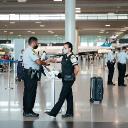
Airports are high-traffic, high-risk environments that require stringent security measures. With thousands of travelers passing through daily, airports become potential targets for threats ranging from theft to terrorism. Security guards form the first line of defense in such complex environments. Their presence is critical for maintaining order, enforcing regulations, and preventing security breaches. Without dedicated personnel ensuring safety, the efficiency and credibility of an airport can suffer immensely. In today’s ever-evolving threat landscape, airports rely heavily on trained security guards who not only provide physical protection but also help create a secure atmosphere for passengers and staff.
Airports handle international travel, large sums of money, and critical infrastructure—all of which make them attractive targets for criminal and terrorist activities. Security threats at airports can lead to massive consequences, including international incidents and loss of life. Because of this, multiple security layers are employed, with security guards playing a central role. They not only detect suspicious behavior but also act swiftly to prevent potential hazards. Whether managing restricted areas or monitoring surveillance systems, their role is indispensable in maintaining airport integrity.
Security guards at airports perform a wide range of responsibilities that contribute to overall safety. These include patrolling terminals, checking security badges, monitoring surveillance footage, inspecting cargo, and responding to alarms. Their duties often overlap with law enforcement, especially in emergency situations. Guards also assist with crowd control and help prevent unauthorized access to restricted zones. This proactive engagement not only deters crime but ensures smooth airport operations. Their constant vigilance is vital for early threat detection and mitigation.
One of the critical responsibilities of airport security personnel is to manage access points. By verifying IDs, boarding passes, and staff credentials, they ensure that only authorized individuals can enter sensitive areas. These guards monitor everything from employee entrances to baggage claim zones, keeping potential threats at bay. Their presence at security checkpoints also reassures passengers that their safety is being taken seriously. The effectiveness of access control largely depends on the attentiveness and professionalism of these security guards.
In times of crisis, whether it's a fire, medical emergency, or security breach, security guards are among the first to respond. They are trained in first aid, evacuation protocols, and coordination with emergency services. Their quick response helps contain incidents before they escalate. Their ability to remain calm under pressure is essential in high-stress environments like airports. These guards not only handle the situation physically but also communicate effectively with both staff and travelers to maintain order.
Security guards often act as the bridge between airport operations and law enforcement agencies. In many cases, they assist police in investigations or detain individuals until authorities arrive. Their familiarity with the airport’s layout and daily operations makes them valuable assets during security drills and real-life incidents. Whether providing witness accounts or video footage, their collaboration helps in thorough and efficient threat resolution. This teamwork ensures comprehensive coverage of airport security operations.
Modern airports use advanced surveillance systems, but these technologies still require human oversight. Security guards monitor CCTV footage in real-time, enabling them to detect suspicious activity as it happens. Their role is to interpret these visuals and act accordingly. Unlike automated systems, guards bring context, intuition, and decision-making to the process. By observing behavior patterns and responding instantly, they fill the gaps that machines cannot. This combination of tech and human judgment ensures comprehensive monitoring.
Security guards also serve as the first point of contact for travelers needing help. Whether someone is lost, confused, or in distress, guards step in to provide directions, assistance, or comfort. This dual role of protector and helper enhances the overall travel experience. It humanizes airport security, showing that safety doesn't come at the expense of passenger comfort. Their ability to remain approachable while maintaining authority is a valuable trait in such customer-facing roles.
Trained to recognize behavioral cues, security guards can detect potentially harmful individuals before an incident occurs. Their training includes identifying stress indicators, loitering, or avoiding eye contact—subtle signs that may indicate malicious intent. Once a suspicious person is identified, guards take preventive action, which might involve questioning, detaining, or alerting higher authorities. This vigilance is one of the most effective tools in preventing attacks or illegal activities inside the airport premises.
From smoking bans to prohibited items, security guards enforce airport rules to ensure safety and compliance. This includes making sure travelers follow liquid limits, removing banned items from carry-ons, and preventing illegal substances from entering secure areas. Their role is not just reactive but also educational—they inform passengers of regulations and help them comply without delays or confrontations. These tasks, though routine, are essential for seamless and secure airport operations.
Airports are vulnerable to petty thefts and vandalism, especially in crowded areas like baggage claims and terminals. Security guards act as visible deterrents in these zones, discouraging criminal activity. Their patrolling routines, coupled with observation skills, make it harder for criminals to act unnoticed. In case of theft, their rapid response and communication with airport authorities often lead to quick resolution. This prevention-focused approach ensures the property and belongings of travelers remain secure.
Certain airport zones—such as air traffic control rooms, runways, and cargo holds—require extra layers of security. Guards stationed at these points undergo specialized training to manage risks and ensure compliance. Their job is to maintain the sanctity of these areas by thoroughly checking credentials and preventing any unauthorized intrusion. The implementation of static guard services in such roles is essential, and professional providers like this team of specialists ensure these needs are met with precision.
The effectiveness of airport security largely depends on the quality of training guards receive. Programs cover legal regulations, emergency procedures, surveillance operation, and public interaction. Professional training ensures guards can adapt to changing threat levels and respond appropriately. With continued education and scenario-based drills, guards stay updated on the latest security protocols. Airports usually partner with certified providers like leading Australian security companies that specialize in aviation safety.
Despite their essential role, airport security guards face significant challenges. These include long shifts, dealing with uncooperative passengers, and staying alert in high-pressure situations. The psychological demands of the job are high, requiring resilience and dedication. Guards must also keep up with evolving security threats and technologies. These challenges make their contribution even more admirable, as they operate under constant pressure to ensure passenger safety.
Security guards play a foundational role in maintaining safety and efficiency at airports. Their ability to adapt, respond, and support both passengers and authorities makes them indispensable. From surveillance to customer assistance, their diverse responsibilities reflect the trust placed in them. Recognizing their role not only underscores their value but also reminds us that safety is a collective effort, heavily supported by these dedicated professionals.
1. What qualifications do airport security guards need?
They typically require security certification, background checks, and specialized training in airport regulations and emergency procedures.
2. Are airport security guards the same as TSA agents or customs officers?
No. While they may work alongside them, security guards are typically employed by private firms and focus on broader protection duties.
3. How do airport security guards handle emergencies?
They are trained to respond swiftly, administer basic first aid, evacuate areas, and coordinate with emergency services.
4. Do guards use weapons at airports?
In most cases, airport security guards are unarmed, relying on training, communication tools, and law enforcement support.
5. What is a static security guard?
A static guard remains stationed at a specific location such as a checkpoint or entrance, ensuring consistent monitoring and access control.
6. Can security guards detain suspects at airports?
Yes, they can detain individuals until law enforcement arrives, especially if the person poses an immediate threat.