


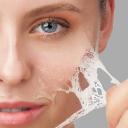
Hyperpigmentation and dark spots are among the most common skin concerns people seek treatment for, often caused by sun exposure, acne scarring, hormonal changes, or natural aging. While countless creams and serums promise to fade discoloration, chemical peels remain one of the most clinically effective options for meaningfully improving skin tone. This guide explains how peels target hyperpigmentation, which types work best, and what to expect from treatment for Chemical Peels in Dubai (التقشير الكيميائي في دبي). Before booking, it's worth reviewing this breakdown of the cost of superficial chemical peeling in the UAE to understand pricing for pigmentation-focused treatments.
Hyperpigmentation occurs when the skin produces excess melanin in certain areas, resulting in patches or spots that appear darker than the surrounding skin. Several types are commonly treated with chemical peels:
Sun spots (solar lentigines) develop from prolonged UV exposure and typically appear on the face, hands, and other frequently exposed areas.
Post-inflammatory hyperpigmentation (PIH) occurs after skin trauma, such as acne breakouts, cuts, or irritation, leaving behind darker marks as the skin heals.
Melasma is a more complex form of pigmentation often linked to hormonal changes, appearing as larger, symmetrical patches, typically on the cheeks, forehead, or upper lip.
Understanding which type of pigmentation you're dealing with matters, since some forms — particularly melasma — require a more cautious, specialized approach to avoid worsening the condition.
Chemical peels work by removing the outer layers of skin where excess pigment has accumulated, encouraging fresh, more evenly toned skin to surface underneath. Many peel solutions also inhibit melanin production directly, helping prevent new discoloration from forming while treating existing spots. Over a series of sessions, this combination of exfoliation and pigment regulation can lead to noticeably more even, brighter-looking skin.
As a popular superficial peel option, glycolic acid works well for mild pigmentation and overall dullness. It gently exfoliates the skin's surface, gradually improving tone with minimal downtime, making it a good starting point for lighter discoloration.
Particularly effective for pigmentation linked to acne, salicylic acid penetrates into pores and helps calm inflammation while also addressing surface discoloration. It's often recommended for those dealing with both active breakouts and post-acne marks simultaneously.
For more stubborn or deeper pigmentation, TCA peels offer a stronger option, penetrating further into the skin to target more established dark spots and sun damage. These medium-depth peels typically produce more noticeable results per session compared to lighter alternatives.
Some clinics offer customized peel blends that combine multiple acids, targeting pigmentation from different angles — exfoliating the surface while also addressing deeper pigment production. These are often tailored specifically to the patient's skin type and the nature of their discoloration.
A typical pigmentation-focused treatment plan starts with a consultation, where a specialist examines your skin, identifies the type and depth of your discoloration, and recommends an appropriate peel strength. Since pigmentation often requires a cumulative approach, most treatment plans involve multiple sessions spaced several weeks apart, allowing the skin to heal between treatments while gradually reducing discoloration with each round.
Results are rarely instant — noticeable fading typically builds over the course of several sessions rather than appearing after a single treatment, particularly for deeper or long-standing pigmentation.
Pigmentation treatment requires extra care for individuals with darker skin tones, as they are more prone to a risk called post-inflammatory hyperpigmentation — where the skin reacts to irritation by producing even more pigment, potentially worsening the original concern. A qualified specialist will choose peel types and strengths carefully for darker skin tones, often opting for gentler formulations and closer monitoring throughout treatment to avoid this risk.
While chemical peels are effective, they work best as part of a broader approach to managing pigmentation. This often includes:
It's worth noting that melasma, due to its hormonal nature, can be more resistant to treatment and prone to recurrence compared to sun spots or acne marks. While peels can help improve the appearance of melasma, they're often combined with other management strategies, and a specialist will typically set more conservative expectations for this specific type of pigmentation compared to other forms of discoloration.
Because pigmentation treatment carries some risk if handled incorrectly — particularly for darker skin tones or melasma — choosing an experienced عيادة تجميل دبي is especially important. Tajmeels offers chemical peel treatments guided by specialists who assess your specific type of pigmentation before recommending a peel strength, helping ensure your treatment plan is both effective and appropriately cautious for your skin type.
Chemical peels remain one of the most effective, clinically supported options for addressing hyperpigmentation and dark spots, whether caused by sun damage, acne scarring, or hormonal changes. The right peel type and strength depend heavily on your specific type of pigmentation and skin tone, making a proper consultation essential before starting treatment. With a personalized plan, consistent sun protection, and guidance from a qualified specialist, chemical peels can meaningfully improve skin tone and help fade even long-standing discoloration over time.