


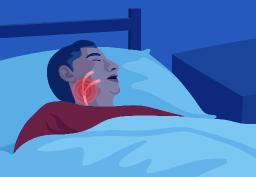
Sleep is essential for maintaining good health, yet millions of people struggle with sleep disorders that go undiagnosed for years. One of the most common and potentially serious conditions is sleep apnea. This disorder disrupts normal breathing during sleep, often leading to repeated breathing pauses throughout the night. While many people assume snoring is harmless, it can sometimes be a warning sign of a deeper issue. Consulting a skilled dentist in Wilmington can play an important role in identifying early symptoms and guiding patients toward proper care.
Sleep apnea affects more than just sleep quality. It can lead to significant health risks if left untreated. Unfortunately, many individuals remain unaware they have the condition because the symptoms occur while they sleep. Understanding the hidden dangers and seeking early diagnosis can make a major difference in protecting long-term health.
What Is Sleep Apnea?
Sleep apnea is a sleep disorder in which breathing repeatedly stops and starts during sleep. The most common type, obstructive sleep apnea, occurs when the muscles in the throat relax and block the airway. When this happens, the body briefly wakes up to restore normal breathing, often without the person realizing it.
These interruptions can occur dozens, or even hundreds, of times during a single night. As a result, the body never reaches the deep, restorative stages of sleep needed for physical recovery and mental alertness. Over time, this can lead to serious health complications and reduced quality of life.
Common Signs and Symptoms
Many people with sleep apnea are unaware they have the condition until a partner or family member notices unusual sleep patterns. Loud snoring, gasping for air, or frequent nighttime waking are common warning signs.
Other symptoms may include:
When these symptoms continue for long periods, they may indicate untreated sleep apnea in Wilmington, and professional evaluation becomes important.
The Hidden Health Risks of Untreated Sleep Apnea
Sleep apnea does more than disrupt sleep; it can also place serious strain on the body. Repeated interruptions in breathing reduce oxygen levels in the bloodstream, forcing the heart and brain to work harder throughout the night.
If left untreated, sleep apnea can increase the risk of several health issues, including:
Poor sleep quality can also affect productivity, mental health, and overall daily performance. In severe cases, excessive daytime fatigue may increase the risk of accidents while driving or working.
The Role of Dental professionals in Sleep Apnea Detection
Many people are surprised to learn that dental professionals often help identify signs of sleep apnea during routine exams. Dental professionals can observe physical indicators such as jaw alignment, airway structure, or signs of nighttime teeth grinding that may suggest breathing disruptions during sleep.
A knowledgeable dentist in Wilmington may recommend further evaluation or collaborate with sleep specialists to confirm the diagnosis. In some cases, dental appliances designed to reposition the jaw can help keep the airway open during sleep, providing relief for certain patients.
Why Early Diagnosis Matters
Early detection of sleep apnea can prevent long-term health complications and significantly improve quality of life. When diagnosed early, patients can explore a variety of treatment options tailored to their needs. These treatments may include lifestyle changes, oral appliance therapy, or other medical interventions recommended by healthcare professionals.
The sooner sleep apnea in Wilmington is identified, the easier it becomes to manage symptoms and protect overall health. Early treatment can restore restful sleep, improve energy levels, and reduce the risk of developing more serious medical conditions.
Taking the First Step Toward Better Sleep
Sleep apnea is a serious condition that should never be ignored. If you or someone close to you notices persistent snoring, fatigue, or breathing interruptions during sleep, it may be time to seek professional guidance. Consulting a dental professional or sleep specialist can help determine whether further evaluation is needed.
By recognizing the warning signs and prioritizing early diagnosis, individuals can take meaningful steps toward better sleep, improved health, and a higher quality of life. Addressing sleep apnea early ensures that both your smile and your overall well-being remain protected for years to come.
| No comments yet. Be the first. |
