


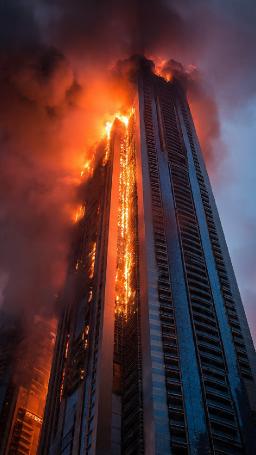
Modern buildings are expected to do more than look attractive. They must protect people, support comfort, and welcome visitors of all abilities. Whether it is a school, shopping centre, hotel, hospital, or office tower, owners now understand that good design should combine safety with accessibility. This is why many projects use cfd fire modelling during planning. It helps engineers study how smoke, heat, and airflow may move during an emergency. When these risks are understood early, buildings can be designed to improve protection while also supporting smoother movement for every person who uses the space each day.
People experience buildings in different ways. Some visitors may use wheelchairs, walking aids, or mobility scooters. Others may have visual, hearing, or cognitive challenges that affect how they move through a property. A modern building should respect these needs from the beginning rather than treating them as an afterthought. This is where Accessibility Consulting and Planning becomes highly valuable. It helps designers create entrances, corridors, washrooms, signage, and shared spaces that are easier to use. Inclusive design is not only about meeting standards. It is about dignity, independence, and creating spaces where everyone feels welcome and confident.
Many people think fire safety and accessibility are separate topics, but they often depend on each other. Clear routes, wide corridors, visible signs, and easy door access help during both daily use and emergencies. For example, an exit path that works well for a wheelchair user is also helpful for parents with strollers or visitors carrying bags. Stair access may need additional refuge areas or better communication systems. When safety experts and access specialists work together early, they can avoid conflicts later. This joined-up approach creates buildings that are practical, compliant, and easier for everyone to navigate.
Imagine a busy shopping mall on a weekend. Families, older adults, tourists, and staff all move through the same entrances and walkways. If corridors are narrow or signs are confusing, daily comfort suffers and emergency movement becomes harder. In another example, a hotel may welcome guests who have limited mobility or temporary injuries. Good design can include step-free entrances, easier room access, and clear emergency instructions. These details may seem small, but they strongly shape how people experience a property. Smart planning turns ordinary buildings into spaces that feel organized, safe, and respectful.
Inclusive and safe buildings often perform better over time. Owners may see stronger tenant interest, better customer satisfaction, and improved reputation in the market. Businesses want premises that support staff and clients without barriers. Families prefer apartments that are easier to use across different life stages. Investors also value properties that are future-ready and less likely to need costly upgrades later. Designing correctly at the start is usually more affordable than making changes after construction. It also shows that the project team cares about both people and long-term quality.
Rules, standards, and user needs can be complex, especially in larger developments. Expert guidance helps turn technical requirements into practical solutions that work in real life. Consultants can review plans, identify hidden issues, and recommend improvements before problems become expensive. They also help teams balance appearance, budget, safety, and usability without losing focus on the end user. Strong collaboration between architects, engineers, and consultants often leads to better results. The goal is simple: create places where people can move easily, feel secure, and enjoy the environment without unnecessary difficulty.
Successful buildings are those that protect people while welcoming everyone equally. That is why cfd fire modelling and Accessibility Consulting and Planning are both essential in modern development. Together, they support safer layouts, better user experiences, and long-term value for owners and communities. If you are planning a new project or improving an existing property, expert advice can help you make smarter decisions from day one.
| No comments yet. Be the first. |
