

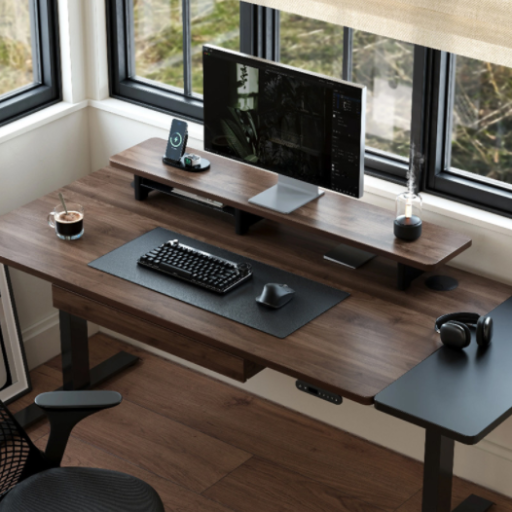
Bookcases have moved far beyond their traditional role as simple places to keep books. In 2026, they are increasingly treated as flexible furniture pieces that combine display, organization, and interior design. Whether you are furnishing a compact apartment, refreshing a home office, or creating a more polished living room, the right bookcase can influence both the appearance and functionality of a space.
This year's strongest design trends focus on adaptability, natural materials, integrated organization, and furniture that serves several purposes at once. Instead of choosing storage based only on capacity, homeowners are considering how shelving fits their routines, room proportions, and personal style. Here are the key bookcase trends worth knowing before your next furniture upgrade.
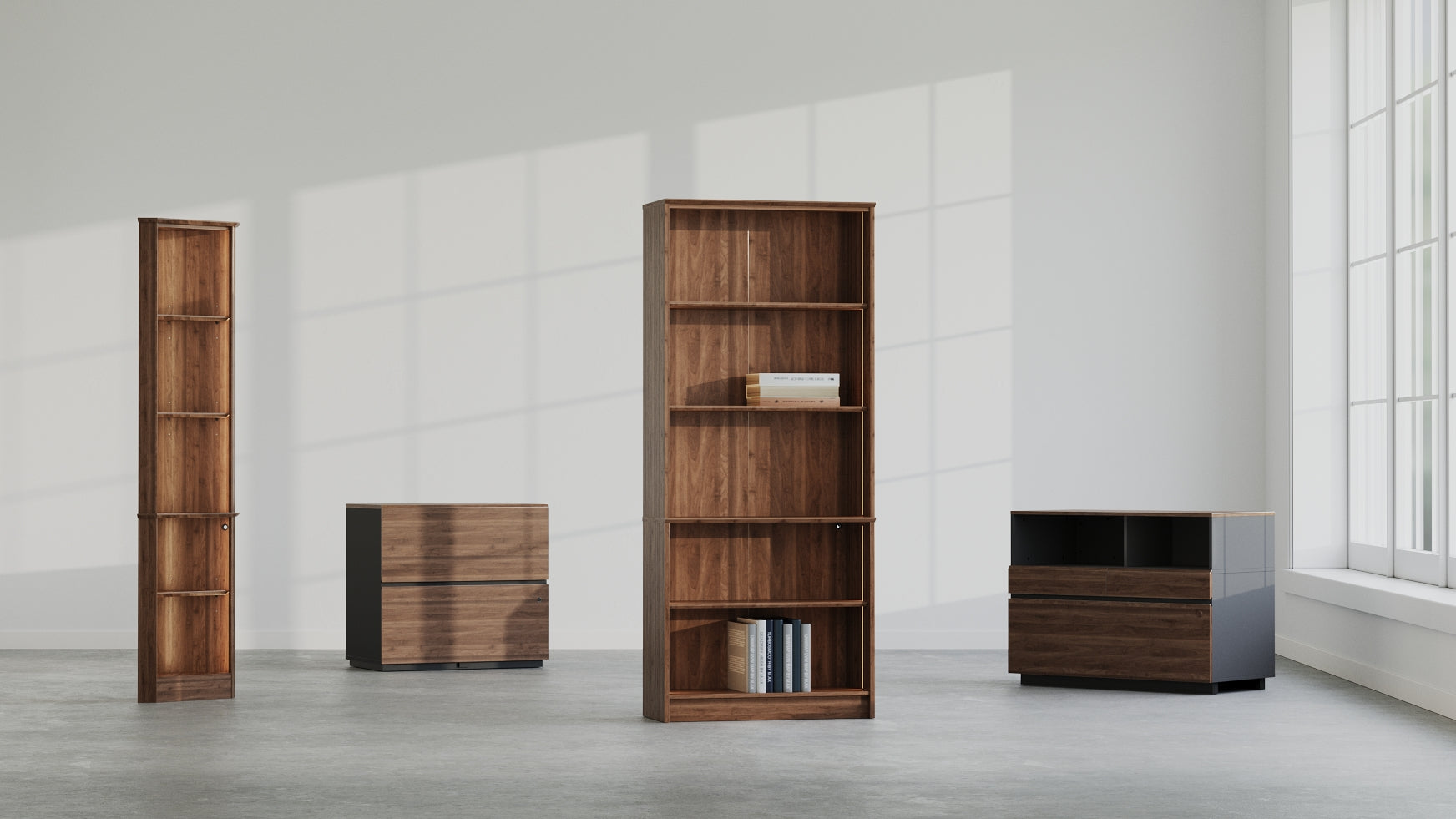
Natural-looking furniture continues to be a popular choice because it can make interiors feel warmer and more welcoming. A wood bookcase can work especially well in rooms where neutral walls, textured fabrics, and natural accents create a relaxed atmosphere. Rather than appearing purely functional, wooden shelving can become part of the room's visual identity.
Current designs favor clean lines and understated finishes instead of overly decorative details. Light wood tones can help smaller rooms feel brighter, while deeper finishes create a more substantial appearance in larger spaces. The important consideration is balance: the shelving should complement existing furniture rather than compete with it.
Another advantage of natural finishes is versatility. A well-designed wooden unit can transition from a family room to a bedroom, study, or entryway without looking out of place. This makes it a practical long-term investment for homeowners whose decorating preferences may change.
One of the most useful trends is the combination of open shelving with concealed compartments. A bookcase with storage allows homeowners to display books, photographs, plants, and decorative objects while keeping less attractive necessities out of sight.
This mixed approach is particularly useful in multipurpose rooms. Open shelves provide visual interest, while enclosed areas can hold paperwork, electronics, toys, office supplies, or everyday items. The result is a room that feels organized without requiring every object to be displayed.
Designers are also paying greater attention to visual rhythm. Alternating open and closed sections prevents a large shelving wall from looking monotonous. It also gives users the freedom to decide which belongings deserve attention and which should remain neatly hidden.
Storage is no longer something that needs to disappear completely. Modern interiors increasingly treat organizational furniture as a deliberate design feature. A carefully planned shelving arrangement can define a room, separate functional zones, or create a focal point without requiring additional decorative furniture.
For home offices, integrated organization is particularly valuable. Filing Cabinets for Home Office can keep important paperwork accessible while maintaining a cleaner work area. Choosing furniture with coordinated proportions and finishes helps the entire workspace feel intentional rather than assembled from unrelated pieces.
The same principle applies in living areas. Shelving can organize media equipment, children's belongings, decorative accessories, and books within a single visual system. Instead of adding several small storage pieces, homeowners can often achieve a cleaner appearance with one thoughtfully configured solution.
As home offices become smaller and more flexible, compact filing furniture is gaining attention. An under desk file cabinet can make use of otherwise overlooked floor space while keeping frequently used documents close at hand. This approach is especially helpful when a dedicated office room is not available.
Compact filing units can also support a more disciplined workspace. Instead of allowing papers to accumulate on the desktop, users have a designated place for contracts, invoices, records, and other materials. Mobility can add another layer of flexibility, allowing the storage unit to move when the room's layout changes.
For a cohesive appearance, match the finish and proportions of filing furniture with the surrounding shelving. This creates a unified workspace rather than making the filing unit look like an unrelated office accessory.
Not every document needs to be stored vertically. A lateral file drawer offers a wider format that can be convenient for organizing folders and paperwork from side to side. Its horizontal orientation can also make it easier to place the unit beneath a work surface or alongside a bookcase.
This style is particularly useful for people who manage a mixture of household and professional documents. Labels can be arranged clearly, making frequently accessed information easier to locate. When combined with open shelving above or nearby, the result is a practical organization center that serves multiple purposes.
Another emerging preference is furniture that hides visual clutter while preserving easy access. A Lockable Storage Cabinet can provide a more secure location for sensitive paperwork, valuables, or materials that should remain away from children and visitors. Security features therefore become part of thoughtful furniture planning rather than an afterthought.
Perhaps the most significant trend is modular furniture. A modular bookcase can adapt as your needs change, making it particularly attractive for modern households. Instead of committing to one fixed configuration, users can arrange components according to available wall space, storage requirements, and changing room functions.
This flexibility is valuable in growing families and smaller homes. A shelving system may begin as a compact arrangement for books and décor, then expand when additional storage is needed. In a home office, the same system can evolve to accommodate files, equipment, and supplies as work habits change.
Modular design also encourages creative layouts. Units can be arranged horizontally, vertically, or in combinations that create visual separation between areas. For example, shelving can distinguish a workspace from a living area without constructing a permanent wall. This makes modular furniture particularly well suited to open-plan interiors.
Following design trends can be enjoyable, but the best choice is one that remains useful after the trend changes. Start by measuring the available wall and floor space, then consider what you actually need to store. Think about the size of books, documents, electronics, decorative pieces, and everyday items before selecting a configuration.
Pay attention to proportion as well. Oversized furniture can overwhelm a compact room, while undersized shelving may fail to provide enough capacity. Finish, color, hardware, and shelf arrangement should also complement the rest of the interior.
Most importantly, prioritize adaptability. Furniture that can support display today and organization tomorrow offers greater value than a design chosen solely for appearance. The strongest bookcase trends of 2026 reflect exactly this idea: beautiful furniture should make everyday living easier.
Bookcase design is becoming more versatile, practical, and personalized. Natural finishes bring warmth, combined shelving makes organization more attractive, and compact filing solutions help maximize limited work areas. Above all, flexible systems allow furniture to evolve alongside the people and spaces that use it.
Whether you prefer a calm minimalist interior, a warm contemporary room, or a highly functional home office, thoughtful shelving can provide both character and order. By choosing a configuration based on your lifestyle rather than a temporary aesthetic, you can create an organized space that remains useful well beyond this year's design trends.
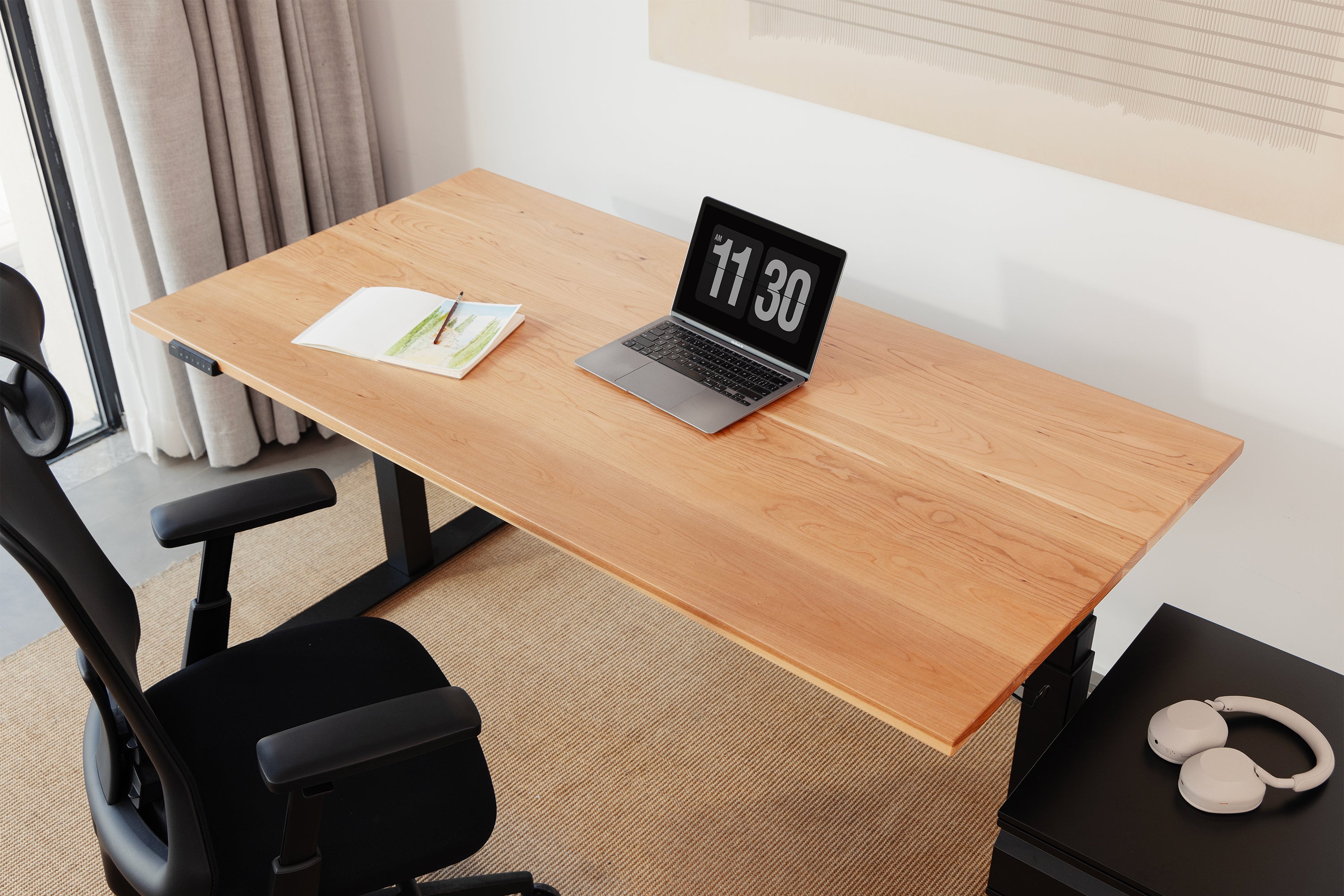
A productive workspace should feel calm, clear, and easy to use. Yet many desks slowly collect the kinds of distractions that make focus harder: cable tangles, noisy accessories, overlapping devices, paper piles, and constant small movements that break concentration. When the desk area becomes busy, the mind often follows. The result is a workspace that feels louder and more chaotic than it should.
Reducing noise and clutter is not only about aesthetics. It is about making the work area easier to maintain, easier to move through, and easier to concentrate in for long stretches of time. A cleaner layout can also support better posture, smoother transitions between tasks, and less frustration during the day. The ideas below show how to shape a quieter, more organized desk area without turning your workspace into a showroom.
The most effective way to reduce clutter is to begin with the desk itself. A stable, simple surface gives every item a clear place to sit and makes it easier to avoid visual overload. If the workstation is already crowded before the workday begins, clutter will only build faster. A cleaner foundation encourages more thoughtful placement and less random stacking.
Think of the surface as the control center for the room. The fewer unnecessary objects it holds, the easier it becomes to work without interruption. Keep only the items that are truly used every day, such as a monitor, keyboard, notebook, or essential accessories. Everything else should live in a drawer, shelf, or organizer nearby. That one habit alone can dramatically improve the feel of the space.
A desk that supports both seated and upright work should also support different levels of activity. One way to reduce clutter is to divide the surface into zones. Use one area for active computer work, another for notes or paper documents, and a third for items that are only needed occasionally. When each zone has a purpose, the workspace stops feeling like a pile of tools and starts functioning like a system.
This approach also helps with noise. When items are spread out randomly, they are more likely to shift, rattle, or bump into one another. A more intentional layout makes movement quieter and more controlled. If the desk has a clear rhythm to it, the entire room tends to feel less frantic. Order on the surface often leads to a calmer experience throughout the day.
Workspace calm is not just about what is visible. It is also about what the desk feels like to use. A well-designed workstation should help reduce unnecessary motion, limit surface vibration, and support a smooth routine from one task to the next. When the setup is intuitive, there is less need to fumble with accessories or shift objects around repeatedly.
That kind of quiet usability matters because small distractions add up. If the desk is difficult to adjust, crowded with objects, or awkward to clean, the task of staying organized becomes part of the mental load. A cleaner, simpler setup makes the whole day feel easier. The goal is to create a workspace that fades into the background while the work takes center stage.
Cable clutter is one of the biggest causes of visual noise around a desk. Loose cords hang into walking space, catch on objects, and make the workstation look busier than it needs to be. A better approach is to route cables intentionally so they stay close to the desk frame and out of the way of movement. Clips, sleeves, and trays can help reduce both mess and distraction.
It is also useful to keep devices in fixed positions whenever possible. A charger, hub, or monitor stand that always stays in the same spot creates predictability. That predictability helps reduce the tiny adjustments that often create unnecessary noise and disorganization. With a little planning, the desk can stay easier to maintain even on the busiest workdays.
A powered system can help reduce both physical effort and the small noises that come with manual adjustments. When a desk changes height smoothly, there is less scraping, bumping, and shifting of objects on the surface. That matters if you switch positions several times a day, especially in a quiet home office or shared space where sound carries easily.
To keep the area quieter, make sure the desk has enough free space around it before adjusting height. Items placed too close to the edge may fall, knock together, or make noise during movement. A clear transition zone makes the desk easier to use and helps protect the calm of the room. Quiet movement is one of the easiest ways to make a workspace feel more polished.
A corner layout can be a strong choice when clutter tends to spread. The shape naturally creates two sides, which makes it easier to separate active work from storage or reference materials. One side can hold the tools used every hour, while the other can support papers, backup items, or less frequently used equipment. That separation keeps the main working area cleaner and easier to scan at a glance.
The layout can also help reduce noise from repeated movement. When items are grouped more thoughtfully, there is less need to keep shifting things around during the day. That means fewer accidental bumps, fewer dragged objects, and fewer interruptions. A corner arrangement works especially well when the desk area needs to serve multiple tasks without feeling crowded or disorganized.
A refined workspace often encourages better habits. When the desk looks intentional and well arranged, it is easier to keep it that way. A polished surface can help prevent clutter from spreading because it creates a visual expectation of order. That does not mean the desk has to be decorative. It simply means the setup should feel composed enough that random piles stand out and are easier to correct.
This matters in work areas where meetings, planning sessions, or client-facing tasks happen often. A cleaner desk can make the room feel more professional, and a professional atmosphere often leads to more careful maintenance. People tend to keep a station neat when it looks like a place where order matters. That small psychological effect can go a long way.
A warm surface can make a workspace feel less stark and less noisy, both visually and mentally. Natural textures often create a calmer atmosphere, which can reduce the urge to fill the desk with extra objects. When the surface itself feels pleasant, the room may need less decoration, and that can help keep clutter under control.
Material choice also influences how sound behaves. Hard, empty spaces tend to feel sharper and noisier than areas with a more balanced design. A workspace with a warmer finish can feel more grounded and comfortable, especially when paired with soft storage solutions and a simple layout. The result is a calmer desk area that supports focus without drawing attention to itself.
It can be useful to see how other users talk about daily maintenance and workspace order. Feedback often reveals whether a desk is easy to keep tidy, whether the adjustment system stays smooth over time, and whether the frame supports good cable routing. Those details matter because a well-organized desk is usually easier to keep quiet and clutter-free.
Reviews can also point out practical strengths that are not always obvious in product photos. Some users care most about stability, others focus on storage compatibility, and others talk about how well the desk fits into a small room. Reading those experiences can help shape a better setup before clutter even has a chance to build. Real-world feedback is often one of the best tools for avoiding preventable workspace problems.
The cleanest desk is usually the one that is easy to reset. At the end of each day, take a minute to return items to their home, coil loose cables, and clear anything that does not need to stay on the surface overnight. That small habit prevents clutter from becoming a morning problem. It also keeps the desk ready for use instead of requiring a cleanup before work can begin.
Noise control works the same way. If accessories are stable, routes are tidy, and the surface is not overloaded, the desk stays quieter naturally. There is less rattling, less dragging, and less movement to notice. Small routines create lasting calm. Over time, the workspace begins to feel easier to use because it is no longer fighting the user’s attention.
Reducing noise and clutter is ultimately about preserving focus. When the desk area is orderly, the mind has fewer distractions to process and the day feels more manageable. A simple, quiet setup does not just look better. It supports better work by creating a more peaceful place to do it.
In the last decade adjustable desks have shifted from a niche ergonomic accessory to a mainstream element of healthy workspaces. Researchers and workplace designers are especially interested in how standing while working influences cardiovascular risk factors, metabolic markers such as blood glucose and lipids, and general energy expenditure. This article reviews the evidence, explains plausible physiological mechanisms, and gives practical guidance for workers considering a Best Stand Up Desk or a broader sit–stand strategy. We’ll examine differences between desk types — from a simple Height Adjustable Desk to an Electric Adjustable Desk — and consider how desk configuration (including options like a Standing L Desk or well-finished Standing Desk Wood) can support long-term health gains.
One consistent finding across observational studies is that sit–stand solutions reduce total sitting time when users actually change posture. Less sitting means shorter periods of uninterrupted inactivity — a recognized behavioural risk factor for poor cardiometabolic health. Controlled workplace trials show that simply introducing a standing option (a Best Stand Up Desk among them) reduces sitting by roughly 60–120 minutes per workday on average. That reduction is meaningful because several meta-analyses link prolonged sedentary bouts with higher fasting glucose, worse triglyceride profiles, and elevated waist circumference. Importantly, the benefit depends on use: a great desk alone does not guarantee behaviour change. Successful programs combine adjustable furniture with prompts, education and social norms that encourage frequent transitions.
Randomized trials that compare standing interventions to control conditions have produced encouraging but modest findings on cardiovascular markers. For example, studies measuring blood pressure show small but statistically significant reductions in systolic and diastolic pressure when active sit–stand schedules are adopted over several months. Mechanistically, standing increases venous return and mildly raises sympathetic activity relative to sitting, which could temporarily elevate heart rate; however, the longer-term cardiovascular improvements are thought to come from reduced sedentary time, improved endothelial function, and incremental increases in daily energy expenditure. Translating these physiological signals into clinical risk reduction will require longer follow-up, but the present literature supports modest improvements in intermediate markers such as fasting insulin and some inflammatory markers.
Metabolic health is where standing desks show particular promise. Several short-term trials using continuous glucose monitoring find that interrupting sitting with standing — especially if combined with light activity — attenuates postprandial glucose excursions. A Height Adjustable Desk makes it easier to implement these interruptions: users can alternate sitting and standing after meals, which helps skeletal muscle uptake glucose without the insulin spikes associated with continuous sitting. Over weeks, some trials report improved insulin sensitivity and lower average 24-hour glucose measures. While the magnitude of change is smaller than that produced by formal exercise, frequent, low-intensity movement integrated across the day provides a complementary metabolic benefit that is feasible for many people who cannot schedule dedicated exercise sessions.
User adherence is the key determinant of benefit, and this is one area where an Electric Adjustable Desk often outperforms manual designs. Electric desks lower friction to changing posture: transitions are faster, quieter and require less effort, so users are more likely to alternate positions frequently. Trials comparing electric models to non-adjustable setups show higher sustained reductions in sitting time at 6–12 months. From a physiological standpoint, more frequent posture shifts translate to more opportunities for small boosts in energy expenditure and momentary increases in muscular activity that help blunt glycemic spikes. For workplaces aiming to improve population-level metabolic health, investing in ergonomically designed electric systems can increase implementation fidelity and strengthen outcomes.
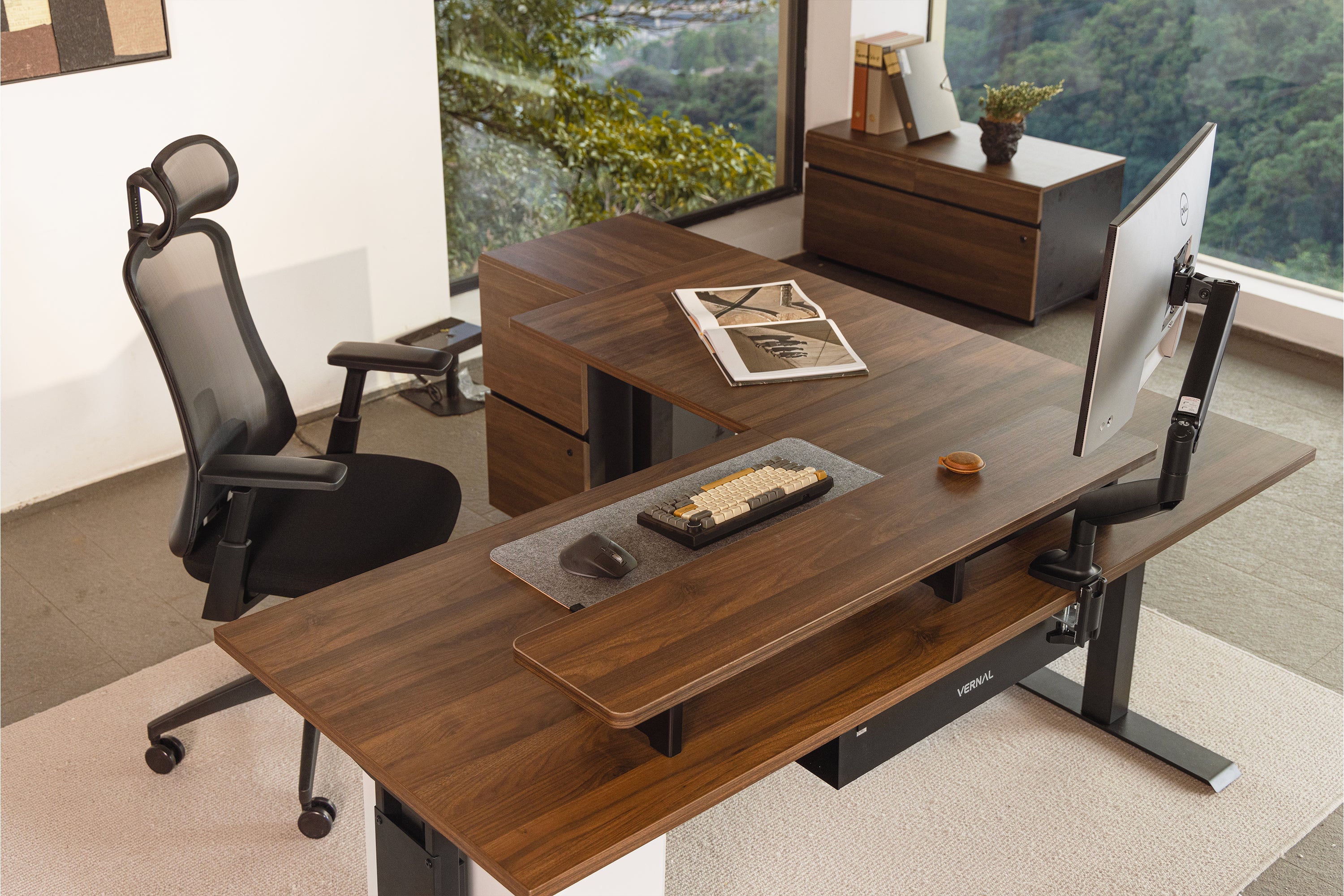
Desk layout and role matter. A Standing L Desk or robust Executive Standing Desks configuration invites multi-tasking and can support different work modes — focused seated work on one wing and standing planning or phone calls on the other. Adoption studies show that workers are more likely to use standing options when the desk design fits their workflow and preserves surface area for reference materials. In turn, higher and more appropriate usage produces stronger cardiometabolic signals in cohort studies. Employers should consider both ergonomic fit and the symbolic message: executive-grade adjustable furniture signals organizational commitment to health, which boosts uptake across teams.
Material and finish play a role in sustained behavior. A well-crafted Standing Desk Wood top may increase user satisfaction and thus long-term adherence. Comfort matters: if a desk feels solid and pleasant to use, people are likelier to integrate standing into their routine. Durability and low maintenance also support continuity. When planning interventions aimed at reducing cardiovascular and metabolic risk, choosing durable, user-pleasing surfaces is a small but meaningful factor that helps prevent drop-off over months and years.
To translate desk-based opportunities into measurable health gains, follow a few pragmatic rules: (1) Aim for regular posture changes — target standing for 15–30 minutes every hour rather than prolonged standing sessions. (2) Combine standing with light movement — short walks, calf raises or desk-side stretches augment glucose uptake. (3) Use presets and prompts — simple reminders and programmable heights on an electric desk improve adherence. (4) Monitor outcomes where possible — even basic measures such as step counts or occasional fasting glucose help demonstrate progress and motivate behavior. (5) Pair desks with organizational supports (culture, policies, health coaching) to sustain changes beyond novelty.
User feedback from multiple review aggregators highlights a common theme: well-designed sit–stand solutions encourage more movement and provide ergonomic flexibility. Reviews frequently praise ease of transition, stability and surface quality — features that increase daily use. While brand-specific reports should not substitute for clinical evidence, these practical signals help employers and individuals select desks that workers will actually use, which is the essential first step toward cardiovascular and metabolic benefit.
Standing desks are not a single cure for cardiovascular disease or metabolic syndrome, but they are a practical, scalable tool to reduce sedentary time and produce measurable improvements in intermediate risk factors. The physiological mechanisms — increased muscular activity, improved postprandial glucose handling and slight cumulative energy expenditure — are well supported by short- and medium-term studies. For the greatest impact, choose ergonomically suitable desks (electric models often drive higher adherence), integrate gentle movement, and support adoption through workplace culture and prompts. With thoughtful implementation, a sit–stand strategy becomes a low-friction addition to a broader lifestyle approach that supports heart and metabolic health.