


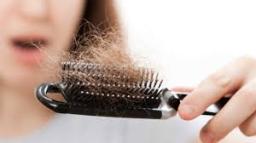
Hair loss is one of the most common concerns affecting men today. From gradual hair thinning to noticeable bald patches, male hair loss can occur at any age and progress quickly if left untreated. Fortunately, modern science has introduced highly effective hair fall treatments for men that can restore hair growth and improve scalp health.
In this detailed guide, we explore hair loss causes, types of hairfall in men, male balding patterns, and the best hair loss solutions available today.
Hair growth occurs in cycles consisting of growth, transition, and resting phases. When this cycle is disrupted, hair follicles shrink, resulting in weaker strands and increased hair shedding.
Several factors contribute to hair loss in men, including genetics, hormones, stress, and poor scalp health.
Understanding these triggers helps identify the most effective male hair loss treatment.
The most common cause is androgenetic alopecia, also known as male pattern baldness. This condition is inherited and progresses gradually over time.
The hormone dihydrotestosterone (DHT) can shrink hair follicles, leading to thinner hair strands and slower growth.
High levels of stress can force hair follicles into the resting phase, causing excessive shedding.
Hair follicles require vitamins and minerals for optimal growth. Deficiency in protein, iron, and biotin can weaken hair roots.
Frequent heat styling, chemical treatments, and harsh shampoos can damage hair shafts and accelerate hair thinning.
Recognizing the specific type of hair fall allows targeted treatment.
This condition begins with temple recession and thinning at the crown.
Hair density reduces across the entire scalp rather than in specific areas.
Small bald patches may appear suddenly due to autoimmune reactions.
Triggered by physical or emotional stress, this type causes temporary shedding.
Hair loss in men generally follows predictable stages.
Mild thinning and slight recession at the temples.
Hair loss becomes visible at the crown and front scalp.
Large bald areas appear as hair follicles stop producing hair.
Recognizing these patterns helps identify the most suitable hair growth treatment for men.
Preventive care plays a major role in maintaining hair health.
Hair requires nutrients like:
Protein
Omega-3 fatty acids
Iron
Zinc
These nutrients strengthen hair follicles and support regrowth.
A clean scalp prevents buildup of oil and dirt that may clog follicles.
Relaxation techniques help reduce stress-related hair shedding.
Excessive heat styling damages hair cuticles and weakens strands.
Reducing hair fall involves improving scalp health and stimulating hair follicles.
Massage enhances blood circulation, delivering nutrients to follicles.
Choose sulfate-free shampoos and conditioners that preserve scalp health.
Drinking adequate water helps maintain scalp moisture balance.
Physical activity improves blood circulation and supports healthy hair growth.
Modern trichology offers advanced solutions for restoring hair density.
Growth factor treatments stimulate damaged follicles and promote stronger hair growth.
PRP therapy uses concentrated growth factors derived from the patient’s blood to stimulate dormant follicles.
Detoxifying treatments remove buildup and improve scalp health.
Advanced therapies restore weakened follicles and strengthen hair roots.
Hair thinning treatments focus on strengthening existing hair while encouraging new growth.
Common options include:
Follicle stimulation therapy
Scalp rejuvenation procedures
Nutritional hair therapy
Regenerative hair treatments
These methods improve overall hair density and thickness.
Achieving long-lasting results requires a strategic approach.
Treating hair loss at the first signs prevents permanent follicle damage.
Customized solutions address individual hair loss patterns.
Regular evaluation ensures optimal treatment effectiveness.
Recent advancements in hair restoration focus on regenerative technology and follicle activation.
These treatments work by:
Stimulating natural hair growth cycles
Repairing damaged follicles
Strengthening hair shafts
As a result, men experience thicker, healthier hair growth over time.
To maintain results from hair loss treatments, consistent care is essential.
Key strategies include:
Maintaining a balanced diet
Protecting the scalp from harsh chemicals
Managing stress effectively
Following professional hair care guidance
These habits support sustained hair health and prevent recurring hair loss.
Hair loss in men is a manageable condition when addressed early with the right treatment. By understanding hair fall reasons, recognizing male balding patterns, and choosing the most effective hair loss treatment for men, it is possible to restore hair density and improve overall scalp health.
Modern hair growth treatments for men combine scientific innovation with personalized care, offering long-term solutions for hair thinning and baldness. With the right approach, men can regain stronger, healthier hair and renewed confidence.
| No comments yet. Be the first. |

