


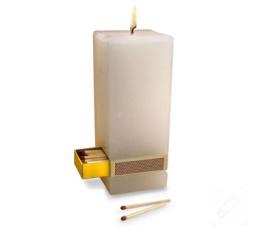
Using fire indoors can be risky if not handled properly. One small mistake can lead to big consequences. Learning how to use lighting tools safely at home is very important. This guide explains the safest ways to use fire-starting tools in your home, especially when lighting candles.
Fire safety starts with knowledge. Knowing how fire behaves helps prevent accidents. Fire needs heat, oxygen, and fuel to burn. If one of these is taken away, the fire will go out. Understanding this basic concept can help you stay safe.
Fire can start quickly and spread fast. Even a small spark near something that can catch fire can be dangerous. That’s why you should never use fire-starting tools near curtains, paper, or cloth. Make sure you are in a clear, open space.
It’s also important to keep children and pets away while lighting anything. Kids may try to play with fire, not knowing the danger. Always store fire tools in a locked cabinet, out of their reach.
Good ventilation is also key. Make sure the area where you light candles has fresh air coming in. This will keep smoke from building up. It also lowers the risk of harmful gases.
Before using any fire source, have a plan. Know where your fire extinguisher is. Keep water or sand nearby as a backup. If something goes wrong, you will be ready to act fast.
People often ignore the risk of loose hair or flowing clothes catching fire. Tie back long hair and avoid wearing long sleeves that hang near your hands. This one step can prevent many accidents.
Being careful doesn’t take much time. But it saves lives and homes. The more aware you are of your surroundings, the better your chances of staying safe.
Your home setup plays a big role in fire safety. Before using any fire-starting tool, make sure your space is ready. This means removing anything that could catch fire quickly. Look around and take away papers, plastic bags, or clothes lying nearby.
Choose a flat, sturdy surface to light your candles. Avoid wobbly tables or surfaces covered in cloth. A stable base prevents things from tipping over. That alone helps lower the risk of fire spreading.
Turn off fans and avoid using fire tools near open windows. Wind can blow flames in the wrong direction. Even a small breeze can cause a spark to land on something flammable.
Install smoke detectors in rooms where you often use candles. Test them once a month. Replace the batteries twice a year. A working smoke alarm can give you time to act if something goes wrong.
Keep a fire extinguisher close by. Choose one rated for home use. Read the label and learn how to use it before an emergency. It's best to know this information ahead of time, not during a crisis.
Use trays or holders under your candles. This stops melted wax from flowing onto surfaces and possibly causing a fire. Heat-resistant trays or ceramic plates work best.
Lighting tools should be kept in good shape. Don’t use damaged or wet matchboxes. Store them in a cool, dry place, away from heat sources and sunlight. They should be easy to reach but safe from children.
A clean, clutter-free area lowers fire risk. If you make this a habit, you reduce your chances of accidents. Taking these steps before using any flame makes your home much safer.
Using the right method to light candles or fires is just as important as safety gear. The way you strike a match or hold a lighter affects your safety. Doing it correctly can stop burns, drops, or accidents.
Start by checking your hands. They should be dry and free from oils or lotions. Wet or oily hands can make it hard to hold and strike a match safely. Grip the tool firmly but not too tight.
Strike away from your body. This simple move avoids sparks or flame reaching your face or clothes. Always hold the tool downward and tilt the item you're lighting. Let the flame go up into it naturally.
Use one match or strike at a time. If the first attempt doesn’t work, wait a few seconds. Let the tool cool down before trying again. Never use two at once. This may cause a flame that is hard to control.
Once the candle is lit, blow out the fire tool or place it safely where it can cool. Do not drop it on the floor or into trash that might burn. Wait until it is fully cool before disposing of it.
If using tools that stay hot, like a long lighter, put them far from children after use. Store them in a high cabinet. Make sure nothing touches the hot tip.
When lighting candles inside a container, angle the flame slightly. This prevents burns from sudden flare-ups. Never force your hand into a deep container. Use long matches or tools designed for such cases.
Correct lighting techniques not only keep you safe but also help candles last longer. Being careful with how you start a fire shows that you respect its power.
One of the most common causes of house fires is leaving flames unattended. Once a candle or any fire is lit, it must be watched at all times. Flames can change in size or direction quickly, especially if the air moves.
Stay in the room while the flame is burning. If you leave, blow it out. Even a short absence could lead to danger. Fires move fast. Being nearby lets you act immediately if needed.
Use timers if you plan to keep a candle burning for a while. Set an alarm to remind you when it's time to blow it out. It’s easy to lose track of time, especially when relaxing.
Don’t fall asleep with candles burning. It may seem peaceful, but it’s risky. Fires can flare up from wax overflow or falling objects. If you’re tired, wait until morning or use a battery-powered light instead.
Use candle holders made for safety. They should fit the candle tightly and catch any dripping wax. If wax spills on fabric or wood, it can burn slowly at first, then suddenly grow fast.
If you have pets, they must be kept away. A cat or dog can knock over a candle with just one movement. Place the candle on high shelves or inside protective covers where pets can't reach.
Check the candle now and then. Make sure it is burning evenly. A candle that flickers too much or smokes heavily may be near something flammable. Trim the wick to half an inch for a safer flame.
Being alert and keeping your flame within sight is one of the best ways to prevent fire emergencies. Supervision keeps small problems from turning into disasters.
Candle holders are more than just decoration. The right one adds safety while improving how your candle burns. Picking the correct holder makes your experience both beautiful and secure.
Glass and ceramic holders are among the safest. They don’t catch fire easily and can handle heat well. Choose holders with wide bases. This helps avoid tipping, especially on soft or uneven surfaces.
Avoid plastic holders. They may melt or burn if the flame touches them. Metal holders are a safer option, but be careful—metal gets very hot. Always place them on surfaces that won’t be damaged by heat.
Size matters when it comes to candle holders. The holder should match the candle. If it’s too big, the candle may lean and fall. If it’s too small, melted wax may overflow and cause a fire risk.
Look for holders with sides high enough to catch wax. This stops it from spilling over onto your furniture. Holders with handles also make it easier to move them, especially when hot.
Choose holders that are easy to clean. Wax buildup can cause the flame to burn unevenly or too high. A dirty holder may even trap heat in dangerous ways.
Consider safety-rated candle holders. Some products are made with fire-resistant coatings or tested for heat resistance. These are great choices, especially in homes with kids or pets.
A good candle holder protects your space and adds to the atmosphere. Take time to pick one that fits your needs. It’s an easy step toward safer candle use.
Keeping fire-starting tools and used materials stored properly helps reduce risks. Many accidents begin with items left carelessly after use. Safe storage and disposal are as important as safe usage.
Store lighting tools in dry, cool places. Moisture can damage them or make them less effective. Wet tools are harder to light and can become dangerous. Heat sources nearby can also cause problems, so choose your storage spot carefully.
Use a sealed container for storage. Keep tools upright and away from flammable items. High cabinets are best, especially in homes with children. Make sure pets can’t access them either.
After lighting a candle, dispose of used tools safely. If it’s a match, let it cool completely. Then place it in a non-flammable trash container. Never throw hot or still-glowing items into a bin with paper or cloth.
Don't reuse matches or damaged tools. If a matchstick breaks while lighting, do not try to relight it. Dispose of it and use a new one.
Check your disposal area often. Clean it to make sure no hot or flammable items remain. It takes only one overlooked spark to cause an issue.
Safe storage and disposal require only a little effort but offer great peace of mind. These habits are simple but highly effective in reducing household fire risks.
Fire safety is a shared responsibility. Everyone in your home should know how to act around open flames. Teaching both kids and adults creates a safer space for all.
Start by setting clear rules. Make sure children understand they must never play with matches or candles. Keep tools out of their reach, but also explain why they are dangerous.
Show older family members how to safely light and put out candles. Practice fire drills so they know what to do in case of emergency. Explain where to find the extinguisher and how to use it.
Keep safety instructions visible. Use simple posters or signs in areas where candles are often used. This keeps the rules fresh in everyone’s mind.
Encourage everyone to report broken holders, used matches, or unsafe setups. It helps prevent problems before they grow. Create a culture where safety is always part of the routine.
Children should be taught not just the dangers, but also safe habits. For example, waiting until an adult is present before lighting a candle or not touching hot wax. These small steps build lifelong habits.
When everyone is aware and careful, your home becomes a safer place. Education is one of the best tools we have to prevent accidents.
Many people make the same errors when using fire at home. Knowing these common mistakes helps you avoid them and keep your home safe.
One mistake is placing candles near open windows. Even a small breeze can blow flames into curtains. Always keep candles away from airflow.
Another mistake is using damaged tools. A cracked lighter or soaked matchbox might not light properly. This can cause sparks to fly or the flame to become too large.
People often forget to trim the wick. A long wick burns unevenly and gives off more smoke. Trim it to about half an inch before every use.
Leaving candles burning too close to each other is also risky. Flames can join together and burn hotter. Keep at least three inches between them.
One time, I saw someone place a candle on a TV set. The heat melted part of the surface. Always use heatproof, flat areas for your candles.
Do not walk around with a lit candle. It’s easy to trip or drop it. Light it where it will stay.
Only one use of candle matchboxes is needed in any safe routine. Make that one use count by doing it right, following all safety steps, and avoiding these common errors.
Learning from others' mistakes helps you be more aware. Safety comes down to being careful in every step, from lighting to disposal. Small choices make a big difference.
| No comments yet. Be the first. |
