


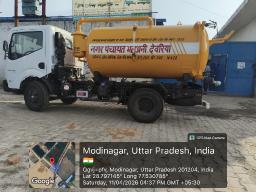
Sewer suction machines play an important role in maintaining clean, functional, and hygienic drainage systems. These machines are widely used by municipalities, contractors, industries, and sanitation departments to remove sewage, sludge, wastewater, and other accumulated materials from underground drains, septic tanks, manholes, and sewer lines. Because they often operate in demanding and dirty environments, regular maintenance is essential for maintaining performance, reducing downtime, and extending the service life of the equipment.
A properly maintained sewer suction machine can deliver consistent suction performance, consume fuel efficiently, and reduce the risk of unexpected breakdowns. Whether the equipment is truck-mounted, trailer-mounted, or designed as a combined suction and jetting system, following a structured maintenance routine can significantly improve operational efficiency. Here are some important maintenance tips to keep sewer suction machines working at their best.
A daily inspection should be the first step before operating a sewer suction machine. Check the overall condition of the vehicle, tank, suction system, hoses, valves, pump, control panel, and other major components.
Look for loose fittings, damaged hoses, oil leaks, unusual wear, cracks, and signs of corrosion. Make sure all valves and connections are properly secured. Inspect the suction hose for blockages or damage because even a small leak can reduce suction efficiency.
Pre-operation inspections help identify minor problems before they become expensive mechanical failures.
The vacuum pump is one of the most important components of a sewer suction machine. It generates the vacuum required to collect sewage, sludge, and liquid waste into the collection tank.
Check the pump regularly according to the manufacturer's recommended maintenance schedule. Inspect lubrication levels, seals, bearings, and other moving parts. If the pump requires oil, use the recommended grade and replace it at the specified intervals.
Operating a vacuum pump with insufficient lubrication or contaminated oil can cause excessive friction, overheating, and premature component failure. Regular pump maintenance ensures stable suction pressure and reliable performance.
The suction hose comes into direct contact with sewage, sludge, debris, and other waste materials. Residue can accumulate inside the hose after repeated operations, gradually restricting the flow of material.
After completing a cleaning operation, flush the suction hose with clean water whenever appropriate. Inspect the hose for cracks, cuts, flattened sections, or damaged couplings. Make sure the hose is stored properly without sharp bends or unnecessary pressure.
A clean and undamaged hose allows waste material to move efficiently and helps the vacuum pump maintain the required suction level.
The collection tank should be emptied and cleaned regularly. Leaving sludge or waste inside the tank for extended periods can lead to hardened deposits, unpleasant odors, corrosion, and reduced usable capacity.
After unloading the collected material, rinse the tank with suitable water pressure and remove accumulated residue. Pay particular attention to corners, internal surfaces, valves, and discharge areas where sludge can collect.
Regular tank cleaning also makes it easier to inspect the internal condition of the tank and identify corrosion or structural damage at an early stage.
Valves control the movement of liquid and sludge through the suction and discharge system. Damaged, blocked, or improperly sealed valves can reduce machine efficiency and cause vacuum loss.
Inspect valve seats, seals, handles, fittings, and connections regularly. Replace worn seals and damaged components as soon as necessary. Make sure valves operate smoothly and are completely closed or opened as required during operation.
Properly functioning valves help maintain consistent vacuum pressure and prevent leakage.
Many sewer suction machines use filters, separators, or protective systems to prevent liquid and solid particles from entering the vacuum pump. These components require regular inspection and cleaning.
A clogged filter can restrict airflow and reduce suction performance. In some situations, excessive contamination may also damage the vacuum pump.
Clean or replace filters according to the manufacturer's recommendations. Never ignore a dirty or damaged filtration component, especially when the machine is being used frequently in heavy-duty applications.
If the sewer suction machine uses hydraulic or pneumatic components, these systems should be inspected regularly. Check hydraulic oil levels, hoses, cylinders, fittings, and connections for leaks or damage.
Hydraulic leaks can reduce operating pressure and affect components such as tank lifting mechanisms, valves, doors, or other powered systems. Replace damaged hoses and seals promptly.
Keeping hydraulic and pneumatic systems in good condition helps ensure smooth operation and reduces the risk of sudden equipment failure.
For truck-mounted sewer suction machines, the condition of the vehicle engine directly affects the overall performance of the equipment. Follow the vehicle manufacturer's recommended schedule for engine oil changes, filter replacement, coolant checks, battery inspection, and other servicing requirements.
A poorly maintained engine can result in reduced power, higher fuel consumption, overheating, and unreliable operation. Since sewer cleaning equipment may need to travel between multiple locations, maintaining the vehicle chassis and engine is just as important as maintaining the suction system.
Modern sewer suction machines may include electrical control panels, sensors, warning systems, switches, and automated controls. Inspect these components regularly for loose wiring, damaged insulation, moisture, or corrosion.
Keep control panels clean and protected from excessive water exposure. Test emergency switches and other safety controls periodically to ensure they work correctly.
Electrical problems can cause operational interruptions and may also create safety risks, so they should be addressed immediately.
Regular lubrication reduces friction and wear in moving mechanical components. Hinges, bearings, shafts, linkages, and other moving parts should be lubricated according to the equipment manufacturer's instructions.
Using the correct lubricant is important because different components may require different grades or types. Avoid over-lubrication, as excessive grease can attract dirt and contaminants.
A proper lubrication schedule helps components move smoothly and extends their operating life.
Sewer suction machines regularly handle water, sewage, chemicals, sludge, and other corrosive materials. As a result, the collection tank and other metal components can be exposed to corrosion.
Inspect the tank, weld joints, mounting points, valves, and exposed metal surfaces periodically. If corrosion is detected, repair and protect the affected area before it becomes a structural problem.
Early corrosion control can prevent costly repairs and improve the long-term durability of the machine.
Maintenance is not limited to cleaning and servicing. Proper operation also plays a major role in equipment longevity.
Operators should avoid exceeding the machine's recommended vacuum capacity, tank capacity, or operating pressure. Do not use damaged hoses or continue operating the machine when abnormal sounds, excessive vibration, overheating, or loss of suction is observed.
Training operators to use the machine correctly can significantly reduce unnecessary wear and prevent avoidable breakdowns.
A preventive maintenance schedule helps ensure that important inspections and servicing tasks are not forgotten. Create daily, weekly, monthly, and periodic maintenance checklists based on machine usage and manufacturer recommendations.
Daily tasks may include visual inspections, hose checks, and tank cleaning. Weekly tasks can include filter inspections, lubrication, and valve checks. Periodic servicing may involve vacuum pump maintenance, hydraulic system inspection, engine servicing, and detailed tank examination.
Maintaining service records can also help identify recurring problems and determine when components need replacement.
Small damaged components can eventually affect the entire suction system. A worn gasket, cracked hose, damaged coupling, or leaking valve may reduce suction efficiency and place additional stress on the vacuum pump.
Instead of waiting for a component to fail completely, replace worn parts during scheduled maintenance. Using quality replacement components compatible with the machine can improve reliability and reduce future downtime.
Regular maintenance is essential for improving the performance, reliability, and service life of sewer suction machines. From inspecting hoses and maintaining the vacuum pump to cleaning the collection tank and servicing the vehicle engine, every component contributes to efficient operation.
A well-maintained sewer suction machine provides stronger and more consistent suction, reduces unexpected downtime, improves fuel and operating efficiency, and helps sanitation teams complete cleaning tasks more effectively. By combining daily inspections, preventive maintenance, proper operation, timely repairs, and scheduled servicing, municipalities, contractors, and industrial users can get maximum value from their sewer cleaning equipment.
The most important approach is to treat maintenance as an ongoing process rather than something performed only after a breakdown. A structured maintenance program not only protects the machine but also supports safer, faster, and more dependable sewer cleaning operations.
Also Read - How Sewer Cleaning Machines Improve Municipal Sanitation Operations
| No comments yet. Be the first. |
