


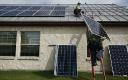
Installing solar panels is a long-term investment that can help businesses and homeowners make better use of renewable energy.
However, designing an efficient solar system involves much more than selecting high-quality panels or calculating roof space. One of the most important factors considered during the planning stage is shading.
Even a well-positioned roof can experience periods of shade throughout the day. Trees, neighbouring buildings, chimneys, roof vents, antennas, and other nearby structures can all influence how much sunlight reaches your solar panels.
Understanding these factors before installation helps create a system designed to perform efficiently throughout the year.
If you're considering solar panels installation in Melbourne, here's what you should know about how shading can influence system planning and why a professional site assessment is an essential part of the process.
No two roofs receive sunlight in exactly the same way.
Roof orientation, roof pitch, surrounding buildings, nearby vegetation, and seasonal sun angles all affect how much direct sunlight reaches the panels throughout the day.
A roof that appears sunny during one part of the day may experience shade during the morning, afternoon, or certain times of the year.
Rather than assuming every roof performs similarly, solar designers carefully evaluate each property's unique conditions before recommending a system layout.
This personalised approach helps maximise the potential of the available roof space.
Solar panels generate electricity by converting sunlight into usable energy.
The more consistent the sunlight reaching the panels, the greater the opportunity for efficient energy production.
When portions of the system experience shading, overall output may be affected depending on the system design and the type of equipment being used.
This doesn't necessarily mean a property isn't suitable for solar. Instead, it highlights why professional planning is so important before installation begins.
Not all shading affects a solar system in the same way.
Some sources of shade remain constant throughout the year, while others change depending on the season or time of day.
Permanent shading may come from nearby buildings, chimneys, roof structures, neighbouring properties, or fixed architectural features that consistently block sunlight.
Temporary shading often changes throughout the day or across different seasons. Common examples include:
Understanding both types helps designers position panels more effectively.
Professional solar planning begins with a comprehensive property assessment.
Rather than simply measuring the roof, installers evaluate how sunlight interacts with the property over time. This includes examining roof orientation, surrounding structures, nearby vegetation, and any features that may cast shadows across the proposed installation area.
During an assessment, installers may consider:
Gathering this information early allows the system to be designed around the property's specific conditions.
Roof direction and shading are closely connected.
A roof with excellent orientation may still experience reduced sunlight if surrounding trees or nearby buildings create significant shade. Likewise, a roof with a less-than-ideal orientation may still perform well if it receives uninterrupted sunlight throughout the day.
Rather than evaluating roof direction in isolation, solar designers assess both orientation and shading together to determine the most suitable panel placement.
This balanced approach helps optimise system performance.
Strategic panel placement is one of the most effective ways to manage shading during system design.
Instead of installing panels uniformly across the roof, designers may position them in areas that receive the most consistent sunlight while avoiding sections regularly affected by shade.
Depending on the property, this may involve:
Thoughtful planning helps improve overall energy generation without requiring major structural changes.
Trees provide valuable shade for homes and outdoor spaces, but they can also influence solar performance.
Branches may cast shadows over sections of the roof during different times of the day or as the seasons change. As trees continue growing, shading patterns may also evolve over time.
Rather than immediately removing trees, professional installers assess whether adjustments to panel placement or careful vegetation management may achieve a suitable balance between landscaping and solar performance.
Every property requires an individual assessment before making recommendations.
Modern solar technology provides greater flexibility when designing systems for properties with varying sunlight conditions.
Depending on the project's requirements, system designers may recommend equipment that helps optimise panel performance across different sections of the roof where appropriate.
Equipment selection is based on several considerations, including:
The most suitable solution depends on the individual property's characteristics rather than applying the same design to every installation.
Sunlight doesn't remain constant throughout the year.
The position of the sun changes between seasons, altering the length and direction of shadows across your property. A roof receiving full sunlight during summer may experience different shading patterns during winter.
Professional planning considers these seasonal variations to ensure the system performs effectively throughout the year rather than only during one particular season.
Long-term planning helps maximise the value of your solar investment.
Installing solar panels involves much more than placing modules wherever roof space is available.
Accurate measurements, shading assessments, roof inspections, electrical planning, and system design all contribute to the long-term success of the installation.
A carefully planned system is better positioned to make efficient use of available sunlight while accommodating the unique characteristics of the property.
Working with experienced professionals helps ensure every stage of the design process is based on careful evaluation rather than assumptions.
Each property presents its own opportunities and challenges.
Roof design, surrounding structures, nearby vegetation, household energy usage, and future plans all influence how a solar system should be configured. A system that works well for one property may not necessarily be suitable for another.
This is why personalised planning remains one of the most valuable parts of the installation process. By designing around the specific conditions of your property, installers can recommend a solution tailored to your long-term energy goals.
Successful solar panels installation in Melbourne begins long before the first panel is installed.
Understanding how shading affects sunlight throughout the day allows installers to create a system designed around your property's unique characteristics, helping maximise available roof space and support long-term performance.
With professional site assessments, thoughtful panel placement, and tailored system design, homeowners and businesses can move forward with greater confidence that their solar investment has been planned for lasting results.
At Sunrun Solar, we provide expert solar panels installation in Melbourne services tailored to the unique requirements of every property.
Our experienced team carefully assesses roof orientation, shading, energy usage, and installation conditions to design solar systems that maximise efficiency and long-term performance.
Contact Sunrun Solar today to arrange a professional site assessment and discover a customised solar solution designed to help you make the most of your renewable energy investment.
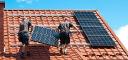
Installing solar panels is one of the smartest long-term investments homeowners can make.
A well-designed solar system can help reduce electricity bills, increase energy independence, and add value to your property. However, before choosing a system, it's important to determine whether your roof is suitable for solar panel installation.
Not every roof is the same. Factors such as orientation, size, structural condition, shading, and roofing material all influence how efficiently a solar system will perform.
Understanding these considerations helps ensure you get the maximum return on your investment.
If you're searching for solar panels installation Melbourne service, here's what every homeowner should know before moving forward.
The direction your roof faces has a significant impact on how much sunlight your solar panels receive throughout the day.
In Melbourne, north-facing roofs generally provide the highest solar energy production because they receive the most consistent sunlight.
East- and west-facing roofs can also generate excellent results, particularly for households with morning or afternoon energy usage.
Even if your roof isn't perfectly positioned, a professional installer can often design a system that still delivers strong performance.
The angle, or pitch, of your roof also influences solar efficiency.
A roof with the right slope allows panels to capture sunlight more effectively throughout the year while helping rain naturally wash away dust and debris.
Fortunately, most residential roofs in Melbourne are suitable for solar installations. Where necessary, installers can use specialised mounting systems to optimise panel positioning.
The amount of available roof space affects how many solar panels can be installed.
Larger roofs provide greater flexibility, allowing homeowners to install systems capable of generating more electricity. However, even smaller roofs can often accommodate systems that significantly reduce household energy costs.
During the site assessment, installers consider:
A customised design ensures every available section of your roof is used efficiently.
Solar panels are designed to remain on your roof for decades.
Before installation, the roof structure should be inspected to ensure it can safely support the additional weight of the mounting system and panels.
Professional installers evaluate:
If repairs are needed, it's generally more cost-effective to complete them before installing your solar system rather than removing panels later.
Most common roofing materials are compatible with solar panel installations.
These include:
Each roofing material requires specific mounting methods and installation techniques to ensure the system remains secure without compromising the roof's integrity.
Experienced installers understand how to work with different roof types while protecting your home from future issues.
Even a highly efficient solar system can lose performance if panels spend significant time in the shade.
Nearby trees, neighbouring buildings, chimneys, antennas, and other obstructions may reduce the amount of sunlight reaching the panels.
During a professional site assessment, installers analyse shading throughout different times of the day and across the seasons to determine the best panel placement.
In many cases, careful panel positioning or trimming nearby vegetation can minimise shading and improve system output.
If your roof is nearing the end of its lifespan, it may be worth replacing it before installing solar panels.
Solar systems are typically designed to last 25 years or more. Installing panels on an ageing roof could result in additional costs if the roof requires replacement shortly afterwards.
Assessing the roof's condition beforehand helps avoid the inconvenience and expense of temporarily removing the solar system for future roofing work.
Melbourne experiences a wide range of weather conditions throughout the year.
Your solar installation should be designed to withstand:
Using quality mounting systems and professional installation practices helps ensure long-term durability and reliable performance regardless of changing weather.
Every property is unique.
A professional assessment goes beyond measuring the roof and includes evaluating:
This information allows installers to recommend a system tailored to your household rather than offering a one-size-fits-all solution.
Your energy requirements may change over the coming years.
If you're planning to purchase an electric vehicle, install a home battery, renovate your property, or increase household occupancy, it's worth discussing these plans during the design stage.
Planning ahead ensures your solar system can continue meeting your energy needs well into the future without requiring major upgrades.
The quality of your installation has a direct impact on your system's safety, efficiency, and long-term performance.
When choosing a provider for solar panels installation Melbourne, look for a company that offers:
A trusted installer will design a system that suits both your roof and your long-term energy goals.
Installing solar panels is about more than simply placing panels on your roof. Factors such as roof orientation, pitch, structural integrity, shading, roof material, and available space all influence how efficiently your system will perform over its lifetime.
A professional assessment ensures your roof is suitable and helps maximise energy generation, long-term reliability, and your return on investment.
At Sunrun Solar, we provide tailored solar solutions designed to maximise energy savings for Melbourne homeowners.
From detailed roof assessments and customised system designs to high-quality installations and ongoing support, our experienced team is committed to delivering reliable solar systems that perform efficiently for years to come.
Ready to make the switch to clean, renewable energy?
Contact Sunrun Solar today for expert solar panels installation Melbourne services and let our team assess your roof, design the right system for your home, and help you start saving on energy costs with confidence.
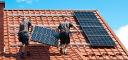
Installing solar panels is one of the most effective ways to reduce electricity costs and improve the energy efficiency of your home or business.
However, while many property owners focus on the type of solar panels or the size of the system, one important factor is often overlooked: the roof itself.
Your roof plays a significant role in determining how efficiently a solar energy system performs. Its size, shape, pitch, orientation, shading, and structural condition all influence where panels can be placed, how much sunlight they receive, and ultimately how much electricity they generate.
Modern installation techniques and customised system designs allow experienced installers to work with a wide variety of roof styles found across Melbourne.
If you're considering solar panel installation in Melbourne, understanding how roof design affects the installation process can help you set realistic expectations and ensure your system delivers the best possible long-term performance.
Why Roof Design Matters for Solar Performance
Solar panels generate electricity by capturing sunlight, so their position on the roof directly affects how much energy they produce.
A roof that allows maximum exposure to sunlight throughout the day generally provides better energy generation than one affected by poor orientation or heavy shading.
However, roof design influences much more than sunlight alone. It also affects:
Rather than simply fitting panels wherever space is available, professional installers design systems around the unique characteristics of each roof.
Roof Orientation Influences Energy Production
The direction your roof faces is one of the most important considerations during solar system design.
Different roof orientations receive varying levels of sunlight throughout the day.
North-Facing Roofs
In Melbourne, north-facing roofs generally receive the most consistent sunlight across the year. They often provide the highest overall energy generation and are frequently considered the preferred option for solar panel placement.
East- and West-Facing Roofs
East-facing roofs typically generate more electricity during the morning, while west-facing roofs produce stronger output in the afternoon.
These orientations can still deliver excellent performance, particularly for households whose electricity usage aligns with those times of day.
South-Facing Roofs
South-facing roof sections generally receive less direct sunlight, making them less suitable for primary panel placement. However, every property is different, and professional assessments determine whether these areas can still contribute effectively to the overall system.
Roof Pitch Affects Solar Efficiency
Roof pitch refers to the angle or slope of the roof.
This angle influences how directly sunlight reaches the solar panels throughout the year.
Moderate Roof Slopes
Many residential roofs in Melbourne already have pitches that work well for solar installations without requiring additional adjustments.
These roofs often allow panels to capture sunlight efficiently while supporting natural rainwater runoff that helps keep panels cleaner.
Steeper Roofs
Steeper roofs may present additional installation considerations, including specialised mounting equipment and safety procedures.
Although installation may become more complex, experienced installers can usually accommodate a wide range of roof pitches.
Low-Slope Roofs
Low-pitched roofs may require customised mounting systems to optimise panel angles and maximise solar production.
Professional design ensures the system performs efficiently while remaining structurally secure.
Roof Size Determines System Capacity
The available roof area directly influences the number of panels that can be installed. Larger roofs generally provide greater flexibility when designing solar systems. However, usable roof space is not determined by size alone.
Installers also consider:
Obstacles on the Roof
Features such as skylights, chimneys, roof vents, satellite dishes, evaporative cooling units, and antennas reduce the available installation area.
Careful planning allows installers to position panels around these obstacles while maintaining efficient layouts.
Safety Clearance
Adequate spacing is required around roof edges and access points to support safe installation and future maintenance.
Panel Configuration
Professional system design optimises panel placement to maximise electricity generation within the available roof space.
Even smaller roofs can often support highly efficient solar systems when designed correctly.
Roof Shape Can Influence Panel Layout
Not every roof has a simple rectangular design.
Modern homes frequently feature multiple roof sections, varying elevations, and complex architectural designs.
These characteristics influence how panels are arranged.
Hip Roofs
Hip roofs offer multiple installation surfaces but often provide smaller sections for panel placement.
System designers carefully distribute panels to maximise energy generation across different roof faces.
Gable Roofs
Gable roofs typically provide larger uninterrupted roof sections that simplify installation and panel layout.
Multi-Level Roofs
Properties with several roof levels may require more detailed planning to ensure panels receive consistent sunlight while maintaining attractive visual integration.
Professional design allows installers to adapt systems to almost any roof shape.
Structural Integrity Is Essential
Before installation begins, the roof structure should be assessed to ensure it can safely support the solar system.
Most modern homes have roofs capable of supporting solar panels.
However, older properties may benefit from additional structural assessment.
Professional installers evaluate:
Roof Condition
Damaged roofing materials should be repaired before installation to avoid future maintenance complications.
Structural Strength
The roof frame must be capable of supporting both the weight of the panels and environmental loads such as wind.
Long-Term Durability
Installing solar panels on a roof nearing the end of its lifespan may result in unnecessary future costs if roof replacement becomes necessary.
Addressing structural issues beforehand protects both the roof and the solar investment.
Shading Plays a Significant Role
Even a well-oriented roof may experience shading during parts of the day.
Common sources include:
Professional site assessments evaluate how shading changes throughout the day and across different seasons.
Where shading cannot be avoided, system designers may recommend technologies such as power optimisers or microinverters that help reduce the impact on overall system performance.
Proper shading analysis is essential for accurate energy production estimates.
Roofing Materials Affect Installation Methods
Different roofing materials require different installation techniques.
Experienced installers select mounting systems specifically designed for each roof type.
Examples include:
Tile Roofs
Tile roofs require careful handling during installation to minimise the risk of damage while securely attaching mounting hardware.
Metal Roofs
Metal roofing often allows efficient installation using specialised mounting brackets suited to the roof profile.
Colorbond Roofs
Colorbond roofs are commonly found throughout Melbourne and are generally well-suited to solar installations when appropriate mounting systems are used.
Choosing the correct installation method protects the roof while ensuring long-term system reliability.
Future Roof Access Should Be Considered
Solar panels remain on the roof for many years.
Good system design considers future maintenance requirements.
Installers typically plan layouts that allow:
Safe Access
Technicians should be able to inspect roofing materials and solar equipment safely without unnecessary difficulty.
Maintenance Flexibility
Leaving appropriate access pathways helps simplify future servicing of both the roof and the solar system.
Potential System Expansion
Some homeowners later decide to increase system capacity or add battery storage.
Planning may make future upgrades easier. Thinking beyond the initial installation often provides long-term benefits.
Choosing the Right Team for Solar Panel Installation in Melbourne
Selecting the right installer is just as important as choosing the right solar equipment.
An experienced provider understands how different roof designs influence system performance and develops solutions tailored to each property's unique characteristics.
When comparing providers for solar panel installation in Melbourne, look for a company that offers:
Comprehensive Roof Assessments
Professional installers should inspect roof orientation, pitch, structural condition, shading, and available space before recommending a system. A detailed assessment ensures the design is based on actual site conditions rather than assumptions.
Customised System Design
Every property has different energy needs and roof characteristics. A quality installer designs the system to maximise energy production while working with the available roof space and maintaining a neat, practical layout.
Experienced Installation Team
Installing solar panels safely requires technical expertise and attention to detail. Experienced installers understand how to work with different roofing materials and structures while ensuring the system is secure, compliant, and built for long-term performance.
Ongoing Support
Solar is a long-term investment. Choosing a company that provides ongoing advice, maintenance support, and assistance after installation gives homeowners greater confidence that their system will continue operating efficiently for years to come.
Conclusion
A successful solar system begins with more than choosing quality panels; it starts with understanding the roof that will support them.
Roof orientation, pitch, size, shape, structural condition, and shading all influence how efficiently a solar system performs. By carefully assessing these factors, professional installers can design systems that maximise energy generation while ensuring safe and reliable installation.
At Sunrun Solar, every solar panel installation in Melbourne begins with a detailed assessment of your property to develop a solution tailored to your home's unique roof design and energy requirements.
Rather than taking a one-size-fits-all approach, the team focuses on creating efficient, high-performing systems that deliver lasting value and reliable energy savings.
Start your journey towards smarter, more efficient energy. Book a consultation with Sunrun Solar and let our team design a solar solution that's built specifically for your home and your future.
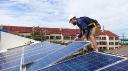
Switching to solar energy is one of the smartest long-term investments a Melbourne homeowner can make.
Lower electricity bills, reduced carbon footprint, and increased property value are just a few of the benefits that come with making the switch.
But once the panels are on your roof, many homeowners find themselves asking the same question: What does it actually cost to keep them running well?
Understanding the maintenance costs after solar panel installation Melbourne service helps you plan ahead, protect your investment, and ensure your system continues to perform at its best for decades to come.
The good news is that solar panels are designed to be low-maintenance. With no moving parts and durable materials built to withstand Australian weather conditions, they are one of the more straightforward home investments to look after.
However, low-maintenance does mean no maintenance. Dust, debris, bird droppings, and Melbourne's variable weather can all affect performance over time.
Staying on top of basic upkeep ensures you are always getting the maximum return from your system.
While costs will vary depending on your system size, location, and installer, understanding the general categories of maintenance expenses helps you budget realistically.
Solar panels accumulate dirt, dust, pollen, and grime over time, all of which reduce the amount of sunlight reaching the cells and lower energy output.
In Melbourne, where weather patterns include everything from summer dust to autumn leaves, periodic cleaning is important. Professional solar panel cleaning costs depend on system size and roof accessibility.
Most homeowners arrange a professional clean once or twice a year, though some choose to rinse panels with water from ground level more regularly as a simple maintenance habit.
An annual inspection by a qualified technician is one of the best ways to catch small issues before they become expensive problems.
During an inspection, a technician will check panel condition, inspect wiring and connections, assess the inverter, and review overall system performance.
For those who have recently completed a solar panel installation Melbourne-wide, scheduling an inspection in the first year is particularly recommended to confirm everything is operating as expected.
The inverter is the component that converts the DC electricity generated by your panels into usable AC electricity for your home. It is also the component most likely to require replacement during the lifespan of your solar system.
Most quality inverters carry warranties. When an inverter reaches the end of its life, replacement costs depend on the type and brand.
Budgeting for an inverter replacement once within the life of your system is a sensible approach to long-term financial planning.
Most modern solar systems include a monitoring app or online portal that allows you to track energy production in real time. While basic monitoring is often included with your system, some homeowners opt for upgraded monitoring packages.
Not every homeowner will face the same maintenance expenses. Several factors influence how much upkeep your system is likely to need.
Homes near construction sites, heavily treed areas, or locations with high bird activity tend to accumulate more debris on panels, requiring more frequent cleaning. Melbourne's seasonal weather, including spring pollen and autumn leaf fall, also plays a role.
Panels installed on steeply pitched or difficult-to-access roofs take longer to clean and inspect safely, which can increase labour costs. Flat or low-pitched roofs are generally easier and cheaper to service.
Older systems naturally require more attention. Components wear over time, and an ageing system may benefit from additional inspections or component upgrades to maintain optimal performance.
A high-quality solar panel installation Melbourne homeowners can rely on will generally incur lower maintenance costs over time. Proper installation, quality components, and correct wiring reduce the likelihood of faults and premature failures.
There are several practical steps you can take to keep ongoing costs manageable.
Monitoring your system's output regularly through your app means you can spot performance dips early before they develop into larger issues.
Keeping nearby trees trimmed reduces debris accumulation on panels. Booking annual inspections consistently rather than waiting for visible problems is almost always more cost-effective in the long run.
When you consider that a well-maintained solar system can deliver savings on electricity bills, annual maintenance costs represent a very small fraction of the overall financial benefit.
The key is approaching maintenance proactively, small, consistent investments in upkeep protect the larger investment sitting on your roof and ensure your system operates at full efficiency.
Solar energy offers Melbourne homeowners exceptional long-term value, and the maintenance costs involved are manageable when you understand what to expect and plan accordingly. Routine cleaning, annual inspections, and occasional component replacements are the main areas to budget for, none of which should come as a surprise when you are prepared.
At Sunrun Solar, we are committed to supporting Melbourne homeowners well beyond the installation day.
From high-quality solar panel installation Melbourne residents trust to ongoing maintenance guidance and servicing, our experienced team is here to ensure your solar system delivers maximum performance for years to come.
Get in touch with us today and speak with a solar specialist who can help you protect your investment and make the most of every ray of sunshine.
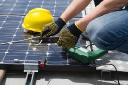
With rising energy costs and increasing awareness about environmental sustainability, more homeowners are turning to solar power as a reliable solution. One of the most effective ways to reduce electricity bills and contribute to a greener future is through residential solar panels installation Melbourne. This modern energy solution not only helps you save money but also increases the value of your property.
At Sunrun Solar, we provide high-quality solar solutions tailored to meet the needs of Melbourne homeowners. Our expert team ensures a seamless installation process and long-term energy efficiency.
Melbourne’s climate offers a great opportunity for solar energy generation. Even with varying weather conditions, solar panels can efficiently capture sunlight and convert it into electricity. This makes residential solar panels installation Melbourne a practical and beneficial choice for homeowners.
Another reason behind the growing popularity is the rising cost of electricity. Traditional energy sources are becoming more expensive, while solar energy provides a cost-effective alternative. With Sunrun Solar, homeowners can take control of their energy usage and reduce dependence on grid electricity.
Investing in residential solar panels installation Melbourne offers numerous advantages that go beyond just saving money.
Solar panels allow you to generate your own electricity, significantly lowering your monthly energy expenses.
Solar energy is clean and renewable, helping reduce carbon emissions and environmental impact.
Homes with solar panel systems are often more attractive to buyers and may have higher resale value.
By installing solar panels, you reduce reliance on traditional power sources and protect yourself from rising energy costs.
Many homeowners in Melbourne can benefit from rebates and incentives, making residential solar panels installation Melbourne even more affordable.
At Sunrun Solar, we help clients understand and take advantage of available incentives to maximize their savings.
Understanding the process can help homeowners feel more confident about switching to solar energy. The process of residential solar panels installation Melbourne typically involves several key steps.
First, a professional assessment is conducted to evaluate your property’s energy needs and roof suitability. Then, a customized solar system is designed to ensure maximum efficiency.
Once the design is approved, the installation process begins. Our team at Sunrun Solar handles everything from mounting the panels to connecting the system to your home’s electrical setup. After installation, the system is tested to ensure optimal performance.
We ensure that every step of the residential solar panels installation Melbourne process is smooth, efficient, and hassle-free.
Not all solar systems are the same, and selecting the right one is crucial for long-term performance. Factors such as roof size, energy consumption, and budget play a key role in determining the best system.
At Sunrun Solar, we offer customized solutions for residential solar panels installation Melbourne based on your specific needs. Our experts guide you through the selection process, ensuring you choose a system that delivers maximum efficiency and value.
We also use high-quality solar panels and advanced technology to ensure durability and long-term performance.
One of the major advantages of solar panels is their low maintenance requirements. Once installed, they require minimal upkeep to function efficiently. Regular cleaning and occasional inspections are usually enough to keep the system running smoothly.
With proper care, solar panels can last for 20 to 25 years or even longer. This makes residential solar panels installation Melbourne a long-term investment that continues to deliver benefits for decades.
At Sunrun Solar, we also provide maintenance support to ensure your system operates at peak performance throughout its lifespan.
Selecting a reliable provider is essential for a successful solar installation. At Sunrun Solar, we are committed to delivering top-quality services and customer satisfaction.
Here’s what sets us apart:
Expert Team
Our experienced professionals have in-depth knowledge of solar technology and installation practices.
Customized Solutions
We design every system based on your unique energy requirements and property specifications.
High-Quality Products
We use durable and efficient solar panels to ensure long-term performance.
End-to-End Service
From consultation to installation and maintenance, we handle everything for you.
Customer-Centric Approach
We focus on providing transparent and reliable services to ensure a smooth experience.
With Sunrun Solar, your journey toward residential solar panels installation Melbourne becomes simple and rewarding.
The future of solar energy in Melbourne looks promising, with more homeowners adopting sustainable energy solutions. Advances in technology are making solar systems more efficient and affordable than ever before.
As awareness continues to grow, residential solar panels installation Melbourne will play a key role in shaping a cleaner and more energy-efficient future. By investing in solar energy today, homeowners can enjoy long-term savings while contributing to environmental sustainability.
Switching to solar energy is one of the best decisions homeowners can make in today’s world. With benefits such as reduced energy costs, environmental impact, and increased property value, residential solar panels installation Melbourne is a smart and future-proof investment.
At Sunrun Solar, we are dedicated to helping Melbourne homeowners make the transition to clean energy with ease and confidence. Our expert team, high-quality products, and personalized approach ensure that you get the best results from your solar investment.
Take the first step toward a sustainable future with Sunrun Solar and experience the long-term advantages of residential solar panels installation Melbourne today.

Sunrun Solar specializes in efficient and affordable solar power installation Melbourne services for homes and businesses. At Sunrun Solar, our expert team delivers high-quality solar power installation Melbourne solutions designed to maximize energy savings and reduce carbon footprints. We use premium solar panels, advanced technology, and trusted installation practices to ensure long-lasting performance. Whether you’re switching to solar for sustainability or cost reduction, Sunrun Solar provides customized systems tailored to your energy needs. Experience reliable, eco-friendly power and long-term savings with Melbourne’s trusted solar experts—Sunrun Solar, your partner in clean energy innovation.