


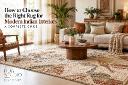
A thoughtfully chosen rug can change the way a room looks, feels and functions. It can bring furniture together, introduce colour and texture, soften hard flooring and create a welcoming atmosphere. In modern Indian homes, where interior styles often combine contemporary furniture with traditional elements, rugs offer a simple way to add warmth and personality.
However, choosing the right rug involves more than selecting a pattern you like. Size, material, colour, texture, placement and maintenance all influence how well a rug works in your space. Whether you are furnishing a new home or refreshing a familiar room, understanding these factors can help you make a more confident decision.
Before browsing designs, consider the room where you intend to place the rug. Think about its dimensions, furniture arrangement, natural lighting and everyday use. A rug that looks beautiful in a showroom may feel too small or overwhelming when placed in a different setting.
Measure the available floor area and note the position of sofas, beds, dining tables, doors and walkways. Leave enough visible flooring around the edges to create a balanced appearance. In compact rooms, a carefully sized rug can help define an area without making the space feel crowded.
It is also useful to consider the room's existing colours and materials. Wooden furniture, stone flooring, neutral walls and upholstered seating can all influence which rug colours and textures will work best.
Rug size is one of the most important elements of successful interior styling. A rug that is too small can make furniture appear disconnected, while one that is too large may hide too much flooring or make the room feel unbalanced.
In a living room, the rug should help connect the main seating arrangement. Ideally, the front legs of sofas and chairs should sit on the rug, creating a unified conversation area. In larger rooms, a generously sized rug can accommodate most or all of the seating furniture.
In a bedroom, a rug extending beyond the sides and foot of the bed can create a comfortable landing area. Alternatively, smaller rugs or runners can be placed beside the bed when space is limited.
Explore the bedroom rug collection for ideas that complement different bedroom layouts and decorating styles.
Long, narrow areas often benefit from runner rugs. These can introduce colour and texture while visually connecting different parts of the home. Measure the walkway carefully and allow enough room around the edges so the runner does not look cramped.
You can explore hand-tufted runner rugs for narrow spaces. For additional guidance before purchasing, consult this guide to common rug sizes.
The material of a rug affects its texture, appearance, durability and care requirements. The right choice depends on your preferences, household activity and the room in which the rug will be used.
Hand-tufted carpets are created by inserting yarn into a backing using a tufting tool. The process allows makers to produce a wide variety of patterns, colours, textures and designs. This versatility makes hand-tufted rugs suitable for interiors ranging from understated contemporary rooms to more expressive decorative spaces.
If you want to explore different patterns and finishes, browse the collection of hand-tufted carpets.
Jute rugs offer a natural appearance and textured surface. Their earthy tones can work well with wooden furniture, neutral palettes, natural materials and relaxed interior styles. Consider the room's moisture levels and the manufacturer's cleaning guidance before placing a natural-fibre rug in a particular area.
Shaggy rugs have a deeper, plusher texture that can make a room feel cosy and inviting. They may suit bedrooms, reading corners and relaxed living spaces. Because longer fibres can collect dust and debris more readily, regular maintenance is important.
Explore shaggy carpets if you prefer a softer, more textured look.
Regardless of the material, check the product's care instructions and suitability for the intended location before making a final choice.
Colour can influence the overall mood of a room. Neutral shades such as cream, beige, grey and taupe can create a calm foundation and work with many furniture styles. Richer colours and contrasting patterns can introduce energy or create a focal point.
If your furniture and curtains already feature bold colours, a more understated rug may help balance the room. In a neutral space, a patterned rug can add interest without requiring major changes to the rest of the décor.
Consider the amount of natural light the room receives. Lighter colours may help a compact room feel brighter, while deeper shades can create a more intimate atmosphere. Also remember that colours may appear different under daylight and artificial lighting.
Rather than matching every item exactly, look for complementary tones that help the room feel coordinated.
Rugs are available in many styles, including geometric designs, abstract patterns, traditional motifs, floral details and minimalist compositions. Choosing a pattern that suits your existing interiors can help create a more cohesive look.
Contemporary homes often work well with clean lines, restrained patterns and balanced colour combinations. Traditional interiors may suit detailed motifs and richer tones. Eclectic spaces can combine different patterns, provided there is some connection through colour, scale or texture.
When combining a patterned rug with patterned cushions or curtains, vary the scale of the designs. For example, a rug with a large geometric pattern may work alongside cushions with smaller, simpler motifs.
The goal is not to make everything identical. It is to create a room in which each element has a purpose.
Different rooms have different requirements, so the same rug style may not be suitable throughout the home.
Living room: Choose a size that connects the seating area and a material that suits everyday activity. Consider how the rug interacts with coffee tables, sofas and side chairs.
Bedroom: Comfort and appearance are often priorities. Softer textures and calming colours can help create a relaxing atmosphere.
Dining room: Select a rug large enough for dining chairs to remain on its surface when pulled away from the table. Consider how easily the material can be cleaned after spills.
Hallway: A runner can create visual continuity and add interest to a narrow passage. Make sure it lies securely and does not obstruct doors.
Home office: A rug can visually define a work area and soften the room. Consider chair movement and the suitability of the pile height for your office furniture.
Thinking about function first can help narrow your choices before you focus on decorative details.
A rug should look attractive, but it should also be practical to live with. Think about how much foot traffic the room receives, whether children or pets use the space and how much time you can devote to cleaning.
Vacuum rugs regularly according to their material and construction. Address spills promptly by following the manufacturer's care instructions, and avoid harsh cleaning products unless they are specifically recommended. Some rugs require specialist cleaning, so check the care guidance before purchase.
A suitable rug pad can help reduce movement and improve stability on many hard floors. Choose one appropriate for your flooring type and rug construction. Keep rug edges flat and check that the rug does not create a tripping hazard around doorways or walkways.
Routine care helps maintain the appearance of a rug and makes it easier to enjoy over time.
One common mistake is choosing a rug based only on its appearance without measuring the room. Always confirm the dimensions and plan the placement before ordering.
Another is overlooking the furniture arrangement. A rug should relate to the room's layout rather than sit randomly in an open area. Use measurements or mark the proposed rug dimensions on the floor to visualise the result.
It is also easy to underestimate maintenance. A deep-pile rug may be appealing, but it may require more attention than a flatter design in a busy household. Similarly, a delicate material may not be the best choice for an area exposed to frequent spills.
Finally, avoid selecting colours and patterns in isolation. Consider the flooring, furniture, lighting and existing décor together to create a balanced result.
A rug can be the finishing element that brings an interior together. It can define a seating area, add texture to a simple bedroom, introduce natural warmth or create a visual connection between adjoining spaces.
Rug Studio is an Indian rug and carpet brand offering thoughtfully designed floor coverings for modern interiors. You can visit the Rug Studio website to explore different rug styles and discover options for your home.
Take time to measure your space, compare materials and consider how each design will work with your furniture and lifestyle. The best choice is not necessarily the boldest or most expensive rug. It is the one that fits your room, meets your practical needs and reflects your personal style.
With the right combination of size, texture, colour and placement, a rug can make a home feel more comfortable, considered and complete.