


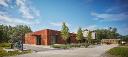
When planning pole barns texas, weather conditions should be considered from the earliest stages of building design and construction. Texas properties can experience extreme heat, heavy rainfall, strong winds, thunderstorms, and seasonal weather changes. These conditions can affect roofing, structural framing, drainage, ventilation, insulation, materials, and the overall durability of a building. Designing a structure around local environmental conditions can help protect equipment, livestock, vehicles, stored materials, and the building itself.
Weather is not the same across every part of Texas. Rural properties may have different levels of wind exposure, rainfall, soil moisture, and temperature depending on their location. A building designed for one environment may require different considerations in another. Understanding these factors before construction can help property owners make practical decisions about materials, layout, structural support, and long-term maintenance.
The first step in weather-conscious building design is understanding the conditions common to the property's location. Important factors include temperature, rainfall, wind, humidity, storms, and seasonal changes.
Texas summers can bring prolonged periods of high temperatures, while severe storms can produce heavy rain and strong winds. These conditions can affect both the building and the surrounding site.
Before construction begins, property owners should consider how the structure will respond to the local climate. This information can influence roof design, ventilation, drainage, structural connections, exterior materials, and insulation requirements.
The roof is one of the most exposed parts of any building. It protects the interior from sunlight, rain, wind, and other environmental conditions.
Roof pitch, framing, roofing materials, flashing, drainage, and structural connections should all be selected according to the building's intended use and local weather exposure.
In areas that experience heavy rainfall, the roof should provide efficient water runoff. Gutters and downspouts can direct water away from the building and help reduce moisture around the structure.
For pole barns texas, roof design should also account for wind exposure and applicable structural requirements. Proper connections between the roof, framing, walls, and supporting components are important for overall stability.
High temperatures can significantly affect enclosed buildings. Without adequate ventilation, interior temperatures can rise quickly, making the space uncomfortable and potentially affecting stored equipment and materials.
Ventilation features may include ridge vents, windows, wall openings, fans, and large doors. The appropriate system depends on how the building will be used.
Equipment storage buildings may require airflow to reduce heat and condensation, while workshops may need additional ventilation to remove heat, dust, or fumes. Agricultural buildings housing livestock require carefully planned airflow to support animal comfort.
Strong winds can place pressure on roofs, walls, doors, siding, and structural connections. Buildings located in open rural areas may experience greater wind exposure because there are fewer natural barriers.
Structural components should work together to transfer wind loads safely through the building and into the supporting ground. Proper anchoring, framing, bracing, connections, and roof design all contribute to structural performance.
Large equipment doors should also be carefully considered. Their size and placement can influence how the building responds to wind.
When planning pole buildings texas, property owners should discuss wind exposure and site-specific conditions during the design stage rather than treating storm resistance as an afterthought.
Heavy rainfall can create significant problems if water is allowed to collect around a building. Poor drainage can lead to standing water, erosion, muddy access areas, and prolonged moisture exposure around structural components.
The building site should be graded so water moves away from the structure. Gutters and downspouts can control roof runoff, while additional drainage solutions may be needed depending on the property.
Entrances should also be designed so rainwater does not easily flow into the building. Good drainage protects both the structure and the surrounding property.
Weather can affect the soil beneath a building as well as the structure above it. Changes in rainfall and moisture levels can influence soil behavior.
Some soils may expand or contract as moisture conditions change, while poorly drained areas may remain saturated for extended periods. These conditions can affect the stability of a building site.
Before construction, property owners should consider slope, soil characteristics, drainage, and water movement. Proper site preparation may involve grading, compaction, or other measures appropriate to the property.
A well-prepared site can provide better support and reduce potential maintenance issues.
Exterior materials should be selected based on the environmental conditions they will face. Roofing, siding, structural components, fasteners, doors, and other materials should be capable of handling heat, moisture, wind, and regular use.
Metal roofing and siding can provide practical weather protection for many agricultural and storage buildings. Treated structural materials may also be appropriate where moisture exposure is a concern.
Fasteners and connections should not be overlooked. Exposure to moisture can contribute to corrosion, so appropriate materials and protective measures should be considered.
The best material choice depends on the building's location, purpose, expected exposure, budget, and maintenance requirements.
Humidity can create problems inside enclosed buildings, particularly when warm air meets cooler surfaces. Condensation can affect metal components, equipment, tools, and stored materials.
Proper ventilation helps move humid air through the building and can reduce moisture accumulation. Insulation may also be useful in enclosed areas where temperature control is important.
However, insulation and ventilation should be planned together. Simply adding insulation without addressing moisture and airflow may not solve the underlying problem.
For pole buildings texas, climate-conscious ventilation can be particularly useful for equipment storage, workshops, agricultural buildings, and other enclosed spaces.
The orientation of a building can influence sunlight, wind exposure, ventilation, and access. Positioning doors and openings strategically can help improve airflow and reduce exposure to certain weather conditions.
The building's location should also consider existing trees, other structures, driveways, fields, drainage patterns, and future expansion.
A carefully selected location can improve both everyday usability and long-term weather performance.
Different buildings require different weather-related features. A structure used for agricultural equipment storage may prioritize large doors, ventilation, drainage, and weather protection.
A workshop may require insulation, electrical systems, lighting, ventilation, and temperature control. Livestock buildings may require additional airflow, shade, moisture management, and drainage.
Before construction, property owners should clearly identify how the structure will be used. This allows the design to focus on the features that provide the most practical value.
A building is a long-term investment, so planning should consider future needs. Property owners may eventually need additional storage, larger equipment doors, insulation, electrical systems, ventilation, or expanded floor space.
Designing with future improvements in mind can make modifications easier. Adequate space around the structure can also allow for future additions.
Weather conditions may also change over time. Building designs that prioritize durability, drainage, ventilation, and strong structural connections can provide greater flexibility for future environmental challenges.
Even a well-designed building requires maintenance. Weather exposure can gradually affect roofing, siding, doors, drainage systems, fasteners, and structural connections.
Property owners should regularly check:
Addressing small problems early can help prevent more extensive deterioration and extend the useful life of the structure.
Weather affects structural loads, material durability, drainage, ventilation, insulation, and maintenance requirements. Designing around local conditions can improve the building's performance and protect its contents.
Important factors include extreme heat, heavy rainfall, strong winds, thunderstorms, humidity, soil moisture, and seasonal weather changes. Site-specific conditions should also be evaluated before construction.
Proper roof design, structural connections, anchoring, drainage, ventilation, weather-resistant materials, and appropriate site preparation can help improve performance. When planning pole buildings texas, the building's location and intended use should be considered carefully.
Weather conditions can have a significant influence on building design and construction. Heat, rainfall, wind, humidity, storms, and soil moisture can all affect the structural system, materials, interior environment, and long-term maintenance requirements.
Whether planning pole barns texas for equipment storage, agriculture, livestock, workshops, or other rural applications, property owners should consider climate conditions before construction begins. Roofing, drainage, ventilation, structural connections, materials, and site preparation all contribute to a building's ability to perform reliably.
By taking a weather-conscious approach to pole buildings texas, property owners can create structures that are more durable, functional, and adaptable. Careful planning combined with regular maintenance can help protect the building and its contents while providing reliable value for years to come.