


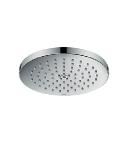
Your morning shower has been hiding something from you: the perfect temperature is out there, and most of us never find it on the first try. Instead, we twist the handle, flinch at the cold, overcorrect into scalding, and repeat. What if one push started the water and one turn set the flow, with no guesswork? That's the promise of SmartControl, and it has plenty of Canadian homeowners rethinking what a shower valve should do.
But is it truly better than the standard valve hiding behind your tile? We've broken it down by how each one works, where each wins, and how to choose, so you can decide with confidence before you renovate.
A standard valve is usually a single handle (pressure-balance) or a pair of handles that blend hot and cold. You turn it on, then keep adjusting until the temperature feels right.
SmartControl splits the jobs. You push a button to start or stop the water, turn a handle to adjust flow, and set temperature separately. Whether you connect a grohe shower head, a hand shower, or body jets, the valve is the brain that decides how the water is delivered.
SmartControl isn't automatically the right call. If you're updating a basic guest bath, working with a tight budget, or simply replacing a worn valve in a rental, a quality pressure-balance valve does the job reliably. It's also familiar to every plumber, which keeps repairs simple.
Follow these steps to match the valve to your bathroom:
If you're already opening up walls, this is the best moment to upgrade the valve. Adding a wall hung toilet, for example, means framing an in-wall carrier and rerouting plumbing, so roughing in your shower valve at the same time saves labor and keeps you from tearing into tile twice. A little planning now can cut both cost and mess.
For most households, yes, SmartControl is the better choice. It gives you steadier temperatures, simpler operation, and more flexibility, especially in a bathroom you plan to keep for years. A standard valve still earns its place in budget-friendly or low-use spaces, but if comfort and

When upgrading your bathroom in 2026, choosing the right toilet is more important than ever. Canadian homeowners are increasingly focused on comfort, water efficiency, and modern design. Among the most popular options are one piece toilets and traditional two-piece models. While both serve the same purpose, they differ significantly in performance, maintenance, and aesthetics. If you're also considering upgrading your kitchen with fixtures, aligning your home with modern, high-quality fittings makes even more sense. Let’s explore which toilet option is best suited for Canadian homes.
One-piece toilets are designed as a single, seamless unit where the tank and bowl are fused together. This sleek construction gives them a modern look that fits perfectly in contemporary Canadian homes.
One of the biggest advantages of one-piece designs is their compact size, making them ideal for smaller bathrooms or condos. They’re also easier to clean since ther e are no gaps or joints where dirt and bacteria can accumulate. For homeowners who prioritize hygiene and minimal maintenance, this is a major plus.
Two-piece toilets, on the other hand, consist of a separate tank and bowl that are bolted together during installation. This traditional design has been widely used across Canada for decades.
The main benefit of two-piece toilets is affordability. They are generally less expensive upfront and offer greater flexibility for repairs. If a part breaks, you can often replace just the tank or bowl instead of the entire unit. However, they tend to take up more space and may require more frequent cleaning around the seams.
Modern Canadian homes often lean toward minimalistic and stylish interiors. One-piece toilets stand out with their sleek, seamless design, making them a preferred choice for renovations and new builds. Two-piece toilets, while functional, offer a more traditional look that may not suit contemporary spaces.
Cleaning is a major factor, especially in busy households. The smooth surface of one-piece toilets makes them much easier to maintain. In contrast, two-piece models have crevices that can collect grime over time, requiring extra effort to keep spotless.
Two-piece toilets are easier to transport and install because they come in separate parts. One-piece toilets are heavier and may require professional installation, which can add to the overall cost.
Budget is always a consideration. Two-piece toilets are generally more affordable upfront, making them a good choice for homeowners on a tighter budget. However, one-piece toilets often provide better long-term value due to durability, lower maintenance, and modern appeal.
In 2026, water conservation remains a priority across Canada. Many one-piece toilets come equipped with advanced flushing systems that use less water while maintaining strong performance. That said, both types now offer high-efficiency models that meet Canadian standards.
When upgrading your bathroom, it’s worth considering your kitchen as well. Pairing modern fixtures like one-piece toilets with a premium Bosco Kitchen Sink can create a cohesive, high-end look throughout your home. Canadian homeowners are increasingly opting for coordinated upgrades that enhance both functionality and resale value.
The choice between one-piece toilets and two-piece models ultimately depends on your priorities. If you value modern design, easy maintenance, and long-term convenience, one-piece toilets are the clear winner. They’re especially popular in urban Canadian homes where space and style matter.
However, if budget and ease of installation are your main concerns, a two-piece toilet can still be a practical and reliable option.
As Canadian homes continue to evolve in 2026, the demand for stylish, efficient, and low-maintenance fixtures is only growing. One-piece toilets offer a perfect blend of design and performance, making them a top choice for modern living. When combined with upgrades like a Bosco Kitchen Sink, you can create a home that’s both functional and visually appealing for years to come.