


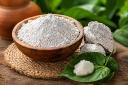
For centuries, Chuna Benefits have been recognized in traditional Indian wellness practices. Commonly known as edible lime, chuna is made from calcium hydroxide and has been used in very small quantities in certain traditional preparations. It is mainly valued for its calcium content, an essential mineral that supports healthy bones, teeth, muscles, and nerve function.
Although chuna has a long history of traditional use, it is important to understand that it should only be consumed in food-grade form and under appropriate guidance. Improper use or excessive intake can lead to health complications. This article explores the traditional uses, possible health benefits, safety precautions, and Ayurvedic perspective on edible chuna.
Chuna, also called edible lime, is a processed form of calcium hydroxide. It is prepared from limestone and is available in both industrial and food-grade forms. Only food-grade chuna is intended for traditional dietary use.
In India, edible chuna has traditionally been consumed in tiny quantities, often with betel leaves or mixed into certain home remedies. Its popularity comes mainly from its calcium content rather than its taste or nutritional diversity.
Edible chuna is not a complete food but serves primarily as a concentrated source of calcium. Depending on the manufacturing process, it may also contain trace amounts of naturally occurring minerals.
Calcium is essential for:
Bone formation
Healthy teeth
Muscle movement
Nerve communication
Blood clotting
Normal heart function
Since calcium cannot be produced by the body, it must come from food or other safe dietary sources.
Traditional practices associate edible chuna with several health-supporting properties. While many of these uses are based on generations of experience, scientific research specifically on edible chuna is still limited.
One of the most commonly discussed benefits of chuna is its role in supporting bone health. Calcium is the primary mineral responsible for maintaining bone density and strength throughout life.
Proper calcium intake may help:
Support healthy bone development
Maintain bone mineral density
Reduce the risk of calcium deficiency
Promote skeletal strength
However, bone health also depends on vitamin D, regular exercise, protein intake, and overall nutrition.
Healthy teeth require adequate calcium to maintain their structure and enamel. Traditional practices suggest that edible chuna may contribute to dental health by supplying calcium.
Good oral hygiene, balanced nutrition, and regular dental check-ups remain the most effective ways to maintain healthy teeth.
Muscles rely on calcium to contract and relax properly. Without sufficient calcium, muscles may not function efficiently.
Maintaining adequate calcium levels contributes to:
Smooth muscle contractions
Better physical performance
Normal muscular coordination
This benefit is related to calcium in general and not exclusively to edible chuna.
Calcium plays an important role in transmitting signals between nerves and muscles. Healthy calcium levels support communication throughout the nervous system and contribute to proper body coordination.
Traditional wellness systems have long recognized the importance of mineral balance in maintaining overall vitality.
In many households, edible chuna has been traditionally included in certain home remedies during recovery from fractures or bone weakness.
The belief is that additional calcium may help support the body's natural healing process. However, recovery from fractures should always involve proper medical treatment, nutritional support, and professional guidance.
People with inadequate calcium intake may explore different dietary options to improve their intake.
Natural calcium-rich foods include:
Milk
Yogurt
Cheese
Sesame seeds
Ragi
Tofu
Almonds
Green leafy vegetables
Traditional use of edible chuna has focused on supplementing calcium, but it should never replace a balanced diet or prescribed supplements without medical advice.
Ayurveda has traditionally used minerals and herbs in carefully prepared formulations. Chuna has occasionally been included in specific traditional preparations because of its mineral content.
Ayurvedic practitioners generally emphasize:
Proper purification
Correct dosage
Individual body constitution
Professional supervision
Self-treatment with mineral substances is not encouraged because dosage plays an important role in safety.
Historically, food-grade edible chuna has been consumed in extremely small amounts.
Some traditional methods include mixing it with:
Betel leaves
Curd
Buttermilk
Water
Only food-grade edible chuna should ever be considered suitable for consumption.
Many people mistakenly assume that all types of lime are the same.
Food-grade chuna is specifically prepared for traditional dietary use, whereas industrial lime is manufactured for construction and other industrial purposes.
Industrial lime should never be consumed because it may contain impurities and can cause serious injury.
Modern research recognizes calcium as an essential nutrient for maintaining overall health. However, there is limited scientific evidence supporting many traditional claims made specifically about edible chuna.
Healthcare professionals generally recommend obtaining calcium from:
Dairy products
Fortified foods
Nuts and seeds
Green vegetables
Doctor-prescribed calcium supplements
These sources have been studied more extensively and are generally considered safer.
Even food-grade edible chuna can cause problems if used incorrectly.
Possible side effects include:
Its alkaline nature may irritate the mouth, tongue, or throat if consumed improperly.
Excessive intake may lead to:
Stomach discomfort
Constipation
Nausea
Indigestion
Consuming too much calcium may increase the risk of:
Kidney stones
Elevated calcium levels
Reduced absorption of other minerals
Industrial or non-edible lime can cause severe burns and must never be ingested.
Certain individuals should avoid edible chuna unless advised by a qualified healthcare professional.
This includes:
Pregnant women
Breastfeeding mothers
Children
People with kidney disorders
Individuals with kidney stones
Those taking calcium supplements
People with elevated blood calcium levels
Medical guidance is especially important for individuals with existing health conditions.
Before using edible chuna, keep these precautions in mind:
Always purchase food-grade chuna.
Use only very small quantities.
Never exceed recommended amounts.
Avoid daily use without professional advice.
Store safely away from children.
Stop use if any irritation occurs.
For most people, natural foods remain the safest and most effective way to meet daily calcium requirements.
Excellent calcium-rich foods include:
Milk and dairy products
Ragi
Sesame seeds
Soy products
Almonds
Broccoli
Kale
Fortified cereals
These foods also provide additional nutrients that contribute to better overall health.
Fact: It contains calcium but does not provide the balanced nutrition found in calcium-rich foods.
Fact: Excessive intake can be harmful and does not necessarily improve bone health.
Fact: It should never be considered a substitute for professional medical advice or treatment.
Chuna Benefits have been appreciated in traditional wellness systems primarily because of its calcium content and long history of use in Indian households. It has traditionally been associated with supporting bone strength, healthy teeth, muscle function, and overall calcium intake. However, many of these traditional uses require further scientific validation.
When used responsibly and only in its food-grade form, edible chuna may be part of certain traditional practices. Nevertheless, maintaining a balanced diet, staying physically active, and consulting a healthcare professional before using traditional remedies are the best ways to support long-term health and well-being.