


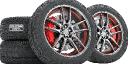
Wheels shape a vehicle's whole stance and character. Kerb scratches, faded finishes and peeling paint can make an otherwise well-kept car look tired, which is why many owners ask whether they should respray wheels they already have rather than buy replacements. Is respraying a practical, cost-effective option, or is a new set the better investment? The answer depends on the condition of the wheels, their structural integrity, the finish you want and your budget.
A professional wheel respray usually follows several stages:
Exact methods vary with the wheel material, its condition and the refinishing system used.
Respraying is primarily a cosmetic solution. It can deal with scratches and scuff marks, superficial kerb rash, faded or worn paint, peeling coatings and a wheel colour you simply no longer like. Cracks, significant bends and other structural damage are a different matter: they need proper assessment and may call for specialist repair or replacement.
Pricing typically depends on the number and size of the wheels, the severity of the damage, the preparation required, the colour and finish selected, and the coating system and labour involved.
New wheel prices reflect material and construction, brand and design, size and specification, and whether tyres, fitting, balancing or extra components are needed.
Respraying may be more economical when wheels are structurally sound and only need cosmetic improvement. Extensive refurbishment or a premium finish can narrow the gap, though, and respraying is not always the cheaper route. The fairest approach is to compare quotes for the same scope of work.
|
Consideration |
Respraying Existing Wheels |
Buying New Wheels |
|---|---|---|
|
Initial cost |
May be lower when wheels need cosmetic refurbishment |
Varies by brand, material and design |
|
Existing wheel condition |
Best suited to structurally sound wheels |
May be preferable for damaged or unsuitable wheels |
|
Appearance |
Refreshes the existing design with a new finish |
Lets you change the wheel design entirely |
|
Customisation |
Choice of colours and suitable finishes |
Depends on available designs, colours and specifications |
|
Installation requirements |
Depends on the refinishing process and wheel removal |
May involve fitting, balancing and compatibility checks |
|
Long-term value |
Depends on preparation, coating quality and maintenance |
Depends on product quality, use and maintenance |
|
Waste considerations |
Retains existing wheels and may avoid unnecessary replacement |
Requires purchasing another set |
Neither option is automatically superior. The right choice depends on the condition of your current wheels and your own priorities.
Superficial scratches, scuffs and worn finishes may be suitable for refurbishment after assessment.
If you are happy with the shape and size of your wheels, changing the colour can be more appealing than replacing the whole set.
A fresh finish can complement the bodywork and give the car a more personalised look.
Sound wheels with cosmetic imperfections are generally better candidates for refinishing than wheels with serious structural damage.
Cracks, significant bends or other serious defects should never be treated as ordinary cosmetic problems. A qualified specialist should decide whether repair or replacement is appropriate.
If you want a different spoke pattern, different dimensions or a new overall style, new wheels are the more logical choice.
Extensive surface damage, poor previous repairs or complex refinishing requirements can make replacement worth considering.
If the existing wheels are incompatible with your requirements, replacement may be appropriate, provided the new wheels meet the vehicle's specifications.
These have a contemporary look and suit a wide range of vehicle colours.
Matte creates a more understated appearance, though it may need specific cleaning and maintenance practices.
These can refresh wheels without altering their original design.
Consider your paint colour, trim, overall styling and how you use the car. Not every finish suits every wheel, so material compatibility and the refinishing system should guide the final choice.
No single lifespan applies to every wheel. Longevity depends on the quality of surface preparation, the suitability of the coating system, application and curing procedures, exposure to road debris, weather and brake dust, and how the wheels are cleaned. Follow the refinisher's aftercare instructions and avoid harsh chemicals or abrasive tools.
Refinishing can extend the useful life of existing wheels and reduce the need to buy replacements. It does, however, involve coatings, preparation materials and other resources, so the real impact depends on the products and processes used. Retaining serviceable wheels can still be a sensible alternative to replacement when they are suitable for refurbishment.
Cleaning, damage assessment and proper preparation are essential to the finish.
Ask which products and application methods will be used and whether they suit your wheels.
Review completed projects to judge the consistency and attention to detail.
Look at scope of work, preparation, finish, additional charges and aftercare rather than choosing on price alone.
For vehicle owners exploring ways to refresh their car's appearance, PROVinyl offers a point of reference when researching vehicle customisation services. Before proceeding with a wheel respray, owners should discuss their wheel condition, preferred finish and project requirements with the service provider to determine the most suitable approach.
Respraying can be a practical way to give suitable wheels a fresh appearance without replacing an entire set. However, it is important to assess their condition, compare the costs and choose a finish that suits the vehicle. Drivers researching vehicle customisation options can also explore PROVinyl and discuss their requirements with a suitable service provider before deciding whether refinishing or replacement offers better value.
Is it cheaper to respray wheels or buy new ones?
Respraying may cost less when existing wheels are structurally sound, but the outcome depends on the refurbishment required and the specification of any replacements.
Can scratched alloy wheels be resprayed?
Superficial scratches can often be addressed during refinishing, while deeper damage needs assessment before work begins.
Does respraying wheels affect their durability?
Durability depends on suitable materials, good preparation and application, and ongoing maintenance.
Can you change the colour of your wheels without buying new ones?
Yes, for suitable wheels, subject to material compatibility and the chosen coating system.
How do you know whether wheels need replacing?
Cracks, significant bends and other structural defects need professional assessment to determine whether repair or replacement is necessary.
