


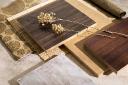
A successful interior should feel good to use as well as look good. While colour schemes, furniture, lighting, and layouts all contribute to the character of a space, the surfaces selected for walls, cabinetry, furniture, and architectural features have a lasting influence on its overall quality.
Modern interior projects increasingly require materials that can combine visual appeal with practical performance. Residential spaces need finishes that can handle everyday life, while commercial and hospitality environments often demand surfaces capable of withstanding significantly greater use. Choosing materials according to these requirements helps create interiors that remain attractive, functional, and valuable over time.
The purpose of a room should always influence the materials selected for it. A quiet residential study will experience very different conditions from a busy hotel reception or commercial kitchen.
Before specifying a surface, designers should consider factors such as expected traffic, cleaning frequency, moisture exposure, physical contact, and maintenance requirements. These considerations help determine whether a particular material is suitable for the environment.
This practical approach also allows designers to use different surfaces strategically throughout a project rather than relying on one material for every application.
Modern architecture often features clean lines, neutral colours, and simple forms. Natural materials can introduce warmth and visual interest without disrupting this minimalist approach.
Timber is particularly effective because its organic grain and natural variation add depth to otherwise simple spaces. It can be incorporated into cabinetry, feature walls, doors, furniture, ceilings, and custom joinery.
For projects seeking an authentic connection with natural materials, natural timber surfaces for interiors can provide an elegant foundation for both residential and commercial design. Their natural character works well with stone, glass, concrete, metal, and other contemporary finishes.
A cohesive interior does not necessarily mean using exactly the same material everywhere. Instead, designers can select complementary finishes that create a visual relationship between different areas.
Timber-inspired surfaces can help achieve this continuity across cabinetry, shelving, furniture, wall features, and joinery. They provide the appearance and warmth associated with timber while offering additional flexibility for different applications.
Using versatile timber-look finishes can help designers maintain a consistent aesthetic throughout a project while adapting the surface selection to specific functional requirements.
This approach is particularly useful in larger developments where different rooms need to feel connected without appearing identical.
The more frequently a surface is used, the more important performance becomes. Commercial offices, retail stores, schools, healthcare facilities, hospitality venues, and public spaces can experience constant handling and cleaning.
In these environments, designers need to think about durability alongside appearance. A surface that is difficult to maintain or unsuitable for heavy use may increase maintenance costs and require premature replacement.
For areas where reliable performance is a priority, durable interior surface solutions can provide practical options for applications such as partitions, cabinetry, lockers, vanity units, wall applications, and commercial joinery.
Selecting surfaces according to their intended environment helps ensure that the finished interior remains functional as well as visually appealing.
The strongest interiors often combine several materials rather than relying on a single finish. Natural timber can add warmth, while stone can provide texture and weight. Glass can introduce transparency, while metal can contribute a refined contemporary element.
The key is to establish a relationship between these materials. Colours, textures, patterns, and proportions should complement one another so that the interior feels coordinated.
For example, warm timber surfaces can soften an otherwise industrial interior, while a neutral engineered surface can provide a clean background for more distinctive architectural features.
Material selection should be based on more than the initial purchase price. The long-term value of a surface depends on how well it performs, how frequently it needs maintenance, and how long it remains visually appealing.
A higher-quality material can often provide better value if it lasts longer and requires fewer repairs or replacements. This is particularly important for commercial projects where maintenance work can interfere with normal operations.
Considering lifecycle value helps designers and property owners make decisions that benefit the project well beyond the initial installation.
Maintenance requirements are often overlooked during the early stages of design. However, every interior surface will eventually require cleaning and care.
Materials should therefore be selected according to the level of maintenance that the space can realistically accommodate. High-traffic environments may benefit from surfaces that are easy to clean and capable of maintaining their appearance despite frequent use.
By considering maintenance during the specification stage, designers can help ensure that the finished interior remains practical throughout its service life.
Environmental considerations are becoming increasingly important in interior architecture. Designers are looking at the complete lifecycle of materials, including sourcing, manufacturing, durability, maintenance, and replacement.
Long-lasting materials can support more sustainable interiors by reducing the need for frequent refurbishment. Efficient use of timber resources and durable engineered surfaces can also contribute to responsible material strategies when products are appropriately sourced and specified.
Sustainable design is therefore not only about choosing a particular material. It is also about creating spaces that remain useful and functional for as long as possible.
Even a well-developed design can be affected by inconsistent materials or unsuitable product selection. Working with experienced suppliers can help architects, designers, builders, and joiners make more informed decisions.
Reliable suppliers can provide information about product characteristics, available finishes, application suitability, and technical requirements. This support becomes particularly valuable on projects involving multiple surface types or large quantities of material.
Consistent quality also helps ensure that the finished project reflects the original design intent.
Interior trends evolve constantly, but the foundation of a well-designed space should remain adaptable. Timeless surface materials allow designers to update furniture, colours, lighting, and accessories without completely changing the underlying interior.
Natural timber is particularly versatile because it works across minimalist, contemporary, traditional, and luxury design styles. Complementary engineered finishes can provide the practical foundation needed in areas where durability is more important.
This adaptability can help extend the useful life of an interior while reducing the need for major renovations.
Creating a successful interior requires a careful balance between aesthetics, comfort, performance, and long-term value. The right surface materials can bring warmth and character to a space while providing the durability required for everyday use.
By considering the purpose of each area, selecting complementary finishes, and evaluating maintenance and lifecycle performance, architects and designers can make more informed material decisions.
Natural timber surfaces, timber-inspired finishes, and durable engineered solutions each have an important role to play in modern interiors. When selected thoughtfully, they can work together to create spaces that are attractive, practical, adaptable, and designed to perform well for many years.
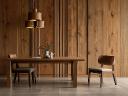
Sustainable architecture is increasingly important in Australia, as builders, designers, and homeowners look for ways to reduce environmental impact while maintaining style and functionality. New Age Veneers plays a key role in this transformation by providing eco-friendly materials and innovative solutions. Our focus on high-quality timber and laminates helps clients create beautiful, durable, and sustainable interiors for homes, offices, and commercial spaces.
Sustainability in architecture is about choosing materials that minimise environmental impact, last longer, and can be responsibly sourced. Timber and laminate products are central to achieving this goal:
Many Australian businesses and homeowners struggle to find materials that are both stylish and eco-friendly. Traditional solid wood can be expensive, limited in supply, and environmentally taxing. Low-quality laminates may not last, resulting in increased waste and replacement costs. New Age Veneers addresses these issues by providing:
Selecting sustainable materials from a trusted supplier offers multiple advantages:
Sustainable timber and laminate materials are versatile and can be used across different architectural applications:
To fully benefit from sustainable materials, New Age Veneers recommends:
At New Age Veneers, sustainability is a core value. We provide access to premium, eco-friendly materials and ensure our customers have all the support they need to make informed choices. By using our products, Australian businesses and homeowners can achieve interiors that are beautiful, functional, and responsible. Whether you are looking for the best online wood veneer supplier, laminate sheet, an online timber laminate supplier, our team is committed to providing expert guidance, high-quality materials, and reliable service.
Sustainable Australian architecture requires smart choices in materials, and timber and laminates are at the heart of this transformation. By selecting products from New Age Veneers, clients can enjoy stylish, durable interiors that support environmental responsibility. Our focus on quality, innovation, and customer satisfaction ensures that each project not only looks impressive but also contributes to a sustainable future. From homes to commercial spaces, our timber veneers, laminate sheets, and compact laminates provide practical, eco-friendly solutions that last for years.