


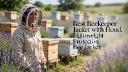
Working around a busy colony is rewarding, but it demands the right protection. A well-designed Beekeeper Jacket gives you the confidence to open hives calmly, handle frames gently, and stay focused on the bees instead of worrying about stings. Modern hooded designs seal the head and neck, the most vulnerable areas, while staying light enough for long summer days. This guide explains what to look for, how to wear your gear correctly, and how to keep it in excellent condition.
At BeBees, we believe every beekeeper, whether a curious beginner or a seasoned apiary manager, deserves gear that is comfortable, safe, and built for real fieldwork. The advice below focuses on helping you make a smart, confident purchase.
Most stings happen around the face and neck, because bees instinctively target the areas near the eyes and breathing. A hood attached directly to the jacket removes the gap that separate veils sometimes leave. Once everything is sealed, bees cannot crawl up from the collar, and you can work without constantly adjusting your gear. This is valuable when handling defensive colonies or working in cooler, windy weather.
A hooded layout also reduces the risk of leaving the veil loose after a quick break. Everything stays in one piece, which helps beginners who are still learning the routine of suiting up. Visibility remains clear, and the structure keeps fabric away from your face so you can breathe easily.
Heavy material may feel safe, but it quickly becomes uncomfortable once temperatures rise. A lightweight bee protective jacket made from tightly woven cotton blends or ventilated layers lets heat escape while still resisting stingers. Overheating is a real concern during summer inspections, and a sweaty beekeeper often handles frames roughly, which can irritate the colony.
Light colors matter too. White, cream, and pale yellow reflect sunlight and appear less threatening to bees than dark shades, which resemble natural predators such as bears and skunks.
Not every design is equal, so check these details before you buy, because small details make a big difference in the field.
A strong zipper protected by an overlapping flap prevents bees from slipping through the front opening. Test that it glides smoothly without catching during an inspection.
Elastic closures at the wrists and waist keep bees out and stop the garment from riding up when you lift heavy boxes. Reinforced stitching adds durability for repeated washing.
Roomy pockets keep your hive tool, lighter, queen clips, and notebook within easy reach. Flaps or zippers stop items from falling out when you bend over the hive.
Fencing veils give excellent airflow and a wide view, while round veils provide extra space around the face and suit people who wear glasses. Choose fine black mesh that is firmly stitched.
Fit affects both safety and comfort. The garment should sit comfortably over regular clothing, with enough room to bend, reach, and lift without pulling at the shoulders. If it is too loose, extra fabric can snag on equipment or press against your skin, creating an easy target for stings.
Compare your chest, height, and sleeve measurements with the size chart. A properly sized bee protective jacket should leave no gaps at the wrists or waist, and the sleeves should end comfortably over your gloves. When in doubt between two sizes, many beekeepers choose the larger one for layering.
New beekeepers often feel nervous during their first inspections. A full-coverage Beekeeper Jacket with a sealed hood reduces anxiety, letting you focus on learning bee behavior rather than fearing stings.
Weekend inspectors need something easy to put on, simple to wash, and comfortable for an hour or two. A light, hooded design fits this routine perfectly.
Commercial beekeepers, apiary workers, and trainers spend many hours near hives. They need durable stitching, dependable closures, and fabric that survives frequent laundering.
Good gear works best alongside good technique. Move slowly, use smoke sparingly, and avoid sudden jerks that alarm the colony. Check that your gloves overlap your sleeves and that your boots or trousers are tucked in before you open the hive. Inspect during warm, calm afternoons when most foragers are away, and always stay relaxed. These small habits make every hive visit smoother and safer.
Wash your gear in cold water on a gentle cycle with mild, unscented detergent, because strong fragrances can agitate bees. Remove the veil first if it detaches, and avoid bleach, which weakens fabric and mesh.
Air dry completely and store in a cool, dry place away from direct sunlight. Before each season, inspect seams, zippers, and mesh for small holes. A quick repair on your bee protective jacket today can prevent an unpleasant surprise in the apiary tomorrow.
A hooded design usually seals the head and neck area better because there is no gap between the veil and the jacket. Separate veils can still work well when fitted correctly, but an attached hood is simpler and more reassuring for beginners who want dependable coverage.
Tightly woven fabric greatly reduces the chance of stings, but no garment is completely sting-proof. Wearing a thin layer underneath adds extra protection when working with defensive colonies, especially during cooler weather or honey harvests.
White and other light colors work best. They stay cooler in the sun and look less threatening to bees than dark colors, which helps keep the colony calmer during inspections and reduces unnecessary defensive behavior.
Wash it whenever it becomes dirty, sticky with propolis, or smells of venom, since alarm pheromones can make bees more defensive. Use cold water and mild unscented detergent, then air dry. Avoid fabric softeners because their strong scent may disturb the colony.
It should fit comfortably over your regular clothes, allow free arm movement, and leave no gaps at the wrists or waist. Avoid extremely baggy sizes because loose fabric can snag on frames and attract stings. Check the size chart and consider sizing up if you plan to layer.
Choosing the right protection is one of the smartest decisions a beekeeper can make. A quality Beekeeper Jacket with a secure hood, breathable fabric, strong zipper, and elastic closures keeps you safe while allowing calm, confident movement around your hives. Compare features, fit, and care requirements before you buy.
With dependable gear from BeBees, you can focus on what matters most: healthy colonies, gentle handling, and a rewarding season of beekeeping. Invest in comfort and protection today, and every inspection will feel safer and more enjoyable.