


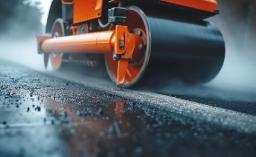
Pavement represents a significant investment for both homeowners and commercial property managers. Over time, however, environmental stressors and heavy usage inevitably lead to deterioration. Instead of full reconstruction, many experts recommend asphalt resurfacing as a practical and economically sound alternative.
By renewing the surface layer while preserving the structural base, asphalt resurfacing delivers improved durability, performance, and appearance with reduced costs and downtime.
What Makes Asphalt Resurfacing Effective?
The effectiveness of asphalt resurfacing lies in its ability to reinforce pavement without disrupting foundational integrity. The process focuses on restoring the top asphalt layer, which experiences the most wear.
When deterioration is primarily surface-level, resurfacing offers an efficient solution that revitalizes pavement strength. It prevents water infiltration, reinforces load-bearing capacity, and enhances driving comfort.
Comparing Resurfacing and Replacement
Full Replacement
Complete pavement replacement involves removing the entire asphalt structure and rebuilding from the base upward. While necessary for severe structural failure, it is significantly more expensive and time-consuming.
Asphalt Resurfacing
In contrast, asphalt resurfacing preserves the existing base and adds a new overlay. This approach reduces material usage, lowers labor costs, and shortens project duration while delivering impressive durability.
Key Advantages of Asphalt Resurfacing
Financial Savings
One of the strongest benefits of asphalt resurfacing is affordability. Businesses can maintain professional curb appeal without allocating excessive capital to reconstruction projects.
Minimal Operational Disruption
Resurfacing projects are completed faster than full replacement. For commercial facilities, this means reduced downtime and minimal inconvenience to customers and employees.
Environmental Responsibility
Reusing the existing base minimizes construction waste. Many resurfacing projects also incorporate recycled asphalt materials, promoting sustainability.
Improved Safety and Comfort
Freshly resurfaced pavement provides enhanced traction and smoother vehicle operation. Improved drainage design further reduces standing water hazards.
Best Practices for Successful Asphalt Resurfacing
To ensure lasting performance, several best practices should be followed:
When these steps are carefully implemented, asphalt resurfacing can significantly extend pavement service life.
Conclusion
Infrastructure maintenance requires smart, forward-looking decisions. Asphalt resurfacing stands out as a highly effective method for restoring aging pavement while controlling costs and reducing environmental impact.
By addressing surface deterioration early and investing in professional resurfacing services, property owners can extend pavement lifespan, enhance safety, and maintain strong visual appeal.
| No comments yet. Be the first. |
