



Azerbaijan is a wonderful destination for nature enthusiasts who enjoy watching birds in their natural habitats. Located between Europe and Asia, the country has a wide range of landscapes, including wetlands, forests, mountains, coastal areas and open grasslands. These habitats attract many resident and migratory bird species throughout the year. For travellers who enjoy photography, wildlife and peaceful outdoor experiences, birdwatching in Azerbaijan offers plenty of opportunities.
Before travelling, visitors should check the Azerbaijan Visa requirements applicable to their nationality and prepare the necessary travel documents. With suitable planning, nature lovers can enjoy the country's rich birdlife while visiting some of its most beautiful natural areas.
Shirvan National Park
Shirvan National Park is one of the best places for wildlife observation in Azerbaijan. Located near the Caspian Sea, the park is known for its semi-desert landscape, wetlands and diverse wildlife. Its location makes it an interesting area for spotting waterbirds and other species that live in dry environments.
Depending on the season, visitors may see flamingos, ducks, waders and various birds of prey. The park is also famous for its goitered gazelles, making it an excellent choice for travellers interested in observing different types of wildlife. Visitors should follow park regulations and avoid disturbing animals during their visit.
Gizil-Agaj National Park
Gizil-Agaj National Park is an important destination for birdwatchers, particularly those interested in migratory species. Its coastal wetlands, lagoons and shallow waters provide feeding and resting areas for birds travelling between breeding and wintering grounds.
During migration seasons, the area can attract pelicans, herons, ducks and numerous shorebirds. The variety of wetland habitats makes it suitable for observing birds in different environments. Travellers planning a dedicated birdwatching trip should consider visiting during migration periods and carrying binoculars for better viewing.
Absheron National Park
Located on the Absheron Peninsula near Baku, Absheron National Park offers an opportunity to combine nature observation with a visit to Azerbaijan's capital. The park protects coastal habitats along the Caspian Sea, where visitors may spot gulls, terns, waders and other coastal birds.
Its relatively accessible location makes it a convenient option for travellers with limited time. Early mornings are often suitable for birdwatching, as the surroundings are quieter and birds may be more active. Visitors should remain on designated paths and respect the park's protected environment.
Talysh Mountains and Hirkan National Park
The Talysh Mountains in southern Azerbaijan offer a different birdwatching experience, with forested slopes, rich vegetation and a humid climate. Hirkan National Park protects valuable forest ecosystems that support a variety of woodland birds.
Birdwatchers can listen for bird calls and look for species moving through the trees and forest edges. A local guide can help visitors identify birds that are difficult to spot in dense vegetation. Comfortable walking shoes and suitable clothing are useful when exploring forest trails.
Preparing for Your Birdwatching Trip
The best time for birdwatching depends on the location and the species you hope to see. Spring and autumn are generally excellent seasons for observing migratory birds, while wetlands and coastal areas may offer interesting sightings at other times of the year.
Travellers should arrange accommodation, transport and any required park permissions in advance. Before departure, complete the Azerbaijan eVisa application if eligible and check the latest entry requirements. Keep a copy of your approved travel authorisation and passport details with your travel documents.
If you have already applied, check your Azerbaijan Visa Status before finalising your travel arrangements. An Azerbaijan e Visa may be available to eligible travellers, but requirements and processing times can vary. Confirm your approval before travelling and follow the conditions stated on your visa.
Whether you prefer coastal wetlands, open landscapes or forest trails, Azerbaijan offers rewarding birdwatching opportunities for visitors who appreciate nature. Respecting wildlife and choosing the right season can make your trip more enjoyable while helping protect the country's natural habitats.

Applying for a visa before travelling is an important part of preparing for an international trip. However, sometimes travellers may experience delays while waiting for their approval. A delayed Sri Lanka eVisa application can cause uncertainty, especially when flights and accommodation have already been booked. Knowing what steps to take can help travellers manage the situation calmly and avoid unnecessary mistakes.
Check Your Application Status
The first step is to check the current status of your application through the relevant visa application website. Make sure you enter the correct reference number, passport details and other requested information. Sometimes, an application may still be under review, so a delay does not automatically mean that it has been rejected.
If you have recently completed the ETA Sri Lanka Visa Apply process, check your registered email address regularly, including the spam and junk folders. Important messages about your application may arrive by email. Keep your application confirmation and payment receipt available in case you need to contact the relevant authorities.
Consider Weekends and Public Holidays
Visa processing may take longer during busy travel periods, weekends or public holidays. A Sri Lanka Public Holiday can affect the availability of administrative services and may contribute to delays in processing applications. The same can happen when a large number of travellers apply around popular holiday seasons.
Before becoming concerned about a pending application, check the published processing guidance and consider whether any non-working days have occurred since submission. Avoid assuming that every delay indicates a problem with your documents. However, if your planned departure is approaching, take action rather than waiting until the last minute.
Review Your Application Details
Incorrect information is one possible reason an application may require additional review. Check whether your name, passport number, date of birth and passport expiry date were entered correctly. Even a small typing mistake can create complications when your details are checked.
If you notice an error, follow the instructions provided by the relevant visa authority to find out how it can be corrected. Do not submit another application immediately without checking the rules, as duplicate submissions may create further confusion.
Travellers should also confirm that their passport meets the applicable entry requirements and that the documents submitted are clear and readable. Keeping accurate information ready can make it easier to respond if additional details are requested.
Contact the Relevant Visa Authority
If your application remains pending beyond the stated processing period, contact the relevant Sri Lankan visa authority through its published contact channels. Provide your application reference number, submission date and planned travel date. Explain the situation clearly and ask whether any additional information or documents are required.
When completing the ETA Sri Lanka Visa Apply process, save copies of confirmation emails and payment records. These details can help the support team locate your application and provide more relevant guidance. Avoid sending sensitive passport information to unverified email addresses or third-party contacts.
Check Your Sri Lanka Visa Fees and Payment Status
Payment issues may also need attention if an application has not progressed as expected. Review your transaction confirmation and check whether the payment was successful. Understanding the applicable Sri Lanka Visa Fees can help you identify the amount charged and keep the correct records.
If money has been deducted but no confirmation has arrived, contact the appropriate payment provider or visa support channel for guidance. Do not pay again simply because approval is taking longer than expected. First, confirm whether your original payment was received and whether any further payment is actually required.
Avoid Last-Minute Travel Problems
If your departure date is approaching, contact your airline or travel provider to understand the available options if your travel authorisation is not issued in time. Do not assume that an application receipt or pending status allows you to board your flight or enter Sri Lanka.
Always wait for the required approval and check the conditions stated in your authorisation before travelling. Processing times can vary, so applying early is the best way to reduce stress.
A delayed Sri Lanka eVisa application can be frustrating, but checking the status, reviewing your details and contacting the relevant authority can help you understand the next steps. Keep your documents organised, monitor official updates and allow sufficient time for processing before confirming your travel plans.

Receiving your visa approval is an important step when preparing for a trip to Azerbaijan. Once your application is approved, you can focus on your travel arrangements and prepare the documents needed for your journey. However, approval does not mean you should overlook the conditions mentioned in your visa. Travellers should carefully review their approved Azerbaijan eVisa and make sure all details are correct before departure.
Check Your Approved Visa Details
After receiving your eVisa Azerbaijan check the information provided in the approval document. Review your full name, passport number, date of birth, visa validity period and permitted duration of stay. Even a small error in your personal details may cause difficulties during travel.
If you notice incorrect information, contact the relevant visa authority for guidance before making further arrangements. Do not assume that an error can be corrected at the airport. Keeping an accurate copy of your approved visa helps you avoid unnecessary complications during check-in and immigration.
Download and Print Your eVisa
Once your visa is granted, download the approved document and save a digital copy on your phone or another accessible device. It is also a good idea to print a physical copy and keep it with your passport and other travel documents.
Although a digital copy may be useful, carrying a printed version provides an additional backup if your phone battery runs out or you cannot access your files. Travellers who complete the Azerbaijan Visa Online Apply process should keep their approval document readily available throughout their journey.
Confirm Your Travel Dates and Visa Validity
Before booking your final travel arrangements, check the validity dates stated on your approved visa. Remember that the visa validity period and the permitted duration of stay are not necessarily the same. You must enter Azerbaijan within the applicable validity period and leave within the authorised stay.
Avoid assuming that your visa allows multiple entries or a longer stay unless these conditions are clearly stated. If your travel dates change, review the visa conditions carefully to determine whether your approved document remains suitable for your trip.
Prepare the Required Travel Documents
Having an approved visa is only one part of preparing for international travel. Keep your valid passport, visa approval, flight tickets, accommodation details and other relevant documents together. You may also wish to carry evidence of sufficient funds or travel insurance if required for your circumstances.
Checking the Baku visa Requirements before departure can help you understand the documents you may need to present. Requirements can vary according to nationality and individual circumstances, so confirm the latest entry conditions through the relevant official sources. Make sure the passport you carry is the same one used for your visa application.
Get Ready for Your Arrival in Baku
If Baku is your first destination, plan your airport transfer and accommodation in advance. Save your hotel address, booking confirmation and important contact details so you can access them easily after landing.
At immigration, present your passport and approved visa when requested, and answer any questions clearly. Visa approval does not automatically guarantee entry, as the final decision rests with the border authorities. Follow the instructions provided by immigration officials and keep your travel documents secure.
Follow the Rules During Your Stay
After entering Azerbaijan, keep track of your authorised stay and make sure you leave before your permitted period expires. If you intend to remain longer, do not assume that your existing visa can be extended automatically. Contact the appropriate authority to understand the available options before your authorised stay ends.
Travellers should also check whether local registration requirements apply to their accommodation or length of stay. Understanding these rules in advance can help prevent avoidable issues during the visit.
An approved Azerbaijan eVisa makes travel preparation easier, but checking the details, carrying the correct documents and following entry conditions remain essential. With proper preparation, visitors can begin their Azerbaijan trip with greater confidence and enjoy their time in Baku and other destinations across the country.

Sri Lanka is an excellent destination for travellers who enjoy outdoor adventures and exciting experiences. From surfing along beautiful beaches to hiking through green mountains, the island offers activities for different skill levels. Visitors can also enjoy white-water rafting, wildlife safaris, and scenic cycling routes. Before arranging these experiences, travellers should check their Sri Lanka eVisa requirements and prepare the necessary travel documents.
Surfing Along Sri Lanka’s Beaches
Sri Lanka is popular among surfers because of its beautiful coastline and suitable waves during different seasons. Arugam Bay is a well-known surfing destination, especially during the surfing season on the east coast. Weligama and Hikkaduwa are also good choices for beginners and experienced surfers. Visitors can take lessons from local instructors or rent equipment near the beach. Checking weather conditions and following safety advice can make the experience more enjoyable.
Hiking in the Central Highlands
The central highlands offer rewarding hiking opportunities for adventure lovers. Ella Rock is a popular choice for travellers who want to enjoy mountain views, tea plantations, and forest trails. Adam’s Peak attracts hikers who are prepared for a challenging climb, particularly during its main pilgrimage season. Horton Plains National Park is another option, with walking trails leading to scenic viewpoints. Travellers should carry enough water, wear suitable footwear, and start early to avoid the midday heat.
White-Water Rafting in Kitulgala
Kitulgala is one of Sri Lanka’s best-known destinations for white-water rafting. The Kelani River provides exciting rafting opportunities, with sections suitable for different experience levels depending on water conditions. Professional guides provide safety instructions and equipment before each trip. Visitors can also enjoy activities such as canyoning and rainforest walks in the surrounding area. Choosing a licensed operator and following the guide’s instructions are important for a safe adventure.
Wildlife Safaris and Outdoor Experiences
Wildlife safaris offer a different kind of excitement for travellers. Yala National Park is known for its leopards, elephants, and diverse birdlife, while Udawalawe National Park is especially popular for elephant sightings. Visitors can explore these parks on guided jeep safaris and observe animals in their natural surroundings. Travellers should maintain a safe distance from wildlife and follow park regulations. Booking a safari in advance can help secure a suitable time during busy travel periods.
Cycling and Water Adventures
Cycling through Sri Lanka’s countryside allows visitors to experience rural villages, paddy fields, and tea-growing regions at a relaxed pace. Some routes include steep climbs, making them suitable for cyclists seeking a physical challenge. Snorkelling and diving are also popular along parts of the coast, where visitors may see colourful fish and coral reefs. The best conditions depend on the location and season, so travellers should check local advice before booking water activities.
Prepare Your Travel Documents Before the Trip
Adventure travellers should arrange their travel documents before departure. Checking the ETA Sri Lanka Visa Apply process in advance can help visitors understand the entry authorisation requirements that apply to their nationality and travel purpose. Applicants should provide accurate passport details and review the latest instructions before submitting their applications.
Travellers should also check the current Sri Lanka Visa Fees before applying, as charges and requirements may vary depending on nationality and visa category. It is helpful to keep a copy of the approved travel authorisation and passport details during the trip.
Checking the Sri Lanka Public Holiday calendar can also help visitors plan their activities. Holidays and local festivals may affect transport schedules, accommodation availability, and crowd levels at popular attractions. Booking activities early during busy periods can make travel arrangements easier.
With suitable preparation, Sri Lanka offers plenty of opportunities for an exciting outdoor holiday. From mountain trails and rushing rivers to ocean waves and wildlife encounters, adventure seekers can enjoy memorable experiences while discovering the island’s natural beauty.

Sri Lanka celebrates many traditional festivals throughout the year, bringing together colourful decorations, cultural performances, religious ceremonies and local food. These celebrations give tourists an opportunity to learn about the island’s customs and traditions. Visitors should check festival dates in advance and prepare their Sri Lanka eVisa or other required travel authorisation based on the latest entry requirements.
Sinhala and Tamil New Year
Celebrated in April, Sinhala and Tamil New Year is an important cultural occasion in Sri Lanka. Families prepare traditional sweets, wear new clothes and participate in customs associated with prosperity and new beginnings. Tourists may see traditional games, family gatherings and festive meals in local communities. Visitors should check transport schedules and business hours before travelling during this period.
Kandy Esala Perahera
The Kandy Esala Perahera is a well-known annual procession usually held in July or August. It honours the Sacred Tooth Relic of the Buddha and includes traditional dancers, drummers and colourful ceremonial displays. The festival attracts large crowds, so booking accommodation early is recommended. Completing the ETA Sri Lanka Visa Apply process in advance can also help travellers prepare for their visit.
Vesak Festival
Vesak is a major Buddhist celebration commemorating the birth, enlightenment and passing away of Gautama Buddha. Usually observed in April or May, it brings streets and temples to life with lanterns, illuminated decorations and religious activities. Visitors can enjoy the peaceful atmosphere and see local communities preparing traditional decorations. Modest clothing and respectful behaviour are important when visiting temples during the celebrations.
Thai Pongal
Thai Pongal is a harvest festival celebrated by Tamil communities, usually in January. Families prepare a traditional rice dish with milk and sugar to express gratitude for a successful harvest. Colourful kolam designs decorate homes, while temple visits and family gatherings form an important part of the occasion. Tourists can experience these traditions in the Northern and Eastern provinces.
Deepavali Celebrations
Deepavali, also called Diwali, is an important Hindu festival celebrated across Sri Lanka. Families light oil lamps, decorate their homes, prepare sweets and visit temples for prayers. Markets and neighbourhoods become lively as people shop for festive clothing and gifts. Tourists can experience these celebrations in areas with large Hindu communities while respecting local religious practices.
Planning a Visit During Sri Lankan Festivals
Festival dates may vary each year, so travellers should confirm schedules before booking flights and accommodation. Popular events can attract large crowds, making early reservations helpful. Checking the Sri Lanka Public Holiday calendar is also important because holidays may affect public transport, shops, banks and other services.
Travellers should review the latest Sri Lanka Visa Fees and entry requirements for their nationality before departure. Those who require electronic travel authorisation should submit the relevant application through the appropriate government channel and check its status before travelling. Keeping passport details and other travel documents ready can help prevent unnecessary delays.
Traditional Sri Lankan festivals offer visitors a chance to experience the country’s cultural heritage and community traditions. From the grand Kandy Esala Perahera to the family celebrations of Sinhala and Tamil New Year, these events can make a trip to Sri Lanka more meaningful.

Applying for a Laos eVisa online is convenient, but simple errors can cause delays or application issues. Checking personal details, uploading clear documents and understanding visa requirements can help travellers complete their Laos Visa Online application correctly.
Entering Incorrect Personal Details
Mistakes in names, passport numbers, dates of birth or expiry dates can cause verification problems. Applicants should compare every detail with their passport before submitting the form.
Uploading Unclear Documents
Blurry passport scans or incomplete images may affect the application process. Before submitting a Laos Visa Online application, ensure all documents are clear, readable and meet the required file specifications.
Overlooking the Cost of Laos eVisa
Applicants should check the total visa fee before making payment. The Cost of Laos eVisa may vary depending on nationality and applicable charges. Reviewing the payment details helps avoid unexpected expenses.
Applying Too Late
Applying shortly before departure can create unnecessary stress if processing takes longer than expected. Travellers should submit their applications early and allow enough time for possible delays. They should avoid assuming that approval will arrive immediately.
Not Checking Laos eVisa Status
Payment confirmation does not guarantee visa approval. Applicants should regularly check their Laos eVisa Status for updates or requests for additional information. They should wait for the decision and keep a copy of the approved visa for travel.
Selecting the Wrong Visa Type
Choosing an unsuitable visa category can lead to application complications. Travellers should select a visa that matches their purpose of travel and review the relevant entry conditions before applying.
Misunderstanding the Multiple Entry Visa Laos Process
Not every visa permits multiple entries. Travellers planning several visits should review the Multiple Entry Visa Laos Process and confirm whether their visa allows them to enter Laos more than once. Checking the validity period and permitted stay is equally important.
Skipping the Final Application Review
Submitting the form without checking it can lead to missing information or incorrect answers. Applicants should review all details, confirm document uploads and save their application reference number and payment confirmation.
Careful preparation can help travellers avoid common mistakes when applying for a Laos eVisa. Checking personal information, understanding the fees and monitoring application status can make the process more straightforward.

Sri Lanka is an excellent destination for travellers who enjoy exploring the ocean and its marine life. The island has colourful coral reefs, tropical fish, sea turtles and underwater shipwrecks that attract visitors throughout the year. From the southern coastline to the eastern beaches, there are several locations suitable for snorkelling and scuba diving. Selecting the right destination and season can help travellers enjoy safer and more comfortable underwater experiences.
Hikkaduwa: Explore Colourful Coral Reefs
Hikkaduwa is a popular destination for snorkelling and scuba diving in Sri Lanka. Its coral reefs are home to tropical fish and sea turtles, making it an appealing choice for beginners and experienced visitors. Travellers can enjoy guided snorkelling trips in shallow waters, while certified divers can visit nearby reefs and shipwrecks.
November to April is generally a suitable period to visit Hikkaduwa, when the southern and western coasts often experience better sea conditions. Visitors can also spend time at the beach, enjoy local food and take boat trips along the coast.
Pigeon Island: Discover Sri Lanka’s Marine Life
Pigeon Island National Park, located near Nilaveli Beach, is known for its coral reefs and diverse marine life. Visitors may spot colourful reef fish, sea turtles and blacktip reef sharks while snorkelling in suitable conditions. Boat services from Nilaveli provide access to this protected marine area.
The eastern coast generally has better conditions from May to September. Visitors should follow park regulations, avoid touching coral and maintain a safe distance from marine animals to help protect the underwater environment.
Unawatuna: A Good Choice for Beginner Divers
Unawatuna, near Galle, is another destination worth considering for underwater activities. Its coastal waters offer rocky reefs, tropical fish and diving sites suitable for different experience levels. Beginners can take supervised lessons with qualified instructors, while certified divers can enquire about available reef and wreck dives.
November to April is generally a favourable period for visiting this part of the southern coast. Travellers can also visit Galle Fort, relax on the beach and enjoy the local restaurants during their stay.
Trincomalee: Enjoy Diving on the East Coast
Trincomalee attracts visitors with its beaches, seasonal sea conditions and access to underwater locations around Nilaveli and Uppuveli. Travellers can combine snorkelling, swimming and boat excursions during their visit. Pigeon Island is also a popular stop for those interested in observing marine life.
Before arranging a diving trip, check the weather forecast and local sea conditions. Choosing a reputable diving centre is especially important for beginners and anyone planning to participate in deeper dives.
When to Plan a Snorkelling and Diving Trip
The best time for underwater activities in Sri Lanka depends on the coastline. The southern and western regions generally offer more favourable conditions from November to April, while the eastern coast is often better from May to September. Checking local conditions before booking helps travellers choose a suitable destination.
Travellers should also check whether a Sri Lanka Public Holiday falls during their visit. Public holidays may affect transport schedules, attraction timings and the availability of some local services.
Visa Preparation Before Travelling to Sri Lanka
International visitors should check the entry requirements for their nationality before booking their holiday. Reviewing the Sri Lanka eVisa application process in advance helps travellers understand the information and documents they may need to prepare.
Travellers looking for ETA Sri Lanka Visa Apply information should verify the current application procedure and entry authorisation requirements before departure. It is also helpful to review the latest Sri Lanka Visa Fees to understand the applicable charges for the relevant visa category.
With the right season, suitable travel documents and a reliable diving operator, Sri Lanka offers rewarding underwater experiences. From colourful coral reefs in Hikkaduwa to the marine life around Pigeon Island, travellers can enjoy the island’s coastal beauty while respecting its natural environment.

Arriving in a new country is easier when you know what to expect at the airport. Sri Lanka offers beautiful beaches, ancient landmarks, wildlife parks, and scenic mountain towns, making it a popular destination for travellers. Understanding the arrival process can help you avoid unnecessary delays and start your holiday comfortably. Before departure, check your Sri Lanka Visa requirements and keep all essential travel documents ready.
Before leaving for the airport, organise your passport, flight ticket, accommodation confirmation, and return or onward travel details. Check the passport validity rules and entry requirements that apply to your nationality.
If you have applied for a Sri Lanka eVisa or electronic travel authorisation, keep the approval confirmation accessible on your phone. Carrying a printed copy is also useful if you cannot access your email or internet connection after landing. Preparing these documents beforehand can make immigration checks more convenient.
Many international visitors arrive at Bandaranaike International Airport, located near Colombo. After leaving the aircraft, follow the airport signs to the immigration counters.
Present your passport and any required visa or travel authorisation documents to the immigration officer. You may be asked about your travel purpose, accommodation, and intended length of stay. Answer the questions accurately and keep your hotel booking and return ticket available if requested.
Travellers who need electronic authorisation should check the latest application instructions before departure. Reviewing the ETA Sri Lanka Visa Apply process can help you understand the steps and requirements relevant to your visit.
Sri Lanka's entry rules may vary according to nationality, travel purpose, and current immigration regulations. Therefore, visitors should confirm the requirements that apply to them before booking or beginning their journey.
When reviewing your Sri Lanka Visa requirements, check the permitted duration of stay, application procedure, and whether approval is necessary before travelling. Use government immigration resources for the latest information rather than relying on outdated travel guides.
If an online application is required, carefully enter your personal and passport details. Check your name, passport number, and travel information before submitting the form. Save the application reference and confirmation for future use.
Checking the applicable Sri Lanka Visa Fees before applying helps you prepare your travel budget. Charges may differ depending on nationality, visa category, and the type of travel authorisation required.
Review the current fee information through the relevant government website before making a payment. If you use a third-party application service, check whether additional service charges apply. Keep your payment receipt and application confirmation until your travel documents have been processed.
After completing immigration, proceed to the baggage claim area and check the airport screens for your flight number. Once your luggage arrives, make sure you have collected all your belongings before leaving the area.
If your baggage is missing or damaged, report the issue to your airline's baggage service desk. After collecting your luggage, follow the customs instructions and declare any items when required. Check the current customs regulations before travelling with medicines, valuable goods, or restricted items.
Once you have completed the airport formalities, choose a suitable way to reach your accommodation. Airport taxis, pre-booked hotel transfers, and other transport options may be available. Confirm the fare or booking details before starting your journey.
Save your hotel's address and contact number on your phone before departure. Having local currency or a suitable payment method can also help with small expenses. If you need internet access, consider arranging a local SIM card or another suitable connection.
Preparing for your arrival can make your first visit to Sri Lanka more comfortable. By organising your documents, checking Sri Lanka eVisa requirements, reviewing visa fees, and understanding airport procedures, you can complete the arrival process with greater confidence and begin your trip smoothly.
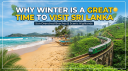
Winter is an excellent time to visit Sri Lanka, especially for travellers looking for sunny beaches, pleasant weather, wildlife experiences, and cultural attractions. From December to February, many parts of the island enjoy favourable conditions for sightseeing and outdoor activities. Visitors can spend time along the southern and western coasts, explore historic sites, and enjoy the natural beauty of the hill country. Before booking a trip, travellers should check the Sri Lanka Visa requirements and prepare their travel documents.
Enjoy Sunny Beaches and Coastal Activities
Sri Lanka’s southern and western coastal regions are popular during the winter months. Destinations such as Bentota, Mirissa, Unawatuna, and Hikkaduwa attract visitors with their sandy beaches, clear waters, and seaside cafés. The generally favourable weather makes this season suitable for swimming, boat trips, and relaxing by the sea.
Travellers can also enjoy whale-watching excursions near Mirissa when conditions permit. Checking local weather and sea conditions before booking water activities is important. Visitors planning an extended holiday should arrange their Sri Lanka eVisa or applicable travel authorisation in advance to help ensure a smoother journey.
Experience Sri Lanka’s Wildlife
Winter is a good time to include wildlife experiences in a Sri Lankan itinerary. Yala National Park is known for its leopards, elephants, crocodiles, and many bird species. Udawalawe National Park is another popular choice for travellers hoping to see elephants in their natural habitat.
Safari experiences allow visitors to learn about the island’s wildlife while enjoying its varied landscapes. Booking a safari with a responsible operator and following park rules can make the experience more enjoyable. Travellers should also keep their Sri Lanka e Visa requirements in mind while preparing their travel arrangements.
Visit Cultural and Historical Attractions
Sri Lanka offers plenty of cultural experiences for visitors during winter. Kandy is known for the Temple of the Sacred Tooth Relic, while Sigiriya attracts travellers with its ancient rock fortress and impressive views. Visitors can also explore Dambulla’s cave temples and learn about the island’s history through its architecture, religious sites, and traditional communities.
The weather in many popular areas can make sightseeing more comfortable, although conditions vary by region. Travellers should carry suitable clothing, drinking water, and sun protection when visiting outdoor attractions. Checking opening times and local travel information before setting out can also help make each day easier to manage.
Enjoy Scenic Train Journeys and Hill Country Views
The hill country provides a different experience from Sri Lanka’s tropical beaches. Places such as Ella, Nuwara Eliya, and Haputale are known for tea plantations, misty hills, waterfalls, and scenic railway routes. A train journey through the central highlands offers views of green landscapes and small mountain villages.
Winter can be a pleasant time to visit the region, but temperatures are often cooler than along the coast. Travellers should pack light jackets and comfortable walking shoes, particularly if they plan to hike or visit elevated areas.
Prepare Your Sri Lanka Visa Before Travelling
Preparing the necessary travel documents is an important part of planning a winter holiday. Travellers should check whether they need an Electronic Travel Authorisation (ETA), an eVisa, or another form of entry permission under the rules applicable to their nationality and travel purpose.
The Sri Lanka ETA Visa process and entry requirements may change, so applicants should check the latest guidance through the relevant Sri Lankan government immigration website before submitting an application. They should provide accurate passport details, review the permitted stay, and confirm that their travel documents meet the current requirements.
Applying for the appropriate Sri Lanka Visa in advance can help travellers avoid last-minute complications. Visitors should also keep copies of their approved travel authorisation and passport details accessible during the journey.
Plan a Comfortable Winter Holiday
Winter offers a combination of beach relaxation, wildlife viewing, cultural sightseeing, and scenic journeys across Sri Lanka. December to February is particularly suitable for visiting many southern and western destinations, while the weather can differ in other parts of the island. Checking regional forecasts and arranging accommodation early can help travellers prepare for busy holiday periods.
With suitable travel documents, a flexible itinerary, and a little preparation, visitors can enjoy Sri Lanka’s beaches, historic landmarks, and mountain scenery during the winter season.

Travelers visiting Azerbaijan should prepare their visa documents before departure. After receiving an approved electronic visa, many visitors wonder whether they need a printed copy or can simply show the document on their phone. Keeping the necessary documents ready can help reduce confusion during airline check-in and entry checks. Knowing how to prepare your Azerbaijan Visa before traveling can make the process more convenient.
Is a Printed Azerbaijan eVisa Necessary?
An Azerbaijan eVisa is an electronic travel authorization issued to eligible foreign travelers. Once approved, the visa is available digitally and can be downloaded for reference. Carrying a printed copy is a useful precaution, even when you have the document saved on your phone.
A printout allows you to show your visa details if your phone battery runs out or you cannot access the saved file. It can also be helpful if airline staff or immigration officers request a paper copy. Check the latest travel instructions before departure to confirm the document presentation requirements that apply to your journey.
Can You Use a Digital Copy of Your Azerbaijan e Visa?
A digital copy of your Azerbaijan e Visa is convenient because you can access it directly from your phone. Download the approved visa as a PDF and save it offline so you do not need an internet connection to open it. You can also keep a secure backup on another device or in cloud storage.
However, it is better not to rely entirely on your phone. Technical problems, low battery power, or difficulties opening the file could delay document checks. Carrying both a printed copy and an offline digital version gives you an alternative if one format is unavailable.
Documents to Carry Along with Your Azerbaijan Visa
Your approved Azerbaijan Visa is an important travel document, but you may also need other information during your journey. Prepare these documents before leaving:
Keeping these documents organized makes it easier to find the information you need during check-in and arrival procedures.
How to Prepare Your Azerbaijan eVisa Before Departure
Once your Azerbaijan eVisa is approved, review the document carefully. Check your name, passport number, visa validity dates, and other details for accuracy. If you find any errors, contact the appropriate visa authority for guidance before traveling.
Download the approved visa and print a clear copy. Ensure that the text and reference details are readable. Store the printout with your passport and save the digital file in a folder that is easy to access on your phone.
Also, confirm that your visa is valid for your intended travel dates and that you meet the applicable entry conditions. Having an approved visa does not automatically guarantee admission, as border authorities may check other entry requirements.
Should You Carry a Printout or Digital Copy?
Carrying both formats is a practical choice for most travelers. A printed Azerbaijan e Visa provides a backup if your phone is unavailable, while a digital copy makes it easy to retrieve the document when needed. Using both reduces the chance of being unprepared if a document check requires a different format.
Before departure, review the latest visa instructions and entry requirements for your nationality. Keep your passport, approved visa, and supporting travel documents ready so you can access them whenever necessary.


