


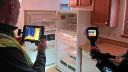
A home can have hidden energy-related problems that are difficult to identify during a standard visual inspection. Thermal inspections use specialized imaging technology to identify temperature differences across surfaces. These differences can point to concerns such as missing insulation, air leakage, moisture, or areas where a building system may not be performing as expected. Thermal imaging is recognized as a specialized inspection option by InterNACHI.
Insulation plays an important role in maintaining comfortable indoor temperatures. When insulation is missing, damaged, compressed, or unevenly installed, certain parts of a home may lose conditioned air more quickly. A thermal inspection can help identify unusual temperature patterns that may suggest insulation deficiencies behind walls, ceilings, floors, or other areas that are not easily visible.
Small gaps around windows, doors, walls, ceilings, and other areas can allow conditioned air to escape. These leaks may contribute to uncomfortable rooms and higher energy use. Thermal imaging can help inspectors recognize temperature differences associated with possible air leakage. Finding these areas can give homeowners useful information about where further investigation or improvement may be worthwhile.
Moisture can sometimes create temperature patterns that are difficult to notice during a visual inspection. Thermal imaging may help identify unusual areas that require closer examination. It is important to understand that a thermal camera does not automatically confirm the presence of moisture. Instead, unusual thermal patterns can help an inspector identify areas that may need additional testing or investigation.
Thermal imaging can also provide useful information about certain electrical components. Unusual heat patterns may indicate areas that deserve closer attention. A thermal camera does not replace a complete electrical inspection, but it can help identify potential concerns that might otherwise be difficult to notice visually. This additional information can contribute to a more comprehensive understanding of a property's condition.
Buying a property is a major financial decision, so understanding its condition before completing a purchase can be valuable. Thermal energy inspections in Webster NY can provide additional information about areas that may not be obvious during a basic visual review. Combining thermal observations with a thorough home inspection can give buyers a clearer picture of potential maintenance needs and areas that may require further evaluation.
Choosing an experienced inspector is important when specialized inspection technology is involved. Home inspectors can use thermal imaging alongside other inspection methods to investigate areas of concern. Professional organizations such as InterNACHI provide directories that allow consumers to search for certified inspectors and identify specialists offering services such as thermal imaging and energy-loss inspections.
Thermal images should be interpreted carefully rather than treated as a simple pass-or-fail test. Temperature differences can have several possible causes, and additional investigation may be necessary before reaching a conclusion. A qualified inspector can explain unusual patterns and recommend appropriate follow-up when needed. This helps homeowners understand which findings may require attention and which may simply reflect normal conditions.
Thermal inspection results can help homeowners prioritize improvements. If unusual temperature patterns point toward insulation deficiencies or air leakage, the information may help determine where further evaluation should begin. Home energy audits can provide additional information about energy performance and possible efficiency improvements. Thermal imaging is commonly used as one diagnostic method during building performance evaluations.
Thermal inspections can provide valuable information that ordinary visual observations may not reveal. They can help identify unusual temperature patterns associated with insulation issues, possible air leakage, moisture concerns, and certain electrical hot spots. When performed and interpreted properly, this technology can complement a comprehensive home inspection and help homeowners make better-informed decisions about maintenance, energy efficiency, and property improvements.